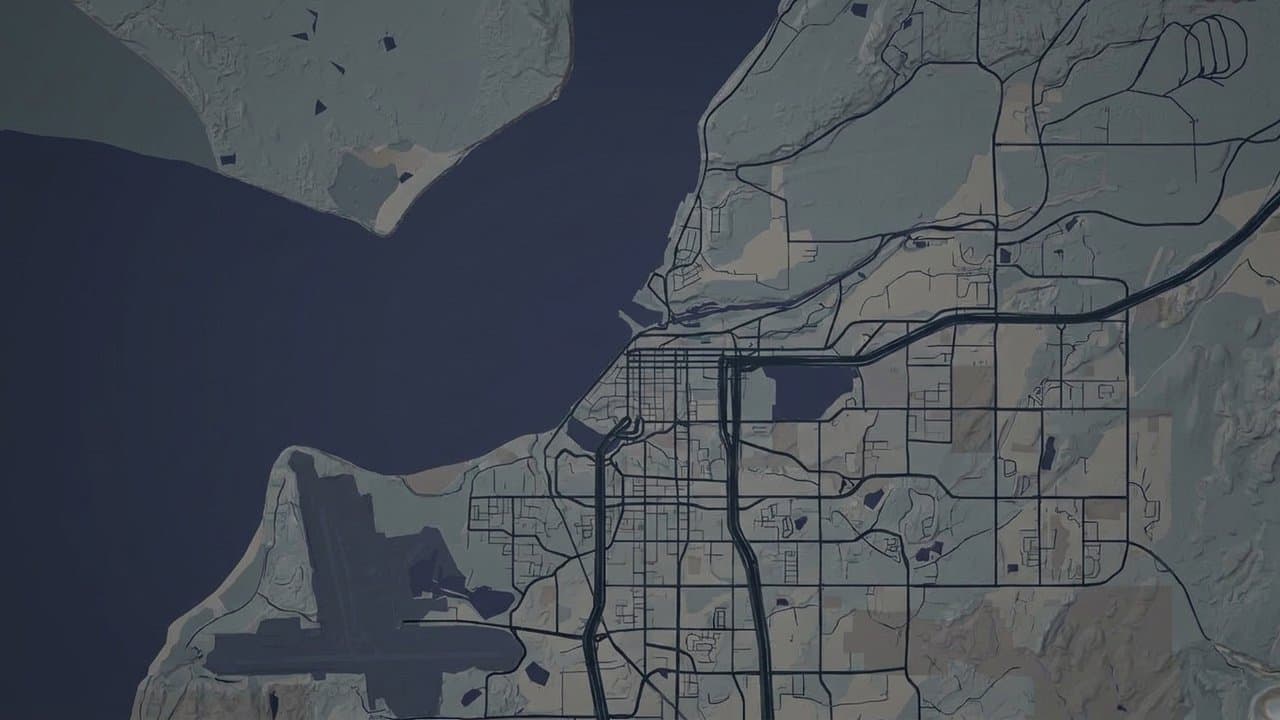
Editorial map (Gemini + Google Maps)
Anchorage overlay developers would pay full cost of water and sewer extensions, AWWU says
Developers who build under Anchorage's proposed Missing Middle Housing Opportunity Overlay would pay the full cost of any water or sewer extension their projects need, David Persinger, general manager of the Anchorage Water and Wastewater Utility (AWWU), told Assembly Member Erin Baldwin Day in a Sept. 30 memo.
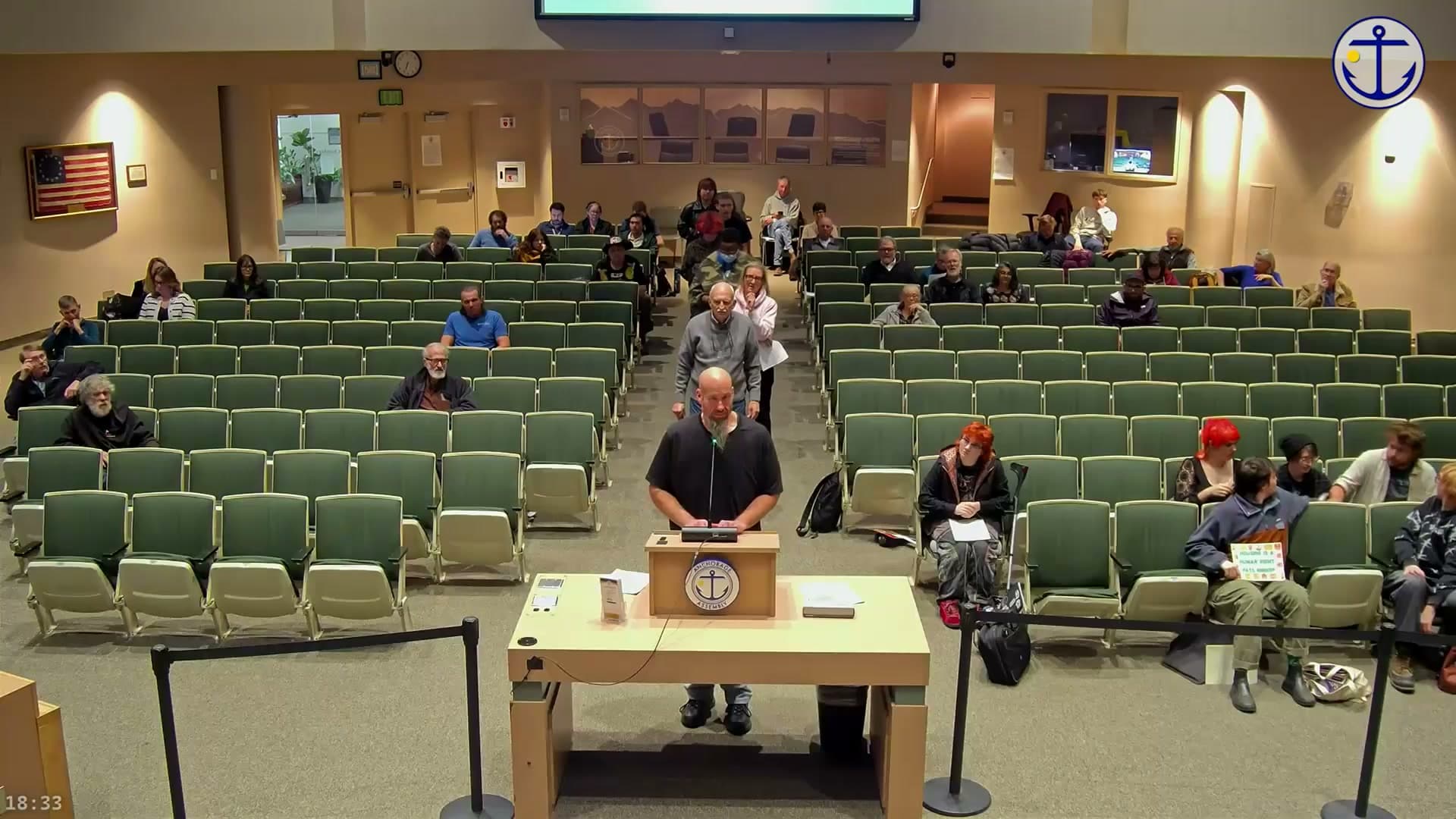
The Anchorage Assembly is scheduled to take up the overlay Wednesday, Nov. 4. Alaska News reported Oct. 8 that the Assembly had postponed its vote to that date. The public hearing closed Oct. 7, and members now have a substitute version before them, submitted by Assembly Member Janice Park.
Baldwin Day, who sponsored the ordinance with Assembly Member George Martinez, forwarded the memo to the Assembly as an informational memorandum.
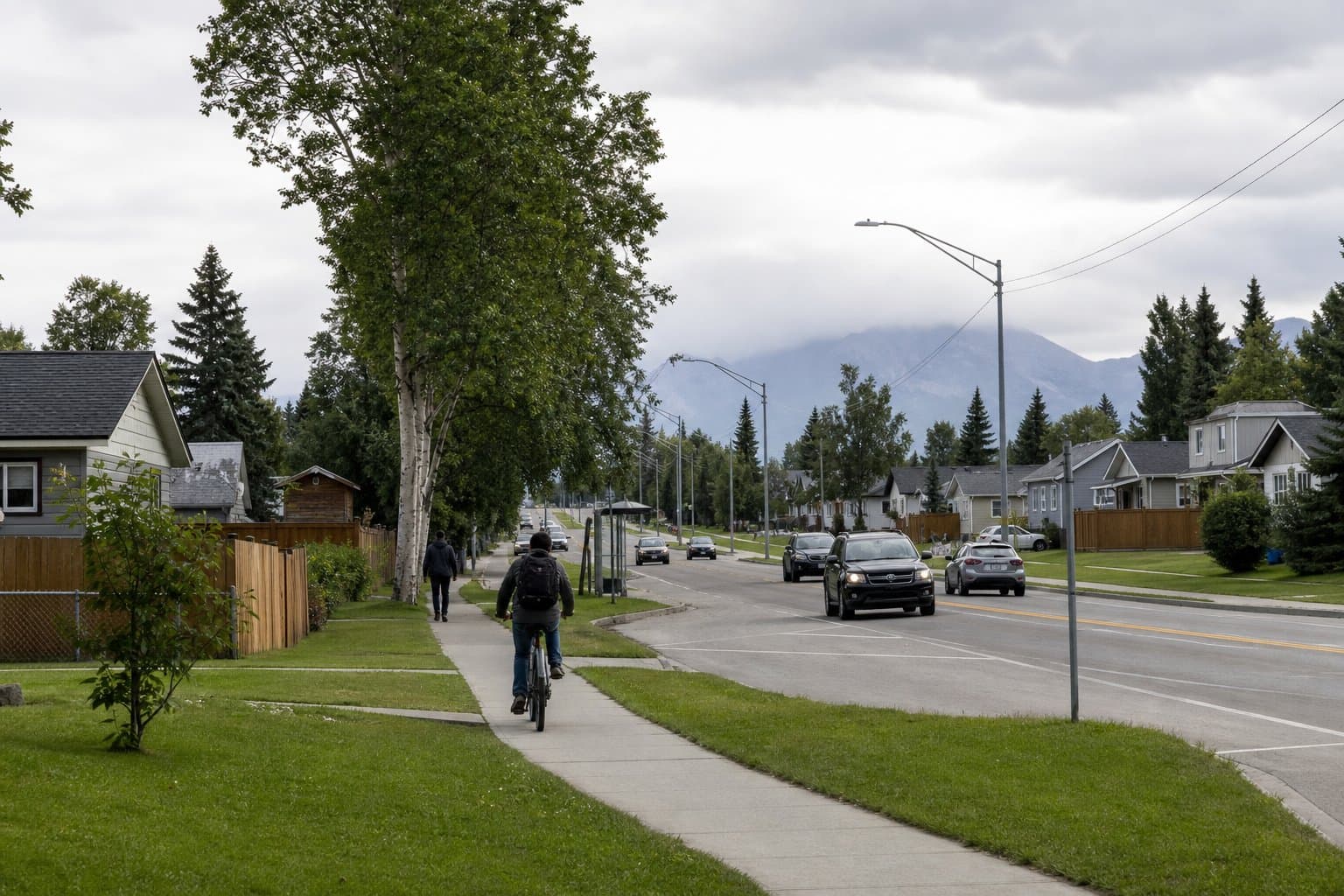
The overlay loosens height, lot size and lot coverage standards along transit corridors without rezoning the land beneath it. Under the ordinance, buildings could reach 40 feet, or 30 feet where the underlying zone is R-1, and lot coverage in R-1 areas would rise to 70% from 40%. The municipality's Summary of Economic Effects says it reaches about 28,000 residential parcels, 45% of all residential parcels in the municipality.
The cost rule comes from the utility's state-regulated tariffs, not the ordinance. The Regulatory Commission of Alaska economically regulates AWWU, and the "basic premise" of that regulation is that the "cost causer is the cost payer," Persinger wrote. A developer whose project needs an extension carries the full cost of design, permitting and construction, so the cost of new infrastructure is not shifted onto existing ratepayers.
In some cases, the memo says, AWWU can share costs through an Infrastructure Coordination Agreement when the work also benefits existing ratepayers.
"Developing on one side of an arterial road can be feasible while financially restrictive across the street," Persinger wrote. Because every site differs, AWWU cannot provide a set method for connections, he wrote, and developers should meet with its Planning Division before buying property.
The question came up at a Sept. 11 work session, when Park asked whether infrastructure costs would fall on the developer, the property owner or the city. Daniel McKenna-Foster of the municipality's Long Range Planning answered that "AWU doesn't pay for people to connect to their water" and that the connection cost is generally borne by new development. By his recollection of the latest master plan, he said, "the AWU system as it exists has plenty of capacity."
Extension costs can run higher than expected. At an Aug. 27 Commonwealth North housing panel, Tyler Robinson said AWWU had estimated a water main extension to serve 40 homes his group had just broken ground on at around $400,000. The bid came back at $900,000.
Source: Anchorage Water and Wastewater Utility, Anchorage Water and Wastewater Utility: Missing Middle Housing Opportunity Overlay and AWWU Infrastructure.
Made by our human newsroom with AI. How humans and AI work here · Grow with our newsroom
Get Alaska News in your inbox
The day’s top stories, around 6 each morning, in a few minutes’ read. Free, and every email has a one-click unsubscribe.






Comments
Sign in to leave a comment.
No comments yet. Be the first to share your thoughts.