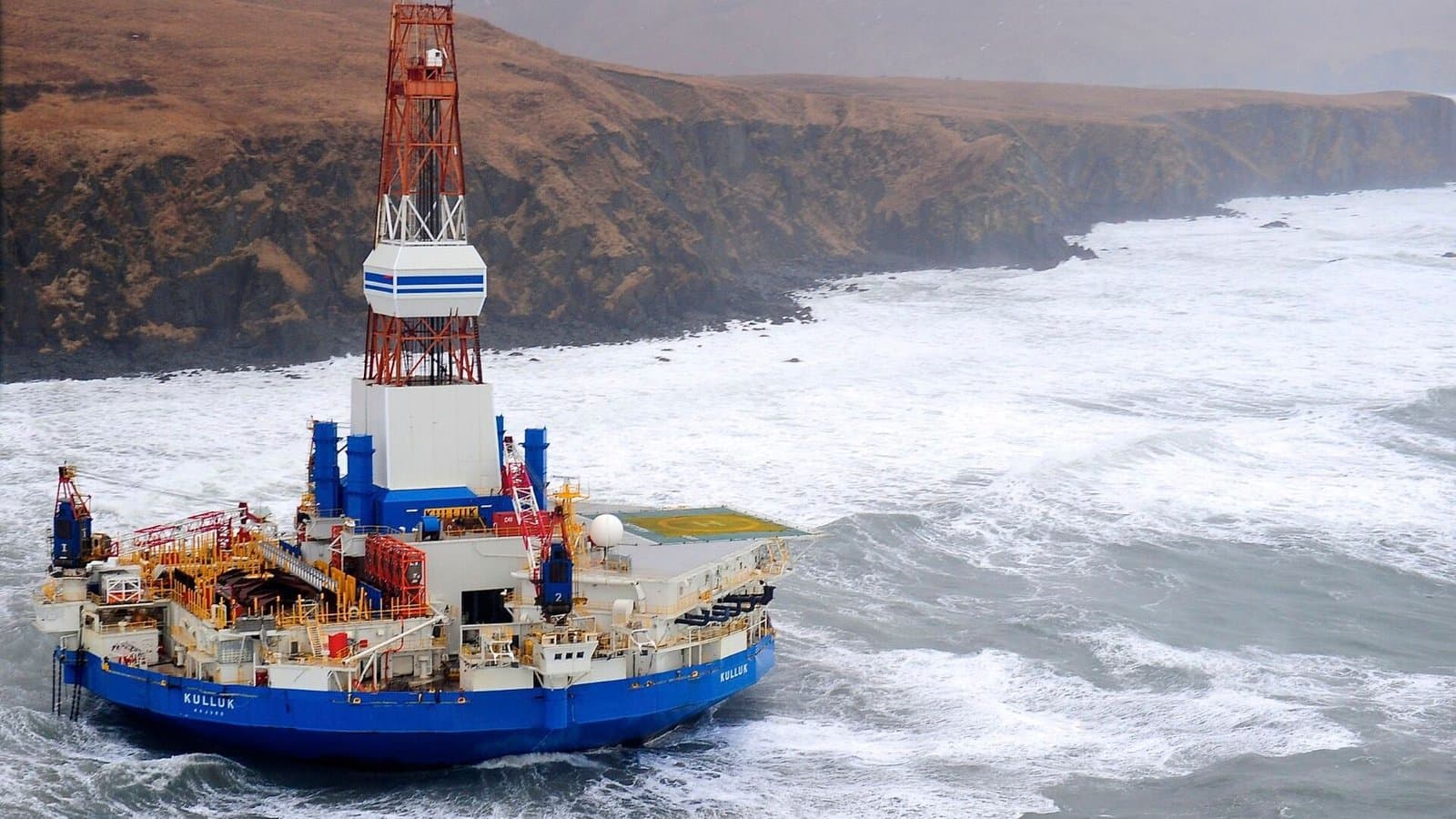
Photo: U.S. Coast Guard photo by Petty Officer 1st Class Sara Francis via Wikimedia Commons · Photo source · Public domain
Alaska proposes excluding fracking, drilling pad costs from oil property tax values
Oil and gas companies could leave the cost of fracking, completing wells and building drilling pads out of the value the state taxes, under a regulation the Alaska Department of Revenue proposed Thursday.
The state taxes oil and gas property at 2% of its assessed value. For decades, its rule has left out "intangible drilling expenses," costs like wages, fuel and hauling that have no salvage value. But it doesn't say exactly where drilling ends, a state board found in 2016.
The board was ruling on a tax appeal over the Oooguruk field, built on an artificial island off the North Slope. The North Slope Borough argued that well completion costs should be taxed. The operator, Caelus Natural Resources Alaska, argued more of its gravel and engineering costs should be left out. Across all the issues in the appeal, the borough valued the property at $755 million for 2014, the state at $409 million and Caelus at $142 million.
The State Assessment Review Board mostly sided with the state, saying it had discretion to decide "where drilling stops and development begins." It also wrote that it "would encourage the department to adopt language in its regulations."
The proposal would draw the line at a well's initial completion. Hydraulic fracturing, installing completion equipment, flowback, well testing and repeated completion attempts would all count as intangible drilling expenses. So would the cost of building drilling pads and the access roads needed to move drilling equipment, including some gravel work. Pads and roads that serve other purposes too would need a "reasonable, documented method" to split the costs.
Casing, drilling tools and other equipment with salvage value would still count toward taxable value. So would work on wells after their initial completion, routine operations and separate production and processing facilities.
The department says the change would reflect "specified federal drilling and development cost categories" and clear up ambiguity. Its fiscal note projects no change in state revenue through fiscal 2029 and doesn't explain why.
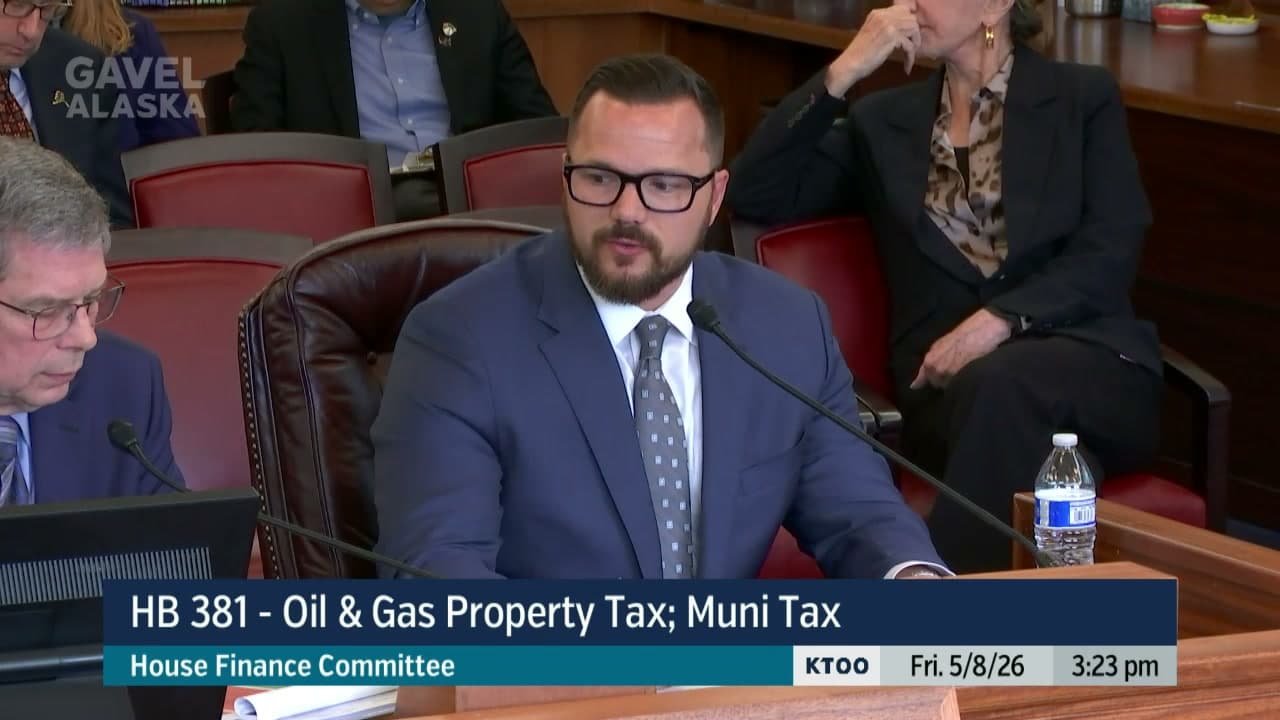
North Slope Borough Mayor Josiah Patkotak told the House Finance Committee in May that the argument over how intangible drilling expenses are defined was among his concerns.
Comments are due Nov. 30 through the state's online notice. The department can then adopt the proposal, change it or drop it.
Source: Alaska Department of Revenue, Alaska Department of Revenue: Notice Of Proposed Regulations Change: Intangible Drilling Expenses.
Made by our human newsroom with AI. Reviewed by Cale Green. How humans and AI work here · Grow with our newsroom
Stay informed. Support what matters.
Free local news you can verify. Support Walter AlaskaNews and go ad-free.






Comments
Sign in to leave a comment.
No comments yet. Be the first to share your thoughts.