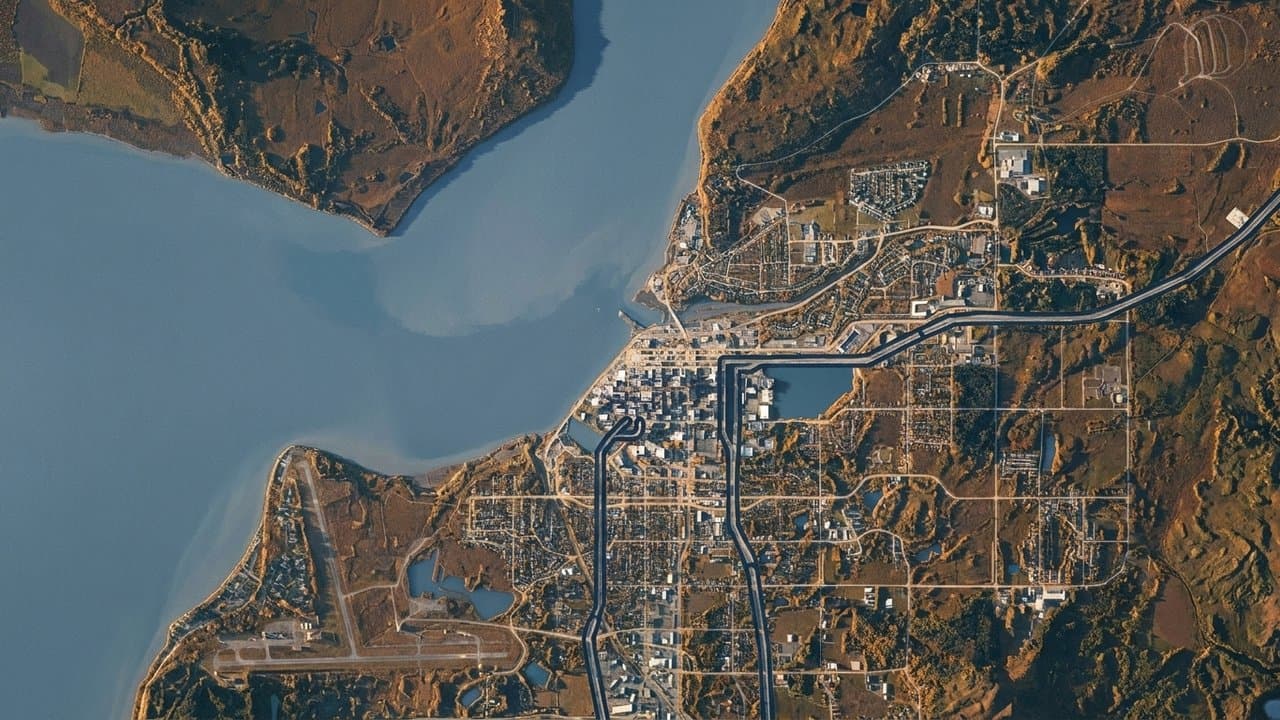
AI image
Alaska gets $3.2 million for crime victim services, less than half its 2018 share
The U.S. Justice Department has committed nearly $4 million to Alaska to help crime victims: $3.2 million for shelters, counseling and advocacy across the state, and $750,000 toward victims' medical bills, funerals, lost wages and other costs.
The bigger grant is less than half what Alaska got for the same purpose eight years ago. The state's 2018 victim assistance award was about $7.9 million, according to USAspending.gov, the federal spending database. Since then it has ranged from about $2.1 million to $5.5 million a year.
The Justice Department's Office of Justice Programs committed both grants to the Alaska Department of Public Safety on Sept. 17. None of the money had been paid out as of the records' last update; the grants run through September 2029.
The state passes the assistance money on to local organizations and public agencies that offer crisis counseling, shelter, therapy, help navigating the court system and referrals, according to the federal award record. The federal Office for Victims of Crime lists the department's Council on Domestic Violence and Sexual Assault as Alaska's assistance program.
Victim service programs in Alaska served 7,170 people in 2025 and provided 93,206 nights of shelter, according to the council's plan for separate federal violence-against-women funding.
Both grants come from the federal Crime Victims Fund, which is filled with fines, fees and penalties paid by federal offenders. Deposits dropped starting in 2018, and the fund's balance fell every year through 2023, according to the Congressional Research Service. As the balance fell, so did the amount Congress let the fund pay out. A 2021 law added penalties from federal deferred-prosecution and non-prosecution agreements, and the balance has risen since 2023.
Each state's assistance grant starts with a $500,000 base; the rest is divided by population.
The smaller grant goes to the state's Violent Crimes Compensation Board, which reimburses victims and their families for costs tied to a violent crime that insurance, restitution or other sources don't cover. In the year that ended June 30, 2025, the board received 860 new applications, kept helping 603 cases from earlier years and paid out $1,066,506, according to its annual report. Mental health care, funerals and relocation were the biggest expenses.
The board is paid for entirely through fines and fees from convicted offenders, the report says. The state's share comes from an account funded mainly by Permanent Fund dividends withheld from people convicted of crimes, so it rises and falls with the size of the dividend.
The federal compensation grant is based on what Alaska paid victims two years earlier: 75% of it. This year's $750,000 reflects $1,000,608 the state paid out in fiscal 2024, according to the Office for Victims of Crime's allocation chart. Last year's federal compensation grant was $244,000.
Applications to the board have risen 43.6% since 2023, the annual report says. At her confirmation hearing in March, board member Anna Cometa told the House Judiciary Committee the board faces "a fiscal cliff just like many, many organizations throughout the state of Alaska," according to the hearing transcript.
Other federal victim services money has been committed to Alaska groups this fall. Fifteen tribes and Native-serving groups were awarded about $4.4 million over five years, and the state's domestic violence and sexual assault network has $3.5 million to pass on to 24 local programs.
What did you make of this story? (no account needed)
Made by our human newsroom with AI. Reviewed by Cale Green. How humans and AI work here · Grow with our newsroom ·
Keep Alaska News free for everyone.
No paywall, ever. Members pay so everyone can read the meetings and records Alaska News covers.
Get Alaska News in your inbox
Create your free account and get the day’s top stories around 6 each morning, in a few minutes’ read.
Top stories, around 6 each morning.
Stories on what you follow, on Sundays.
Source: U.S. Department of Justice.








Comments
Sign in to leave a comment.
No comments yet. Be the first to share your thoughts.