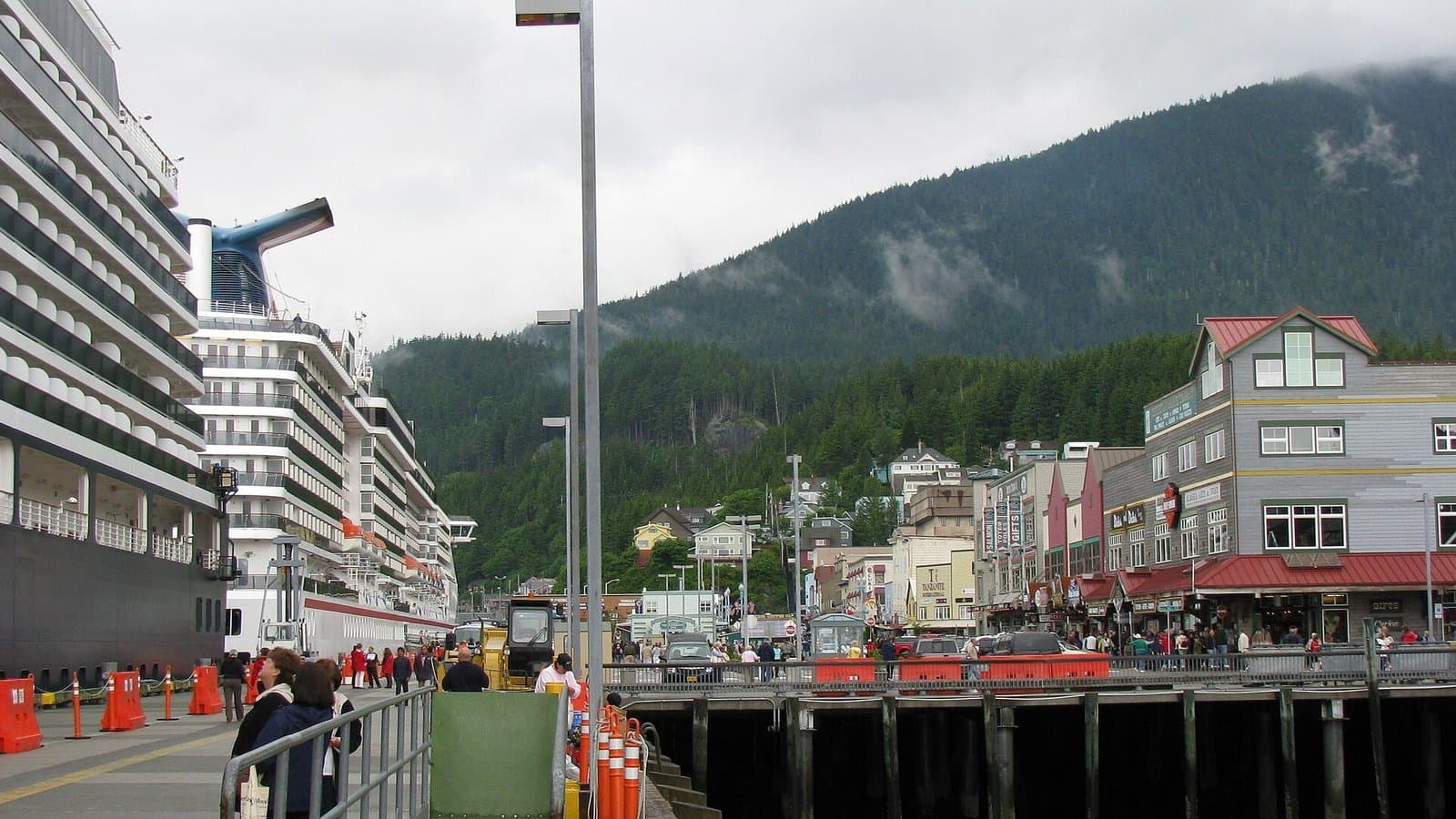
Photo: Barek via Wikimedia Commons · Photo source · Public domain
Ketchikan projects cruise passenger wharfage fees will bring in about $25 million in 2029
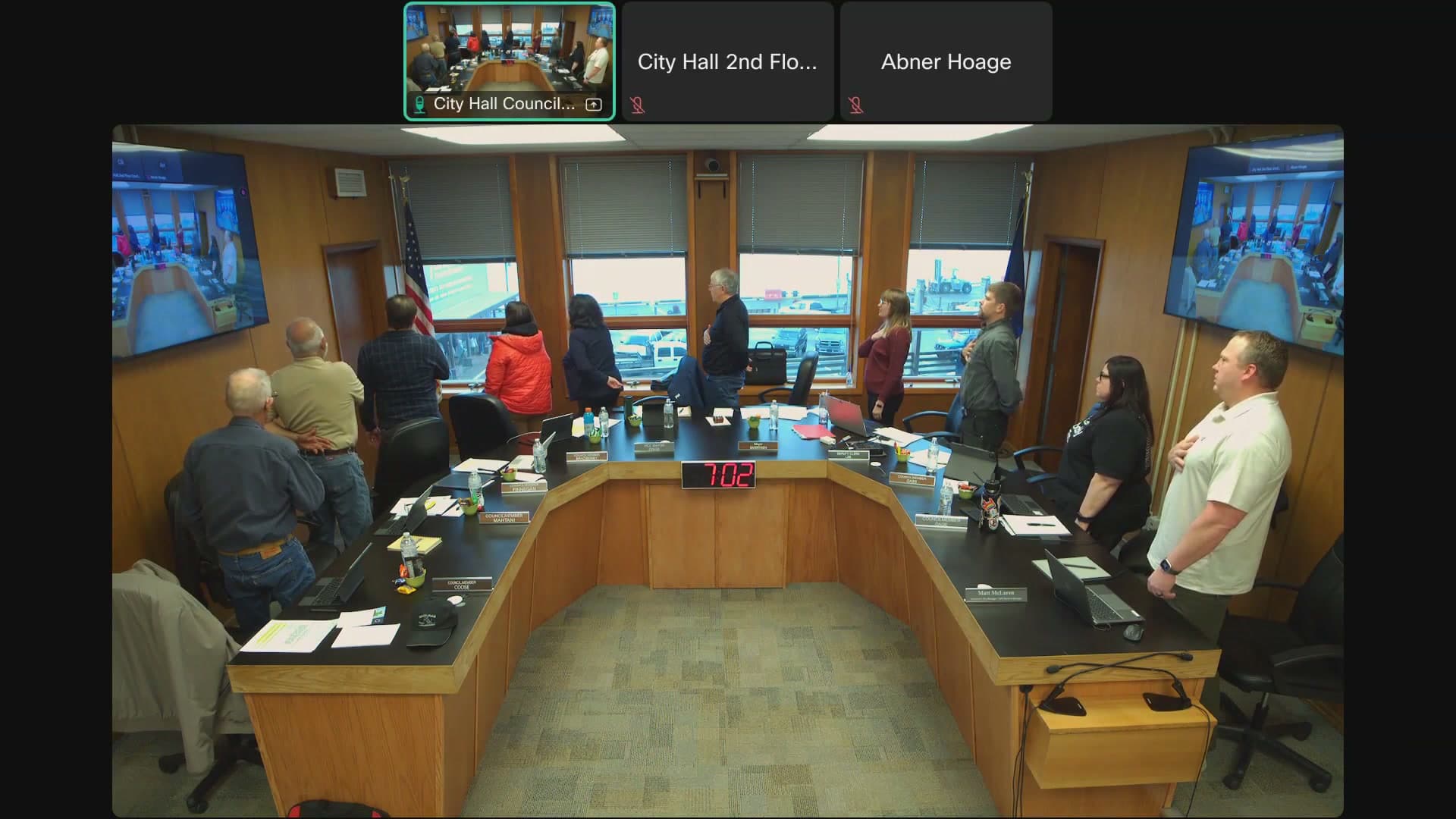
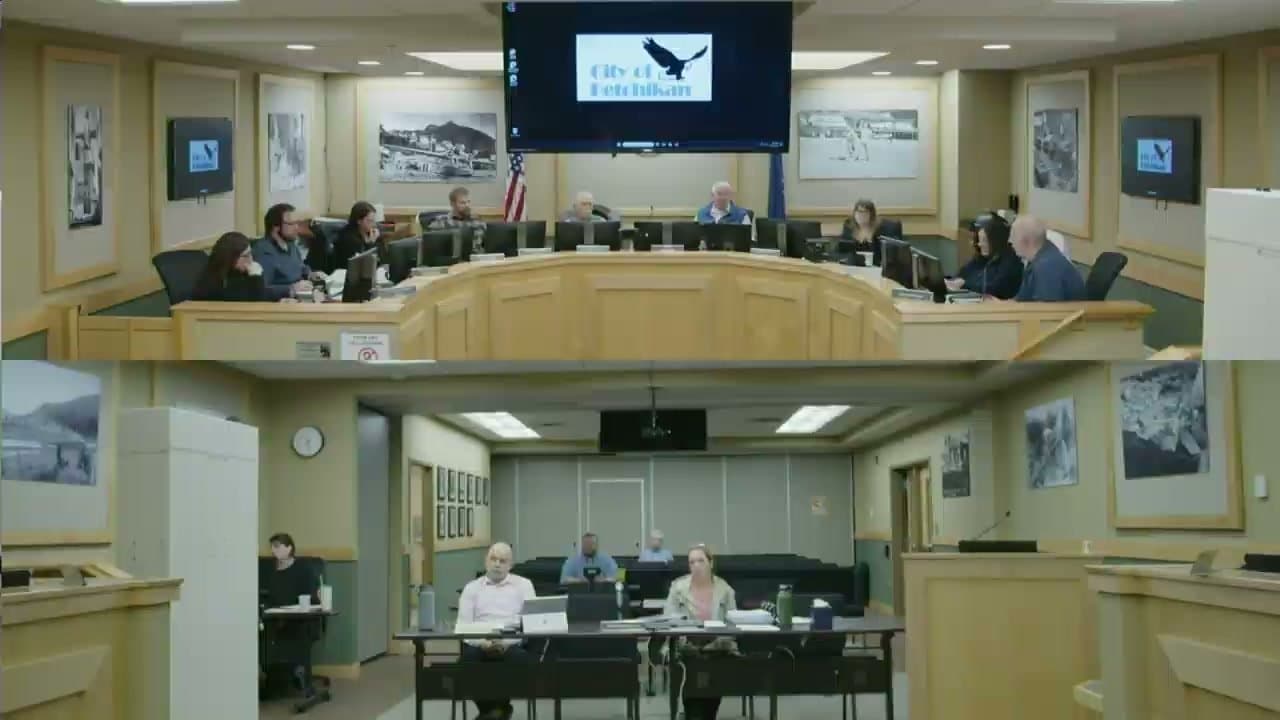
Ketchikan expects its cruise passenger wharfage fees to bring in about $25 million in 2029, up from about $15.6 million this year. City staff gave that projection to the Cruise Lines International Association, or CLIA, at a joint work session with the City Council on Tuesday.
The projection rests on a rate schedule the city adopted in August 2025. The fee for each passenger off a docked ship climbs from $13 to $21 by 2029, about 62% higher. The fee for lightered passengers, those brought ashore by tender, rises from $10 to $17, about 70% higher.
The 2026 Port of Ketchikan rate schedule sets the docked fee at $15 in 2027 and $18 in 2028. The staff projection assumes about 1.2 million docked passengers a year and counts revenue before Berth IV lease payments, operations and debt service.
The fees fall under a five-year agreement with CLIA that the council approved May 7. It took effect Oct. 6 and runs through 2031. New fees or increases must be announced at least 18 months before they take effect.
The agreement limits wharfage spending to costs that directly benefit the marine operation of vessels, a standard city staff trace to a 2018 federal court order allowing the fees to fund services to the vessel rather than tourism services that benefit only passengers. Examples include passenger and crew safety projects, port electrification, and restrooms and shelter for passengers. Spending decisions rest with the city.
For other uses, the city must send CLIA a written proposal by Feb. 1 and a final request list by April 1. CLIA must respond in writing by May 1. If it does not, the city may go ahead.
At the same meeting, the city took up a September council request to pay for humanitarian and homelessness grants from the state-shared Commercial Passenger Vessel tax instead of the General Fund. That tax is separate from wharfage fees and governed by state law. City staff concluded the grants fall outside both funding sources, and CLIA agreed in a written statement: "Current law does not support this use of CPV funds or passenger wharfage fees." Staff listed other options for the council, including shifting eligible General Fund costs to the vessel tax to free up money for grants.
Staff aim to bring a prioritized five-year port capital plan to the next joint meeting, planned for April 20 or 21, 2027.
What did you make of this story? (no account needed)
Made by our human newsroom with AI. How humans and AI work here · Grow with our newsroom ·
Keep Alaska News free for everyone.
No paywall, ever. Members pay so everyone can read the meetings and records Alaska News covers.
Get Alaska News in your inbox
Create your free account and get the day’s top stories around 6 each morning, in a few minutes’ read.
Top stories, around 6 each morning.
Stories on what you follow, on Sundays.
Source: City of Ketchikan.







Comments
Sign in to leave a comment.
No comments yet. Be the first to share your thoughts.