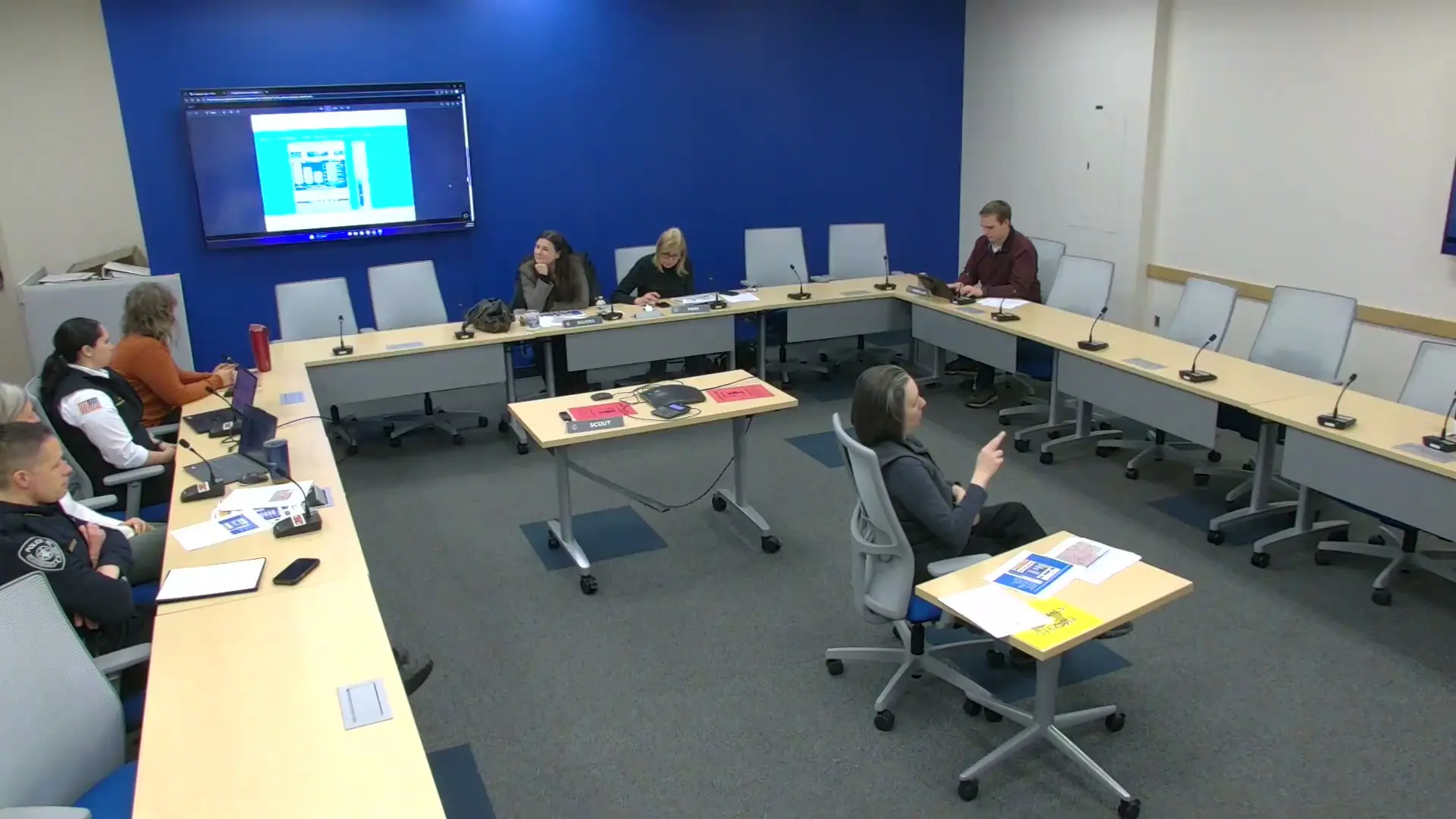
Frame from "Anchorage Assembly: Health & Homelessness Committee Meeting" · Photo source
Anchorage delays homeless housing vouchers until a case-management contract is in place
The Anchorage Health Department will hold off launching its new homelessness-to-housing voucher program until a case-management contract is in place, likely in March. Jed Drolet, the department's community systems program manager, gave the Anchorage Assembly Health and Homelessness Committee the new timeline Wednesday.
The program, a partnership with the Alaska Housing Finance Corporation, would provide about 40 vouchers a year. The Municipality and AHFC would each put in $250,000, according to a June 2026 committee presentation. The city's share is federal HOME housing money set aside for rental assistance, according to the Assembly packet for July 21. The vouchers are meant for people experiencing homelessness who are ready for housing. Case managers would refer them, and continuing case management is a requirement of the vouchers, according to the department's October presentation.
Drolet said the decision to tie the launch to the case-management contract followed guidance from the administration and Assembly Member Erin Baldwin Day, who has been part of the discussions. The goal, he said, is to make sure case management is available for everyone who receives a voucher.
At the committee's Oct. 21 meeting, Baldwin Day questioned whether existing case management would be enough. "And if the goal here is to help people move from homelessness to stability, that doesn't feel sufficient," she said then. Two days later, at an Assembly budget work session, Thea Agnew-Bemben, special assistant to Mayor Suzanne LaFrance, said the program should start "hopefully in the next couple months."
The department plans to issue a request for proposals, a competitive solicitation, for an experienced nonprofit to provide the case management. That partner would serve voucher holders and other case-management needs in the homelessness response system. Community Development Block Grant public service money would pay for it. Drolet said the contract should reach the Assembly in February or at the first meeting in March.
The AHFC agreement is further along. Drolet said the department still expects to bring it to the Assembly for approval Dec. 15, though complications could push that back.
The staff member who presented the program to the committee last month has moved to a new role within the department. Drolet said his team cannot fill the position and is reshuffling its work, which is changing timelines for several projects.
Assembly Member Yarrow Silvers, who chairs the committee, welcomed the pairing. "I'm happy to hear that you're doing the case management alongside the voucher program, because from some of the stuff that I've looked at, some of the statistics, it's more successful in being able to keep people housed when you pair it with case management," Silvers said.
Agnew-Bemben mentioned the vouchers later in the meeting. "It might seem like it's taking a while, but believe me, I've been waiting probably 15 years for that to happen," she said.
The department also expects to bring the Assembly a change to its federal housing plan, the HUD Action Plan, in January. The 2026 plan left more than $1.2 million with no specific projects assigned, to be decided later. The amendment would fund a housing redevelopment program: demolishing derelict or uninhabitable properties, rehabilitating homes for owners under income limits, and a redevelopment track that would pilot modular housing. Silvers accepted Drolet's offer of a fuller update on both programs at the committee's December meeting.
What did you make of this story? (no account needed)
Made by our human newsroom with AI. How humans and AI work here · Grow with our newsroom · Transcript byWalter AlaskaNews
Keep Alaska News free for everyone.
No paywall, ever. Members pay so everyone can read the meetings and records Alaska News covers.
Get Alaska News in your inbox
Create your free account and get the day’s top stories around 6 each morning, in a few minutes’ read.
Top stories, around 6 each morning.
Stories on what you follow, on Sundays.
This article is based on a public meeting of Municipality of Anchorage — Anchorage Assembly: Health & Homelessness Committee Meeting ().

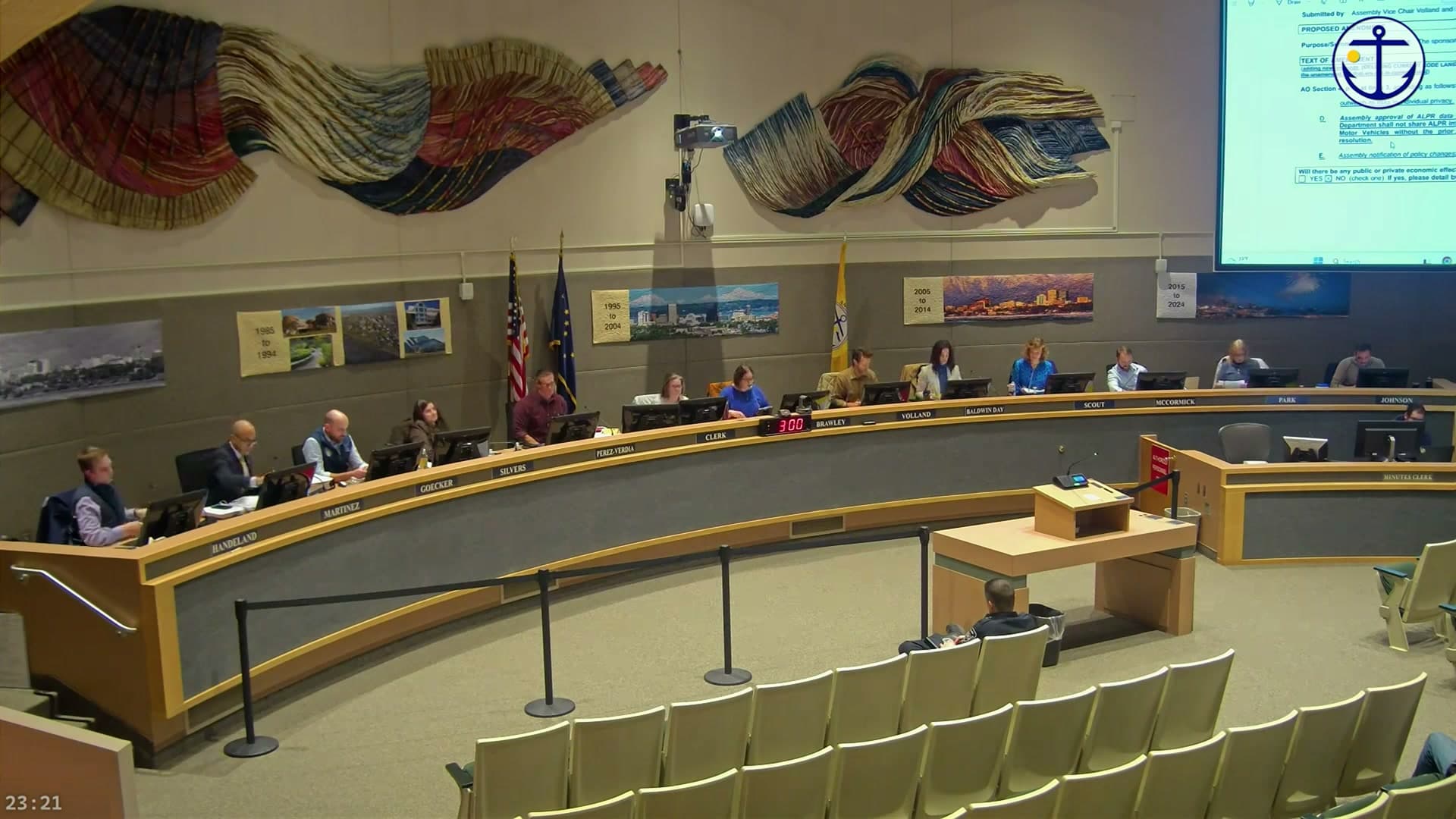




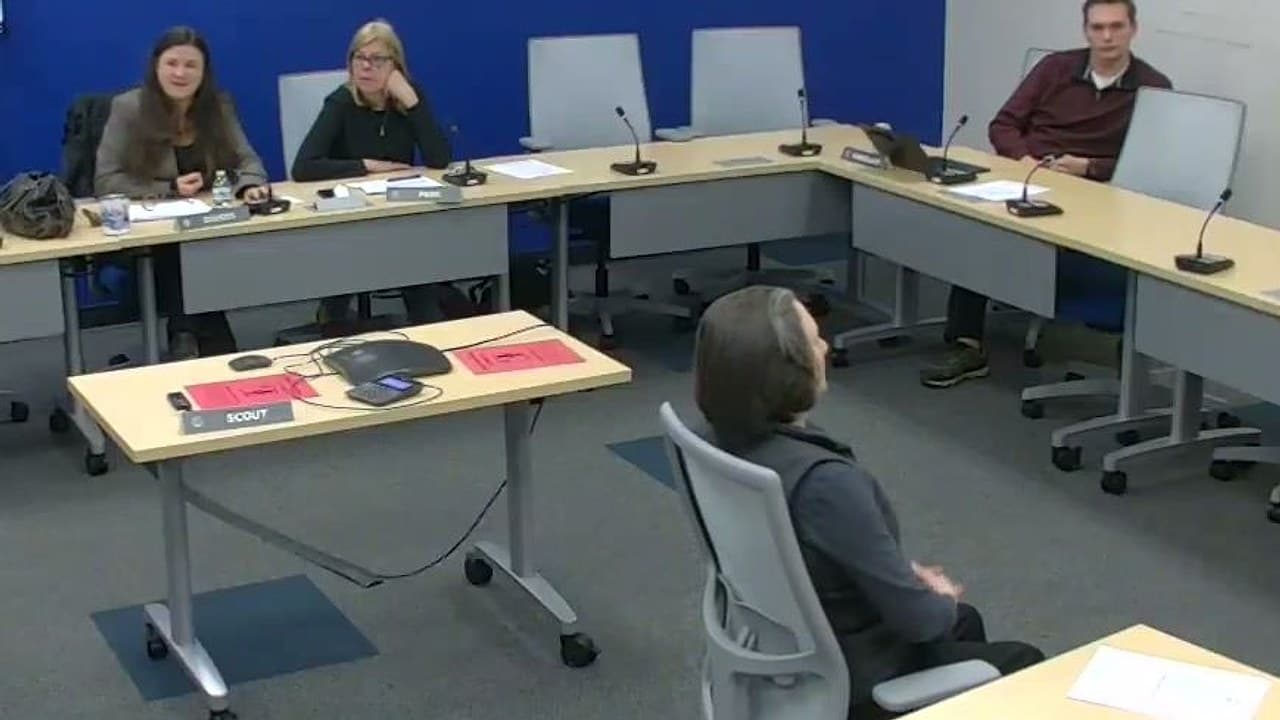







Comments
Sign in to leave a comment.
No comments yet. Be the first to share your thoughts.