AI image
Alaska anglers may have to keep rockfish, lingcod and kings identifiable until the dock
Alaska anglers who keep rockfish, lingcod or king salmon may soon have to bring their catch back to the dock with enough skin on to tell what kind of fish it is.
The Alaska Board of Fisheries on Friday published notice of the proposed statewide sport-fishing rule. Boat anglers would have to keep their catch that way until the boat ties up where the fish will be offloaded. Shore anglers would have to keep it that way until they leave the spot.
The point, in the notice's words, is to allow "species identification and determination of carcass length" before fish leave the boat or the beach.
Anglers could still fillet their catch, as long as the skin stays on each fillet. They could still eat or preserve fish aboard a boat, too.
For lingcod and king salmon taken where there are size limits, the proposed regulation text goes further. The head, backbone and tail would have to stay together in one piece, so the fish's full length can be measured.
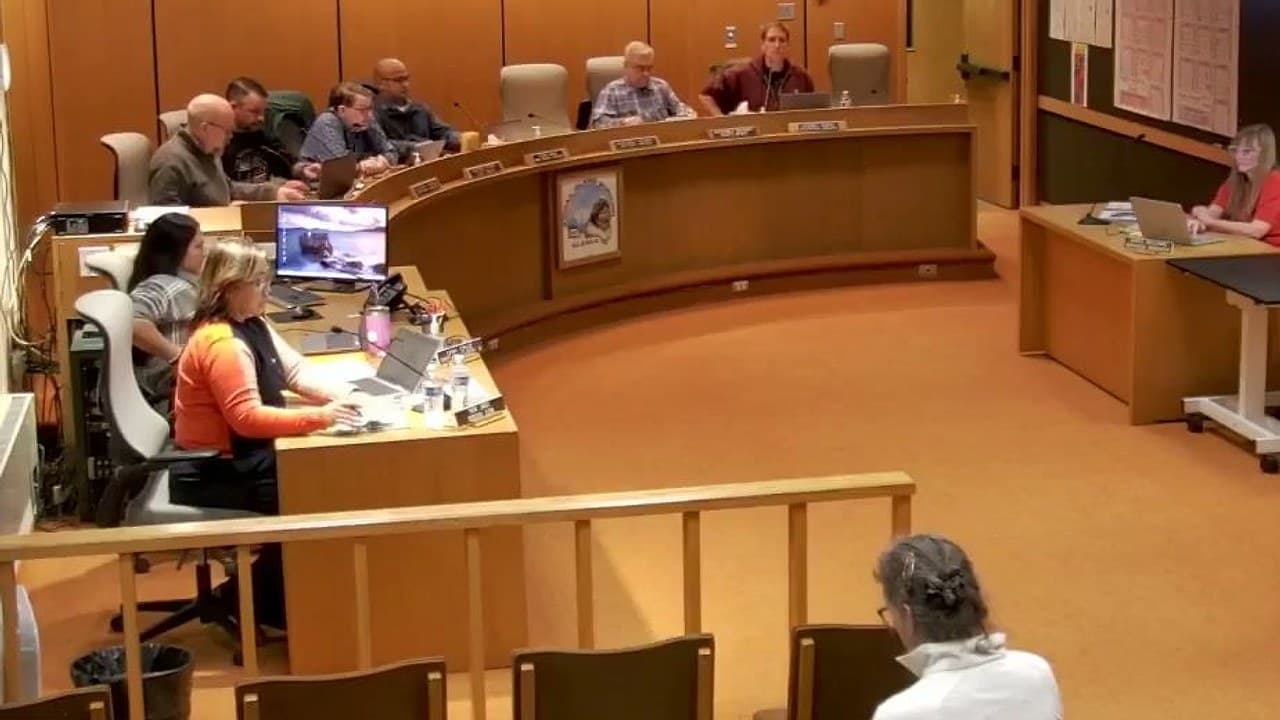
When the board approved the language in March, a board member asked whether the head could come off and was told the carcass would have to stay whole, according to the March 21 meeting record.
Department staff said anglers who might now dump carcasses at sea would have to carry them back to the dock. That already happens in Southeast fisheries, where emergency orders bar filleting at sea.
The rule was printed in the 2026 sport fishing booklet, but in June several rules in that booklet still lacked final legal approval and could not be enforced. Friday's notice opens the public comment step in that process.
A companion change would align the sport-fishing definition of rockfish with the statewide one and drop a separate list of pelagic rockfish species, the kinds that live in open water rather than near the bottom.
The same notice covers commercial changes from the March meeting, including the Central District drift gillnet management plan in Cook Inlet and definitions for slinky pots and mechanical jigging machines.
None of this is final. After comment closes, the board may adopt the rules, adopt different language on the same subjects without further notice, or take no action. Written comments are due by 11:59 pm Dec. 22 through the board's comment portal.
What did you make of this story? (no account needed)
Made by our human newsroom with AI. Reviewed by Cale Green. How humans and AI work here · Grow with our newsroom ·
Keep Alaska News free for everyone.
No paywall, ever. Members pay so everyone can read the meetings and records Alaska News covers.
Get Alaska News in your inbox
Create your free account and get the day’s top stories around 6 each morning, in a few minutes’ read.
Top stories, around 6 each morning.
Stories on what you follow, on Sundays.
Based on a press release from Alaska Department of Fish and Game.










Comments
Sign in to leave a comment.
No comments yet. Be the first to share your thoughts.