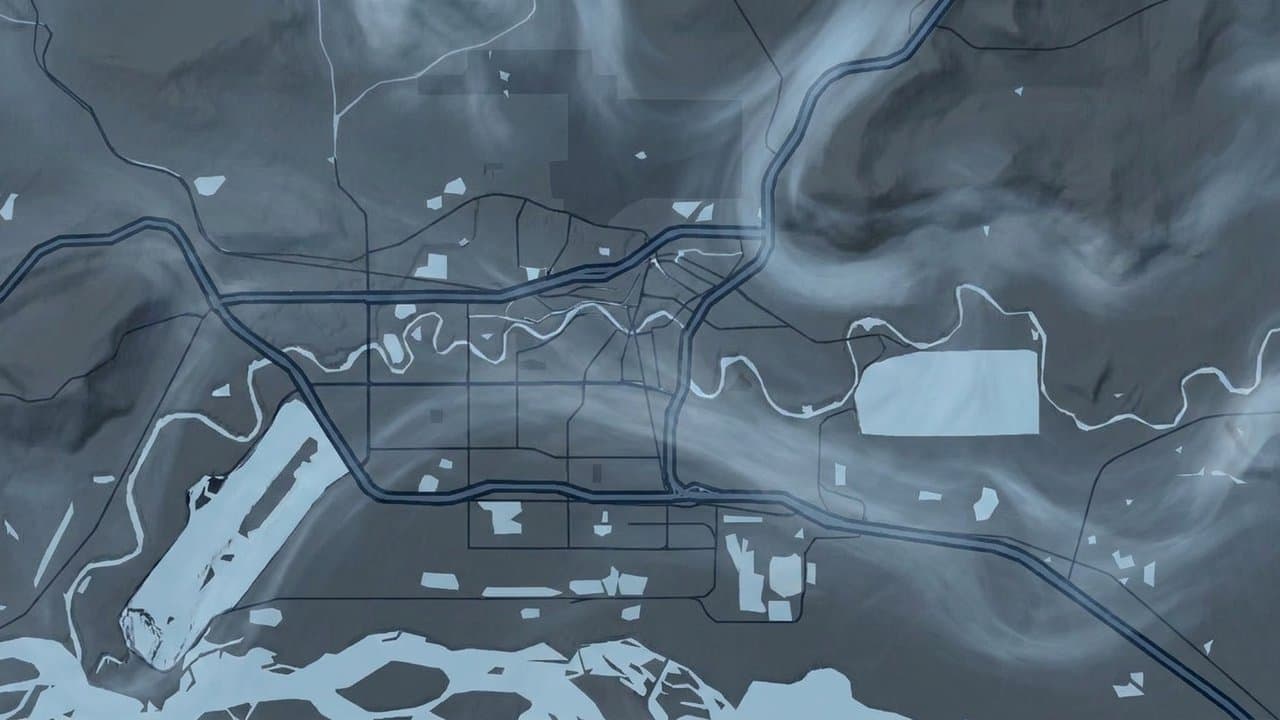
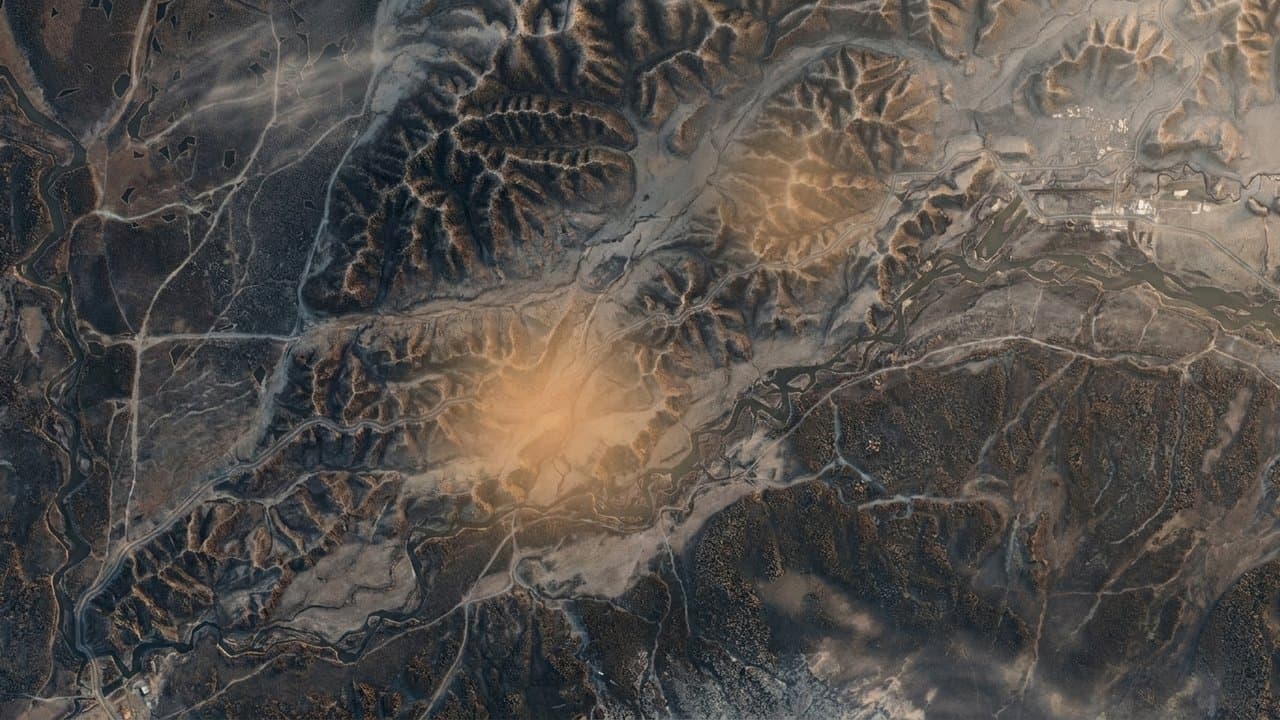
Editorial map (Gemini + Google Maps)
UAF study finds Fairbanks winter air turns over within hours, even in inversions
University of Alaska Fairbanks researchers have found that polluted air near the ground in Fairbanks is replaced by cleaner air within hours, even during severe winter temperature inversions, the university said Thursday.
"New pollution is being emitted into the air, and that is what you are breathing," said William Simpson, a UAF atmospheric and environmental chemist who co-authored the research. "The bad smell you smell was really emitted just a couple hours ago." The findings could help air quality officials decide which pollution sources to target, according to the university's Geophysical Institute.
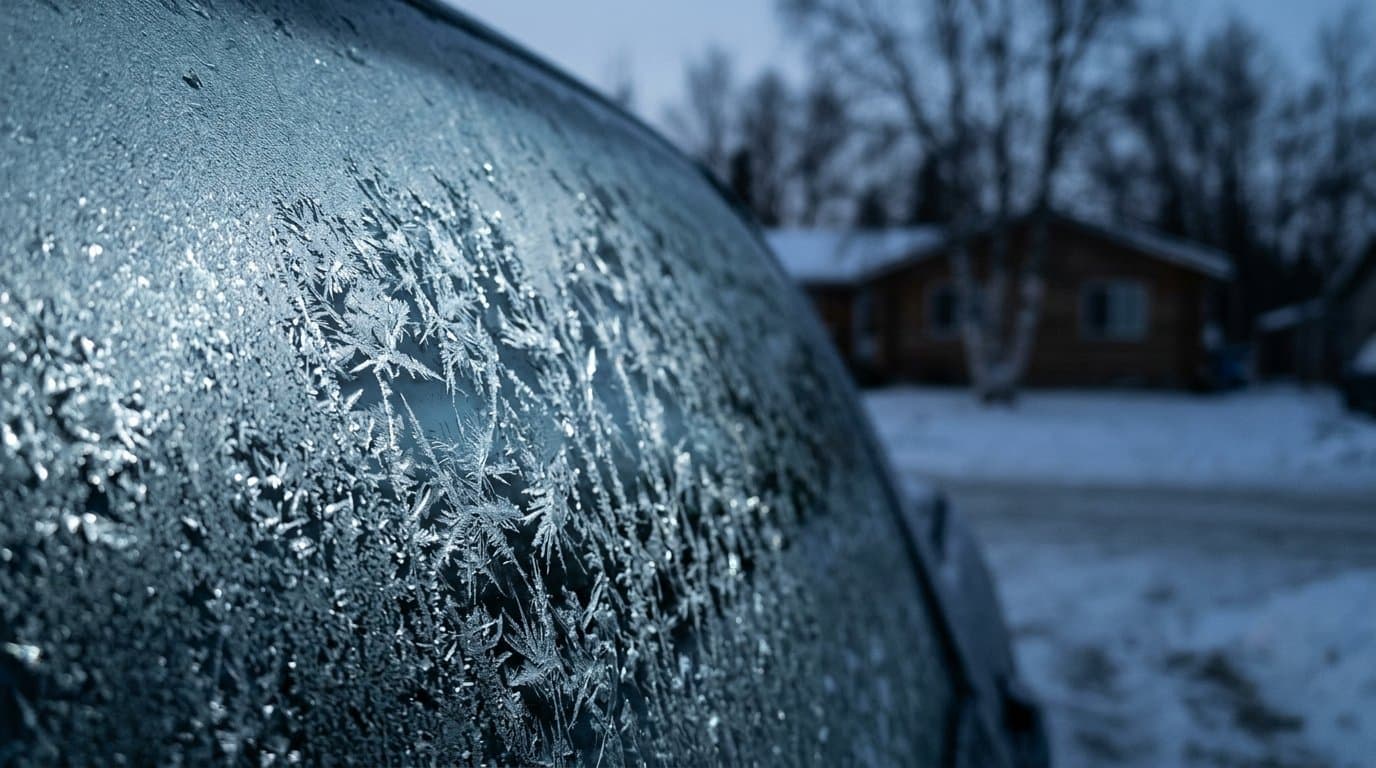
An inversion happens when warmer air sits on top of colder air near the ground, trapping pollution close to the surface, the institute said. Simpson compares Fairbanks to a bathtub with a drain that carries pollution out of town. "An inversion slows the outflow, like a clog in the drain," he said. "Then the pollution builds up because it's still being emitted faster than it can be flushed away."
Computer modeling of a five-day stretch of heavy pollution showed air typically stayed in the shallow polluted layer near the ground for 30 minutes to 3 1/2 hours before cleaner air replaced it. That timing helps officials understand two kinds of pollution, the institute said. Primary pollutants come straight from sources such as wood stoves and vehicles. Secondary pollutants form when chemicals react in the air.
"A short residence time means you're going to have more problems from the primary emissions and not as much problem from the secondary processes because there wasn't enough time to form them," Simpson said.
The study tracked three secondary pollutants: nitrate, secondary sulfate and hydroxymethanesulfonate. Some pollutants leave before they can react, but the steady exchange of air can also sustain the reactions that form secondary sulfate and hydroxymethanesulfonate. Even the slow movement of air during an inversion helps keep pollution from reaching even higher levels, Simpson said.
The researchers also tested emission cuts in the model. Cutting nitrogen oxide emissions in the shallow layer can change the chemistry and "even increase" secondary nitrate and sulfate, according to the published paper's abstract, a finding the institute's release does not mention. An earlier preprint of the paper says those emissions come mostly from road traffic.
In the preprint's model, switching to lower-sulfur heating oil would cut overall sulfate, since much of it is emitted directly, but more sulfate would then form in the air, offsetting the drop in sulfur dioxide. Cutting organic particle emissions, such as those from wood burning, would also slow the formation of sulfate and hydroxymethanesulfonate. The authors note uncertainties in how sulfur reacts in the particles.
The state's cleanup plan, approved by EPA, counts mainly on replacing wood stoves, curtailing burning and switching from No. 2 fuel oil to lower-sulfur No. 1, according to EPA.
Parts of the borough have failed the federal 24-hour standard for fine particles, which are small enough to lodge deep in the lungs, since 2009, and the deadline to meet it is Dec. 31, 2027. This month EPA proposed finding that Fairbanks and Goldstream Valley now meet the standard and splitting them from North Pole, which does not.
The work grew out of a 2022 field campaign, the Alaskan Layered Pollution and Chemical Analysis project, in which nearly 50 U.S. and European scientists spent seven weeks in Fairbanks. Environmental Science & Technology published the paper July 23.
"For pollution control strategies, you need to know whether the pollutant you're interested in is directly emitted or forming in the atmosphere," Simpson said.
What did you make of this story? (no account needed)
Made by our human newsroom with AI. How humans and AI work here · Grow with our newsroom ·
Keep Alaska News free for everyone.
No paywall, ever. Members pay so everyone can read the meetings and records Alaska News covers.
Get Alaska News in your inbox
Create your free account and get the day’s top stories around 6 each morning, in a few minutes’ read.
Top stories, around 6 each morning.
Stories on what you follow, on Sundays.
Source: UAF Geophysical Institute news, UAF study finds Fairbanks winter air is replaced within hours even in inversions, so what residents breathe was mostly just emitted.






Comments
Sign in to leave a comment.
No comments yet. Be the first to share your thoughts.