AI image
A Seward Highway rebuild that doubled to $1.4 billion is back on Anchorage's plan, over objections
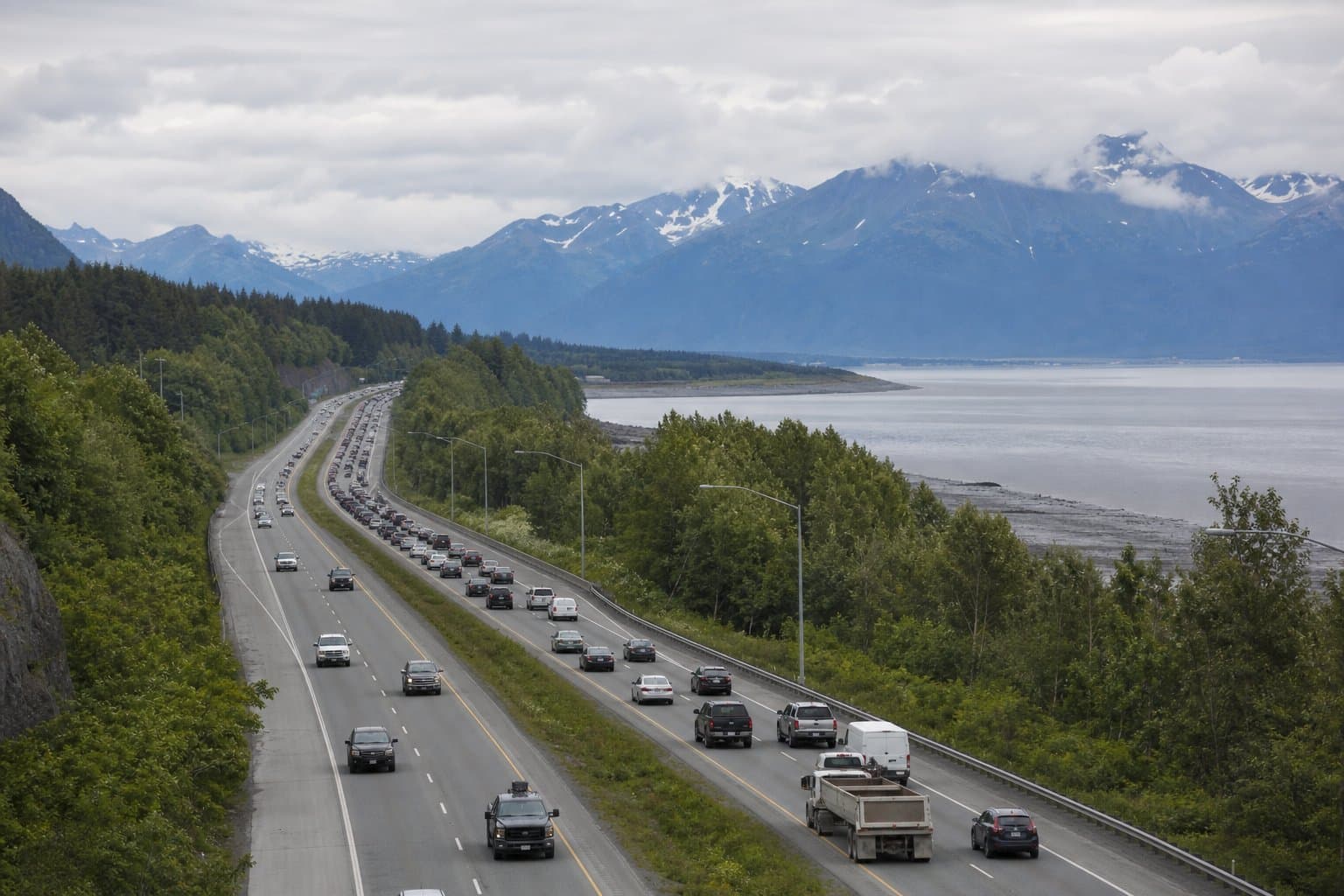
A rebuild of the Seward Highway south of Anchorage — now estimated at $1.4 billion, more than double its cost two years ago — is back in the region's long-range transportation plan, put there this month on a narrow 3-2 vote over objections that the money would be better spent elsewhere and that the public has been ignored.
The cost is the flashpoint. Assembly member Daniel Volland told the transportation committee the project was budgeted at about $694 million in the 2024 plan and now runs to $1.4 billion in the draft environmental study — a stretch of highway that would take roughly 24 to 25 years to build at $65 million to $75 million a year. Design work alone has already cost $16.5 million, with another $50 million expected, and Volland questioned how much of it is even federally eligible. The state's transportation department, which is proposing the project, says it intends to fund the whole thing with federal money without crowding out other work.
The objections went beyond the price. Assembly member Erin Baldwin Day said the corridor "does not even crack the top 30 most dangerous sections of road" on the national highway system, and that every Anchorage district has a road with more crashes and deaths — questioning why this stretch is the priority. She said the department's written response to public and committee concerns read as "more of a dismissal of concern" than a real reckoning with it. A move to postpone the decision failed.
Running underneath is a sense that the public hasn't been heard. Anchorage's public works director, who voted for the project, said the committee got to this contentious point largely because residents don't feel their comments registered, and pointed to a commitment from the state transportation commissioner to hold a separate, design-focused public meeting if the project moves ahead. He asked the department to honor that.
The department, for its part, says public opposition alone doesn't decide the outcome. Its representative told the committee the real test is whether the project's underlying purpose still holds up and whether the plan is "solidly defensible" — "not necessarily a public voting process." The current design is a four-lane divided highway; residents and an advisory committee had pushed the department to look at a smaller three-lane option.
The vote was only a planning step, not final approval — nothing is settled until federal environmental sign-off. The plan returns to the committee Thursday for another round of review and public comment before any final decision.
Source: AMATS.
AI-assisted. How we use AI
Stay informed. Support what matters.
Free, permanent access to local news you can verify. Subscribe to support Walter AlaskaNews and go ad-free.
Related Coverage
A $1.5 billion Seward Highway plan pits safety against the Turnagain Arm viewshed
Alaska News · 2mo ago
The state is drilling test holes for a Seward Highway fix, as a bigger $1.5 billion plan draws fire
Alaska News · 1mo ago
A $1.5 billion Seward Highway rebuild goes to public comment Sept. 22
Alaska News · 1mo ago
Lawmakers press state on Safer Seward Highway project's size and funding as DOT reopens comment
Alaska News · 1w ago
The 5th and 6th avenue rebuild just hit $370 million — and even planners are flagging "scope creep"
Alaska News · 1mo ago
Comments
Sign in to leave a comment.
No comments yet. Be the first to share your thoughts.