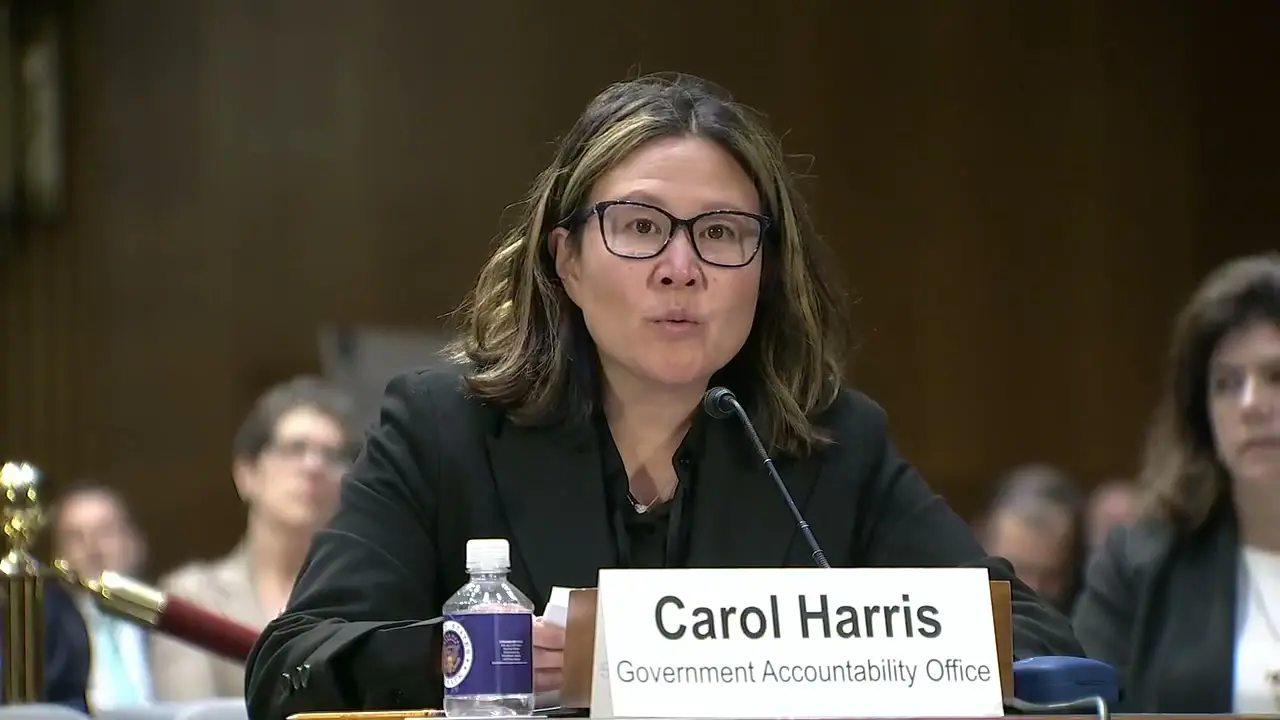
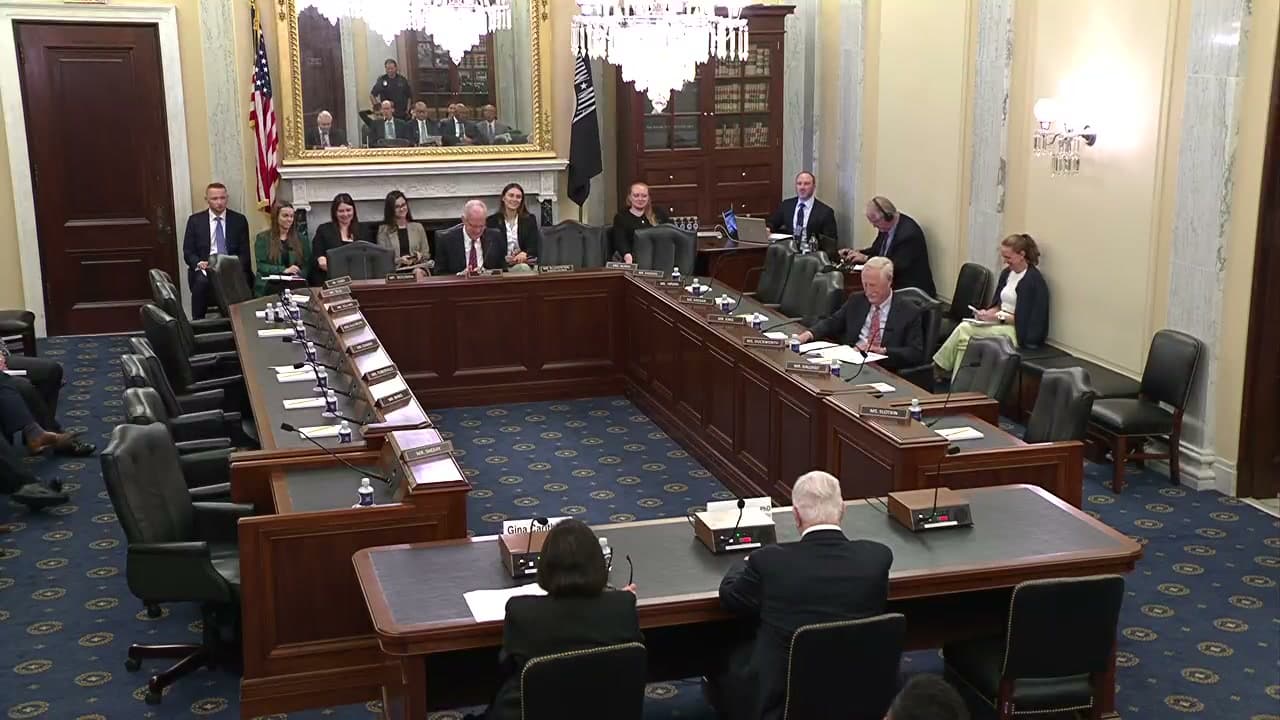
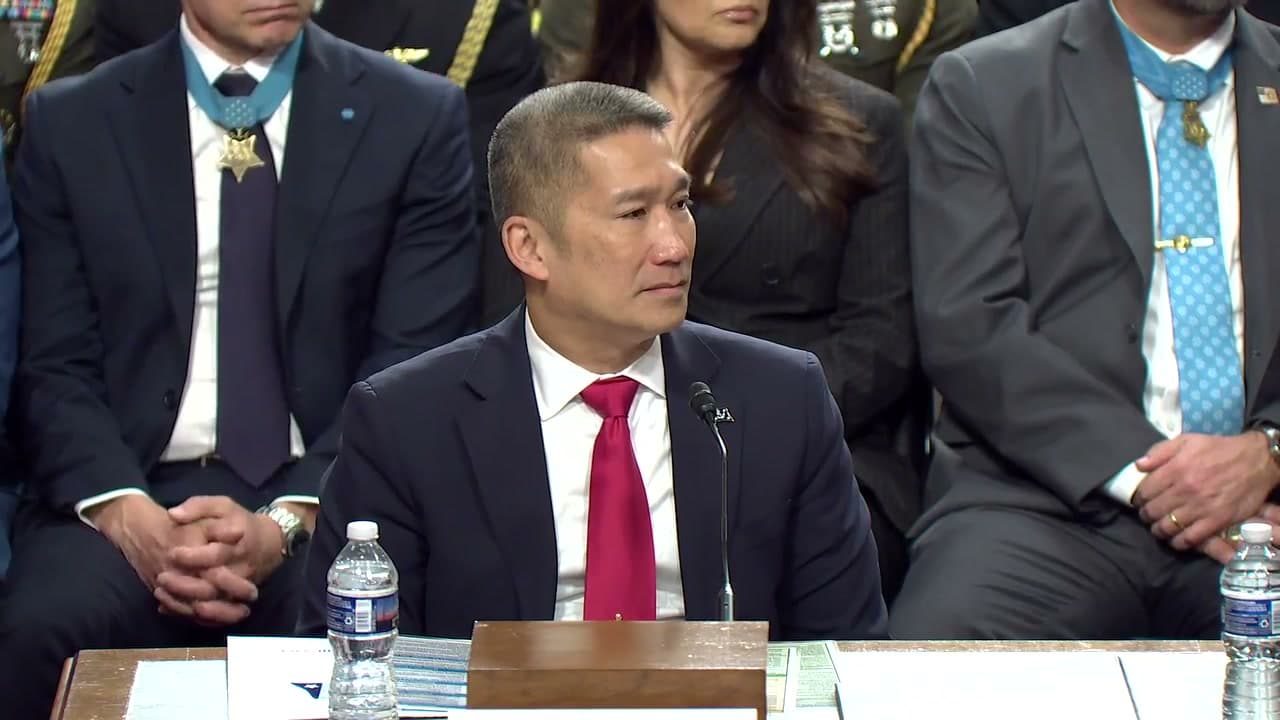
Frame from "Senate Veterans' Affairs: Hearings to examine VA accountability and transparency" · Photo source
Watchdog doubts VA's $56.5 billion health record estimate weeks after Alaska's switch
The new health record system Alaska's VA switched to last month will likely cost more than the $56.5 billion the Department of Veterans Affairs projects, a federal watchdog told senators Wednesday.
"I'm not confident that the $56.5 billion estimate is realistic, largely because we have not seen the underlying documentation," Carol Harris, who directs information technology work at the Government Accountability Office, told the Senate Veterans' Affairs Committee.
For Alaska veterans, the system is already here. The Alaska VA switched over Oct. 24. It now covers more than 27,000 veterans at the Anchorage medical center, four clinics and a residential treatment program. It also puts the Alaska VA on the same system as the military hospital at Joint Base Elmendorf-Richardson, so "we can share records with them," the Alaska VA's acting director said then.
Next year the system is scheduled to reach the VA in the Seattle area. Sen. Patty Murray, D-Wash., said Puget Sound is the specialty care hub for Alaska, Idaho and Montana; Alaska veterans who need specialized cancer care that Anchorage can't provide are usually referred there. Murray, who said the system's first rollout in Spokane "literally put veterans' lives in danger," told VA and Oracle officials she is "watching like a hawk."
The $56.5 billion is the VA's estimate of the system's lifetime cost: $37.2 billion to reach all 170 VA medical centers by 2031, and $19.3 billion to run it for 10 more years after that, according to GAO's testimony.
Harris said there were "red flags." The VA assumes 2% inflation, which she said federally published inflation figures "do not show whatsoever." Parts of the work, including dental care and appointment scheduling, still aren't defined. "Do I think the costs are going to go up? The answer is yes," she said, though she couldn't say by how much.
The VA has already raised what it can pay Oracle, the company that builds the system. In August, it lifted the ceiling on its Oracle Health contract, the most it may spend under the deal, from $10 billion to $27 billion and extended it from 2028 to May 2031, according to the contract change. Harris said the VA will reach the old $10 billion limit before the end of the year.
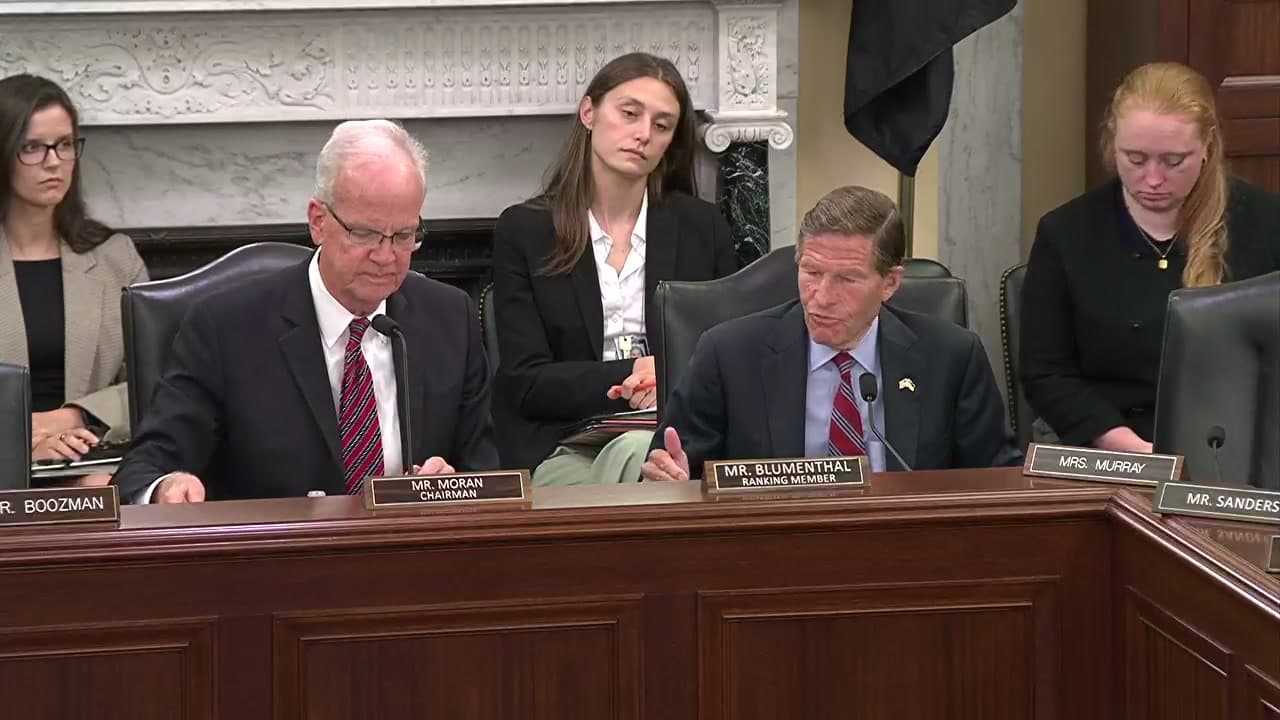
Sen. Richard Blumenthal, D-Conn., the committee's top Democrat, said Oracle's chief executive, Mike Sicilia, told the committee in 2022 that Oracle would deliver the system without going over the contracted cost. "Oracle has pocketed $9.2 billion and is asking for $17 billion more," Blumenthal said. He said Congress learned of the new ceiling from news reports, not from the VA or Oracle.
Sicilia said the job grew. When he made that promise, a month after Oracle bought Cerner, the company that originally built the system, it was meant to support 85,000 users at a time. "The new number is 195,000," he said. He said no further ceiling increases are needed.
Neil Evans, who runs the program for the VA, said the system is live at 19 medical centers and will reach 45 by the end of 2027. He called the higher ceiling "expected and necessary" and said the VA has "high confidence" it can finish within $37.2 billion. The ceiling is an authorization to spend, not a commitment, he said; actual prices are negotiated as each piece of work is ordered, and Congress still has to appropriate the money. He said there was no intentional decision not to notify Congress.
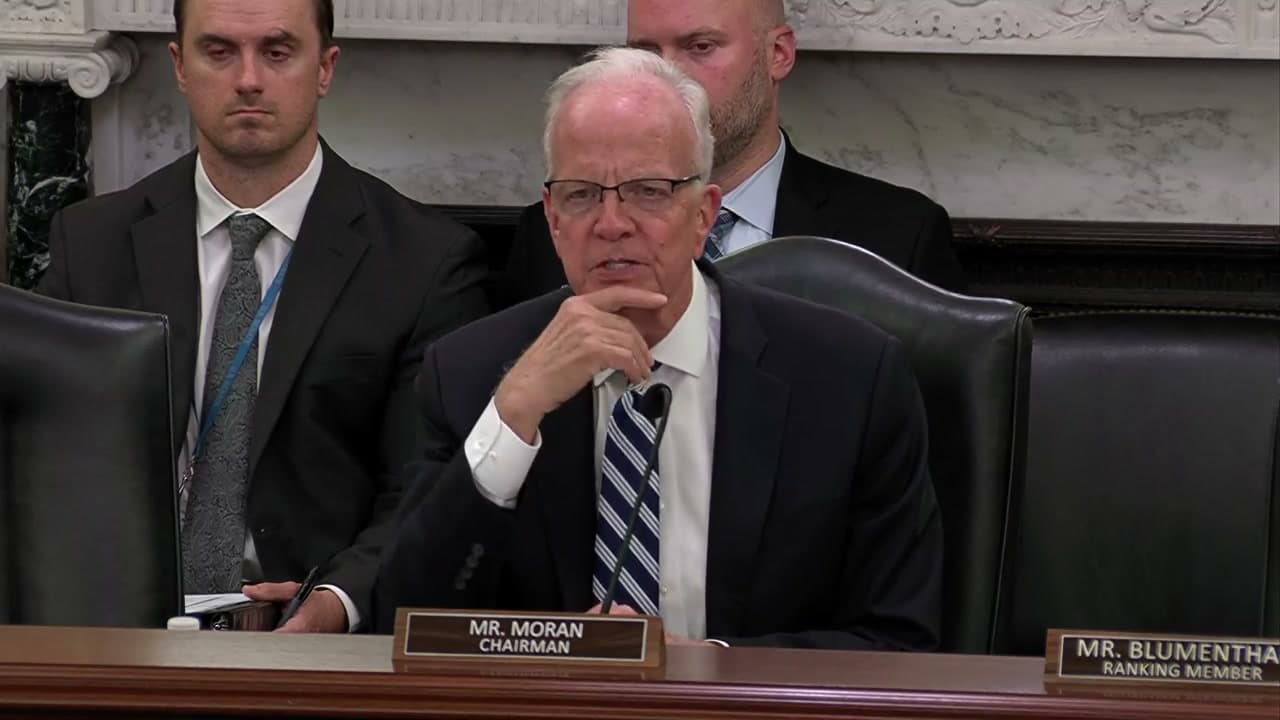
Committee Chairman Jerry Moran, R-Kan., said the committee still has no answer on what the program will cost over its full life and again asked the VA for an updated, independent cost estimate. Evans said the VA has agreed to give GAO the documents behind its numbers.
The VA's own account of Alaska's first days on the system showed some gaps. All but 537 of more than 137,000 prescription records moved over, and the Alaska VA's mental health chief estimated about 10% of mental health referrals might not have transferred.
What did you make of this story? (no account needed)
Made by our human newsroom with AI. Reviewed by Cale Green. How humans and AI work here · Grow with our newsroom · Transcript byWalter AlaskaNews
Keep Alaska News free for everyone.
No paywall, ever. Members pay so everyone can read the meetings and records Alaska News covers.
Get Alaska News in your inbox
Create your free account and get the day’s top stories around 6 each morning, in a few minutes’ read.
Top stories, around 6 each morning.
Stories on what you follow, on Sundays.
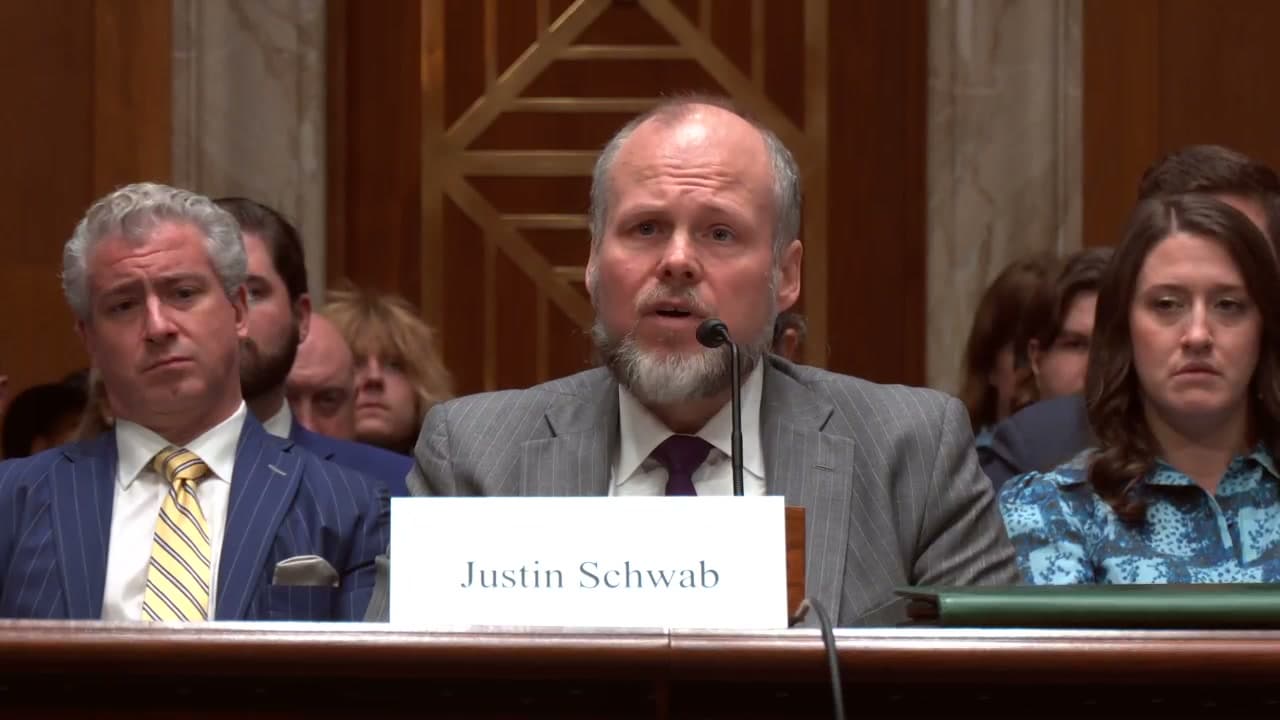
This article is based on a public meeting of Senate Veterans' Affairs — Senate Veterans' Affairs: Hearings to examine VA accountability and transparency ().
Watch key moments from the source meeting. Click to expand.




Comments
Sign in to leave a comment.
No comments yet. Be the first to share your thoughts.