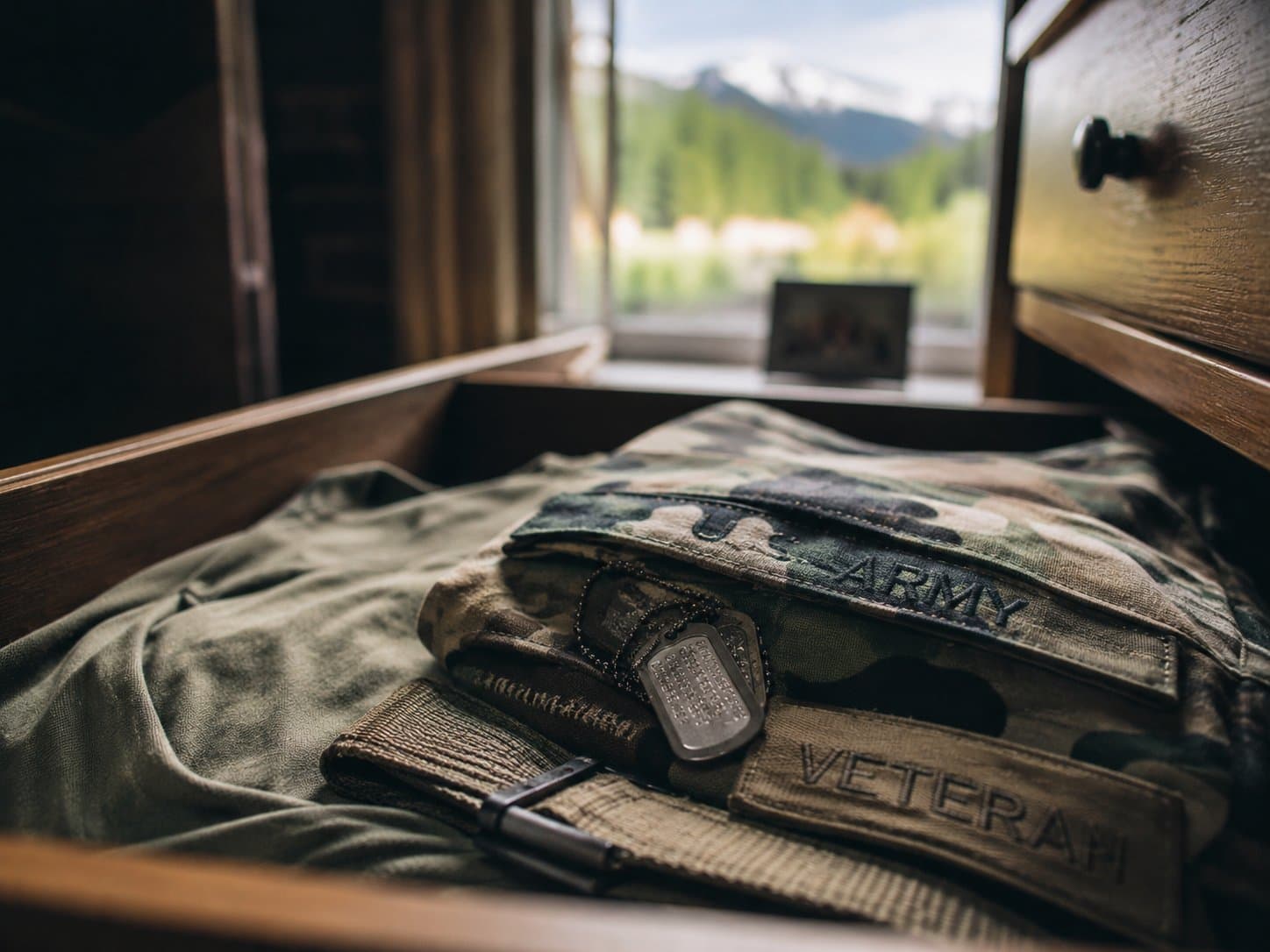
Photo by Cale Green
VA budget seeks $488 billion with 60,000 Alaska veterans facing shift toward private care
The Department of Veterans Affairs is asking Congress to approve a $488 billion budget for fiscal 2027 that would shift billions of dollars toward private healthcare for the nation's 16.5 million veterans, including roughly 60,000 who live in Alaska. The request would increase community care spending by $17 billion in the 2028 advance appropriation while holding direct care funding at VA facilities essentially flat.
Alaska veterans rely heavily on VA facilities in Anchorage and several community-based outpatient clinics across the state, with many traveling long distances for specialized care. The budget shift would affect how those veterans access treatment and which providers deliver it.
The budget request extends a pattern that has fueled recurring disputes over the past two years. Senator Richard Blumenthal, a Connecticut Democrat, noted community care funding rose from $9 billion in 2019 to more than $48 billion in the fiscal 2026 request, a 530 percent increase. In 2024, the VA sought $12 billion in supplemental appropriations for medical care, with the shortfall driven largely by community care costs.
Secretary Douglas Collins defended the request at a Senate Veterans' Affairs Committee hearing. He said the budget reflects a reorganization of how the department tracks costs rather than a move toward privatization. Collins said the VA still spends twice as much on direct care as on community care.
The new budget structure would separate administrative and contract costs that are currently commingled across accounts. The VA is proposing to move from four healthcare accounts to two in fiscal 2028, one for direct care and one for community care. Collins said the new structure would allow Congress to compare costs on an apples to apples basis for the first time.
Blumenthal raised concerns about workforce reductions. He cited figures showing roughly 35,000 VHA employees were lost in fiscal 2025, including about 1,000 doctors and 4,500 nurses, with another 15,000 employees lost in fiscal 2026. Collins said the reductions reflect better workforce management rather than cuts to needed positions.
Blumenthal said the budget prioritizes community care at the expense of direct care. He noted that more than $8 billion of the $10.9 billion increase for healthcare services in fiscal 2027 is for community care. Veterans typically prefer to receive healthcare at VA facilities, yet the funding request for direct care fails to keep pace with inflation, he said.
Collins rejected the privatization claim. He said veterans cannot go straight to community care without first enrolling in the VA system. He said the VA is following the law under the Mission Act and that community care is VA care. Collins said the VA has opened 35 new facilities in the past year and a half and that wait times have decreased across most categories.
Construction and infrastructure
The budget includes $10.4 billion in construction investment, with a proposed $2 billion increase to improve the VA's aging infrastructure. The funding includes new medical centers in Indianapolis and Manchester, New Hampshire, and $4.2 billion for electronic health records modernization. Collins said the construction funding would allow the VA to move away from incremental funding that has led to cost overruns.
Cuts to oversight and appeals
The budget also includes cuts to the Office of Inspector General and the Board of Veterans' Appeals. Blumenthal said the Board of Veterans' Appeals expects 21 percent more appeals this fiscal year but is being cut. Collins said appeals to the board have dropped from 190,000 to 102,000 and that he would work with the committee to examine how the board processes appeals.
The committee chairman raised concerns about a $100 million reduction in the State Veterans Home Grant Program, which has a backlog of more than $1.5 billion in approved priority projects. Collins said the department is working with states on the grant program.
The budget request also includes a $23 million cut to medical research. Collins said the cut reflects better accountability for the research portfolio rather than a reduction in research activity. Richard Topping, the VA's chief financial officer, said the department is tracking 4,377 research projects and that the budget request of $2.4 billion in budget authority and $979 million in VA direct funding supports the research portfolio.
The budget now moves to appropriations committees in both chambers.
This article is based on a public meeting — Senate Veterans' Affairs (Sullivan): Hearings to examine the President's proposed budget request for fiscal year 2027 and 2028 advance appropriations requests for the Department of Veterans Affairs. ().
AI-assisted. How we use AI Transcript byLucas Brown
Watch key moments from the source meeting. Click to expand.
Stay informed. Support what matters.
Free, permanent access to local news you can verify. Subscribe to support Walter AlaskaNews and go ad-free.
Related Coverage
VA research is losing staff and trials as Senate panel presses on $43M cut
Alaska News · 2mo ago
Alaska veterans fly to Seattle for cancer care. The Senate is arguing over why.
Alaska News · 2mo ago
Alaska VA tech rollout faces staffing questions ahead of October launch
Alaska News · 4mo ago
The Air Force wants a $338.8 billion budget — a 34% jump that includes a 130% Space Force boost that flows to Clear
Alaska News · 3mo ago
The Air Force wants $7 billion for fighter recapitalization at Elmendorf — but Alaska's military investments are riding on a partisan bill senators don't think will pass
Alaska News · 3mo ago
Comments
Sign in to leave a comment.
No comments yet. Be the first to share your thoughts.