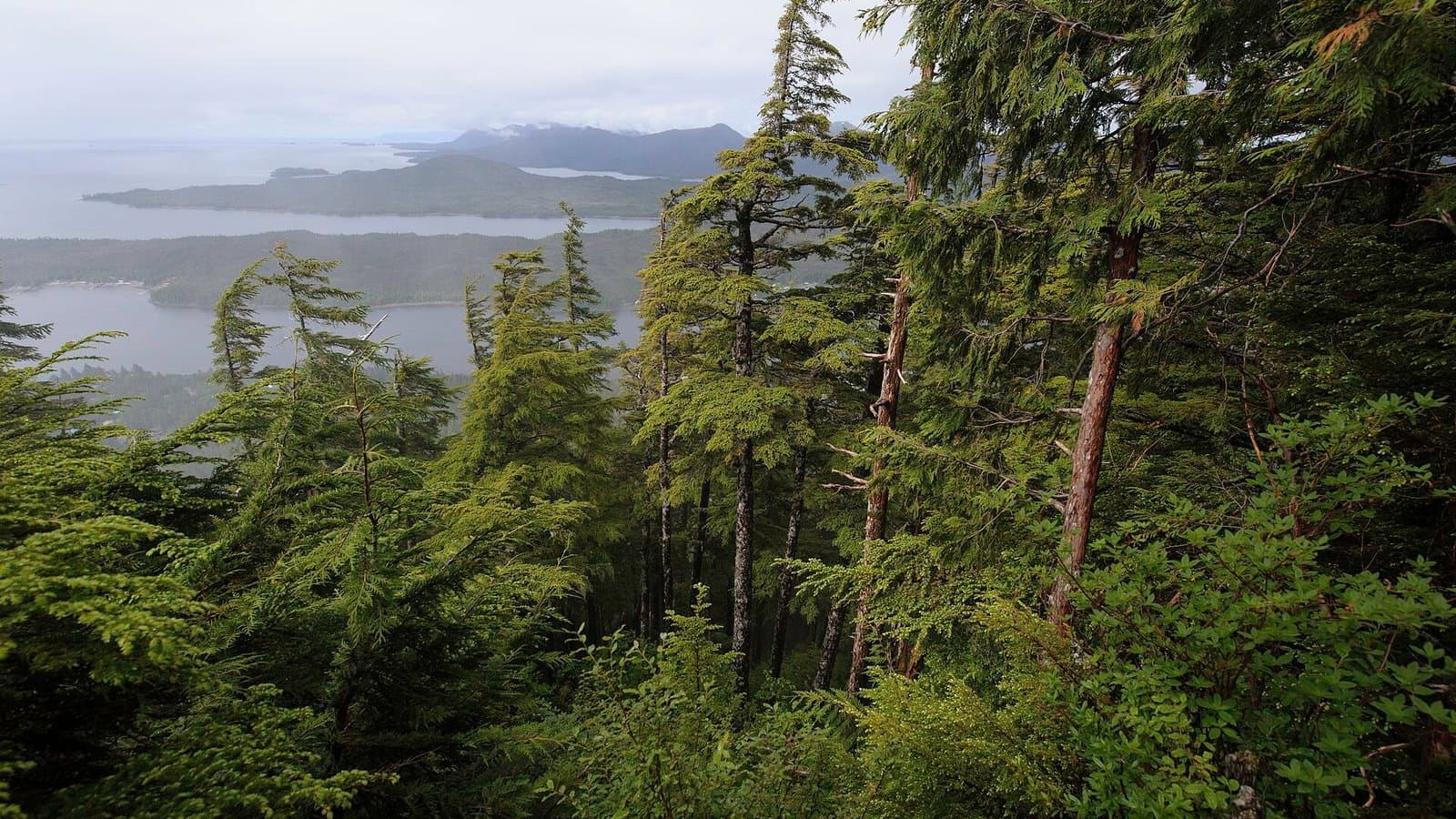
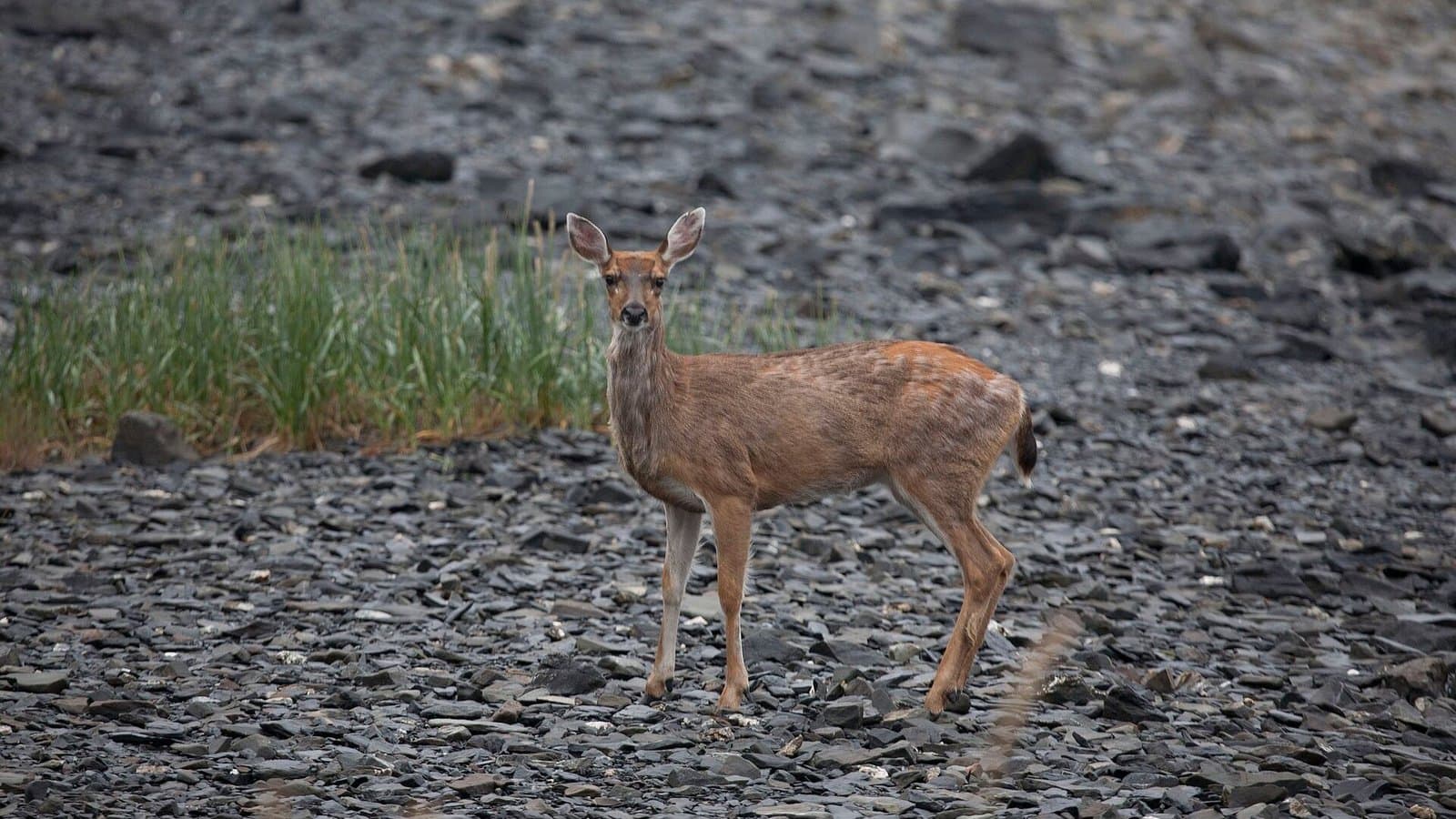
Photo: USDA Forest Service via Wikimedia Commons · Photo source · Public domain
USDA proposes lifting the Tongass road limits Alaska is suing it to overturn
A lawsuit Alaska filed to lift limits on road building and logging in the Tongass National Forest has been on hold since December 2024, and a federal judge set new deadlines in it Monday.
In the meantime, the agency the state sued has proposed doing much of what the state wanted. In August, the U.S. Department of Agriculture proposed repealing those limits in national forests nationwide, the Tongass included. USDA says returning those decisions to individual forest plans would restore flexibility to local managers.
USDA is still the defendant, and in 2024 federal lawyers were defending the Tongass protections in court. Four Southeast tribes also joined the case to defend them: the Organized Village of Kake, Hoonah Indian Association, Ketchikan Indian Community and Organized Village of Kasaan. Tourism businesses, a commercial fishing group and conservation groups joined with them. In a 2024 brief, they told the court they rely on the Tongass' roadless areas for subsistence, fishing, hunting and guiding.
The limits come from the 2001 Roadless Area Conservation Rule, which restricts road construction and timber harvesting in inventoried roadless areas. In Alaska, it covers about 9.3 million acres of the Tongass, plus roadless land in the Chugach National Forest.
Those Tongass acres have gone back and forth for more than two decades. The forest was exempted from the rule in 2003, and the protections were reinstated in 2011. USDA exempted the forest again in 2020 and restored the protections in January 2023.
The state sued that September. The court combined its case with two others: one from the Inside Passage Electric Cooperative and the Alaska Power Association, and one from former Gov. Frank Murkowski and others.
An attorney for the electric cooperative told a House subcommittee in May that the estimated cost of a proposed power line between Kake and Petersburg rose from $17.5 million with road access to $65 million without it.
The Central Council of the Tlingit & Haida Indian Tribes of Alaska opposes repeal, saying in a resolution that it would put Sitka black-tailed deer, salmon, berries and medicinal plants at risk. In September, Craig's City Council voted 4-1 to urge the federal government to keep the limits.
In court, the case was headed for oral argument in January 2025. After the state asked to reschedule, U.S. District Judge Sharon L. Gleason canceled the argument in December 2024 and denied both sides' requests to rule in their favor, saying they could be filed again after April 1, 2025.
That April, the plaintiffs and the federal government told the court that new officials at USDA and the Justice Department needed more time "to navigate potential position realignments and to discuss alternative resolutions to this litigation," as a later joint report put it.
They've filed joint status reports since, each in response to a court order. In September, they proposed that their next report either describe progress toward resolving the case or propose a schedule for asking the judge to rule. The latest report came Friday, and Monday's order followed it.
USDA's repeal is still a proposal. The department has said it's acting under an executive order that directs the agriculture secretary to reinstate the 2020 Tongass exemption. Written comments closed Oct. 6, and the Forest Service set six subsistence hearings in Alaska; the last was scheduled for Kake on Nov. 4.
What did you make of this story? (no account needed)
Made by our human newsroom with AI. Reviewed by Cale Green. How humans and AI work here · Grow with our newsroom ·
Keep Alaska News free for everyone.
No paywall, ever. Members pay so everyone can read the meetings and records Alaska News covers.
Get Alaska News in your inbox
Create your free account and get the day’s top stories around 6 each morning, in a few minutes’ read.
Top stories, around 6 each morning.
Stories on what you follow, on Sundays.
Source: U.S. District Court for the District of Alaska.


Comments
Sign in to leave a comment.
No comments yet. Be the first to share your thoughts.