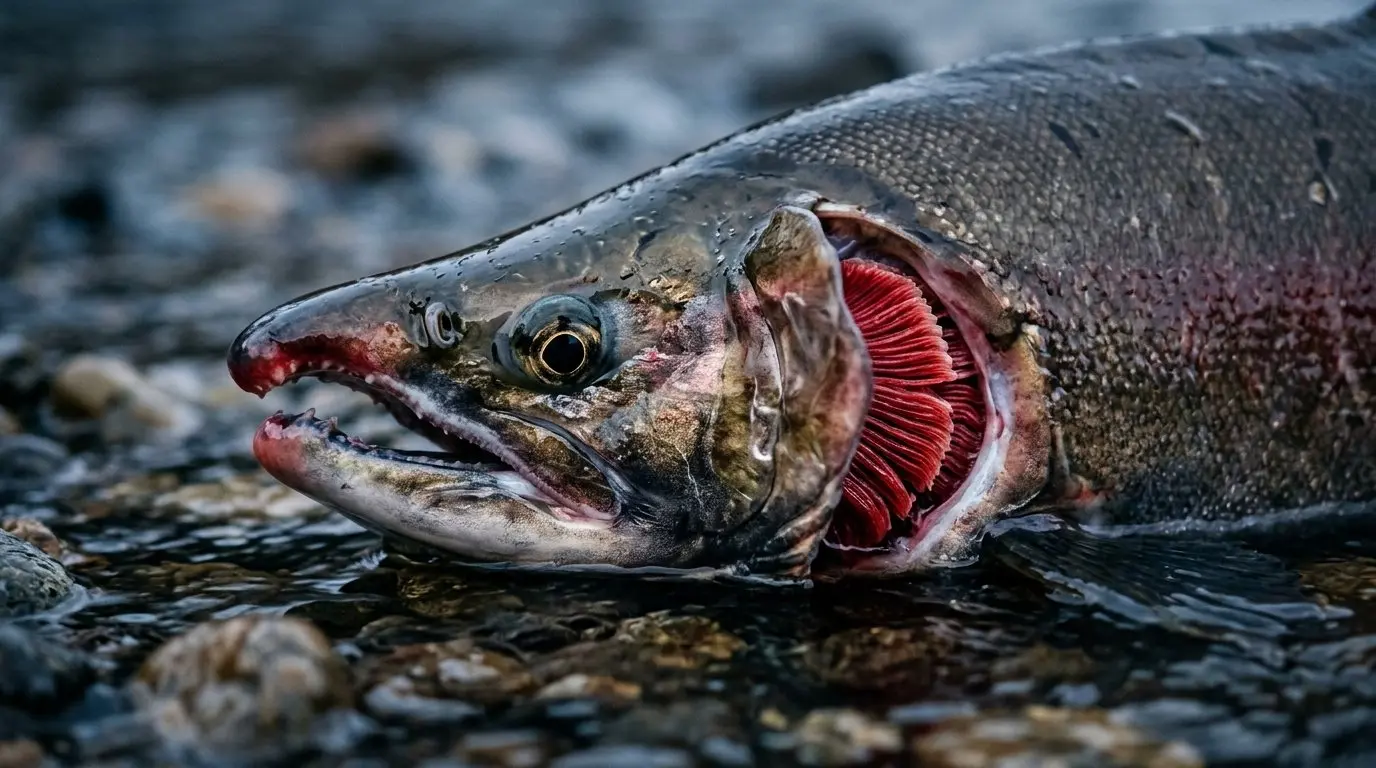
AI image
University scientists forecast 4 million more Bristol Bay sockeye than the state
Both forecasts for Bristol Bay's sockeye run next summer call for more fish than this year. They just don't agree on how many more.
Scientists at the University of Washington and the University of Alaska Fairbanks expect 53.4 million sockeye salmon to return, according to a forecast released Nov. 10.
The Alaska Department of Fish and Game, which manages the fishery, forecast 49.3 million four days earlier.
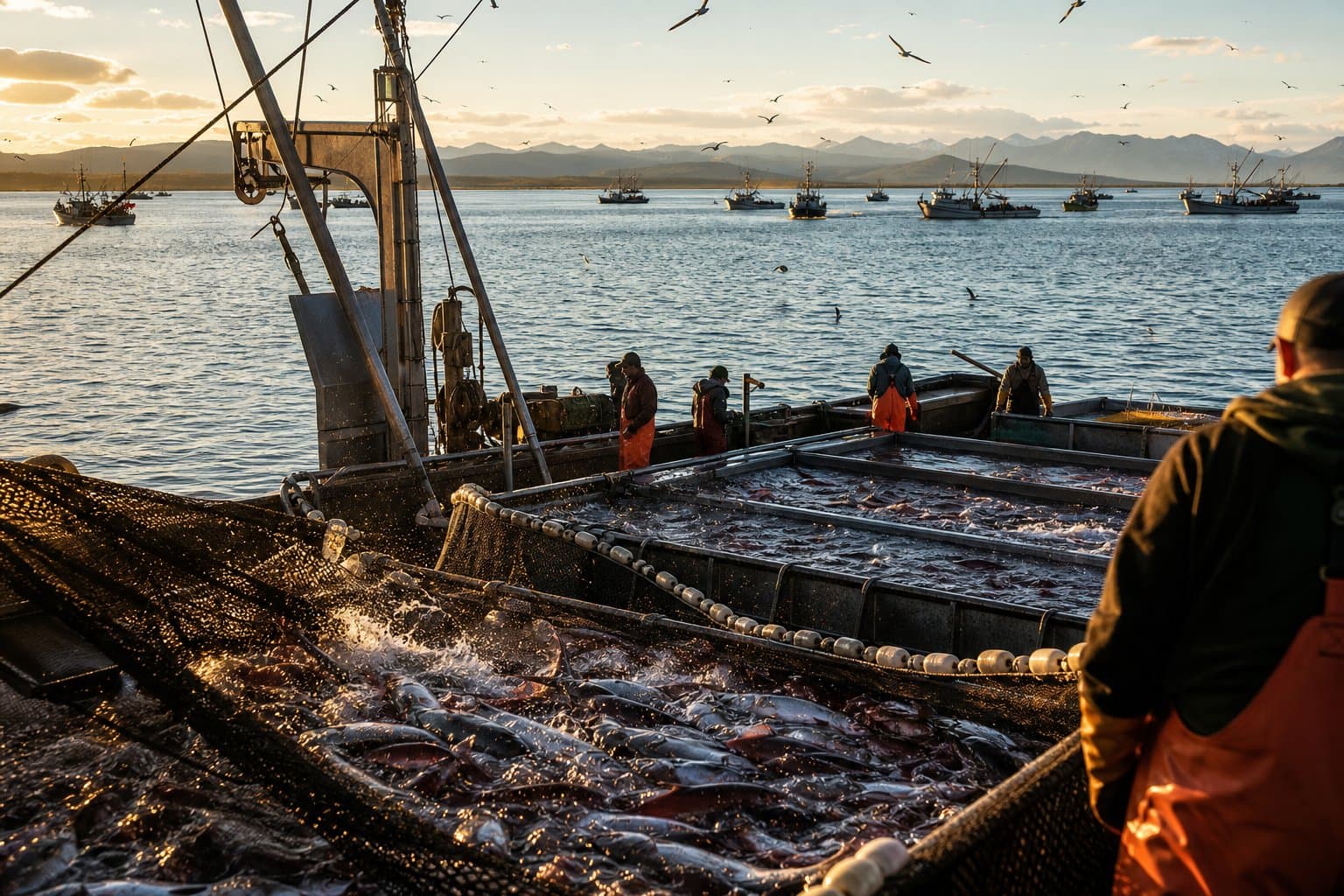
Either would be a step up from this summer. The run of 45.7 million was the first under 50 million since 2014, according to the state's season summary. The fleet caught 30.1 million sockeye, and the season's salmon catch was worth a preliminary $264 million to fishermen.
Both also point to a bigger catch than this year's.
The university expects 35.6 million sockeye to be caught in the bay, if the fleet can harvest every fish not needed for spawning. The state puts the number available to catch at about 34 million. It publishes that figure, it says, to help the industry plan the season.
Both numbers are what's left after setting aside the fish expected to reach each river to spawn, called escapement. Both also take out about 1.3 million Bristol Bay sockeye expected to be caught in a June fishery off the South Alaska Peninsula.
The university's own number has climbed since summer. In August, its scientists put next year's run at 44.2 million, which would have meant a second straight year under 50 million. Their full forecast is 21% higher.
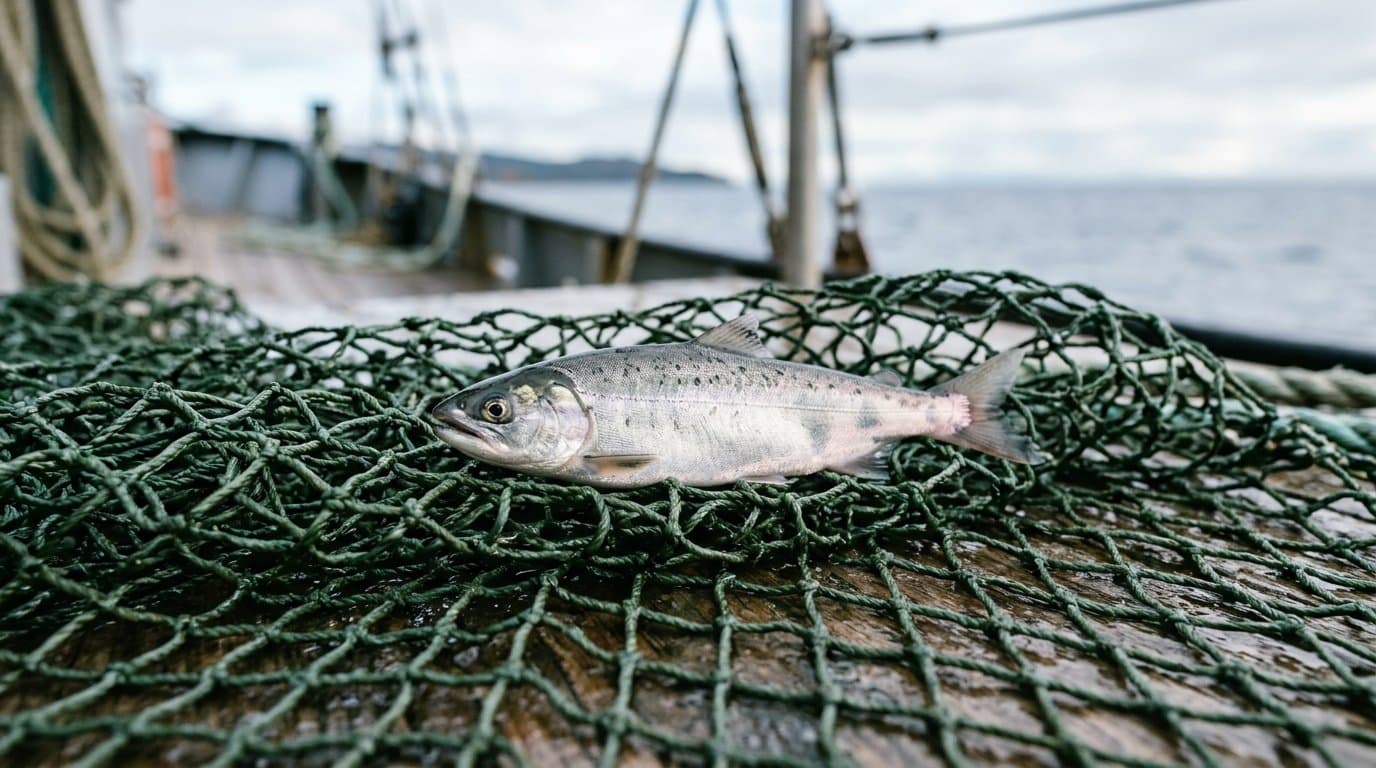
Most of that change comes from how many fish they expect back after two years at sea, they wrote. Bristol Bay sockeye mostly return after two or three years in the ocean. The university expects 60% of next year's fish to have spent two years at sea, averaging about 4.4 pounds, and the rest three years, at about 6 pounds. Altogether, it predicts a catch of about 177 million pounds.
The university's report includes one more estimate, based on surveys of young salmon in the Bering Sea in the years they went to sea. That method points to 51.5 million.
The university's number falls well inside the state's own range. The state gives an 80% chance that the run lands between 35.5 million and 63.1 million.
The state's forecasts have also tended to run low. Over the last 20 years, they've come in under the actual run by 13% on average, ranging from 36% too low in 2014 to 21% too high in 2011. This year's run came in 4% above the state's forecast.
The forecasts also differ on where the fish will show up. Both expect a catch of about 10 million in the Egegik District. The university expects more in the Nushagak District, 11.95 million to the state's 10.54 million, and in the Naknek-Kvichak District, 9.45 million to 7.92 million. The state's forecast is higher for Ugashik, 5.09 million to 3.73 million. The state says its forecasts for individual rivers are less certain than its number for the whole bay.
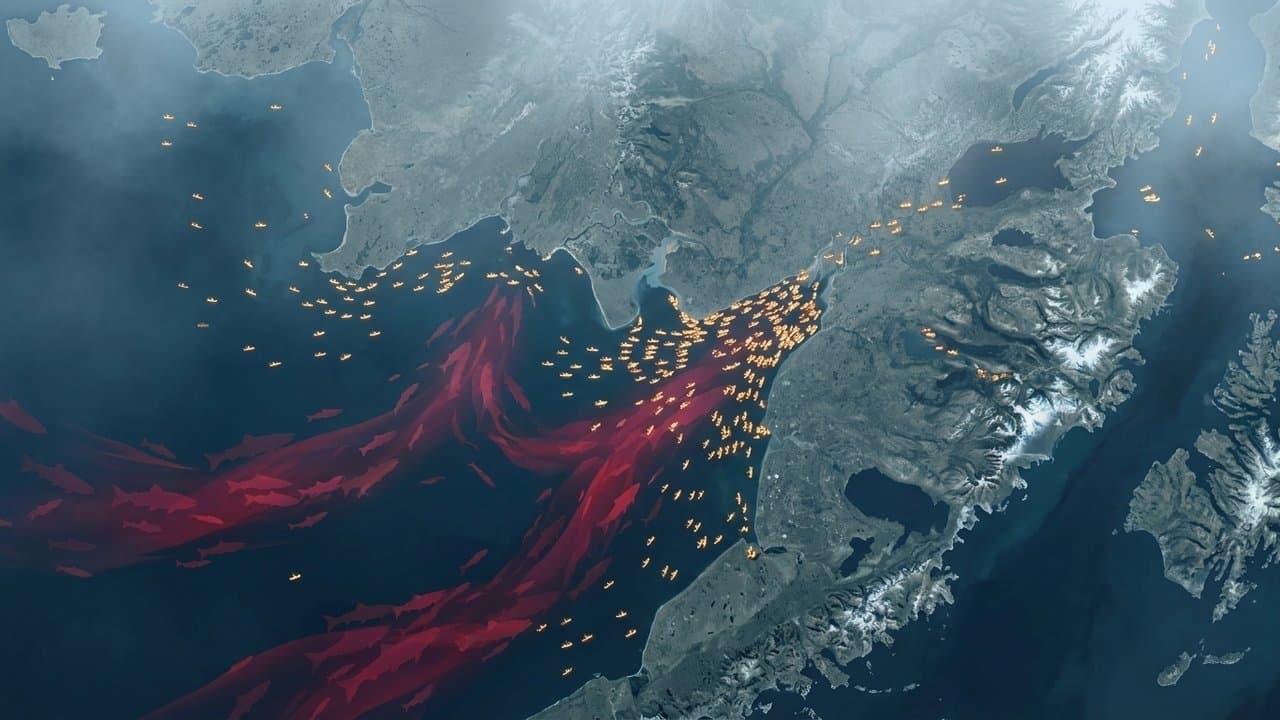
An early check comes in June. Starting around June 10, the Port Moller Test Fishery samples sockeye 150 to 200 miles southwest of the fishing districts. The fish typically take six to nine days to cover that distance, according to the Bristol Bay Science and Research Institute, which runs it.
What did you make of this story? (no account needed)
Made by our human newsroom with AI. Reviewed by Cale Green. How humans and AI work here · Grow with our newsroom ·
Keep Alaska News free for everyone.
No paywall, ever. Members pay so everyone can read the meetings and records Alaska News covers.
Get Alaska News in your inbox
Create your free account and get the day’s top stories around 6 each morning, in a few minutes’ read.
Top stories, around 6 each morning.
Stories on what you follow, on Sundays.
Source: Lake Iliamna Fish and Game Advisory Committee.



Comments
Sign in to leave a comment.
No comments yet. Be the first to share your thoughts.