AI image
Why Washington's permitting overhaul lands harder in Alaska than almost anywhere
In a state where roughly 60 percent of the land is federal, how Washington decides to permit projects isn't an abstraction — it's whether a mine, a road, or an oil field gets built. No fight shows that better than the Ambler road, the proposed mining route across the Brooks Range whose fate has flipped with nearly every administration: approved under the first Trump term, rejected by Biden, revived again now.
That whiplash is the backdrop for the Trump administration's overhaul of the National Environmental Policy Act, one year old this week. Rather than wait for Congress, the administration rewrote how NEPA works by executive action — emergency reviews that can clear energy and critical-mineral projects in under 28 days, plus categorical exemptions that let qualifying projects skip deeper analysis. On Alaska's federal lands, that reaches the National Petroleum Reserve, the Ambler corridor, and the newly reopened Arctic National Wildlife Refuge.
Here's what the fact sheets skip: the underlying complaint is bipartisan. NEPA itself was a bipartisan law signed by a Republican president, and the frustration that its reviews now drag on is shared across the aisle. When Biden rejected the Ambler road in 2024, Alaska's entire delegation — including its lone Democrat at the time, Mary Peltola — condemned it. In Congress, permitting-reform bills keep drawing votes from both parties, only to stall over how far to cut. The fight was never really about whether to speed things up. It's about how much review is safe to lose.
That's the tension the Alaska version sharpens.
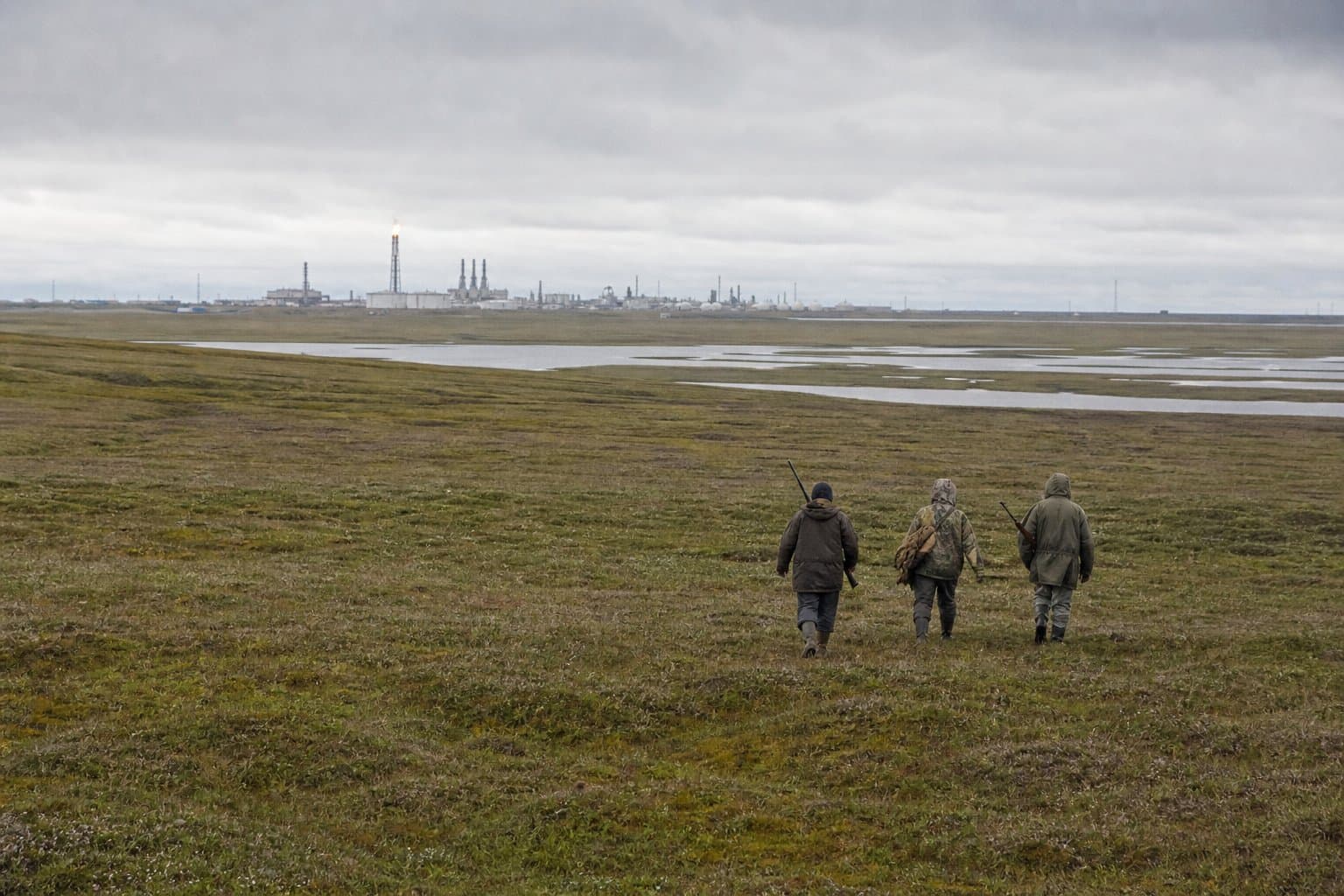
The U.S. Chamber of Commerce argues faster permitting unlocks investment without gutting protection. Trustees for Alaska and the Native Village of Nuiqsut counter that thinner reviews mean less scrutiny of how drilling and roads stack up on caribou, fish, and marine mammals. And what makes Alaska distinct is that these federal lands are home to Native villages — some of which want the road and the jobs, others of which fear what less oversight costs the subsistence they live on. Everyone agreed the process was too slow. Who a faster one helps, and who it leaves with less of a say, is what's still being fought over.
Assembled from public records the newsroom collected.
AI-assisted. How we use AI
Discussed in
Stay informed. Support what matters.
Free, permanent access to local news you can verify. Subscribe to support Maggie AlaskaNews and go ad-free.
Related Coverage
Alaska says some permits now clear in under a week — as the reforms behind that speed draw both praise and alarm
Alaska News · 1mo ago
What the Senate permitting bill would change in Alaska, section by section
Alaska News · 11h ago
A permitting bill could open the federal fast lane to Alaska projects
Alaska News · 2mo ago
Trump order on off-road vehicle rules could reshape Alaska federal-land access fights
Alaska News · 4mo ago
Federal rule changes loosen protections for Alaska's listed species
Alaska News · 2mo ago
Comments
Sign in to leave a comment.
No comments yet. Be the first to share your thoughts.