Photo by Şevval Kaynak on Pexels · Photo source
State offers lease for what would be Alaska's first giant data center
Alaska Natural Resources Commissioner John Crowther decided Tuesday to offer STAK Energy a 50-year lease on North Slope state land. The company plans to build what would be the state's first giant data center there.
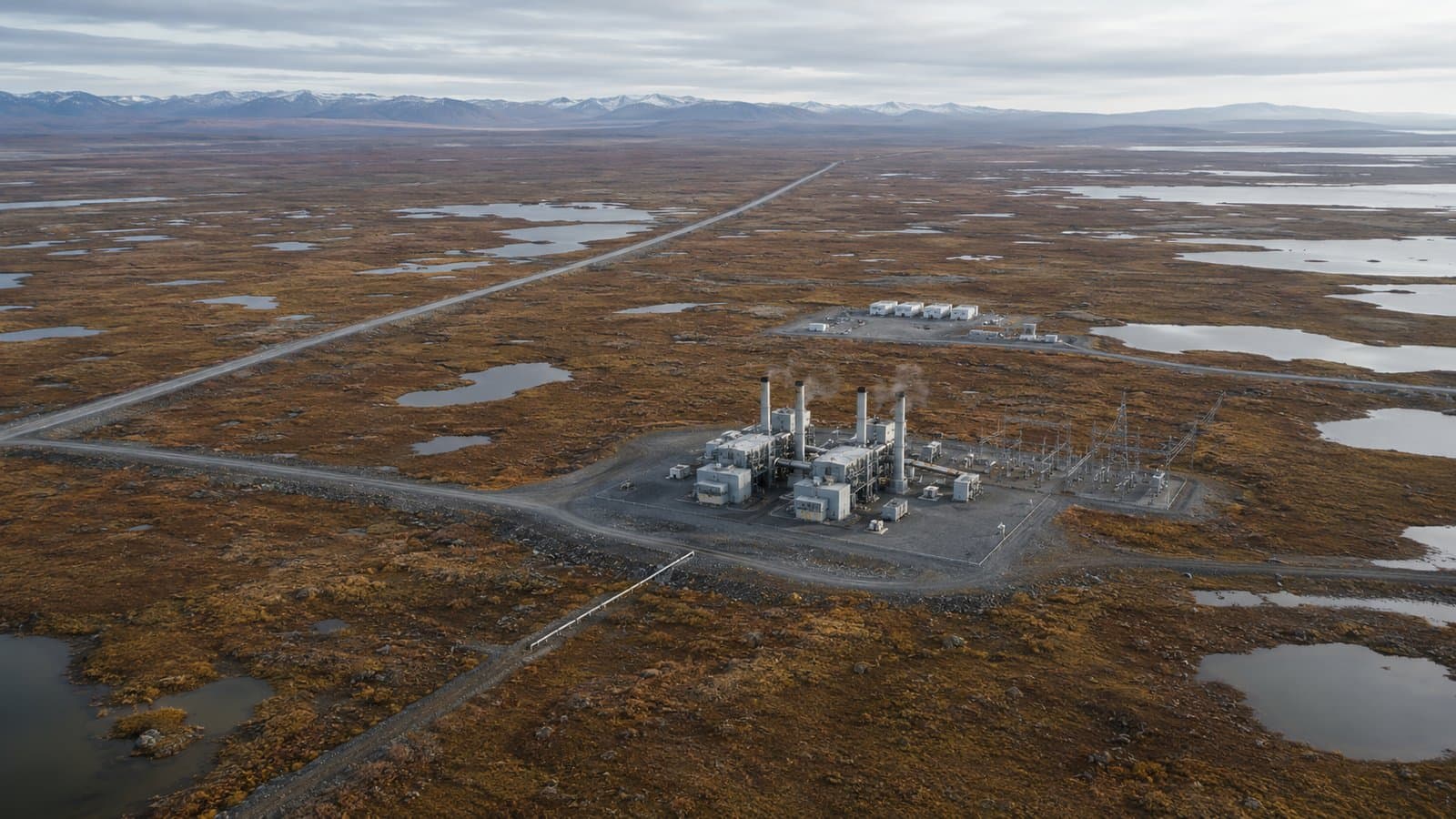
The computing campus, south of Deadhorse, would run on its own natural gas power plant. That plant could generate more electricity than Anchorage, Fairbanks and the rest of the Railbelt grid use at their busiest. It wouldn't connect to any Alaska grid.
The project would also create a large new market for North Slope natural gas. That gas has historically been pumped back into the oil fields or burned there as fuel, mainly because there's no pipeline to carry it to market, according to the state's final decision. STAK said last week that ExxonMobil had signed a 15-year deal to supply it.
The state found the lease is in Alaska's best interest because it would bring in state revenue and jobs and create a market for that gas. It also acknowledged the campus would be visible from the Dalton Highway, its noise could carry for miles and it would add to the effects decades of development have had on caribou and subsistence hunting.
Construction would take about six years and employ up to 1,500 workers at its peak. Once running, the campus would employ 50 to 150 people. STAK's development plan says up to 60.
The decision says STAK, not the state, would pay to build it, and puts that cost at about $500 million, citing STAK's application. STAK founder Sparrow Mahoney told an energy conference in May that the first phase of power infrastructure alone would need about $20 billion, not counting the data centers.
STAK told the state it considers details of its financing and investors confidential. The Division of Oil and Gas wrote in its responses to public comments that Alaska law doesn't require that disclosure for a complete application for this kind of lease and that it hasn't received that kind of comprehensive disclosure.
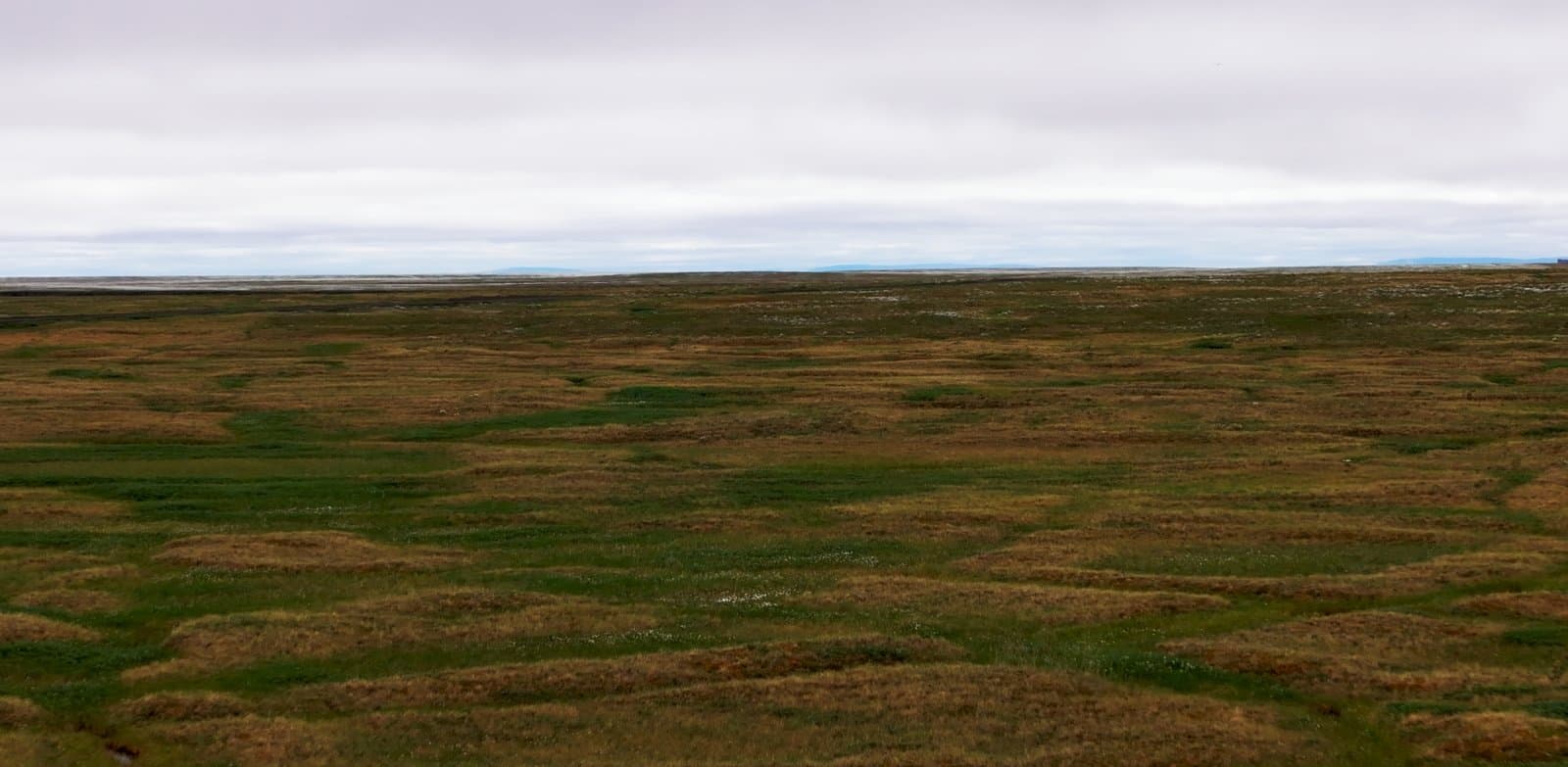
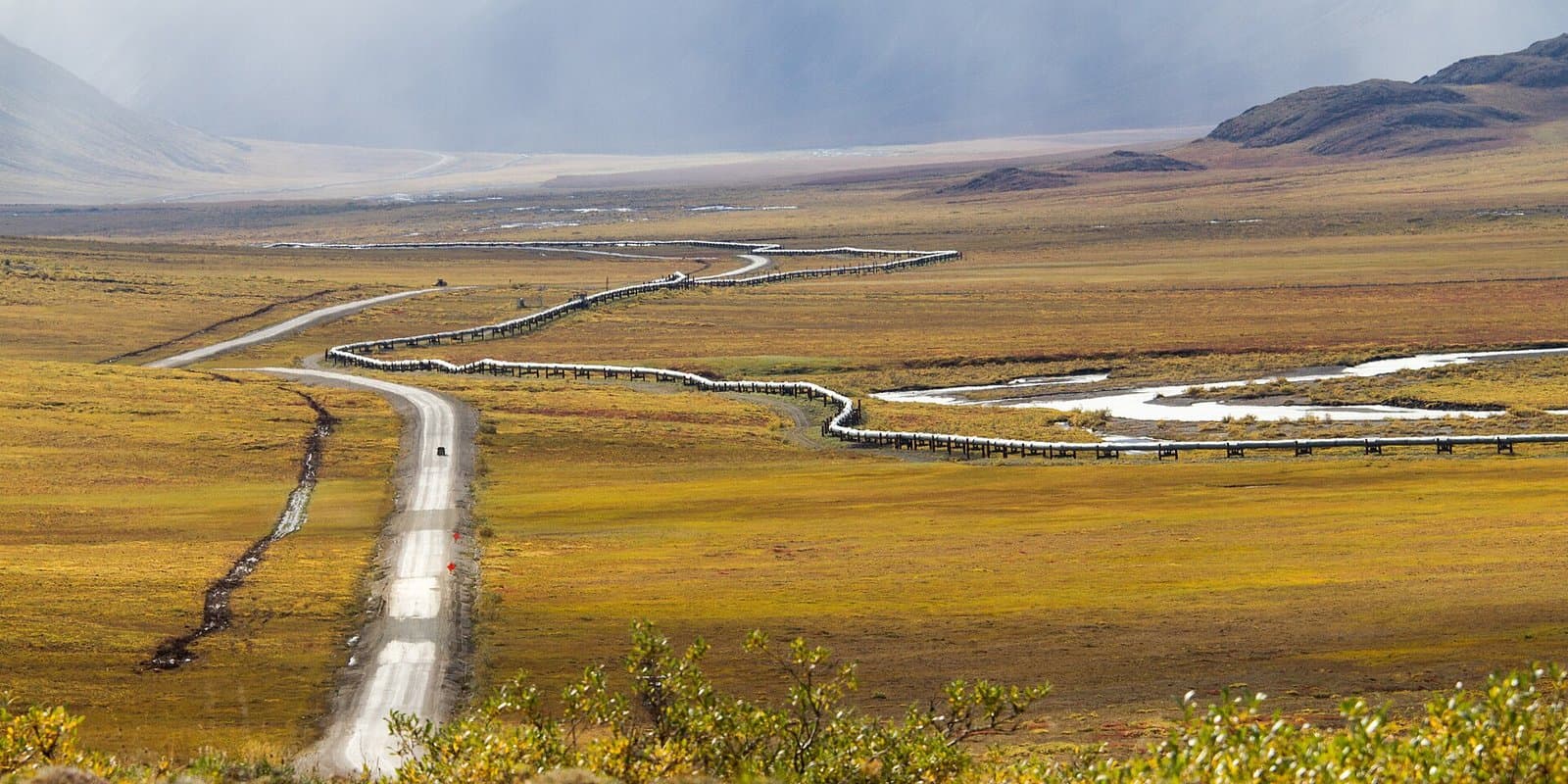
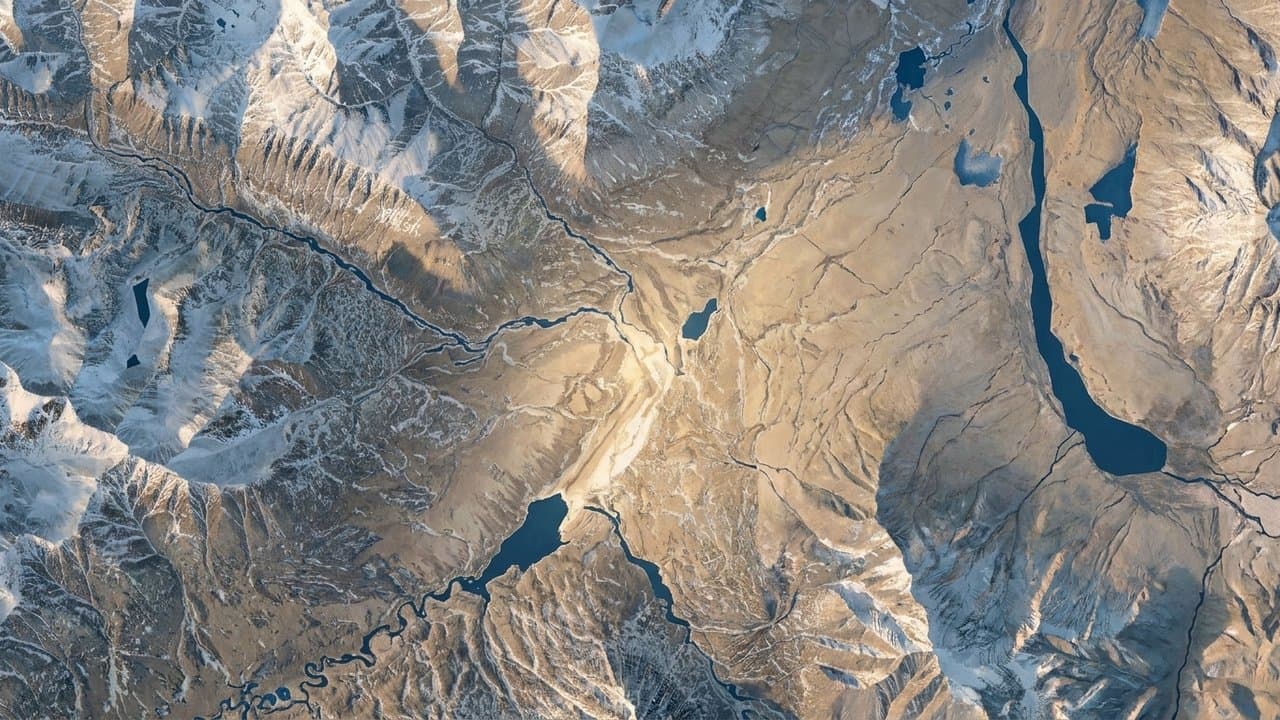
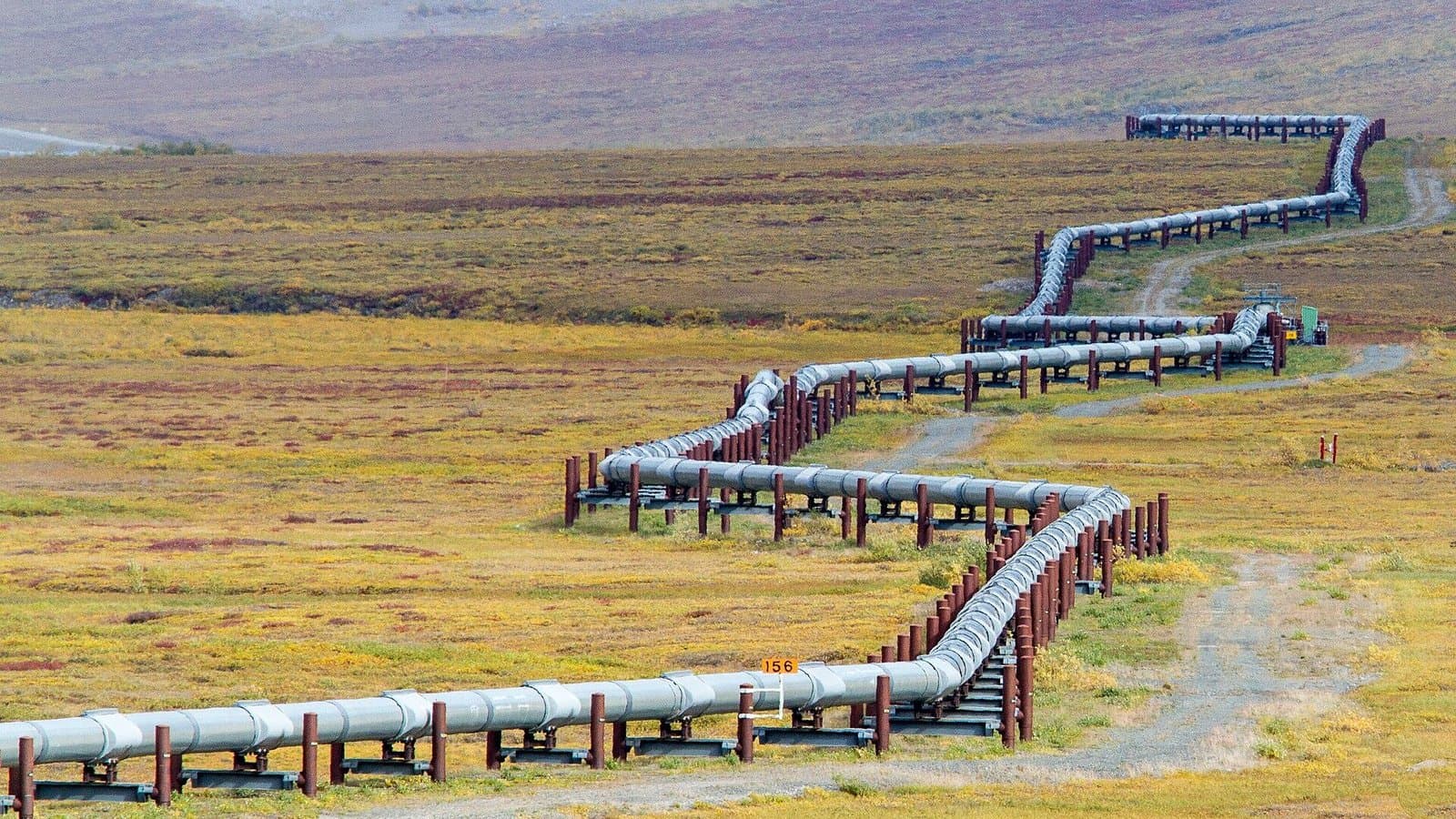
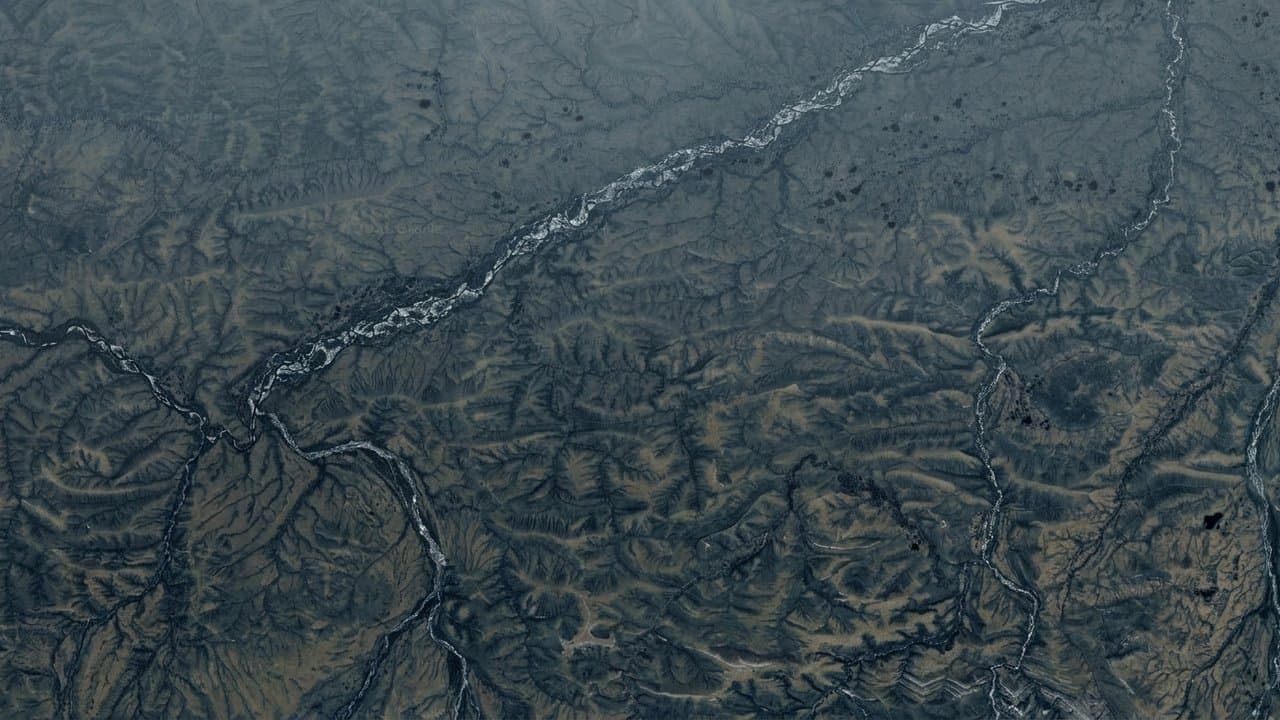
The site is about 26 miles south of Deadhorse, the oil field town at Prudhoe Bay, about a mile west of the Dalton Highway and the trans-Alaska oil pipeline. It falls within traditional use areas of Nuiqsut, Deadhorse and Anaktuvuk Pass, the state says. Nuiqsut, the nearest permanent community, is about 60 air miles away, according to STAK.
The division wrote that it "does not conclude that the proposed development will be completely impact-free," and that it does "not interpret" the effects on subsistence "as insignificant or costless." It concluded the effects can be responsibly managed with steps such as limiting construction during caribou calving, though it said those steps won't eliminate the effects on subsistence.
The state also says cold air would let the campus cool its computers without the millions of gallons of water a day that evaporative cooling uses at comparable data centers farther south.
The state received 1,205 public comments. Commenters raised concerns about the 50-year term and the project's greenhouse gas emissions, questioned whether its economic benefits would materialize and asked whether committing North Slope gas to it made sense while Cook Inlet supplies decline. The division responded that the project doesn't compete with Cook Inlet gas, which comes from a separate system.
The plant is designed to generate 1 to 3 gigawatts and, at full capacity, burn 350 million to 500 million standard cubic feet of gas a day. Even 1 gigawatt is more than the Railbelt's peak demand, which was 765 megawatts in 2021, according to the University of Alaska Fairbanks' Alaska Center for Energy and Power. The campus would sit on a gravel pad of about 640 to 650 acres within the 715-acre lease, reached by a 1.8-mile road.
STAK would pay the larger of two amounts: rent based on the land's appraised value, or a fee on electricity delivered to the computers, charged in tiers as the campus grows. During a five-year entry permit, while the land is surveyed and appraised, STAK would pay advance rent of $10 an acre a year, about $7,150. Those five years count toward the 50. The lease could be renewed once, for up to 50 more years.
STAK must post $250,000 before entering the site and $1 million more before laying gravel. When the lease ends, it must remove the facilities and restore the land.
The decision doesn't cover the gas pipeline or the gravel, which need separate applications and public review. STAK says the project also needs a U.S. Army Corps of Engineers wetlands permit, with federal environmental review, plus state air and wastewater permits and North Slope Borough permits.
People affected by the decision who submitted written comments on time may ask Crowther to reconsider by Nov. 30, a required step before going to court.
What did you make of this story? (no account needed)
Made by our human newsroom with AI. Reviewed by Cale Green. How humans and AI work here · Grow with our newsroom ·
Get Alaska News in your inbox
Create your free account and get the day’s top stories around 6 each morning, in a few minutes’ read.
Top stories, around 6 each morning.
Stories on what you follow, on Sundays.
Source: Alaska Department of Natural Resources, Alaska Department of Natural Resources: Public Notice of Final Finding and Decision: ADL 422741, STAK Energy Corporation, 50-Year Land Lease.








Comments
Sign in to leave a comment.
No comments yet. Be the first to share your thoughts.