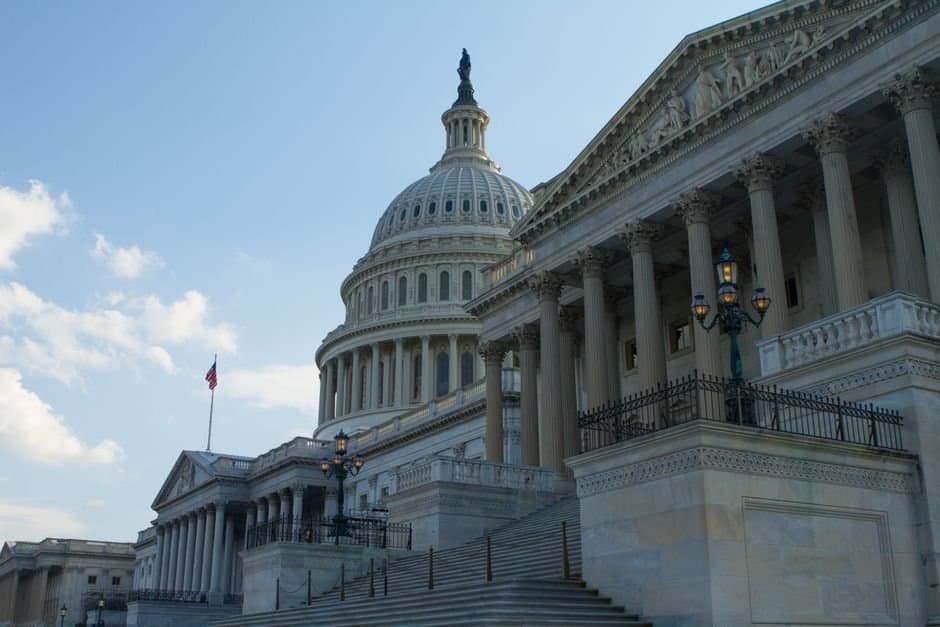
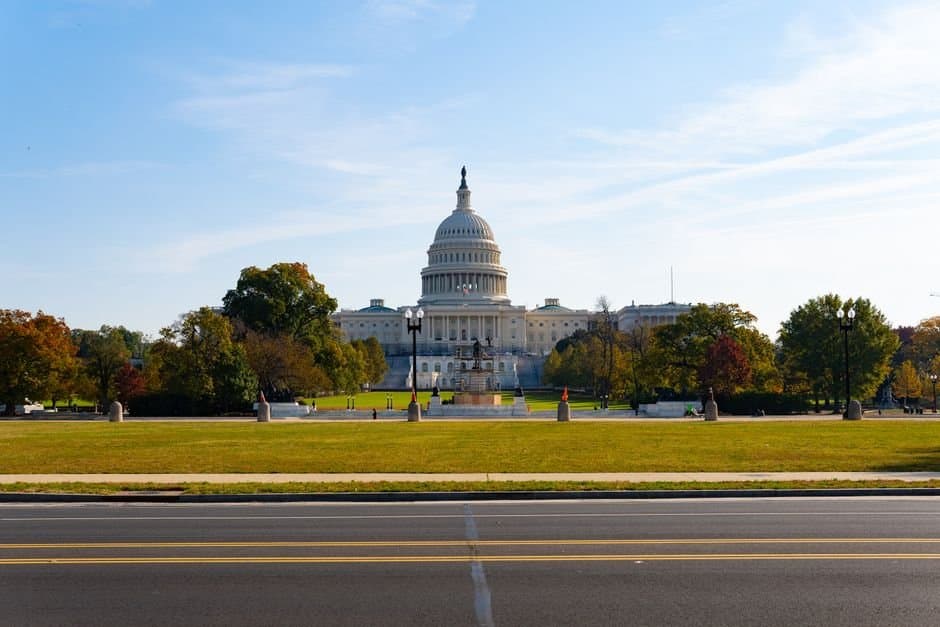
Photo by Ramaz Bluashvili on Pexels · Photo source
Senate votes 73-25 to advance federal permitting overhaul
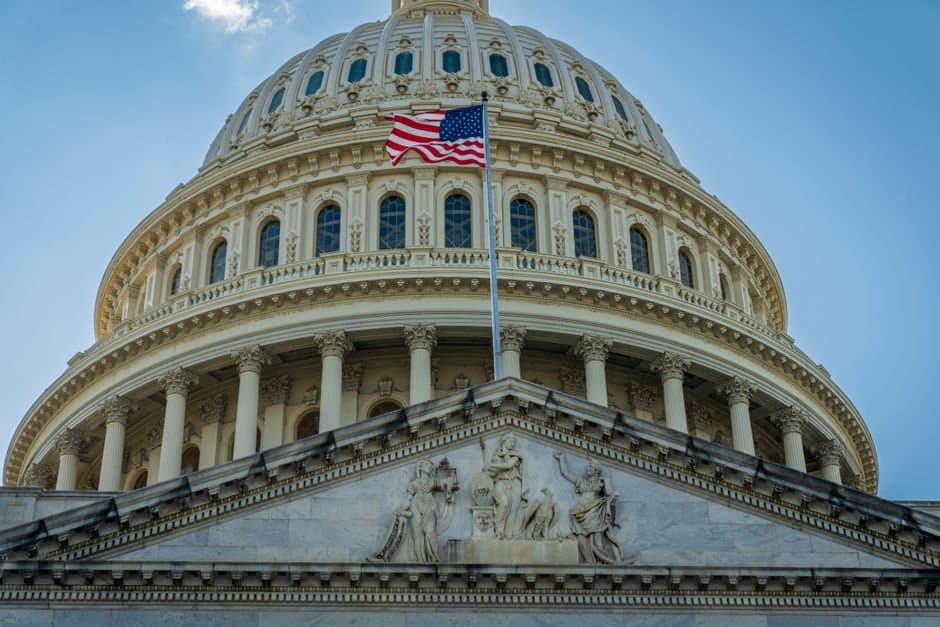
The U.S. Senate voted 73-25 Monday to move ahead with the bipartisan permitting deal, which would rewrite how the federal government reviews and approves mines, oil and gas drilling, roads, power lines and other projects. Alaska Sens. Lisa Murkowski and Dan Sullivan both voted yes.
The vote wasn't final passage. Senators can still debate and change the bill before a final vote.
The bill would change what happens when people go to court over a federal approval. Today, someone who thinks an agency didn't follow the National Environmental Policy Act's review requirements generally has up to six years to sue, and a judge who agrees can cancel the approval or stop the project. Under the bill, they would generally have 150 days, and only if they had raised the issue in a public comment. A judge could only send the approval back to the agency to fix, and the project could keep going in the meantime.
It would also set firmer deadlines for reviews and change wetlands permitting, historic-preservation reviews, endangered-species consultation and power-line planning. A section-by-section breakdown published Sept. 30 shows what each part of the original bill would change in Alaska.
Those rules would reach much of Alaska, where the federal government owns 61.3% of the land, according to the Congressional Research Service. The bill wouldn't approve any particular project, such as the Ambler Road or Alaska LNG.
Its four authors are two Republicans and two Democrats. "Our permitting system takes too long, costs too much, and leaves too much uncertainty," said Sen. Mike Lee, R-Utah. Sen. Martin Heinrich, D-N.M., said it would make sure data centers "pay for the energy they use and the grid upgrades they cause." They and Sens. Shelley Moore Capito, R-W.Va., and Sheldon Whitehouse, D-R.I., released a revised version Saturday with what they called "clarifying, conforming, and technical edits."
One section names Alaska. The Energy Department would have to consider bottlenecks in Alaska's power grid in a national study it reports on at least every three years, and any Alaska area it flagged would need the Regulatory Commission of Alaska's approval.
At the Alaska Federation of Natives convention last month, the Southeast Alaska Caucus backed a resolution asking Alaska's delegation to oppose the bill's rewrite of historic-preservation review, and to vote against the bill if it stays in. Heinrich said Saturday that the bill would "strengthen Tribal consultation."
What did you make of this story? (no account needed)
Get Alaska News in your inbox
Create your free account and get the day’s top stories around 6 each morning, in a few minutes’ read.
Top stories, around 6 each morning.
Stories on what you follow, on Sundays.






Comments
Sign in to leave a comment.
No comments yet. Be the first to share your thoughts.