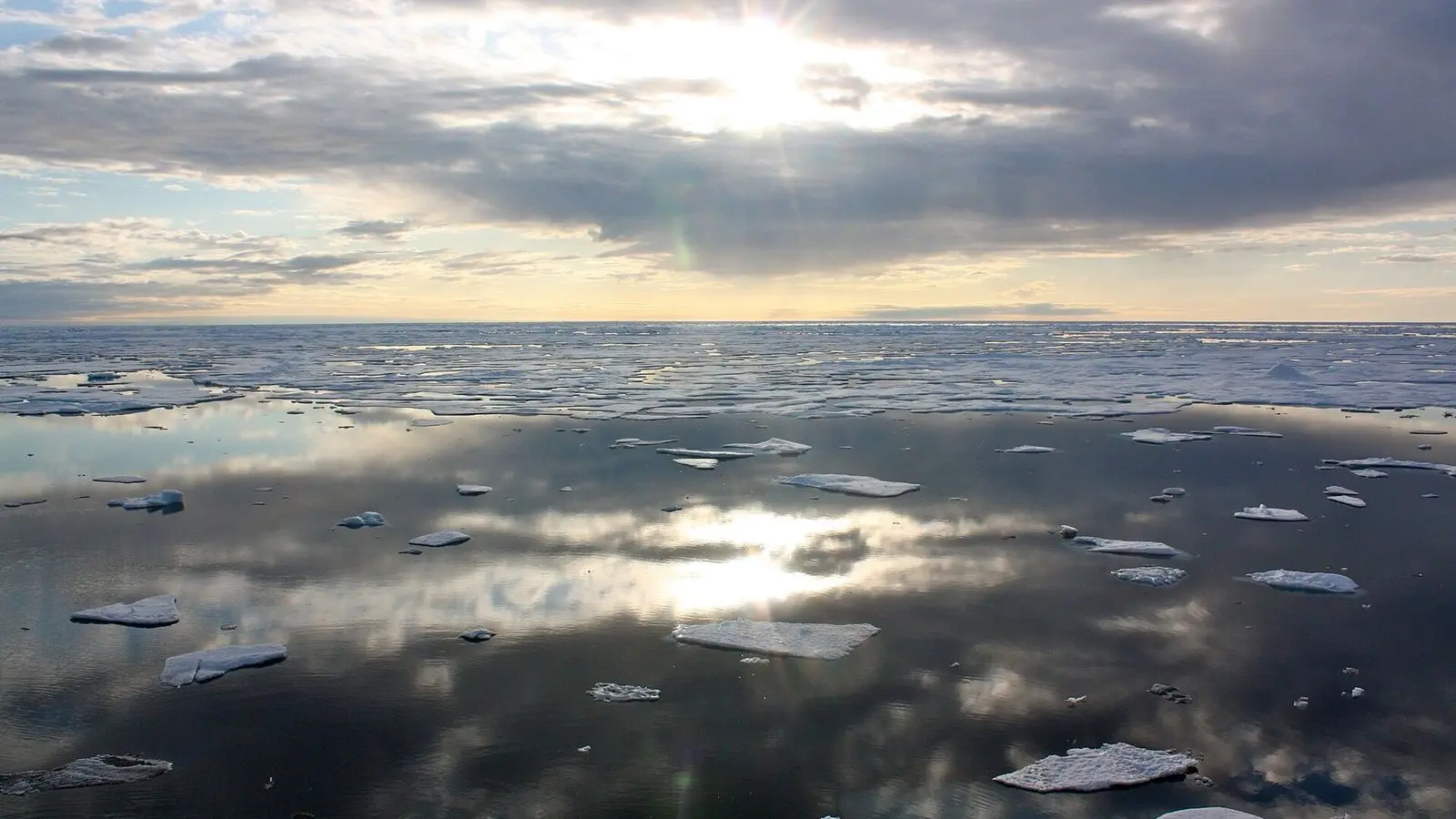
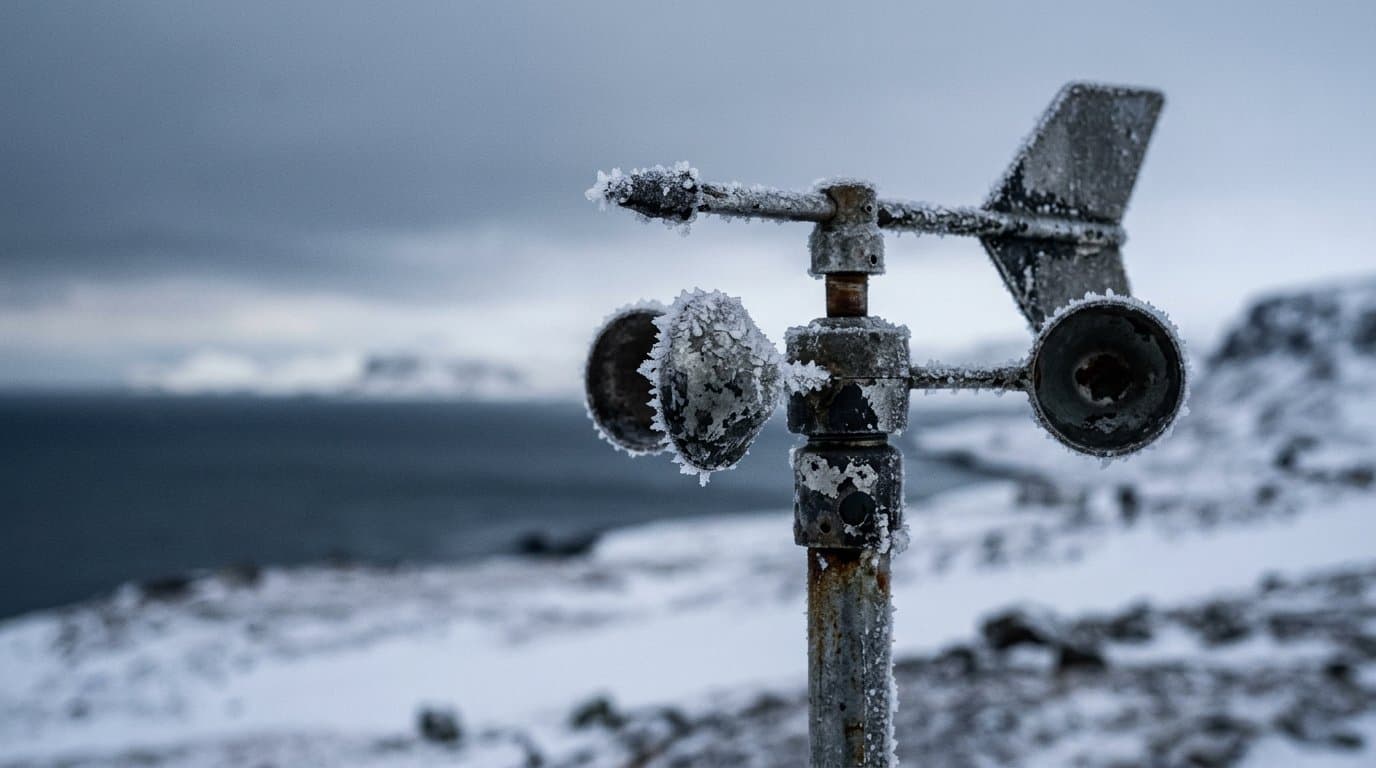
Photo: NASA Goddard Space Flight Center via Wikimedia Commons · Photo source · Public domain
Public gets 30 more days to comment on easing Arctic offshore drilling rules
The federal government reopened public comment Nov. 13 on its plan to ease safety rules for offshore oil and gas exploration in Alaska's Arctic, including a requirement that companies keep a second rig ready in case a well blows out. Comments are due Dec. 14.
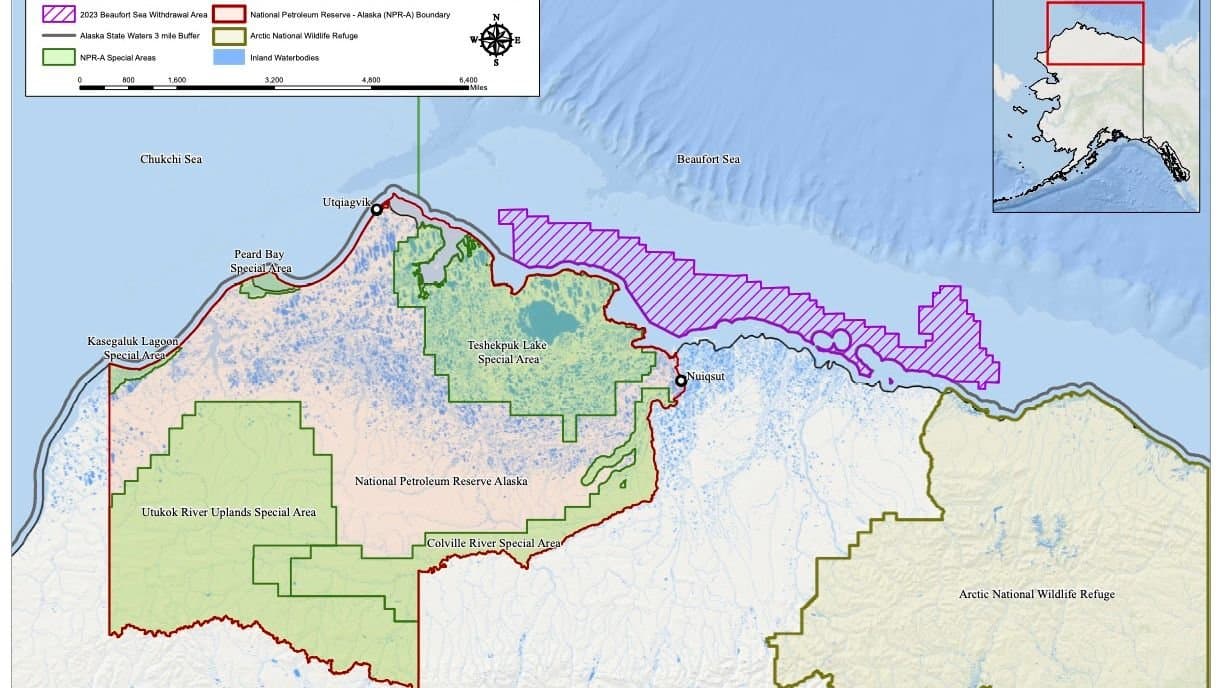
The rules cover exploratory drilling in the Beaufort and Chukchi seas, in federal waters that begin 3 miles offshore. They were written after the 2010 Deepwater Horizon blowout in the Gulf of Mexico, which killed 11 workers, and took effect in 2016.
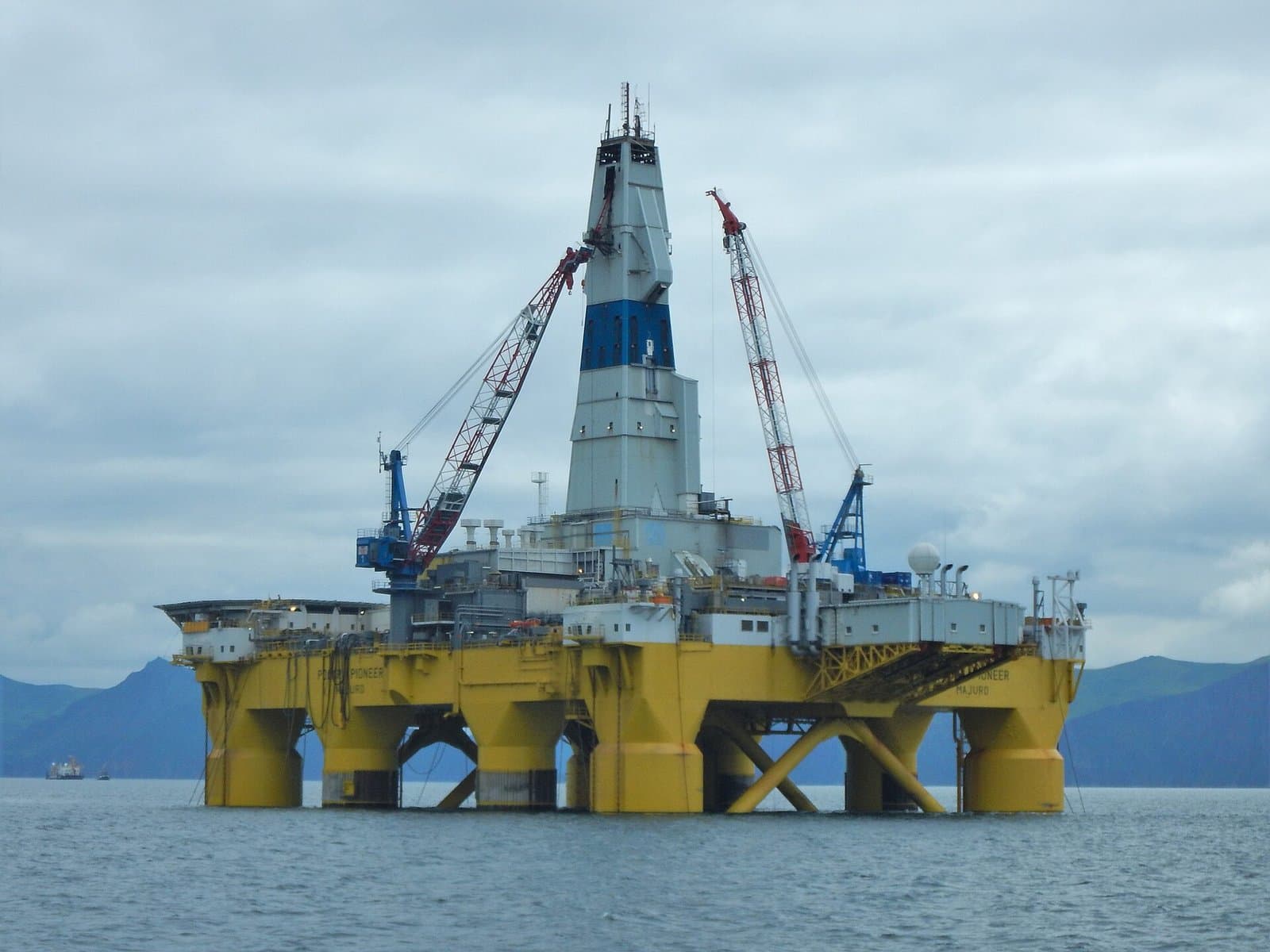
Today, a company drilling from a floating rig must have a second rig staged close enough to drill a relief well, a second well that intercepts and plugs the one that's out of control. That work has to be done before sea ice returns, and within 45 days of losing control of the well.
Under the proposal, a company could skip the second rig if it uses a backup shutoff device on the seafloor instead, one that works independently of the well's blowout preventer. Companies that keep a relief rig would still face the 45-day limit, but not the sea-ice deadline. Interior says the timing should depend on what a company's rig and equipment can handle in ice, not a fixed date.
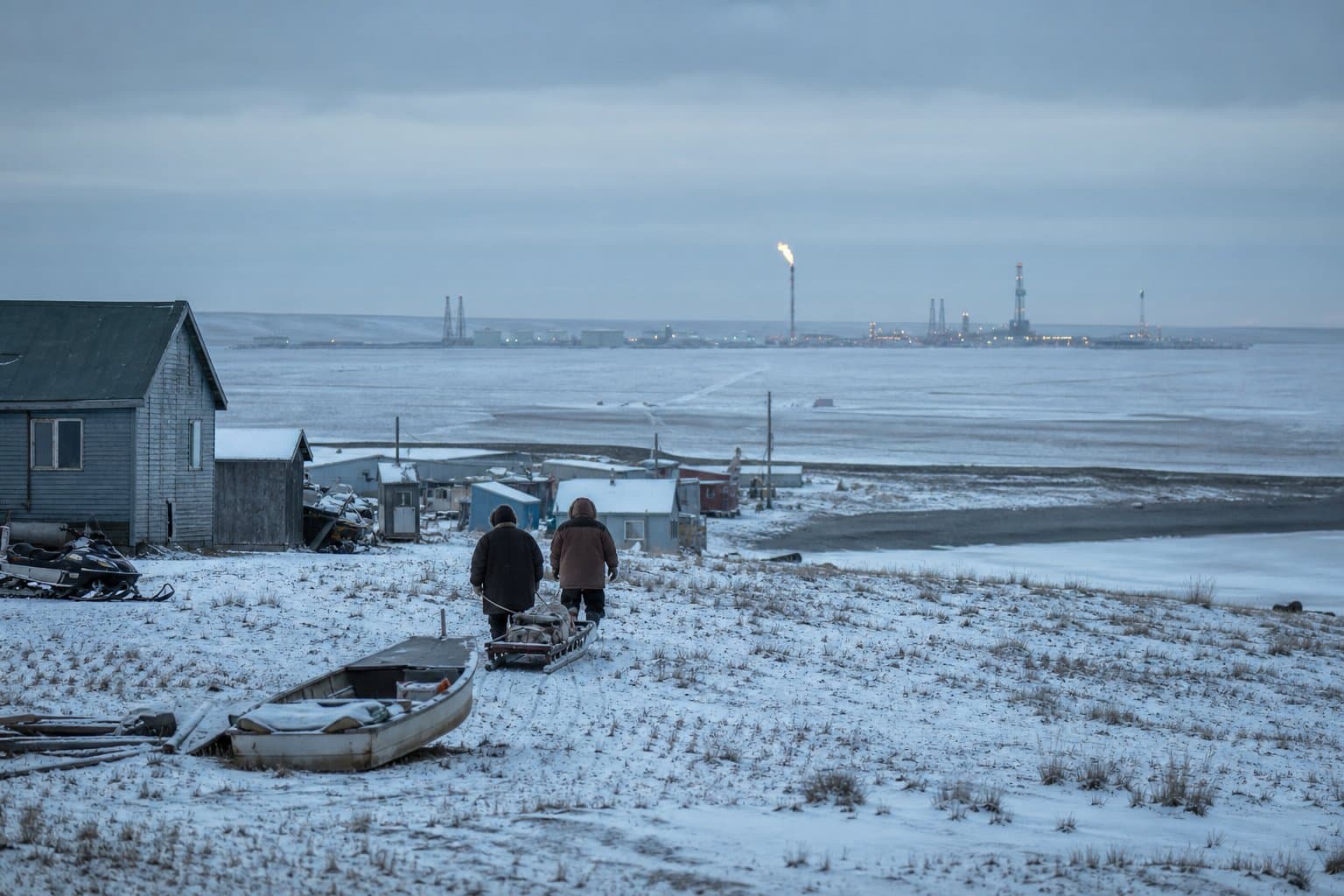
Interior estimates the rewrite would save the industry $137 million to $161 million a year, almost all of it from the relief rig change. Its own analysis says the main thing given up is possible harm to the environment and to subsistence hunting and whaling communities from a longer, larger spill if the blowout preventer, the seafloor device and a capping stack all failed. It calls that small compared with the savings.
The proposal would also drop a provision letting regulators make a rig capture water-based drilling mud, based on factors such as how close it is to subsistence hunting and fishing areas. The analysis says that provision was meant to keep mud out of water where it would be "sensed by the whales," which may push them farther from shore and make hunting harder and less safe. Interior says Environmental Protection Agency discharge permits cover the same ground and that it keeps its general pollution authority, though the Beaufort Sea permits its analysis cites expired in 2017.
Companies would no longer file a separate Integrated Operations Plan before their exploration plans; some of its requirements would move into the exploration plan. The rules would also cover more of the Arctic, adding the Hope Basin off Kotzebue Sound and a new High Arctic planning area. Other changes touch blowout preventer monitoring, spill containment gear and oil spill response plan reviews.
The proposal approves no lease or drilling. It sets the rules that would apply if a company drills.
Interior published the proposal Aug. 6, saying it would cut unnecessary burdens and reflect newer technology and lessons learned since 2016. The first comment window ran 60 days and closed Oct. 5. The agency says it drew thousands of comments, which it will review along with new ones.
"We received several requests for more time to review and comment on the proposed rule," said Mike Olsen, acting director of the Marine Minerals Administration. Interior created that agency in July to replace the Bureau of Ocean Energy Management and the Bureau of Safety and Environmental Enforcement, which it set up after Deepwater Horizon.
Interior proposed largely the same revisions in December 2020 and withdrew them in June 2021.
Instructions for commenting are in the Federal Register notice.
What did you make of this story? (no account needed)
Made by our human newsroom with AI. Reviewed by Cale Green. How humans and AI work here · Grow with our newsroom ·
Keep Alaska News free for everyone.
No paywall, ever. Members pay so everyone can read the meetings and records Alaska News covers.
Get Alaska News in your inbox
Create your free account and get the day’s top stories around 6 each morning, in a few minutes’ read.
Top stories, around 6 each morning.
Stories on what you follow, on Sundays.
Source: Bureau of Ocean Energy Management, Marine Minerals Administration: MMA Reopens Comment Period for Proposed Arctic Exploratory Drilling Rule.










Comments
Sign in to leave a comment.
No comments yet. Be the first to share your thoughts.