
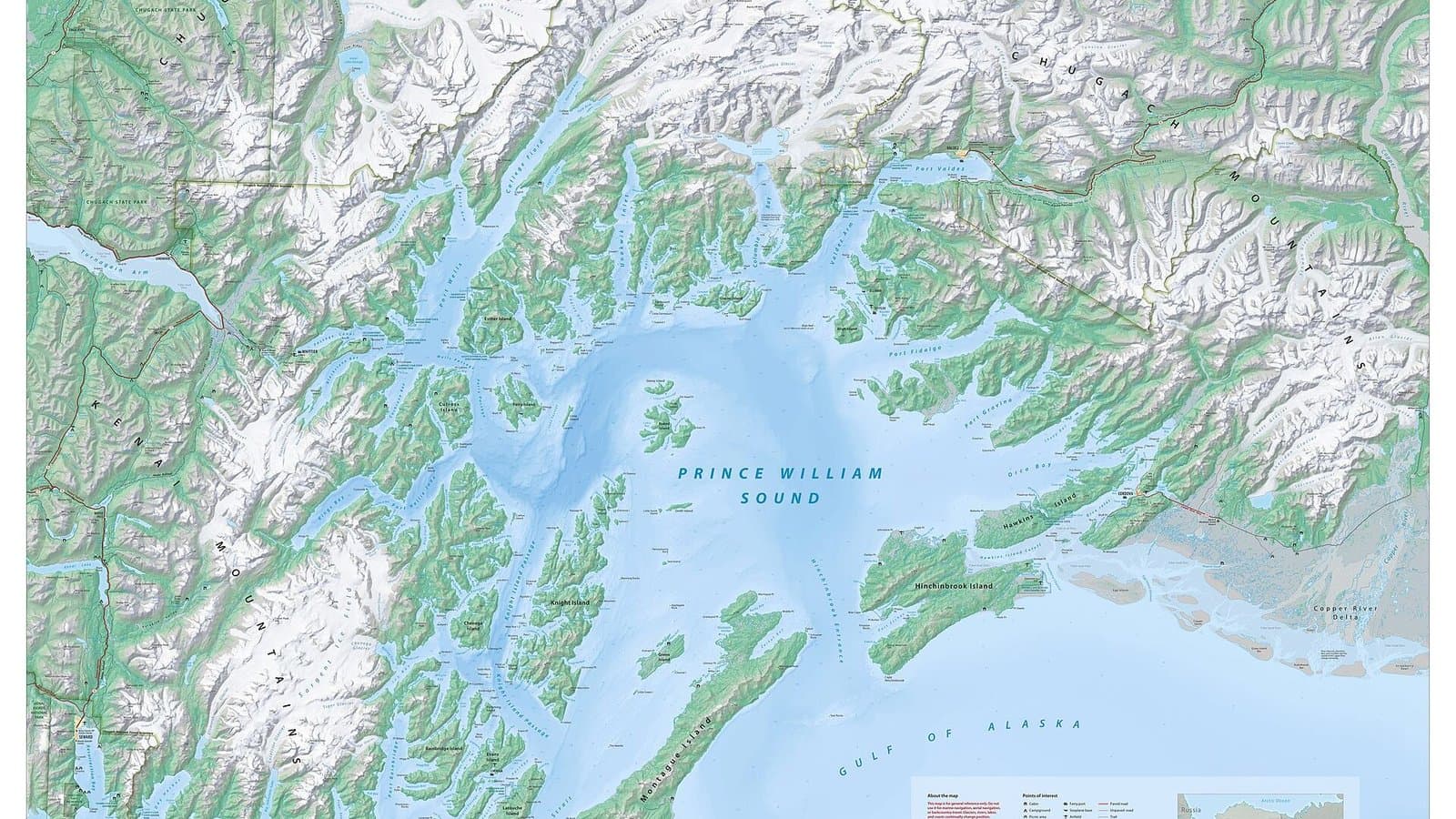
Editorial map (Gemini + Google Maps)
Prince William Sound set-netters won't face a weekly fishing cap in 2027
Set gillnetters in western Prince William Sound won't be held to a weekly limit on fishing time next year, the Alaska Department of Fish and Game said Thursday.
They fished under that cap this year, 36 hours a week in the Eshamy District, because their share of the value of the Sound's hatchery salmon had grown past the state allocation plan's trigger. A new state calculation puts their share at 4.9%, just under that 5% line.
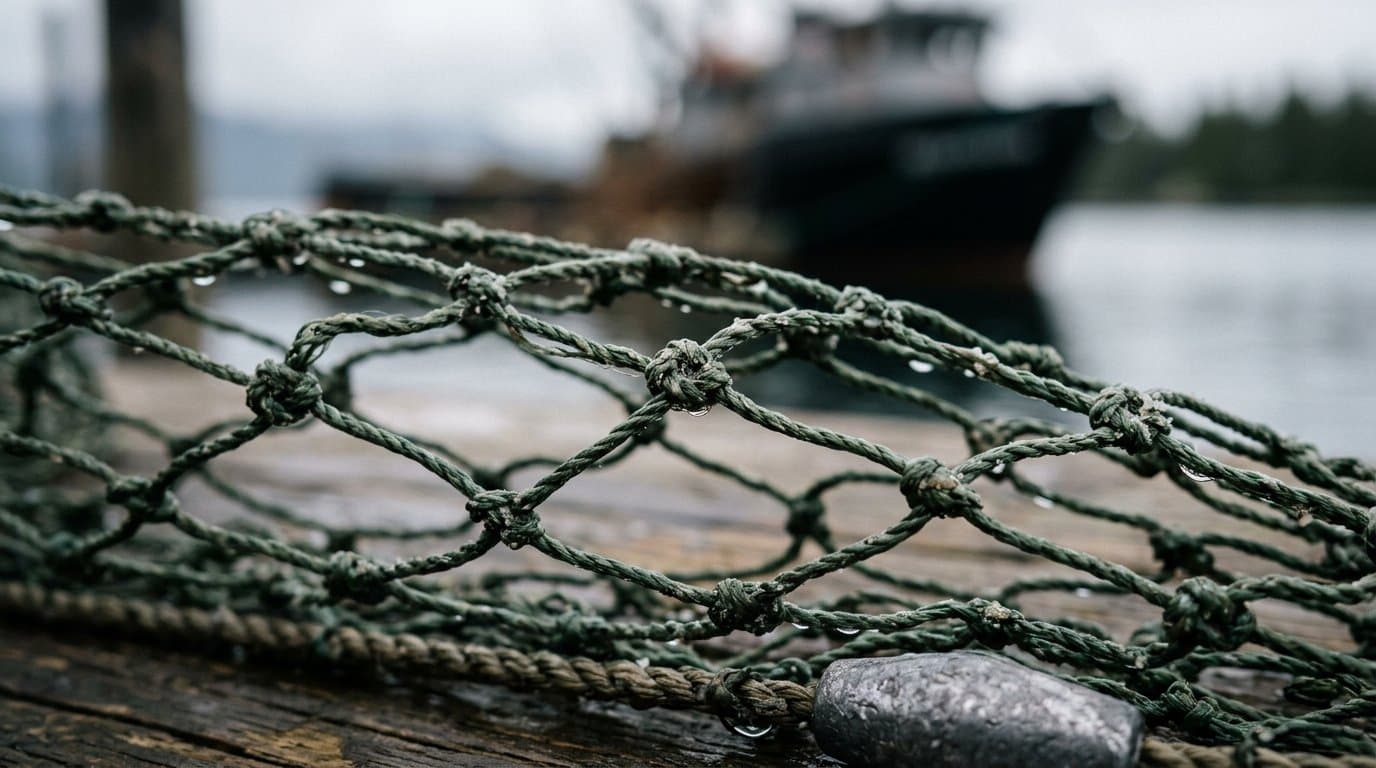
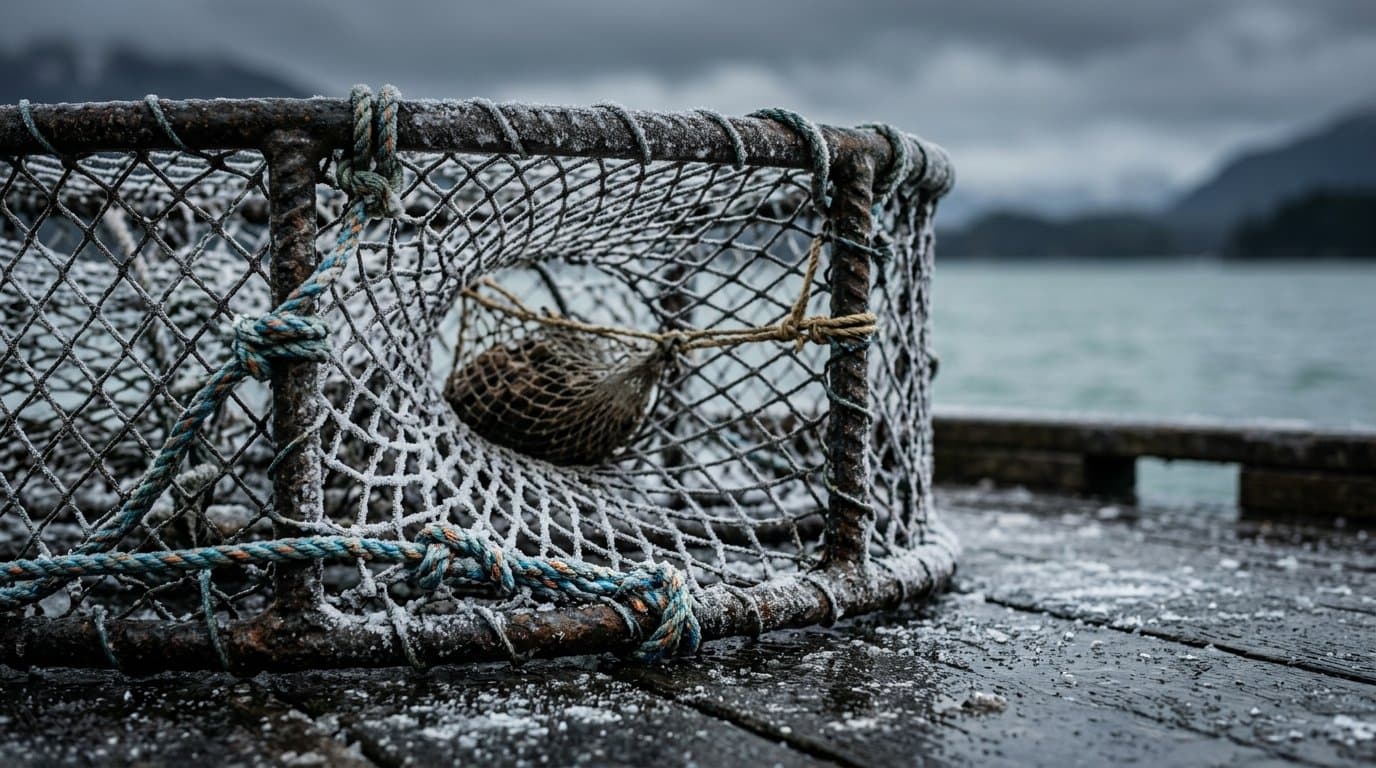
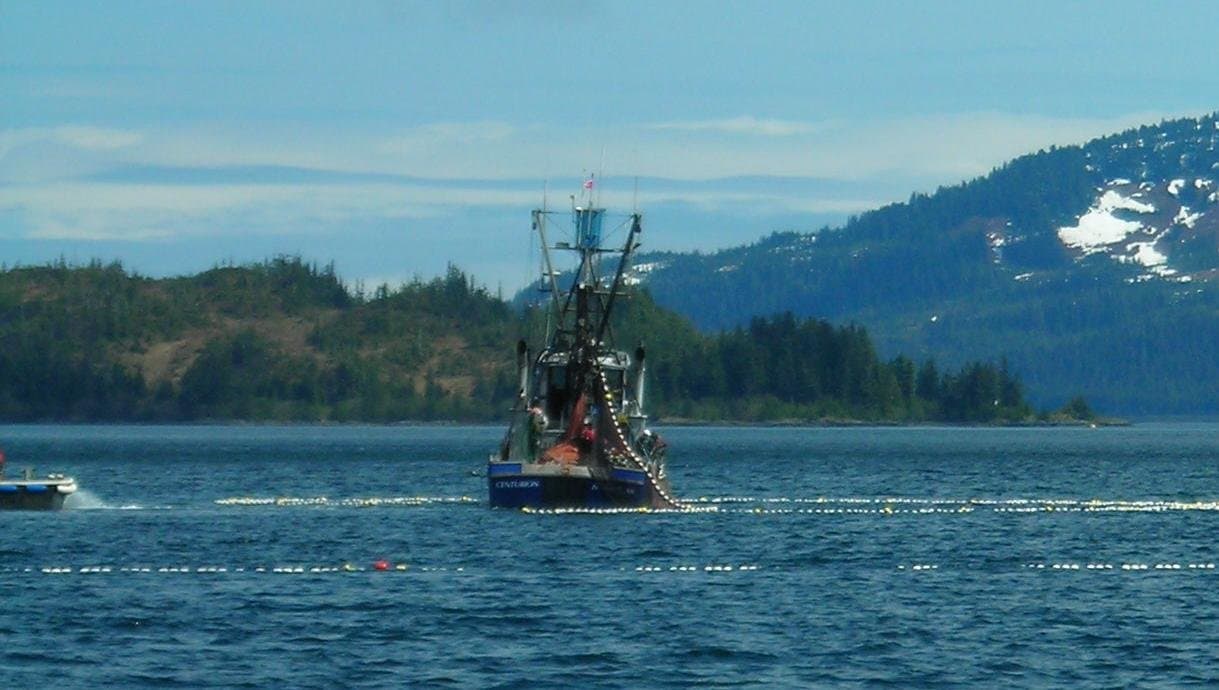
Set gillnetters fish nets anchored near shore, while the Sound's drift gillnetters and purse seiners fish their nets from boats. They are a small fleet: 24 set-net permit holders fished at least once this year, according to the department's season summary.
It was a lean year across the Sound. Its salmon catch was worth 45% less than the 10-year average, and set-net permit holders averaged $54,600, against a 10-year average of $70,300.
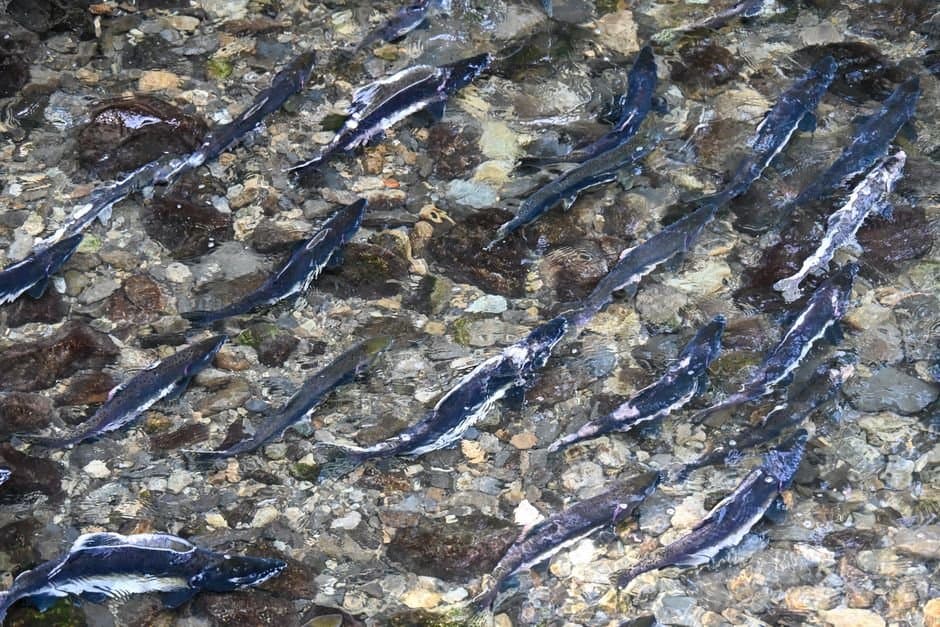
In late August, Fish and Game extended a closure in the district to let more sockeye reach their spawning grounds. In September, drift boats got 36-hour fishing periods there and set-netters got 12, and the department recorded no deliveries from the district in the season's last two weeks.
The cap comes from an allocation formula that divides the value of hatchery salmon among the Sound's three commercial fleets.
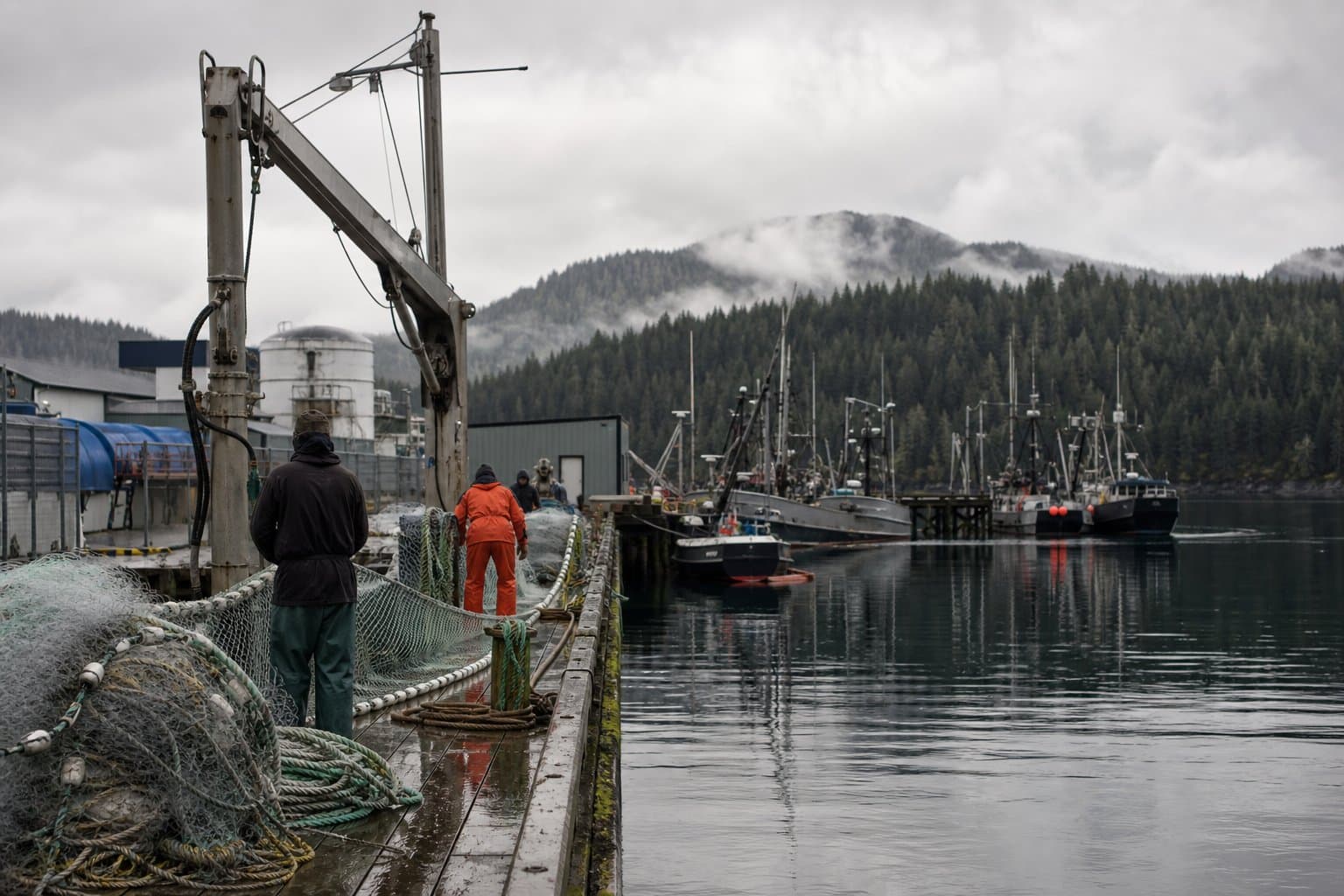
Under the state's allocation plan, the department adds up the dockside value of fish from the Prince William Sound Aquaculture Corporation's hatcheries that each fleet caught over the past five years. Set gillnetters are meant to get 4%. If their share tops 5%, their fishing time is capped starting July 10 the next year. Drift gillnetters and seiners split the rest evenly, and if either falls to 45% or less, it gets an area to itself the next year.
Set-netters' share swings widely from year to year, from 2.1% in 2021 to 12.2% in 2024. The new five-year window dropped 2020, when they took 5.5%, and added 2025, when they took 3.7%. That was enough to bring the average down from 5.3%. The next calculation will drop 2021 and add this year's catch.
Between the two boat fleets, drift gillnetters took 50.8% and seiners 49.2% of the value left after set-netters' share. Neither fell to 45%, so seiners keep exclusive access to the Port Chalmers Subdistrict in 2027, as they had this year. Drift gillnetters get that area from June 1 through July 30 only when their share falls to 45% or less, which last happened in the calculation covering 2019 through 2023. They fished Port Chalmers in 2025.
What did you make of this story? (no account needed)
Made by our human newsroom with AI. Reviewed by Cale Green. How humans and AI work here · Grow with our newsroom ·
Get Alaska News in your inbox
Create your free account and get the day’s top stories around 6 each morning, in a few minutes’ read.
Top stories, around 6 each morning.
Stories on what you follow, on Sundays.
Source: Alaska Department of Fish and Game, Eshamy set-netters' 36-hour weekly cap lifts for 2027 as their share of Prince William Sound hatchery salmon slips to 4.9%; seiners keep Port Chalmers.



Comments
Sign in to leave a comment.
No comments yet. Be the first to share your thoughts.