
Photo: Tom Patterson via Wikimedia Commons · Photo source · Public domain
Prince William Sound salmon value falls 45% below average as pink harvest hits a 1970s low
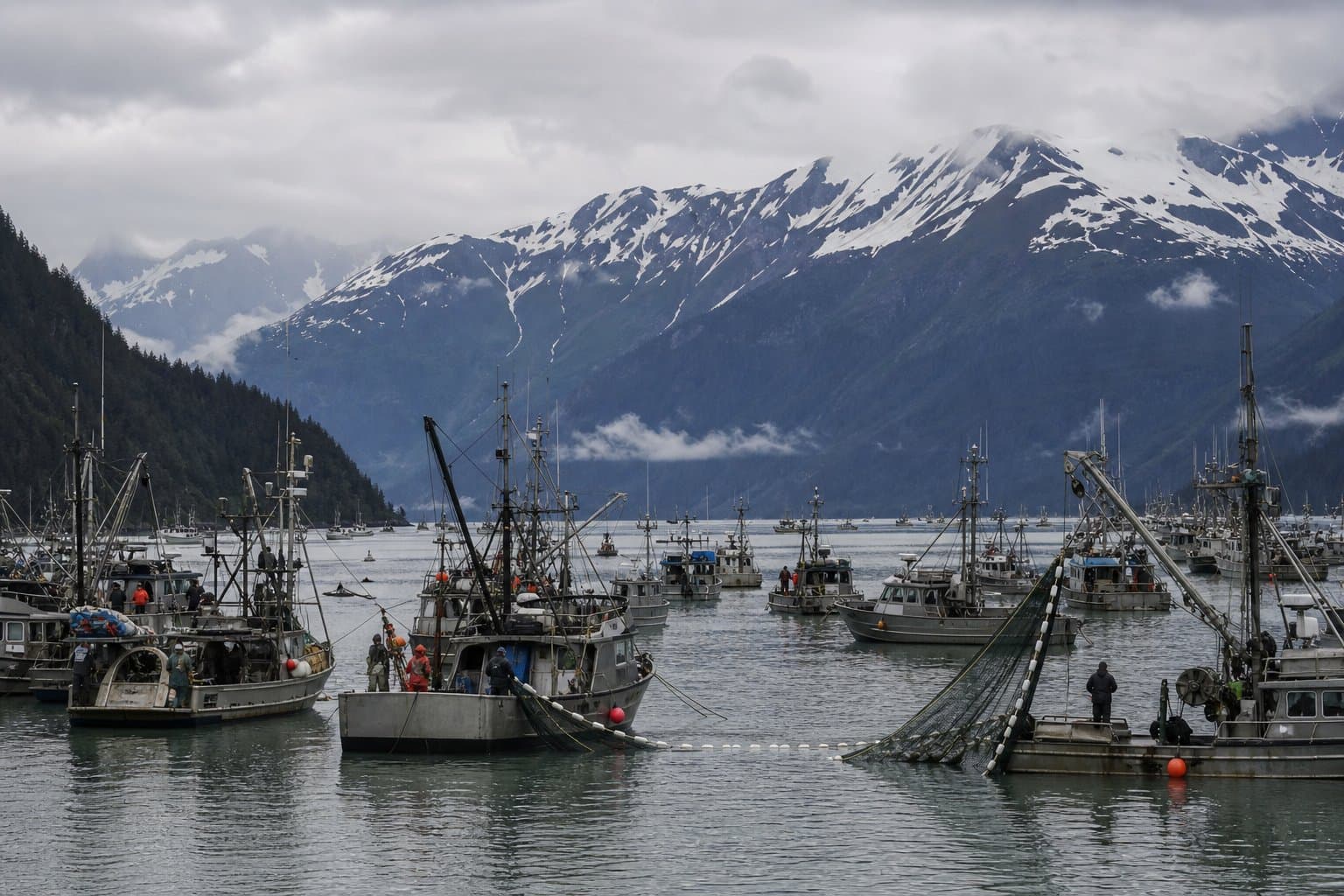
Prince William Sound's salmon season was worth a little more than half what it usually is this year, and its pink salmon harvest was the smallest since the Sound's hatcheries opened in the late 1970s, the Alaska Department of Fish and Game said Friday.
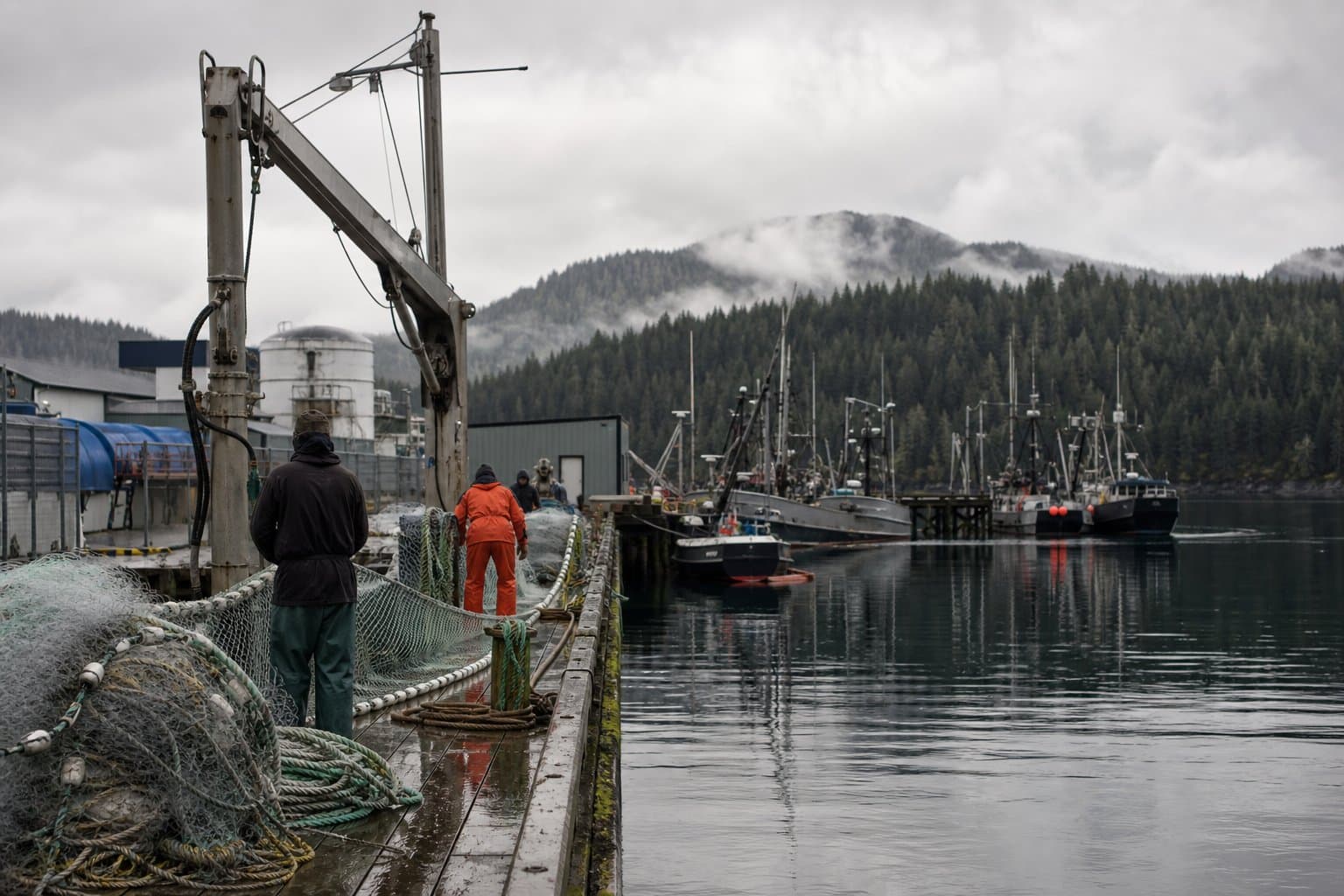
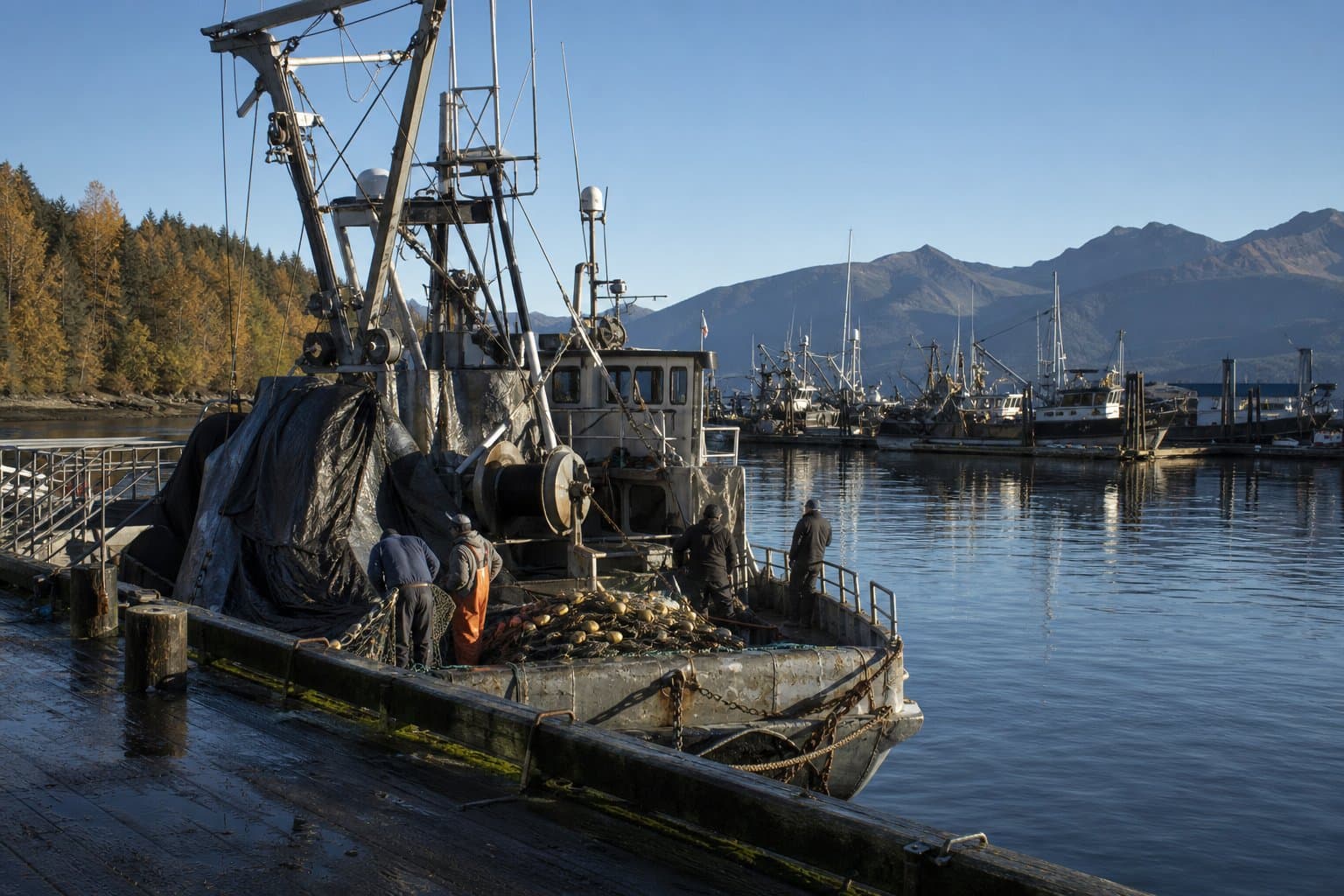
For the people who fish it, the drop was steep. Purse seiners averaged about $74,100 per permit. That's less than half their 10-year average of $176,000, and a third of the $223,000 they averaged last year. Drift gillnetters averaged $46,900, against a 10-year average of $64,500, and set gillnetters $54,600, against $70,300.
The department said the low value largely reflects sockeye, pink and chum runs that came in under forecast. It had expected more than 21 million pinks, wild and hatchery fish combined. At the Valdez Fisheries Development Association's hatchery, 527,000 pinks came back, 95% below its forecast of 10.18 million. The commercial chum catch was 48% below forecast. In August, the seine fishery was closed, with its next opening tied to hatchery returns rather than a date.
On the Copper River, the sockeye fishery was open just 96 hours this season, against a 10-year average of 600, under what the department called conservative management. Its sockeye harvest of 248,000 fish was 66% below average, and kings were scarce too. Coho were the bright spot, coming in above average.
In Cordova, where the city budget leans on fish taxes, the season has been felt for months. In July, a council member warned of "extremely hard choices" this winter. Last month, the council agreed to budget $300,000 in raw fish tax for 2027 and to set aside about $1 million from this year for next. Finance Director Sheryl Glasen said fish tax next year is going to be "unprecedentedly low."
The department estimates the season's total value at $49.6 million, 45% below the 2016-2025 average of $90.6 million. That figure isn't what fishermen took home. It includes about $16.2 million earned by hatchery operations, which catch and sell part of the return to pay their costs. Subtracting that leaves about $33 million for the commercial catch.
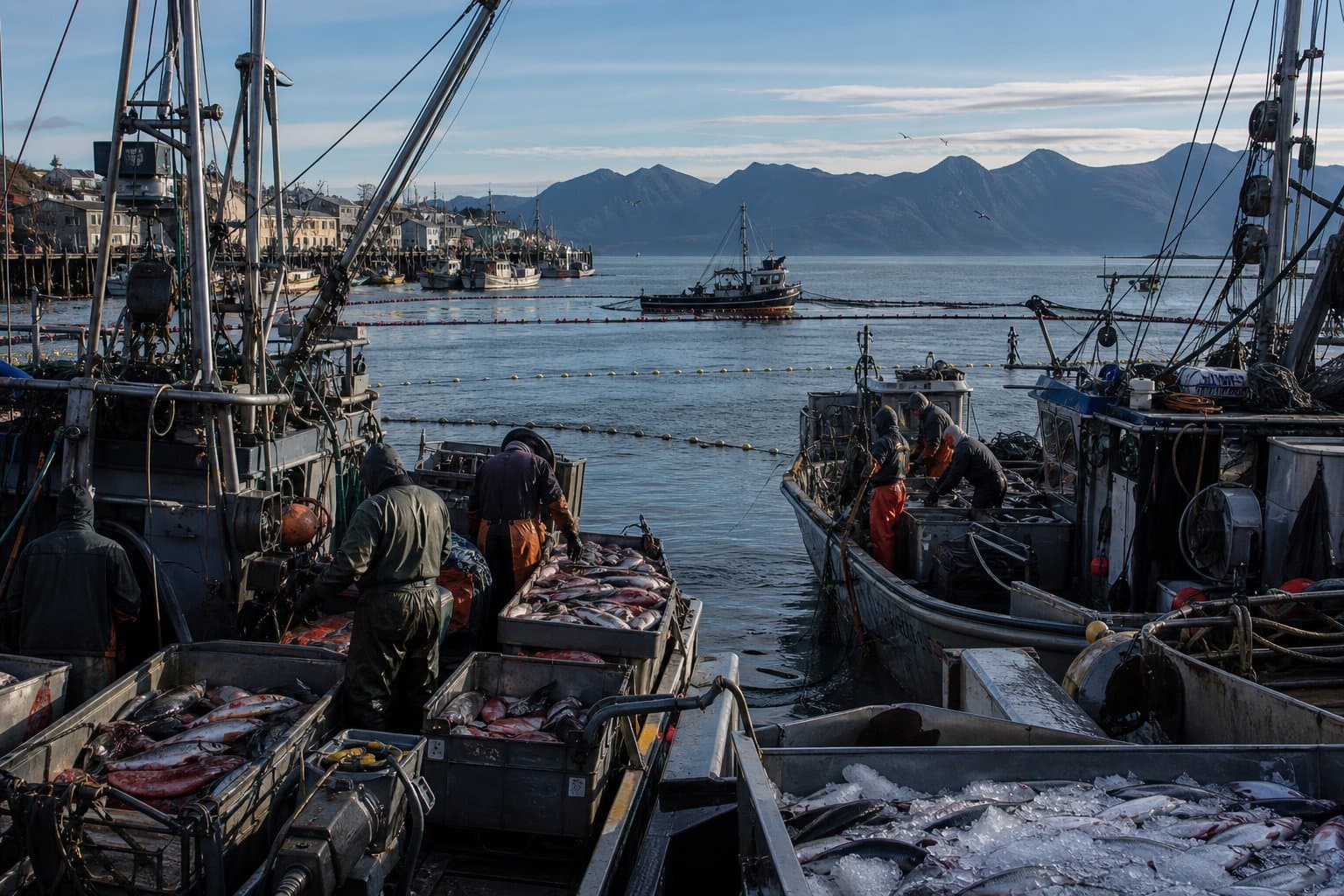
The total harvest was 7.70 million salmon: 5.40 million pinks, 1.13 million chums, 763,000 sockeye, 406,000 coho and 4,760 kings. Commercial fishermen took 4.4 million of them. The other 3.27 million went to hatchery cost recovery and broodstock, the fish kept to supply eggs for future runs.
Last year, by comparison, the Sound's harvest was 51.56 million salmon, including 45.04 million pinks, worth about $90.88 million, according to the department's 2025 summary.
This year's figures are preliminary. They count 176 purse seine, 382 drift gillnet and 24 set gillnet permit holders who fished at least once.
What did you make of this story? (no account needed)
Made by our human newsroom with AI. Reviewed by Cale Green. How humans and AI work here · Grow with our newsroom ·
Get Alaska News in your inbox
Create your free account and get the day’s top stories around 6 each morning, in a few minutes’ read.
Top stories, around 6 each morning.
Stories on what you follow, on Sundays.
Source: ADF&G releases 2026 Prince William Sound salmon season summary, released .




Comments
Sign in to leave a comment.
No comments yet. Be the first to share your thoughts.