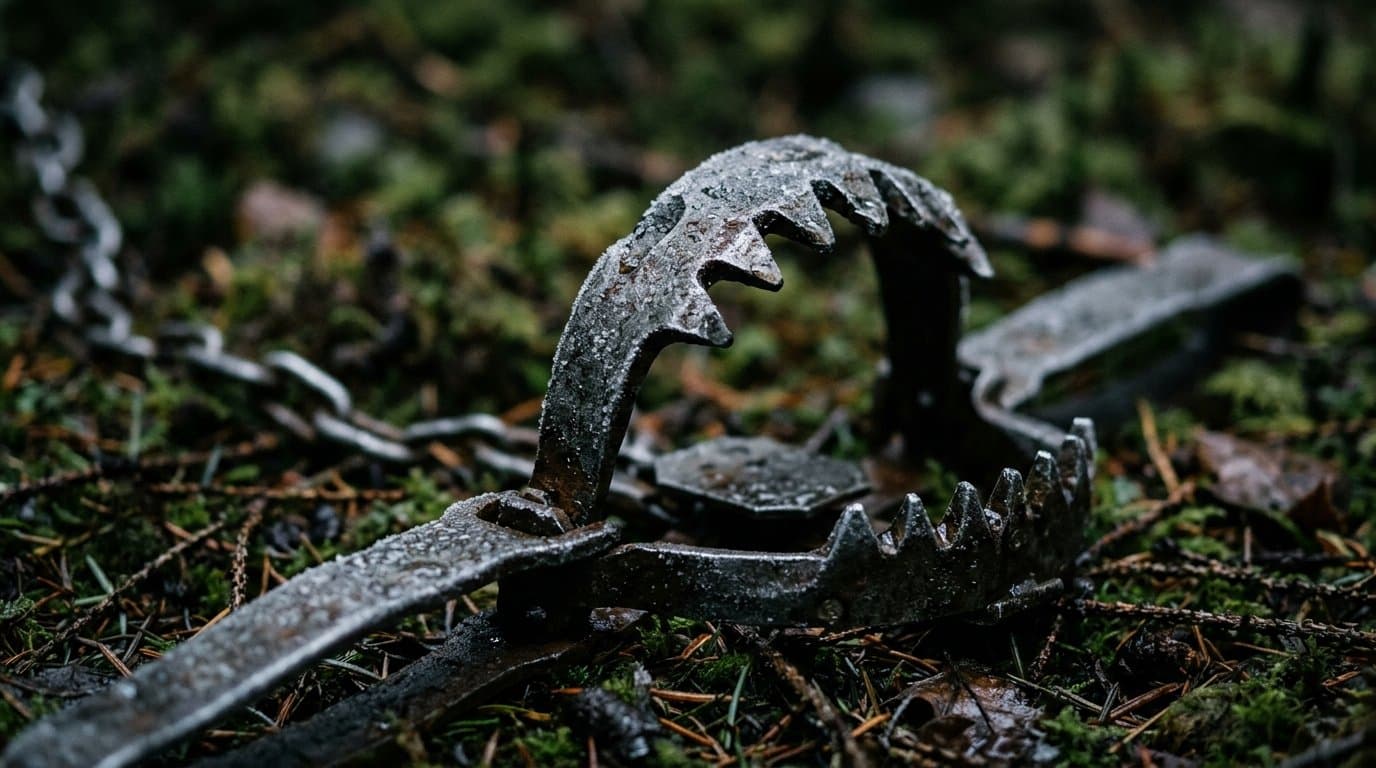
AI image
Prince of Wales wolf trapping season stays at 31 days as estimate dips below state goal
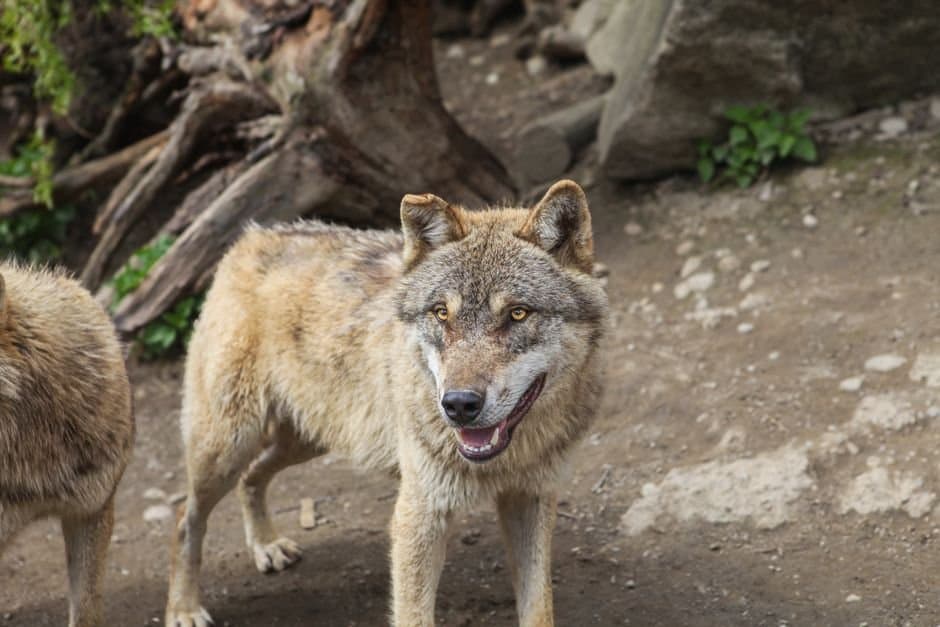
Trappers on Prince of Wales Island will get 31 days to trap wolves this winter, the same as every season since 2021, the Alaska Department of Fish and Game and the U.S. Forest Service announced Friday.
The estimate behind the decision is lower than in recent years. Fish and Game estimated 187 wolves in Game Management Unit 2, Prince of Wales and nearby islands, last fall. That's below every estimate from 2021 through 2024, and below the 200 to 300 wolves the Alaska Board of Game set as its goal in January.
The department says the population is holding steady. Its announcement called the estimate "slightly lower" than those from 2021 to 2024 and said the long-term trend shows a stable population that can support a 31-day season. Neither the announcement nor the emergency order setting the season mentions the board's goal.
The department is 95% confident the true count falls between 125 and 279 wolves.
The island's wolves are mostly reproductively isolated from neighboring populations and have low genetic diversity, which the department says could raise the risk of inbreeding depression. Citing that, the department asked the Board of Game to raise the island's population objective, the range harvest is managed to keep wolves within, from 150 to 200 wolves. The board voted 6-1 for the change at its Wrangell meeting Jan. 26. It rejected a proposal to start the trapping season later and took no action on one to extend it to 45 days.
Managers regulate the island's wolf harvest by setting the length of the trapping season. Since they started doing that in 2019, harvest has averaged 29% of the estimated fall population. The 31-day seasons since 2021 have produced 45 to 74 wolves a season. "The consistency in harvest and abundance point to a stable wolf population and sustainable harvest management," the announcement said.
Estimating the population takes about 10 months, so each fall's estimate guides the next year's season. The estimates rely partly on wolf hair. Scented boards in the woods snag it, and biologists identify individual wolves from DNA in the follicles, using a hair-trap network the Hydaburg Cooperative Association began running in 2016. This season the department also asked for the foreleg bones of wolves taken on the island, to tell pups from adults.
Trapping opens Nov. 15 and closes at 11:59 pm Dec. 15, with no limit on wolves. Hunting, open since Sept. 1 with a limit of five wolves, closes at the same time. Every wolf taken in the unit must be reported to the department's Ketchikan office within seven days and its hide sealed within 15.
What did you make of this story? (no account needed)
Made by our human newsroom with AI. Reviewed by Cale Green. How humans and AI work here · Grow with our newsroom ·
Get Alaska News in your inbox
Create your free account and get the day’s top stories around 6 each morning, in a few minutes’ read.
Top stories, around 6 each morning.
Stories on what you follow, on Sundays.
Based on a press release from Alaska Department of Fish and Game.






Comments
Sign in to leave a comment.
No comments yet. Be the first to share your thoughts.