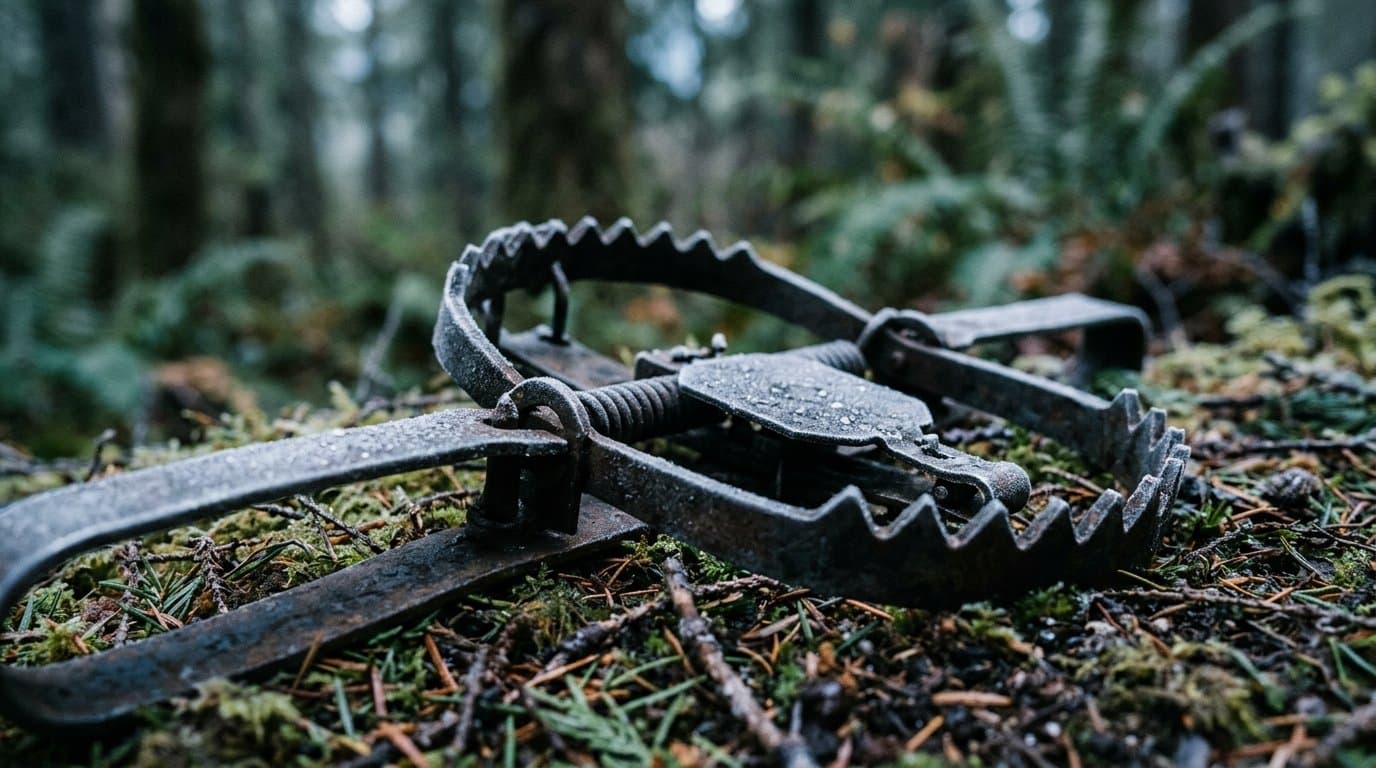
AI image
Fish and Game and Forest Service to hear public Nov. 2 on Prince of Wales wolf trapping
The Alaska Department of Fish and Game and the U.S. Forest Service will take public comment Nov. 2 in Klawock on this fall's wolf trapping season on Prince of Wales and nearby islands.
Managers there control the wolf harvest by setting how many days trappers get each year. Last fall they allowed 31 days, Nov. 15 to Dec. 15. Trappers have taken an average of 2.4 wolves a day since 2019, and at that rate 31 days is likely to produce a harvest of about 74 wolves, the department estimated. Harvest has averaged 30% of the estimated population since 2019, which the department says has proven sustainable.
The department's latest estimate, for fall 2024, put the population at about 245 wolves. Estimates from 2021 through 2024 ranged from about 238 to 268, which the department calls stable. Over the past decade they have swung widely, from about 89 wolves in 2014 to 386 in 2020. Biologists estimate the population from DNA in wolf hair snagged on boards in the woods, with help from the Forest Service and the Hydaburg Cooperative Association, and from tissue taken from harvested wolves.
In 2026 the Alaska Board of Game raised the unit's population objective to 200 to 300 wolves, up from 150 to 200. The department says the island wolves are mostly reproductively isolated from neighboring populations and have low genetic diversity, which potentially elevates the risk of inbreeding depression. Its goal is a population that can sustain a harvest while conserving the genetic diversity it has, by keeping numbers within the objective.
The meeting runs 6 to 8 pm at Generations Southeast in Klawock, and people can also join online through Microsoft Teams or by phone, according to the announcement.
Trappers who take a wolf in the unit must report it to the Ketchikan office within seven days and have the hide sealed within 15. Fish and Game is also asking for a foreleg bone from each wolf taken there, to tell pups from adults, and for skin and muscle samples from wolves taken in Units 1, 2, 3 and 5 for genetic and diet studies, Alaska News reported in August.
Based on a press release from Alaska Department of Fish and Game.
Made by our human newsroom with AI. How humans and AI work here · Grow with our newsroom
Stay informed. Support what matters.
Free, permanent access to local news you can verify. Subscribe to support Maggie AlaskaNews and go ad-free.
Related Coverage
Southeast wolf hunters will be asked to leave a little of the animal behind
Alaska News · 1mo ago
Fish board committee to review Traditional Knowledge report process Sept. 25
Alaska News · 1mo ago
Fish and Game opens registration Nov. 12 for $25 Trapping 101 class in Fairbanks
Alaska News · 1w ago
Board of Game moves Ambler Road hunting closure up to a Nov. 20 web conference
Alaska News · 1w ago
Trawl meeting in Anchorage Oct. 16 will take no remote testimony
Alaska News · 3w ago
Comments
Sign in to leave a comment.
No comments yet. Be the first to share your thoughts.