AI image
Northwest Arctic board weighs push to raise a dorm stipend unchanged since 2014
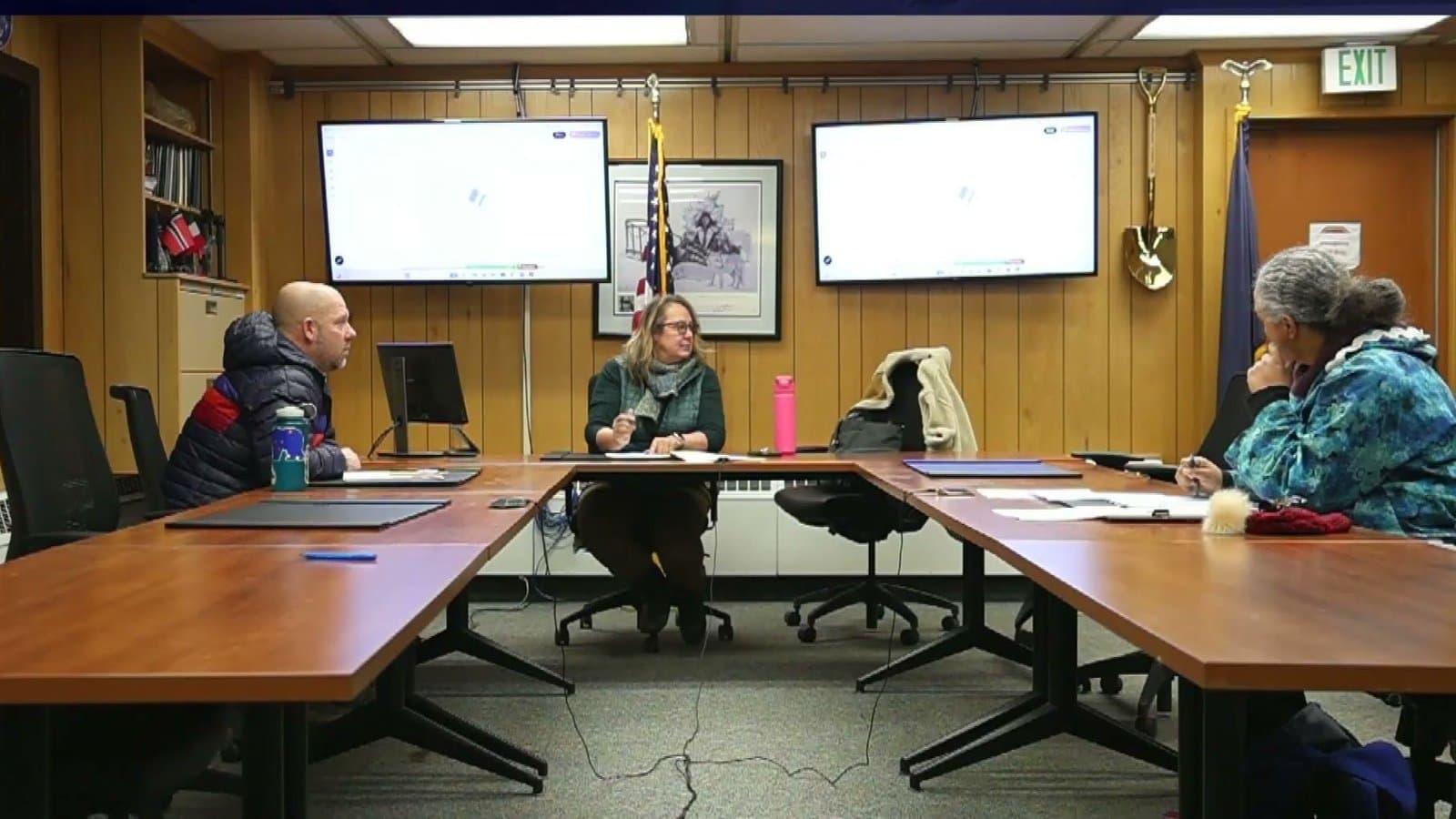
The Northwest Arctic Borough School District's board will consider a resolution Tuesday urging the Legislature and the governor to raise the money the state pays to house and feed high school students who live in dorms away from home. The rate hasn't changed since the 2014-15 school year.
In Kotzebue, the district runs STAR of the Northwest Magnet School. Fourteen students lived in its dorms full time as of September, from Kobuk, Noorvik, Kiana, Deering, Buckland, Fairbanks and Anchorage, according to a report to the board that month. The report lists open gym at the Kotzebue schools, roller skating, volleyball, baking and movie nights.
The state pays districts with approved residential schools a monthly amount for each student to cover room and board. State law sets a maximum for each region, from $1,200 a month in Southcentral to $1,776 in what it calls the Northern Remote Region.
Room and board cost about $25,700 per student in fiscal 2024, the resolution says, more than double what the stipend paid. Sen. Mike Cronk, the Senate minority leader and a Republican from Tok, told the Senate Finance Committee in May that the figure came from a fall 2025 study of audited costs at seven residential schools. The stipend averaged $12,900, he said.
"Several school districts are almost at a point where they have to choose between funding their community schools or the residential programs, in which we know the residential programs will be eliminated first," Cronk told the committee.
From fiscal 2023 through 2025, the Legislature and the governor added $3.6 million in one-time money, according to the resolution. School officials have told lawmakers it amounted to a 25% increase each year. It ended after fiscal 2025, and the stipend went back to the 2014 rates. The resolution says residential schools were the only public schools in Alaska whose state funding went down from fiscal 2025 to 2026.
The resolution says residential schools are attended mostly by Alaska Native students, many from rural and remote communities, and that those students "should not have fewer opportunities simply because of where they were born or where their families live."
The resolution asks for a bill like Senate Bill 257, which Cronk introduced in February. It would tie the stipend to the Base Student Allocation, the state's per-student school funding amount. The top rate would roughly double, to about $3,530 a month.
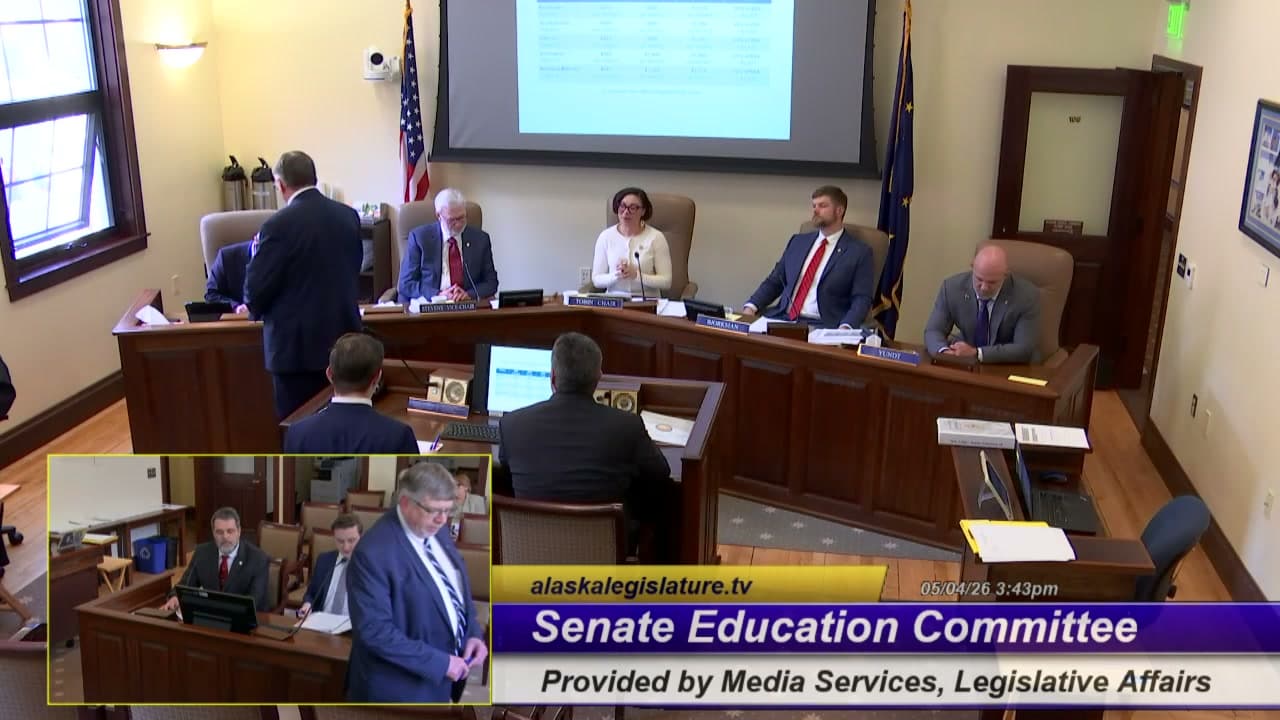
"SB 257 ties the stipend to the BSA so that our residential schools aren't left behind," Cronk told the Senate Education Committee on May 4.
The Education Department estimated the bill would cost $8.7 million more a year, nearly doubling the $9.3 million the governor requested for the program.
Senate Education heard the bill May 4 and held it. On May 18, Cronk offered the same increase as an amendment to a House education bill in Senate Finance. He withdrew it after an objection that it should have come earlier in the session.
A House bill with a smaller increase, to $2,237 a month at the top rate, cleared the House Education Committee and went to House Finance on April 1. It went no further. Neither bill passed before the regular session ended in May, and a new Legislature convenes in January.
The stipend started in 2006 at $592 a month in the Northern Remote Region, according to a history from Cronk's office. It doubled in 2013 and rose 50% in 2014.
What did you make of this story? (no account needed)
Made by our human newsroom with AI. Reviewed by Cale Green. How humans and AI work here · Grow with our newsroom ·
Keep Alaska News free for everyone.
No paywall, ever. Members pay so everyone can read the meetings and records Alaska News covers.
Get Alaska News in your inbox
Create your free account and get the day’s top stories around 6 each morning, in a few minutes’ read.
Top stories, around 6 each morning.
Stories on what you follow, on Sundays.
Source: Northwest Arctic Borough School District, Board of Education, Northwest Arctic school board to urge Legislature to raise residential school stipends, flat since 2015.






Comments
Sign in to leave a comment.
No comments yet. Be the first to share your thoughts.