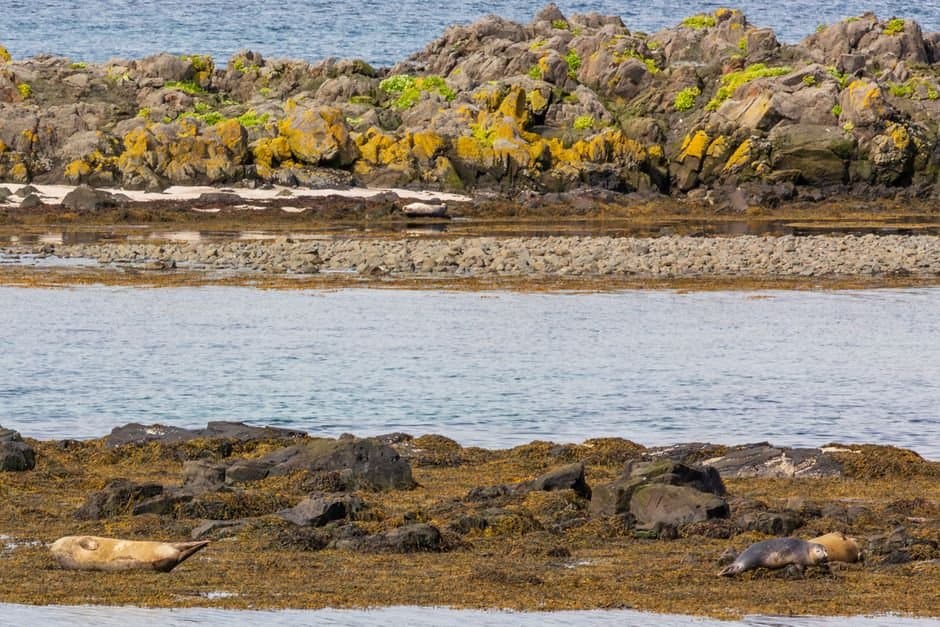
Photo by Fahad AlAni on Pexels · Source
NOAA awards $99,451 to St. George Island tribe for another year of seal monitoring
Northern fur seals on St. George Island died last summer with the highest saxitoxin level ever recorded in the species. The local monitors tasked with tracking the health of that population and reporting on harvests are set to get another year of funding to keep doing that work.
NOAA Fisheries is scheduled to award $99,451 to the Aleut Community of Saint George Island to keep local monitors watching northern fur seals and Steller sea lions on the island for another year, with the award period running Oct. 1, 2026, through Sept. 30, 2027. The money pays for the Island Sentinel positions inside the St. George Traditional Council's Kayumixtax Eco-Office. Their tasks include harvest monitoring, tissue sampling, fur seal habitat management, environmental review, and assisting with priority NMFS research projects.
In August 2025, NOAA Fisheries biologists confirmed 21 dead northern fur seals on St. George Island, part of a broader multispecies mortality event that also involved dozens of dead seabirds and fish. Laboratory testing found saxitoxin in all eight seals sampled, produced by the harmful algal species Alexandrium catenella; the seals tested negative for Highly Pathogenic Avian Influenza. "One seal had the highest level of saxitoxin ever recorded for a northern fur seal," Kathi Lefebvre, a research biologist, said in a NOAA Fisheries account of the findings published in February. The Alaska Ocean Observing System had confirmed the bloom near the Pribilof Islands a month before the die-off. In August 2024, 10 fur seals died on St. Paul Island under similar circumstances.
The award continues a co-management agreement the Aleut Community signed with the National Marine Fisheries Service in 2001 under Section 119 of the Marine Mammal Protection Act, which authorizes federal agencies to enter cooperative agreements with Alaska Native organizations on marine mammal conservation. NOAA Fisheries has trained and authorized tribal members on St. Paul and St. George to monitor and disentangle northern fur seals since the mid-1990s.
The Island Sentinels also handle inventory and maintenance of NMFS equipment on the island. Field activities are scheduled to run April 1, 2026, through March 31, 2027.
The Eastern Pacific stock of northern fur seals was designated depleted under the Marine Mammal Protection Act in 1988 and now numbers about 600,000.
The federal record does not say what the tribe will do if the blooms return.
AI-assisted, reviewed by editors. Spot an error?
Stay informed. Support what matters.
Free, permanent access to local news you can verify. Subscribe to support Maggie AlaskaNews and go ad-free.
Related Coverage
NOAA awards Fish and Game $1.57 million for ice seal and sea lion monitoring
Alaska News · 1h ago · 88% match
NOAA is still testing groundwater in the Pribilofs, decades after it left
Alaska News · 2d ago · 84% match
Mercury in Western Aleutian sea lion pups exceeds safety thresholds, prompting $1.5M NSF study
Alaska News · 4w ago · 80% match
NMFS creates rodent detection dog exception to Pribilof dog ban
Alaska News · 1mo ago · 78% match
Aleutian Islands golden king crab quota rises 13% for 2026/27
Alaska News · 1mo ago · 76% match
Comments
Sign in to leave a comment.
No comments yet. Be the first to share your thoughts.