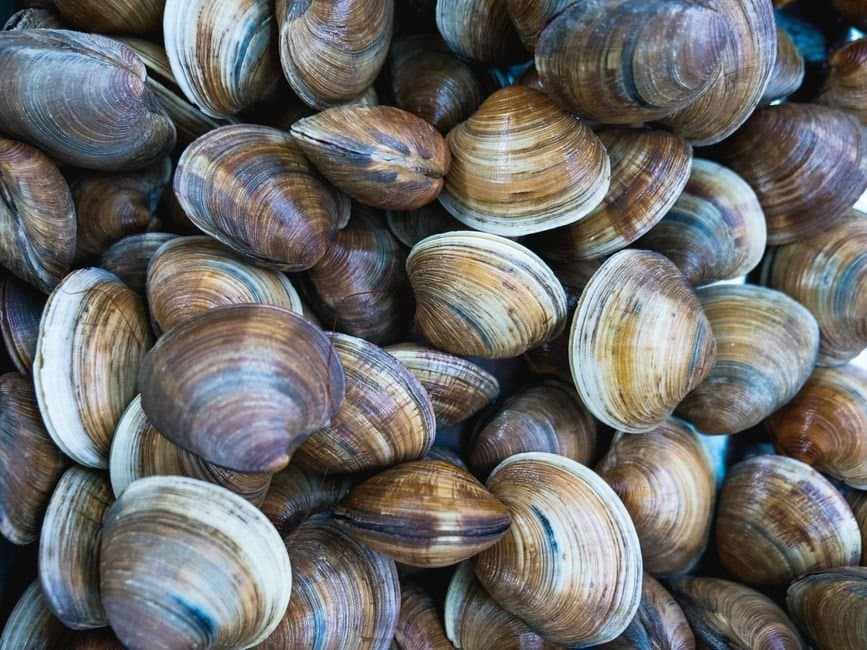
Photo by Kindel Media on Pexels · Photo source
Don't eat the clams: ADF&G can't tell Juneau harvesters which beaches are safe — because nobody's regularly testing
The Alaska Department of Fish and Game has a clear message for anyone thinking about digging clams in Juneau-area waters this summer: don't. Not because the clams are necessarily contaminated, but because the state has no way to tell.
No beaches in the Juneau area are monitored on a regular basis for Paralytic Shellfish Poisoning toxins, ADF&G said in its June 10 Juneau Fishing Report. Without ongoing testing, the agency can't certify any particular beach as safe — and clams of any species, at any time of year, can contain enough PSP toxin to be fatal.
The toxin is what makes this dangerous beyond ordinary food safety risks. PSP isn't destroyed by freezing, cooking, steaming, frying, baking, or microwaving. There is no antidote. Symptoms progress from tingling lips and tongue to paralysis of the breathing muscles, and death follows if enough toxin is consumed.
The capital city's monitoring gap stands in sharp contrast to Southcentral Alaska, where ADF&G regularly tests and classifies specific recreational beaches as safe when open — places like Halibut Cove Lagoon, Jakolof Bay, and Tutka Bay near Homer. Area management biologist Daniel Teske recommends diggers either travel to Southcentral or buy commercially harvested clams, which are routinely tested for PSP and bacteria.
The Southeast Alaska Tribal Ocean Research project — SEATOR, a tribal-led monitoring partnership — conducts sporadic sampling and publishes an advisory map, partially filling the gap state monitoring has left. But SEATOR's own advisories make clear that any shellfish harvest in Southeast remains "at the harvester's own risk."
That risk is increasing. Harmful algal blooms — the source of PSP toxins — are becoming more frequent and intense in Alaska waters as the Gulf of Alaska warms. Clam harvesting has been part of Tlingit traditional food practice in Southeast Alaska for thousands of years, and the practical implication of the current state advisory is that Juneau-area harvesters following ADF&G's recommendation either pay for commercially harvested shellfish or travel hundreds of miles to a tested beach.
Anyone who consumes non-commercially harvested shellfish does so at their own risk. Suspected PSP cases should prompt immediate emergency response and reporting to the state Section of Epidemiology.
Based on a press release from Alaska Department of Fish and Game.
Made by our human newsroom with AI. How humans and AI work here · Grow with our newsroom
Stay informed. Support what matters.
Free, permanent access to local news you can verify. Subscribe to support Alaska News and go ad-free.
Related Coverage
No Juneau beach is tested for the toxin in clams
Alaska News · 3mo ago
Cook Inlet Razor Clam Harvest Now Requires a Permit
Alaska News · 4mo ago
East Cook Inlet clam beaches stay closed; the west side is the option
Alaska News · 2mo ago
Cook Inlet clammers need a permit, and the east-side beaches stay empty
Alaska News · 3mo ago
State testing finds little or no PFAS in Alaska marine fish, with one exception for pollock
Alaska News · 2mo ago
Comments
Sign in to leave a comment.
No comments yet. Be the first to share your thoughts.