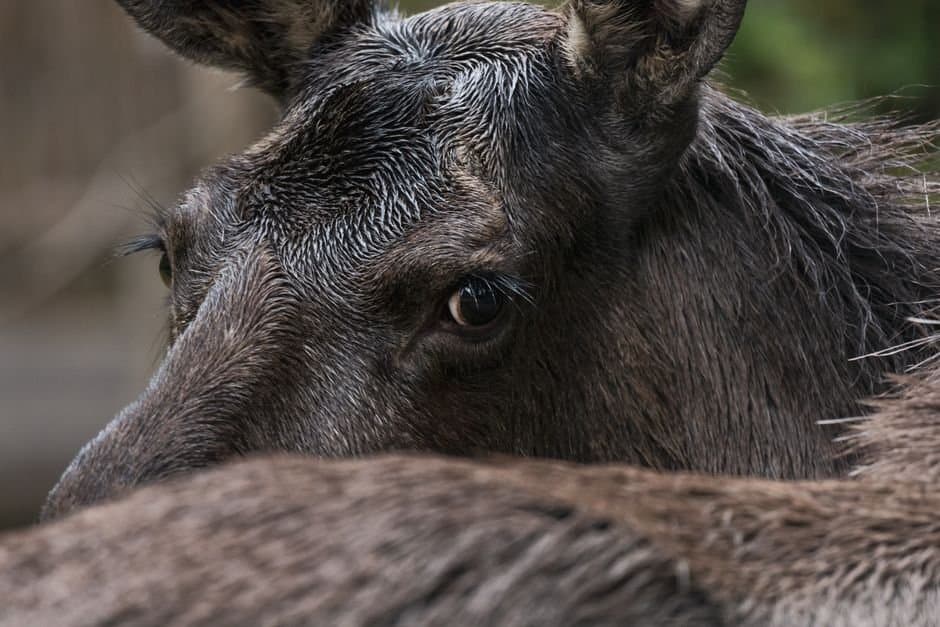
Moose in Gates of the Arctic are up 48 percent, and researchers point to shrubs
Moose in the Gates of the Arctic survey area are up roughly 48 percent in a decade. A National Park Service update posted in March put the estimate at 1,308, against 883 in 2015.
Researchers have an explanation for why moose are pushing into country that had almost none of them a century and a half ago: the shrubs got tall enough to eat.
Northern moose distribution is limited by how much forage sits above the snow in late winter. A 2016 study by U.S. Geological Survey and University of Alaska Fairbanks researchers estimated that riparian shrubs in Arctic Alaska stood about 1.1 meters tall around 1860, against 2 meters by 2009. That growth, driven by warming, opened up enough winter browse for moose to colonize tundra hundreds of kilometers north and west of where they had been.
An earlier hypothesis held that moose moved north because hunting stopped. The study argued the shrubs did it.
The numbers matter to more than biologists. Gates of the Arctic was established with subsistence protections, and local rural residents hunt inside it. The survey came up at a Federal Subsistence Board work session in July.
Counting them takes aircraft. There are no roads, so a federal contract will fund on-call fixed-wing flights over the park and preserve for the 2026 surveys. Interior awarded the work to 40-Mile Air, Ltd. of Tok for $30,000 against three bids, for the Park Service's Alaska regional office. It began Aug. 21 and runs through July 31, 2027, with flights operating from Kobuk at the park's southwest edge.
Source: Department of the Interior, Department of the Interior: Department of the Interior: 40-MILE AIR, LTD. for FIXED WING ON CALL FLIGHT SERVICES FOR NPS 2026 GAAR MOOSE FLIGHTS ($30,000).
Made by our human newsroom with AI. How humans and AI work here · Grow with our newsroom
Stay informed. Support what matters.
Free, permanent access to local news you can verify. Subscribe to support Maggie AlaskaNews and go ad-free.
Related Coverage
Tok's 40-Mile Air gets $45,000 contract for helicopter flights to track Yukon-Charley wolves
Alaska News · 1w ago
Fish and Wildlife is putting GPS collars on moose in the upper Tanana
Alaska News · 1mo ago
Park Service hires Everts Air Fuel to keep avgas at two remote Alaska park units through 2030
Alaska News · 2w ago
New $605k research asks why some Denali spruce survive the beetles
Alaska News · 1mo ago
A bill would guarantee vehicle access for the village inside Gates of the Arctic
Alaska News · 3w ago
Comments
Sign in to leave a comment.
No comments yet. Be the first to share your thoughts.