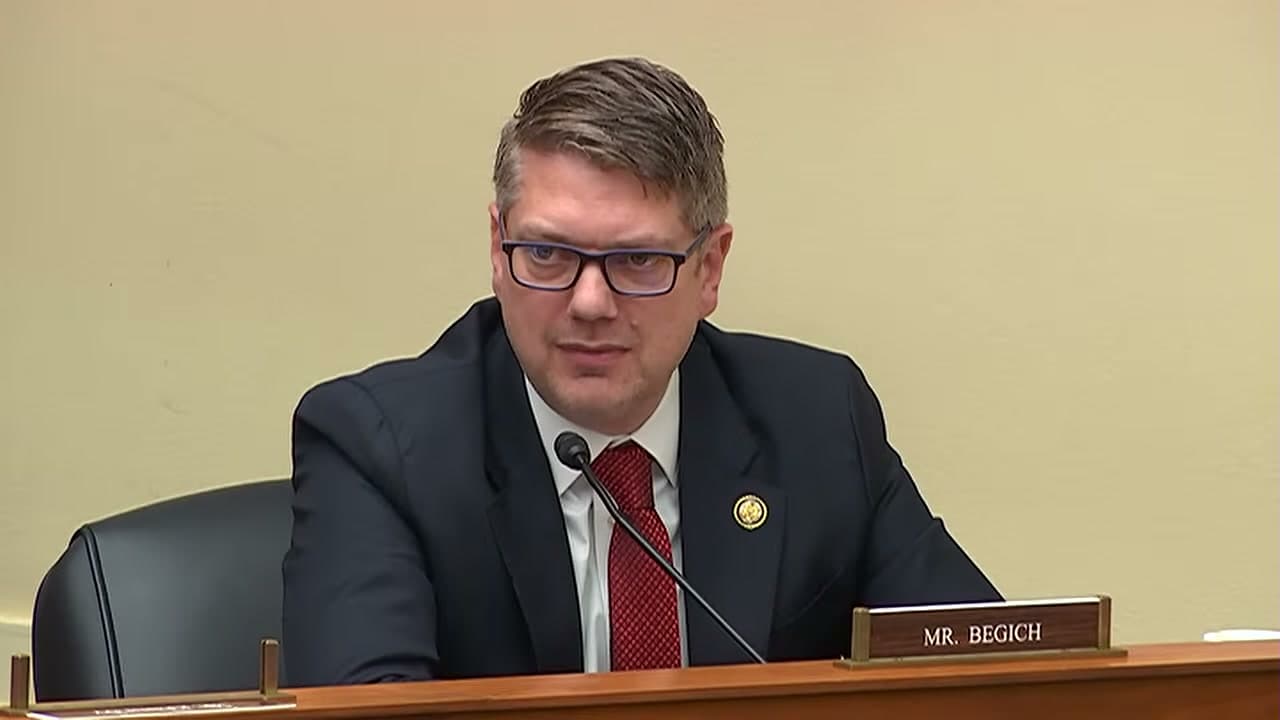
Frame from "House Science, Space, and Technology: Weathering the Solar Storm" · Photo source
NASA official tells House panel Alaska is 'ground zero' for space weather research
The head of NASA's research on the sun told a U.S. House committee Nov. 19 that Alaska is "ground zero" for understanding space weather, the storms from the sun that can damage power grids and throw off GPS.
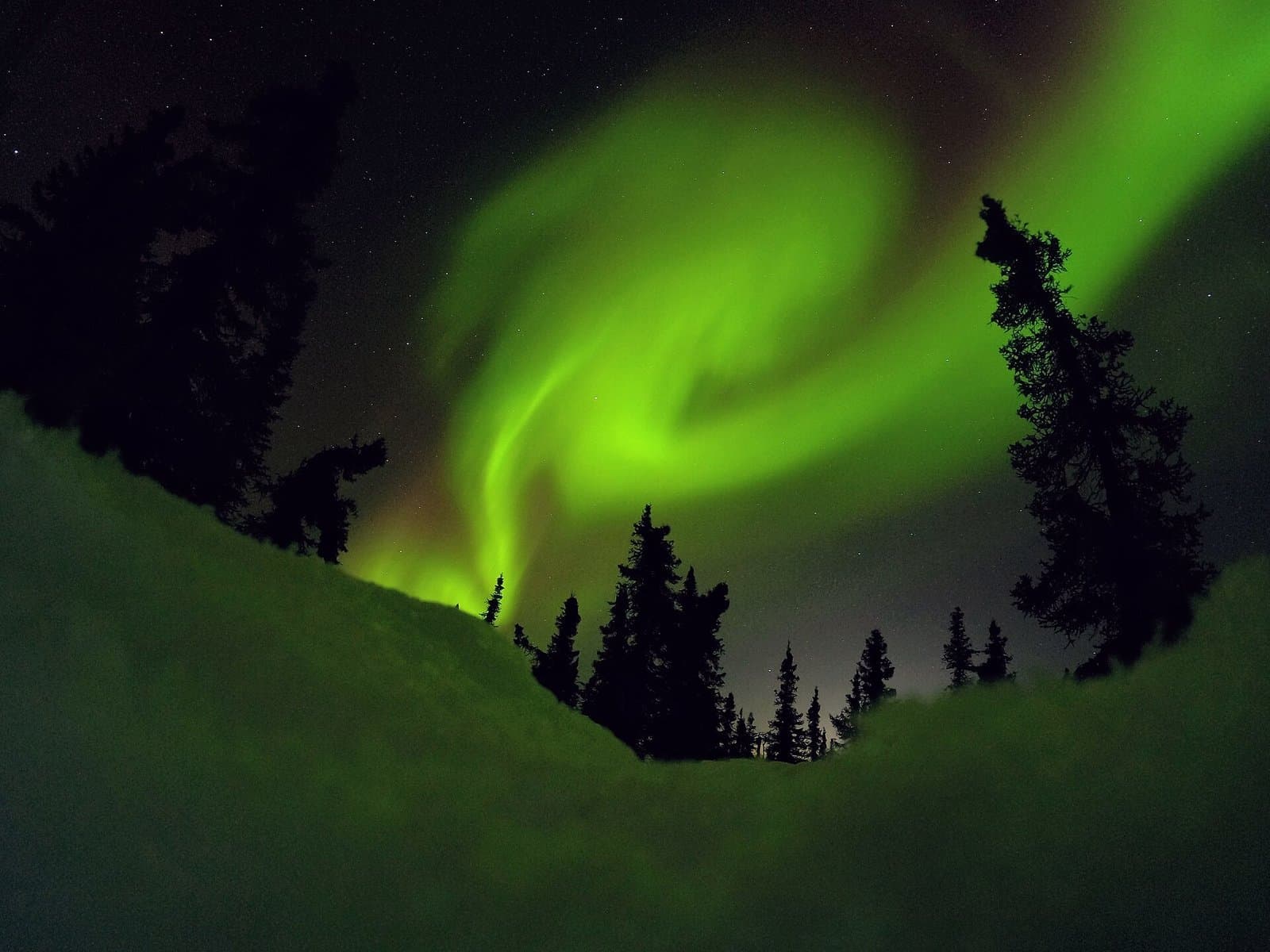
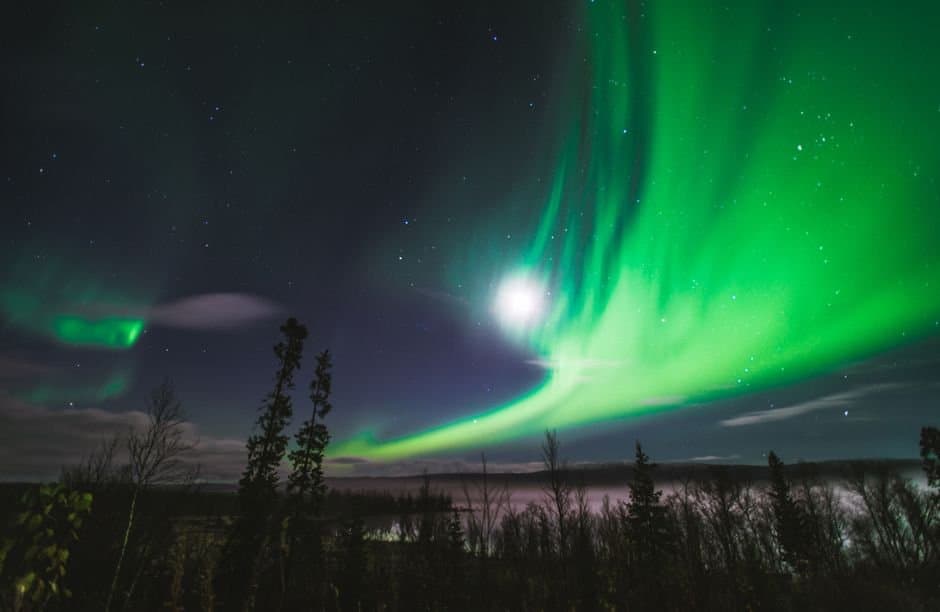
"From Fairbanks you go directly into the aurora," said Joseph Westlake, director of NASA's Heliophysics Division. Because Alaska sits under the band where the northern lights form, he said, it's the place to study "how currents actually drive our atmosphere."
At the same hearing, the director of the National Weather Service said space weather is probably what he fears most. "I think of hurricanes, I think of tornadoes. I've been through a lot over 32 years at NOAA, and it's space weather that frightens me," Ken Graham said.
It was the House Science, Space and Technology Committee's first hearing on space weather in more than seven years, said its chairman, Rep. Brian Babin, a Texas Republican.
Storms from the sun can induce electric currents that affect power grid transformers, potentially damaging the grid, and can degrade GPS accuracy, according to the committee's hearing charter. It lists a nine-hour blackout in Canada in 1989 among the storms' past effects on power grids.
A storm in May 2024 was the strongest geomagnetic storm in more than 20 years, Westlake said. It hit in the middle of planting season. GPS guidance on tractors across the Midwest degraded, and "many farmers had to park their equipment at the worst possible time." Babin said the storm, known as the Gannon storm, is estimated to have cost farmers up to $500 million.
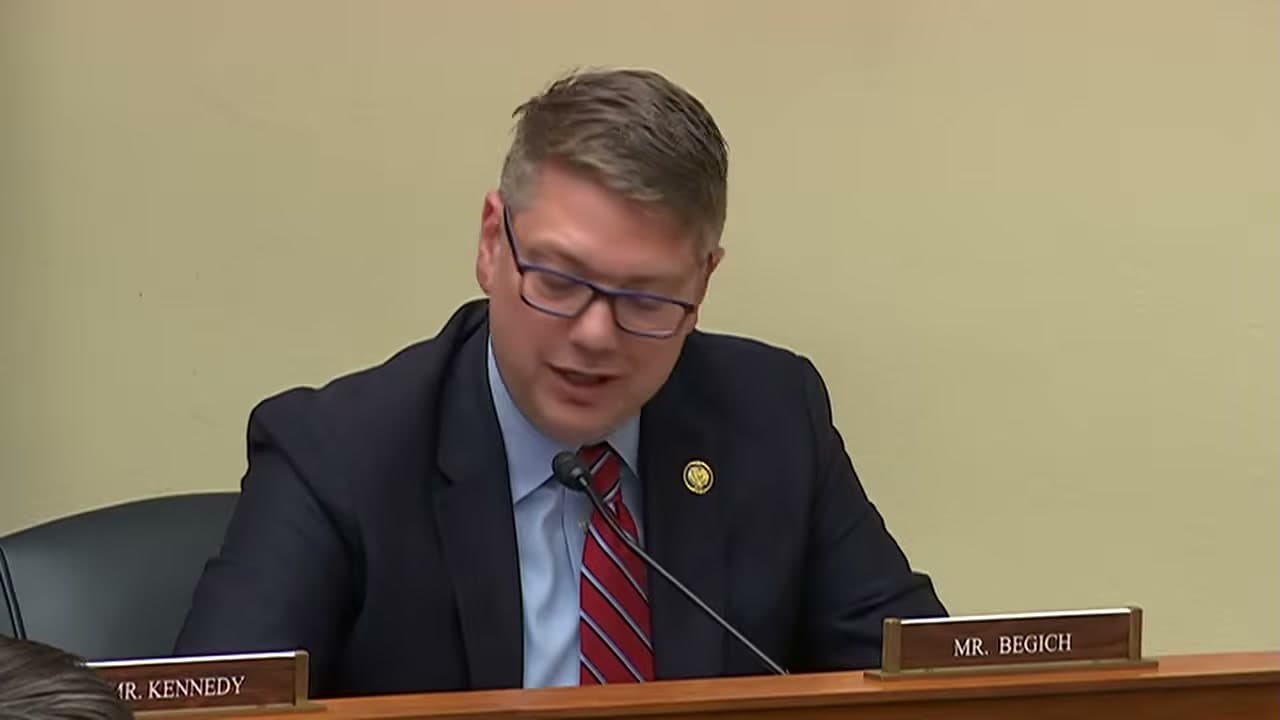
Rep. Nick Begich, Alaska's lone member of the U.S. House, used his time to press on readiness. He pointed to the Carrington event, the most famous of these storms, and said a storm like it today "would be extraordinarily dangerous." Data and forecasts, he said, have to lead to "actual on-the-ground physical infrastructure hardening." Westlake said he agreed.
Graham said space weather forecasts need to get down to the local level, the way weather forecasting did. "How does it impact a bush pilot?" he said.
Begich then asked whether the work under way in Alaska and around the country is enough. He pointed to the University of Alaska Fairbanks Geophysical Institute and its Poker Flat Research Range, where NASA launches research rockets.
Neither witness told him whether what's in place now is sufficient. Graham asked for Congress's continued support for the whole chain, from observations and forecast models to teaching communities how to protect themselves, "and then make sure that we also fund the ability to harden the infrastructure, because that's the last part of it." Westlake's "ground zero" remark came right after, as he added to Graham's answer.
Both men described the same blind spot. A southward-pointing magnetic field is the most important ingredient for a geomagnetic storm, according to NOAA's Space Weather Prediction Center. But forecasters can't tell which way a storm's field points until it reaches L1, a spot about a million miles toward the sun where spacecraft watch the incoming solar wind.
"The pitch leaves the pitcher's hand. Is it a curveball? Is it a fastball?" Westlake said. "We still don't know until it's right on our doorstep at L1."
Asked earlier what equipment the country should add, Westlake said Alaska already holds "a significant amount" of the ground equipment NASA relies on, including communications dishes and launch ranges.
Poker Flat, at Mile 30 of the Steese Highway northeast of Fairbanks, is supported by NASA's Sounding Rocket Program Office, which Westlake's division funds. In October it launched two NASA-funded rockets three days apart, carrying experiments on dying stars and cosmic dust. The House's fiscal 2027 spending bill proposes $625 million for the Heliophysics Division, the charter says.
Democrats on the committee questioned whether the government is following through on the 2020 PROSWIFT Act, which spelled out which agencies handle space weather. A federal interagency group the law calls for last published any activity in April 2024, and the outside advisory group it created held its last published meeting in September 2024, according to the charter.
Rep. April McClain Delaney, a Maryland Democrat, said administration actions had "stripped some critical funding and capacity" from agencies.
Graham said the work continues, including a revamp of NOAA's scales for rating space weather storms and a survey of what industries need. "So even not meeting in some of those, those groups, we're continuing that work," he said.
What did you make of this story? (no account needed)
Made by our human newsroom with AI. Reviewed by Cale Green. How humans and AI work here · Grow with our newsroom · Transcript byLucas Brown
Keep Alaska News free for everyone.
No paywall, ever. Members pay so everyone can read the meetings and records Alaska News covers.
Get Alaska News in your inbox
Create your free account and get the day’s top stories around 6 each morning, in a few minutes’ read.
Top stories, around 6 each morning.
Stories on what you follow, on Sundays.
This article is based on a public meeting of House Science, Space, and Technology — House Science, Space, and Technology: Weathering the Solar Storm ().
Watch key moments from the source meeting. Click to expand.




Comments
Sign in to leave a comment.
No comments yet. Be the first to share your thoughts.