
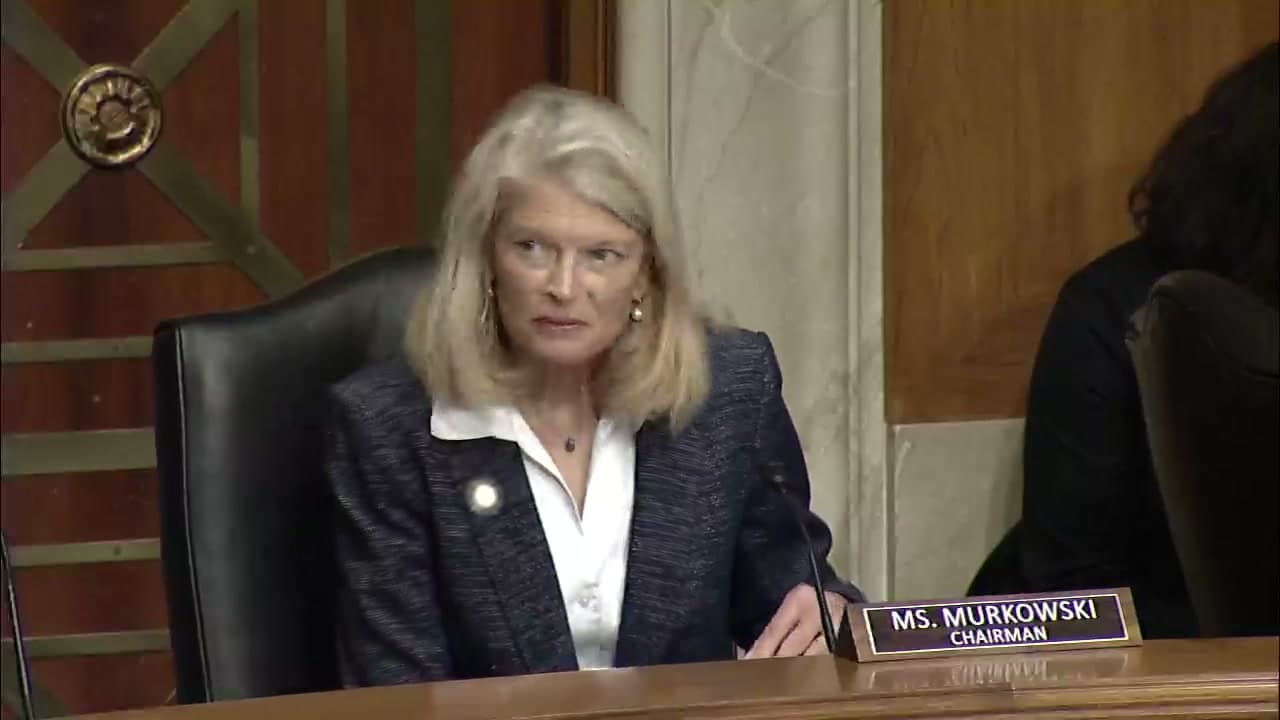
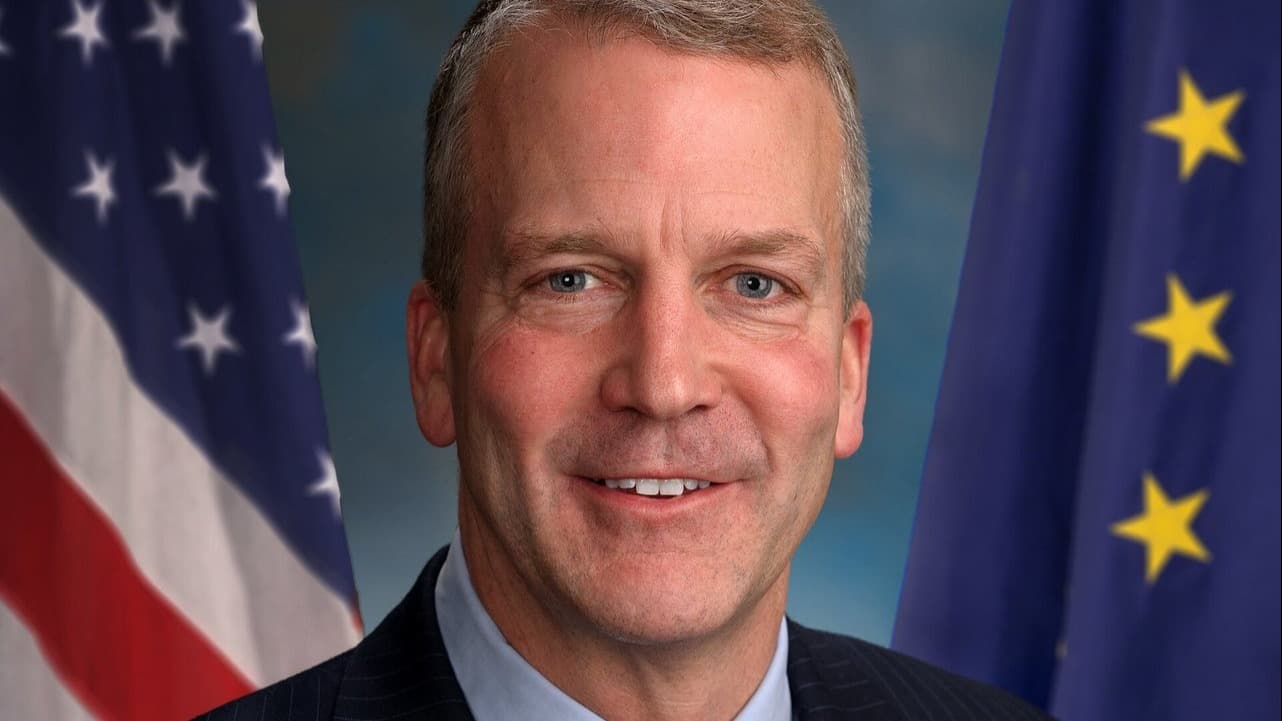
Photo: United States Senate Photo Office via Wikimedia Commons · Photo source · Public domain
Murkowski backs a bill easing a housing rule for students who've been homeless
A bill in Congress would make it easier for students who have been homeless to live in affordable apartments built with a federal tax credit.
Alaska Sen. Lisa Murkowski signed on Friday as the only cosponsor of the bill, S. 5814, which Sen. Angus King, an independent from Maine, introduced the same day. It would cover full-time students who were homeless as young people, along with some veterans.
The bill targets a decades-old rule in the low-income housing tax credit, one of the federal government's main tools for building affordable rentals. Under federal law, an apartment generally can't count toward the credit if everyone living in it is a full-time student. There are exceptions for single parents, married couples filing jointly and former foster youth, among others, but none for having been homeless.
The rule is meant to keep the credit from paying for student housing at the expense of low-income families, King's office said when an earlier version of the bill was introduced in 2022. Without an exception, it said, homeless students may have to drop to part time to keep their housing, which can cost them scholarships and grants that require full-time study.
Versions of the bill, called the Housing for Homeless Students Act, have been introduced in every Congress since 2016, with Republican and Democratic sponsors. None of them got past being sent to committee, according to congressional records. King has backed it since 2017. Murkowski wasn't a cosponsor of the earlier Senate versions.
The text of S. 5814 hadn't been published as of Sunday. The 2022 version would have covered full-time students who had been homeless at any point in the seven years before moving in, using the definition schools use for homeless students, and veterans who had been homeless in the previous five years. The school definition includes young people living doubled up with others because they lost their housing or for economic reasons.
The 2022 version wouldn't have added any credits or money. It only changed who could fill the apartments.
In Alaska, the Alaska Housing Finance Corporation hands out the credits. Developers sell them to investors and use the money to build or fix up rentals, then charge low-income tenants below-market rents.
This year the corporation reserved credits for six projects with 234 units in Ketchikan, Anchorage, Soldotna, Wasilla and Juneau, from 18 units at Talon Townhomes in Ketchikan to the purchase and rehabilitation of 116 units in Juneau. Two of the six are for seniors.
Statewide, Alaska counted 2,655 people experiencing homelessness on one night in January 2025, 106 of them veterans, according to the federal count, as compiled by the National Alliance to End Homelessness.
In Anchorage, this January's count found 1,645 people, and the city's emergency shelters were 97% full through September. Mayor Suzanne LaFrance's administration plans a housing voucher program with the finance corporation starting around March.
Youth shelters in Anchorage and Juneau won $650,000 in federal grants in September. In Ketchikan, city staff and the cruise industry's trade group told the City Council on Nov. 17 that the city can't use its cruise money for homelessness grants.
The bill went to the Senate Finance Committee. This Congress ends Jan. 3, so the bill would have to pass both chambers by then or be introduced again next year.
What did you make of this story? (no account needed)
Made by our human newsroom with AI. Reviewed by Cale Green. How humans and AI work here · Grow with our newsroom ·
Keep Alaska News free for everyone.
No paywall, ever. Members pay so everyone can read the meetings and records Alaska News covers.
Get Alaska News in your inbox
Create your free account and get the day’s top stories around 6 each morning, in a few minutes’ read.
Top stories, around 6 each morning.
Stories on what you follow, on Sundays.
Source: United States Senate, United States Senate: S. 5814 (cosponsored by Sen. Lisa Murkowski (R-AK)): A bill to amend the Internal Revenue Code of 1986 to qualify homeless youth and veterans who are full-time students for purposes of the low-income.








Comments
Sign in to leave a comment.
No comments yet. Be the first to share your thoughts.