
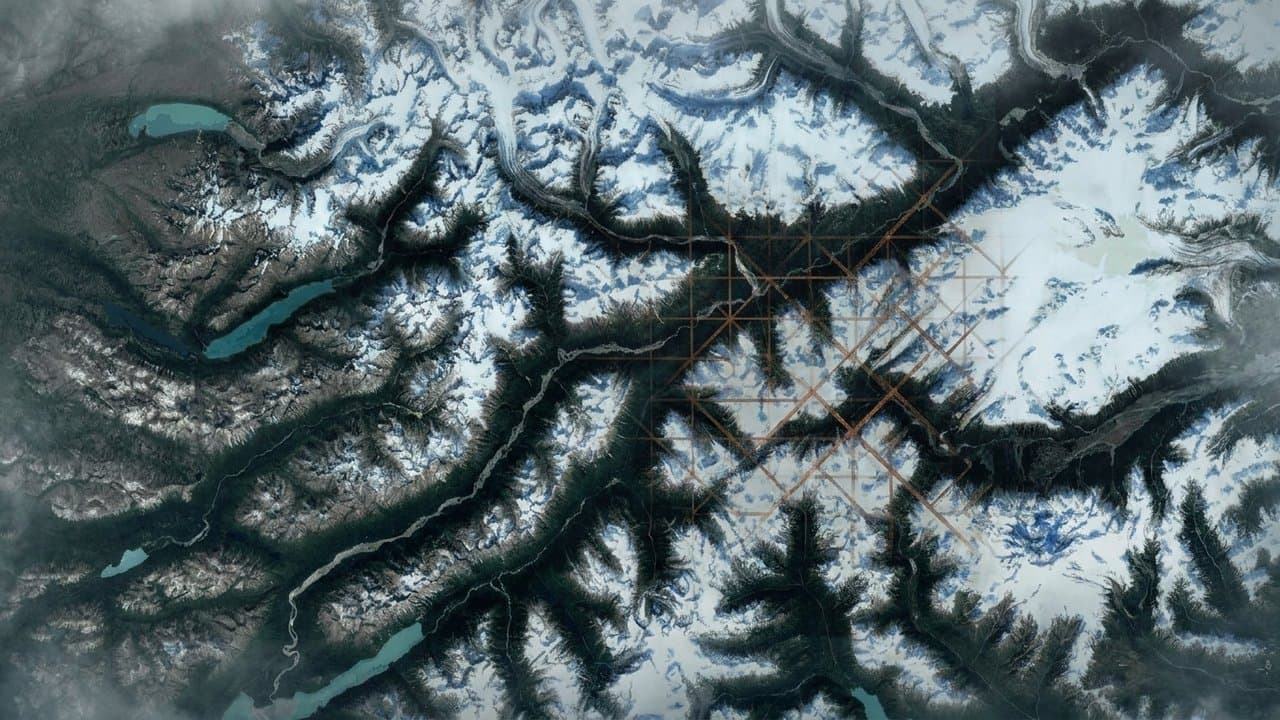
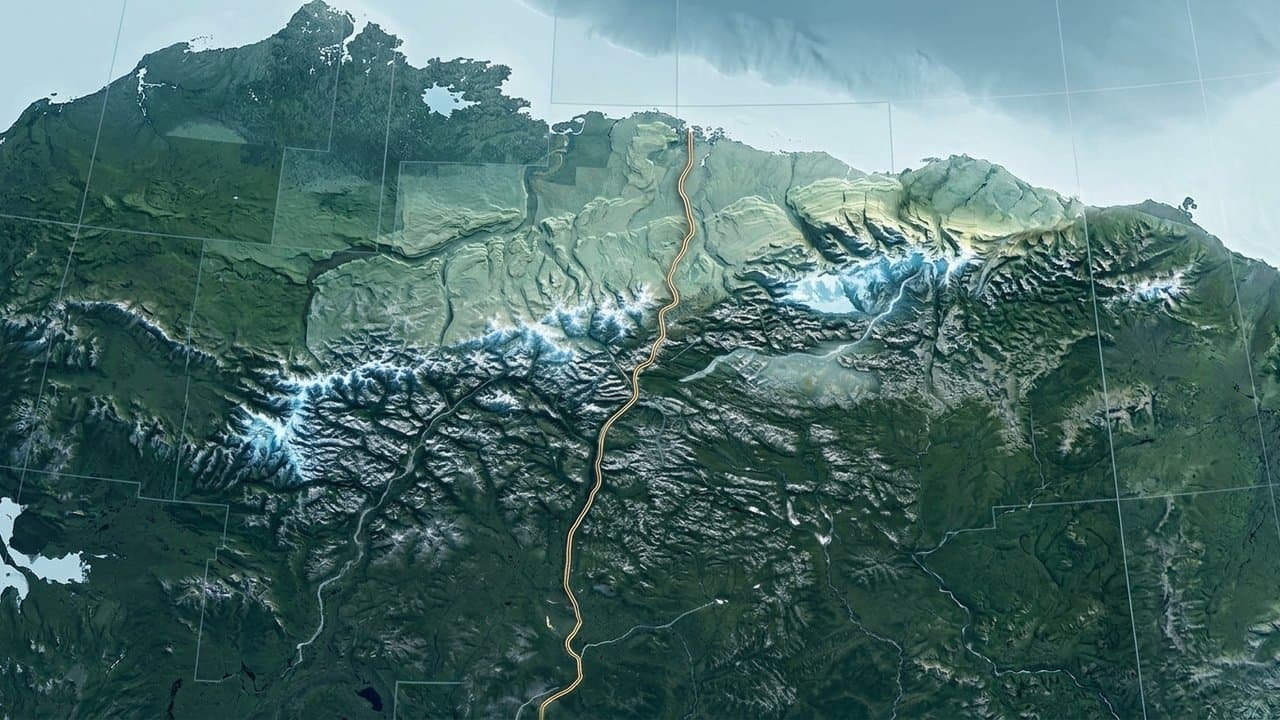
Editorial map (Gemini + Google Maps)
Judge throws out Interior's cancellation of Nuiqsut group's Teshekpuk protection
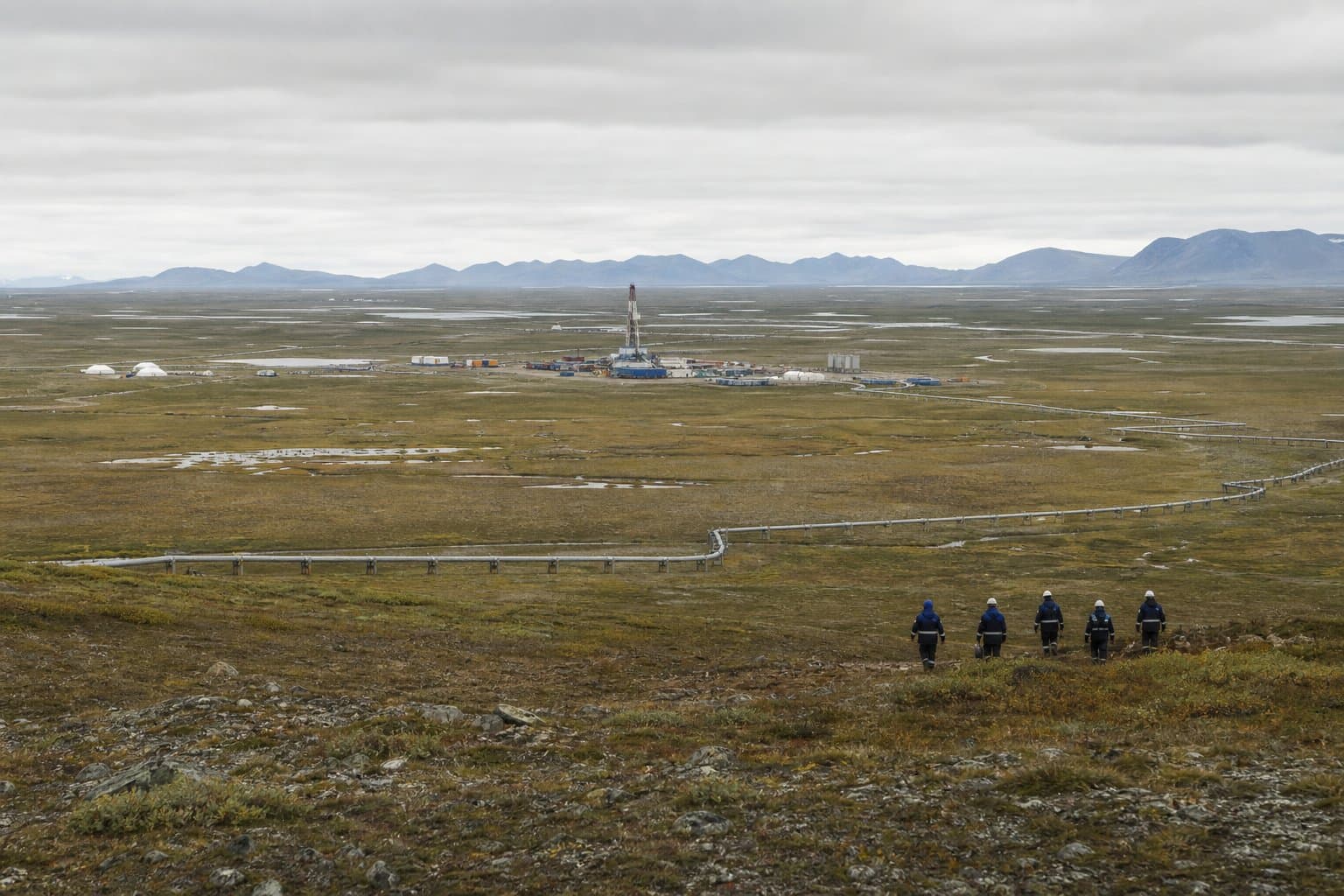
A federal judge ruled Tuesday that the Interior Department was wrong to cancel a Nuiqsut group's power to block new oil leasing on about 1 million acres of caribou habitat near Teshekpuk Lake.
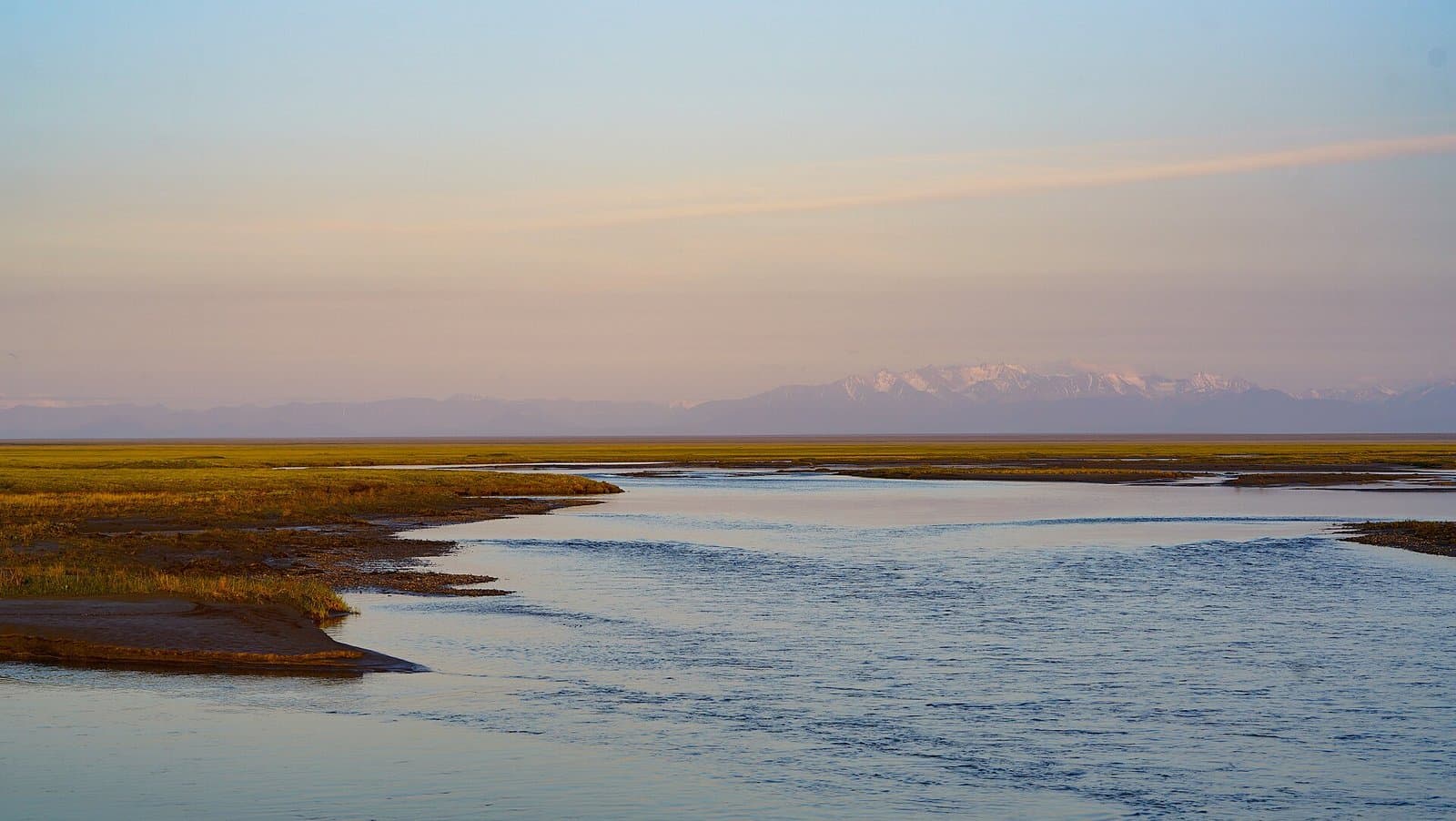
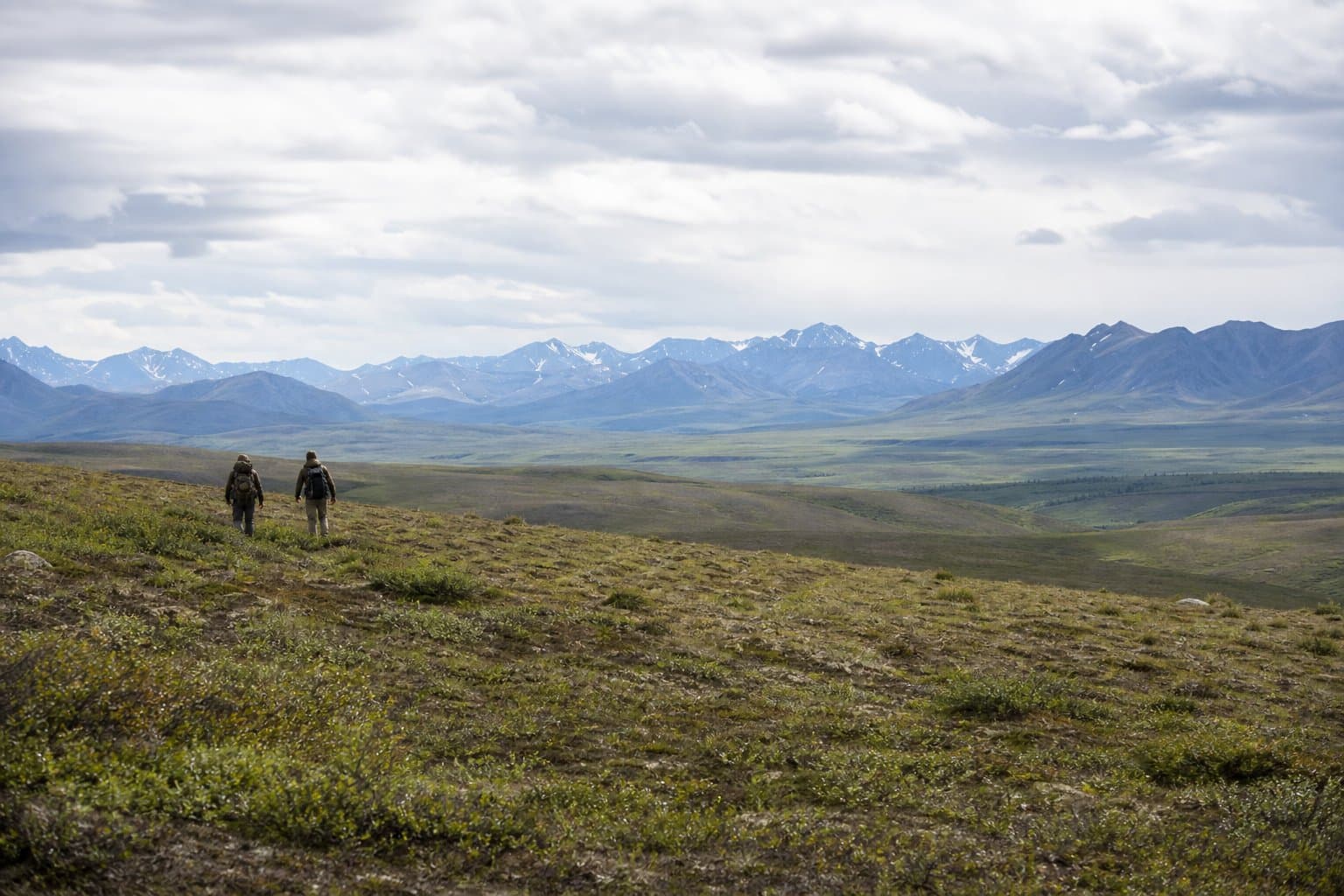
U.S. District Judge Sharon Gleason had paused the cancellation in March. Her final decision keeps the protection in place on land the Teshekpuk Caribou Herd depends on, in the National Petroleum Reserve-Alaska on the North Slope.
Nuiqsut's city government, tribe and village corporation formed the group, Nuiqsut Trilateral. The Biden administration granted it the protection in December 2024 to meet a commitment it made when it approved ConocoPhillips' Willow oil project: to offset Willow's effects on the herd with "durable, long-term protection." Its stated goal is protecting the herd "and the communities who depend on it for subsistence use."
The protection is a right-of-way. Most rights-of-way let someone use federal land, for something like a road or a pipeline. This one also lets the group keep new oil development off the land. It bars new oil and gas leases there unless the group waives the ban for a specific project, and it lasts through Willow's life, until BLM finds that cleanup has substantially restored the herd and its habitat.
President Donald Trump's Interior Department canceled it without warning on Dec. 19, 2025. Three days later, the department opened 82% of the reserve to oil leasing, including all of the right-of-way.
Interior said the grant was "at odds with the text and purpose" of the reserve's law, which it said puts oil first. It also said the grant improperly handed part of the federal government's land management to an outside group, and that a 2025 law ordering lease sales required undoing it.
Gleason rejected all three. The law governing the reserve has two goals, developing oil and protecting the land, she wrote, as the 9th U.S. Circuit Court of Appeals has also said. The 2025 law, the One Big Beautiful Bill Act, requires at least five lease sales of at least 4 million acres each over 10 years. It doesn't require offering every acre, she found; Interior's own March sale offered about 5.5 million of the roughly 18.6 million acres it had opened. And the group's power to block projects comes from a property right, she concluded, while federal agencies still decide which projects get permits.
She called Interior's legal errors "fundamental flaws" and set the cancellation aside, rather than leaving it in place while the department reworked it. Interior and the state, which joined the case on Interior's side, had pointed to the reserve's energy, national security and financial value. Gleason wrote that her ruling "leaves leasing and development elsewhere in the NPR-A unaffected."
The ruling doesn't settle whether Interior has the power to cancel a grant like this on its own. Gleason found only that these reasons were wrong. She also didn't rule on the state's other objections, including that the grant violates the "no more" clause of the 1980 Alaska National Interest Lands Conservation Act, which says the law struck a "proper balance" between conservation and development in Alaska. Interior hadn't given those reasons when it canceled the protection, and a court can't uphold an agency's decision on grounds the agency didn't give, she wrote.
BLM's March lease sale drew more than $163 million in bids, including some for tracts fully or partly inside the protected area. No leases have been issued for those tracts. Epoch Oil and Gas, the high bidder on one of them, asked to join the case and was turned down in June. It has appealed.
The government and the state could appeal Tuesday's ruling to the 9th Circuit. The government appealed Gleason's March order, then dropped that appeal in July.
What did you make of this story? (no account needed)
Made by our human newsroom with AI. Reviewed by Cale Green. How humans and AI work here · Grow with our newsroom ·
Keep Alaska News free for everyone.
No paywall, ever. Members pay so everyone can read the meetings and records Alaska News covers.
Get Alaska News in your inbox
Create your free account and get the day’s top stories around 6 each morning, in a few minutes’ read.
Top stories, around 6 each morning.
Stories on what you follow, on Sundays.
Source: Judge enters final judgment in Nuiqsut group's fight over Teshekpuk Lake caribou protection; outcome not yet public.



Comments
Sign in to leave a comment.
No comments yet. Be the first to share your thoughts.