Photo by Reagan Ross on Pexels · Photo source
Army has no date for a Fort Wainwright microreactor as experts flag permafrost
The Army still has no date for putting a small nuclear reactor at Fort Wainwright, and an Army-led workshop in Fairbanks in September called building one on permafrost a high priority for near-term testing.
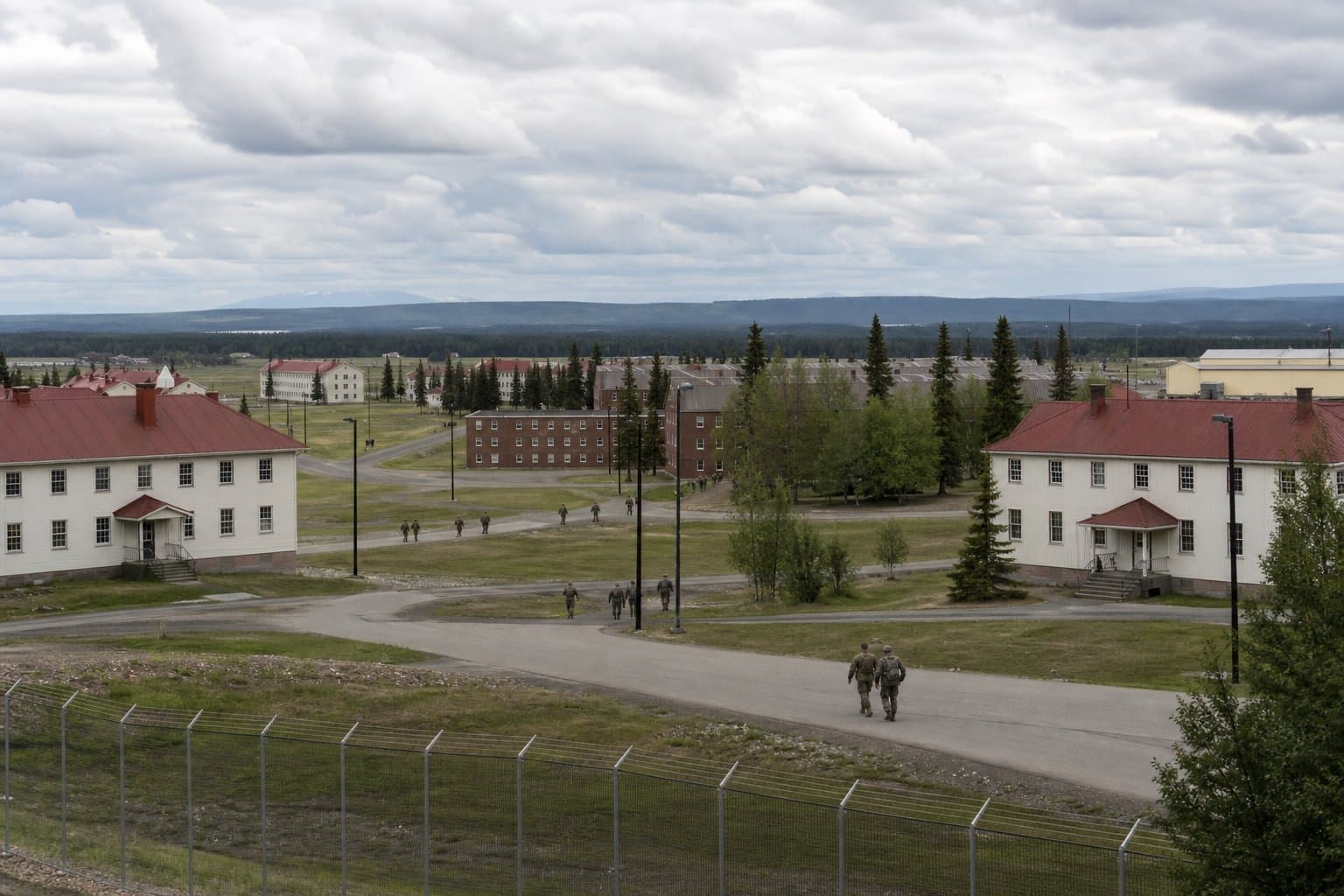
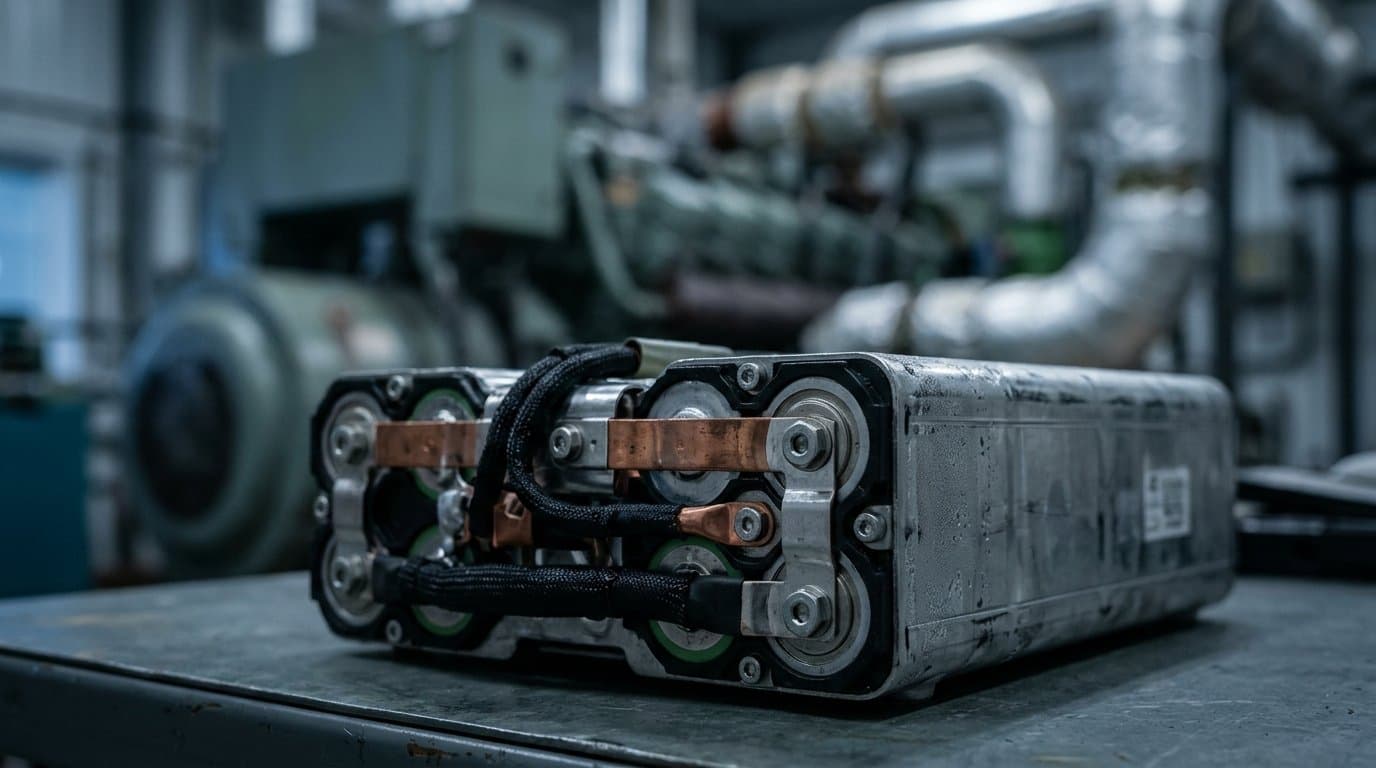
Microreactors are small nuclear power plants that could run a single site, such as a military base. Last November, the Army named Fort Wainwright one of nine candidate sites for its Janus microreactor program, and the only one in Alaska.
But on Aug. 26, the Army picked five other bases to go first: Fort Bragg, Fort Campbell, Fort Hood, Fort Benning and Fort Drum. Companies building reactors there can earn up to a combined $2.2 billion from fiscal 2027 to 2031, paid as they hit milestones. The Army said it expects more than 20 microreactors in all and will announce more sites later. Its target of a first operating reactor by September 2028 applies to bases outside Alaska.
Fort Wainwright "was not selected for an initial deployment," said Orian Welling, a senior researcher at the Army's Cold Regions Research and Engineering Laboratory, at an Oct. 22 public briefing. A University of Alaska Fairbanks report published Thursday said the post "remains under consideration for future Project Janus expansion."
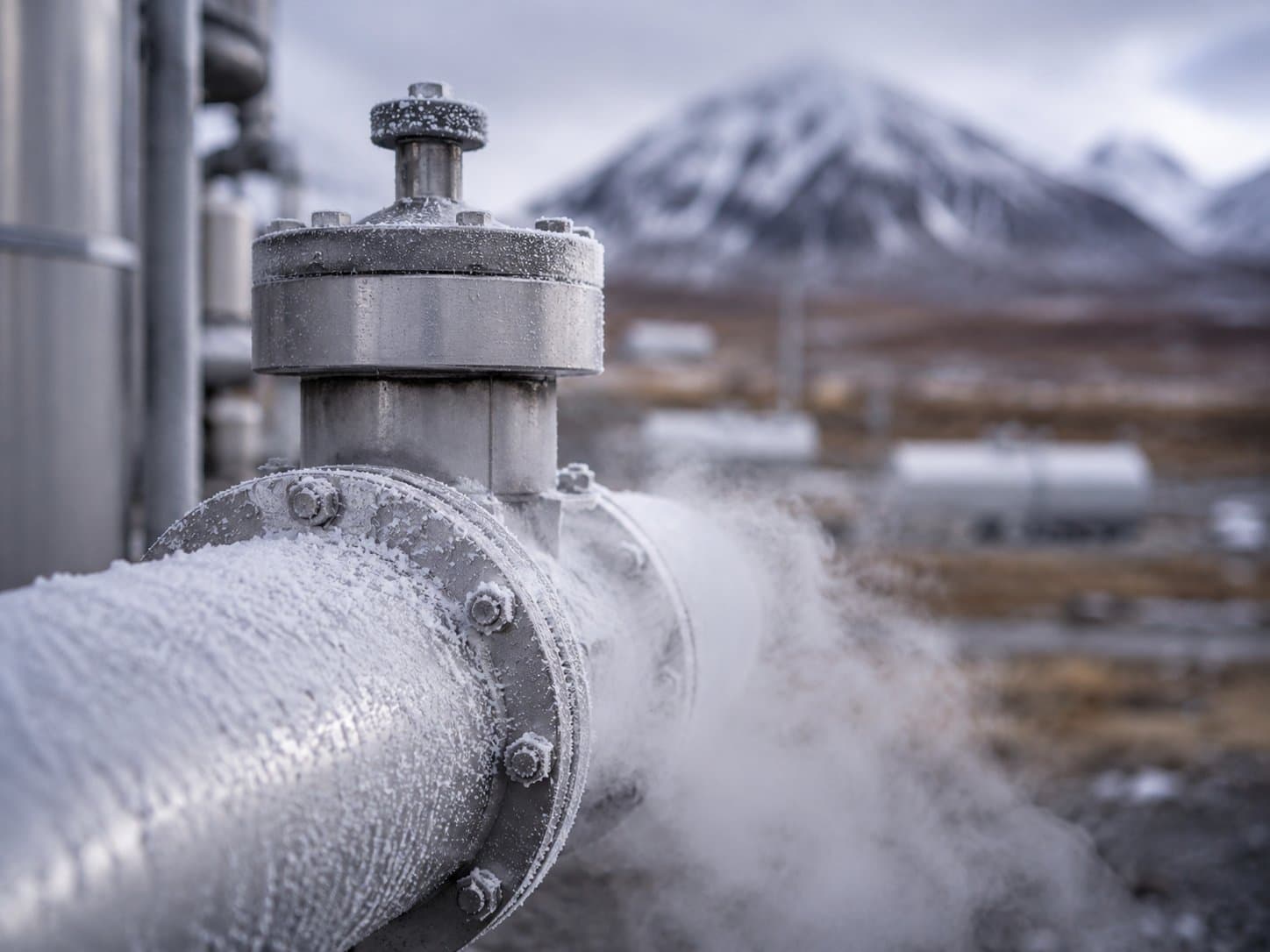
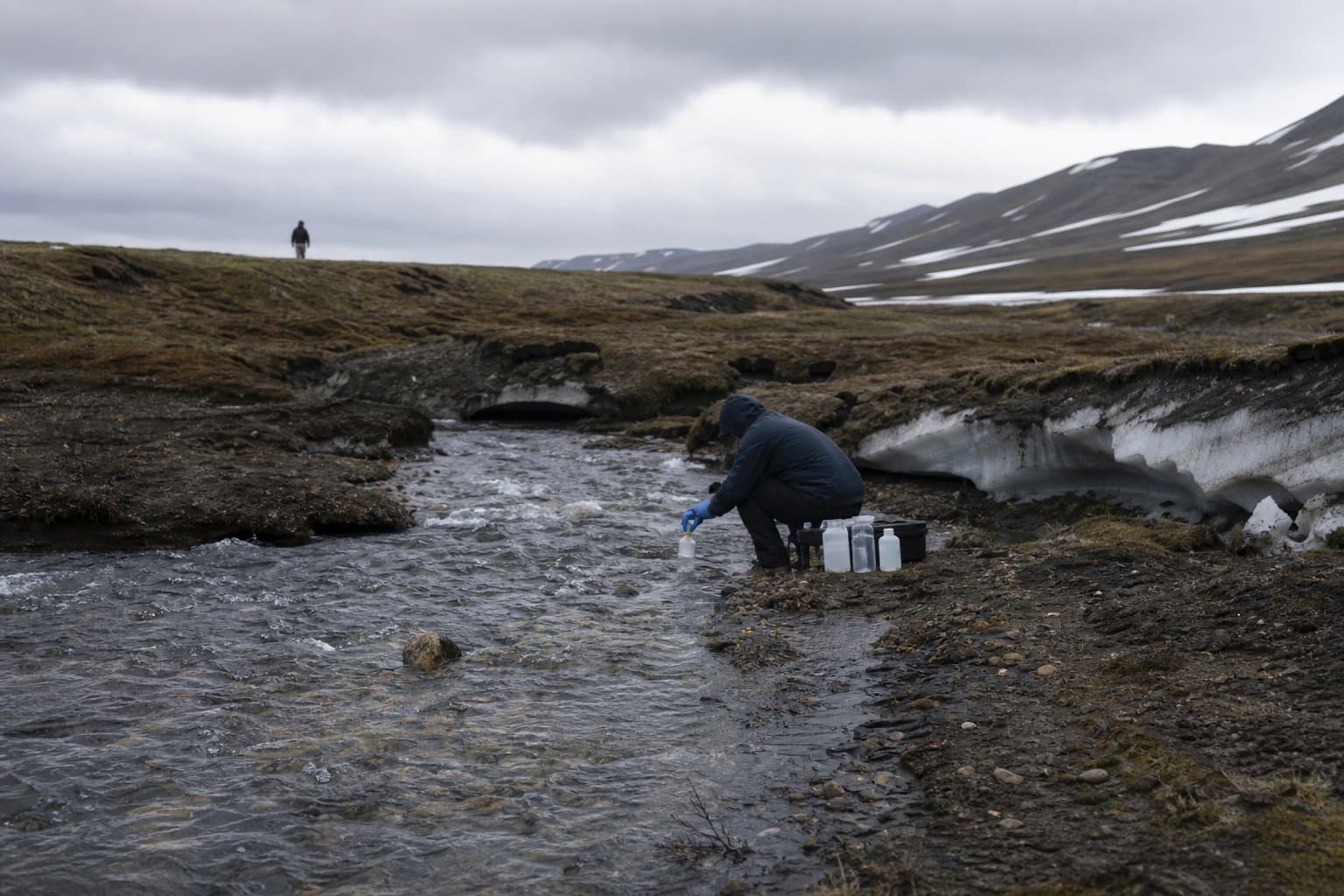
Welling led an invitation-only workshop Sept. 9-11 in Fairbanks on what it would take to run reactors in the Arctic. It made no siting decisions. Participants agreed on nine areas that need research, and the executive summary called permafrost foundations a high priority for near-term testing, including long tests under the kind of weight and heat a reactor would put on frozen ground.
Other research areas include moving reactors and fuel by air, ice road and sea; removing used fuel from remote sites; and responding to radiological emergencies in the cold. Welling called research in all nine areas nascent.
Annie Kammerer of the Army Nuclear Energy Office said an Arctic version could be demonstrated in the early 2030s, depending on prototyping and senior leaders' priorities. "We would need to have the actual production level Arctic variant before we would put the soldiers in that situation," she said.
It's not the only military reactor plan in the Interior. The Air Force started a microreactor pilot in response to a 2019 defense law, with Eielson Air Force Base as its preferred site. The Air Force and the Defense Logistics Agency issued a notice of intent to award the project to Oklo Inc. in 2023 and again in 2025. The contract would follow only after Oklo gets a Nuclear Regulatory Commission license.
The workshop's summary calls sustained community engagement essential to public support. Welling said outreach should reach people before they "have a reactor in their backyard." In her keynote, Gwen Holdmann, chief scientist at UAF's Alaska Center for Energy and Power, urged involving communities at every stage, according to UAF. She cited Project Chariot, a 1958 federal proposal to use nuclear explosives to blast a deep-water harbor in Northwest Alaska, and Galena's history with nuclear power.
Welling said a final workshop report will be made public this year.
What did you make of this story? (no account needed)
Made by our human newsroom with AI. Reviewed by Cale Green. How humans and AI work here · Grow with our newsroom ·
Get Alaska News in your inbox
Create your free account and get the day’s top stories around 6 each morning, in a few minutes’ read.
The day's top stories around 6 each morning. Unsubscribe in one click.
Source: UAF Alaska Center for Energy and Power news, Army-led Fairbanks workshop lists nine research gaps for Arctic microreactors, led by permafrost, and officials say Fort Wainwright missed Janus's first round.










Comments
Sign in to leave a comment.
No comments yet. Be the first to share your thoughts.