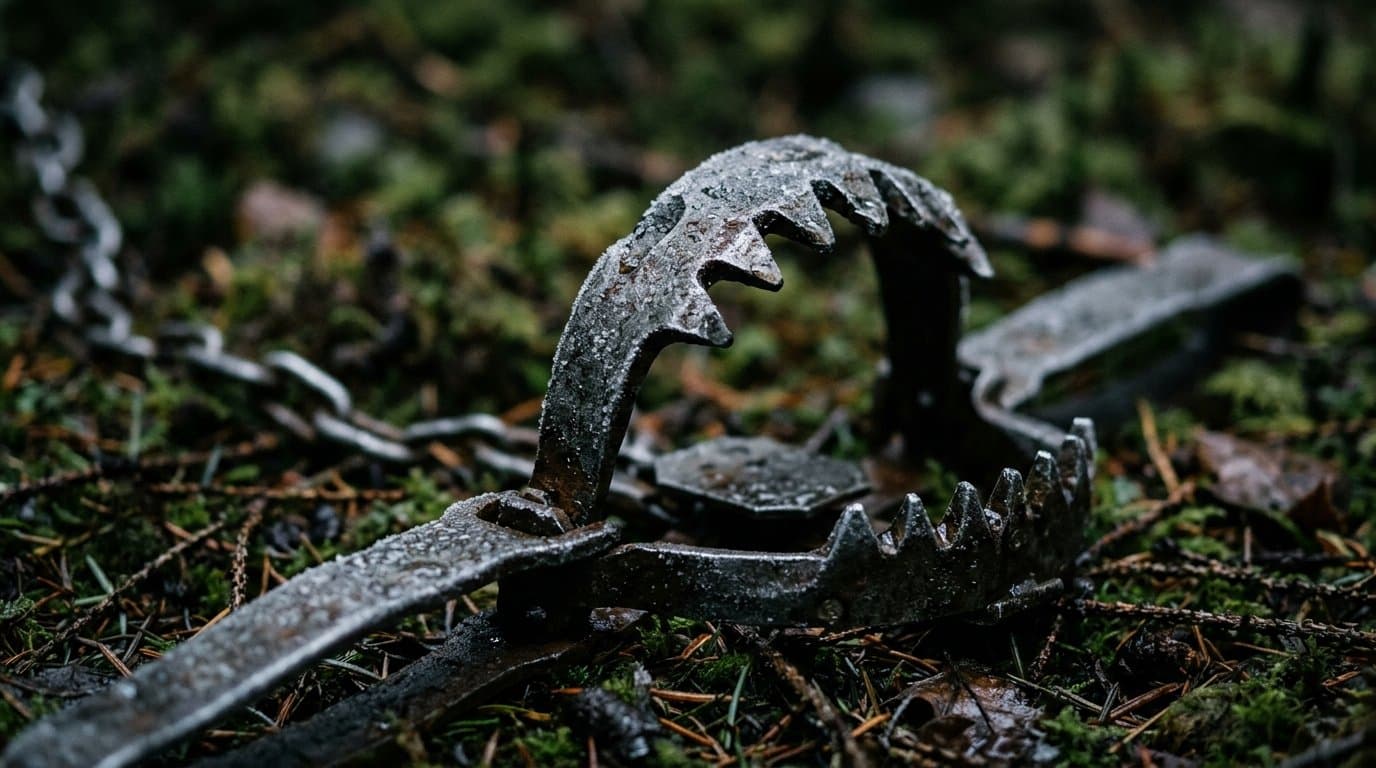
AI image
Fish and Game and Forest Service set 31-day wolf trapping season for Prince of Wales
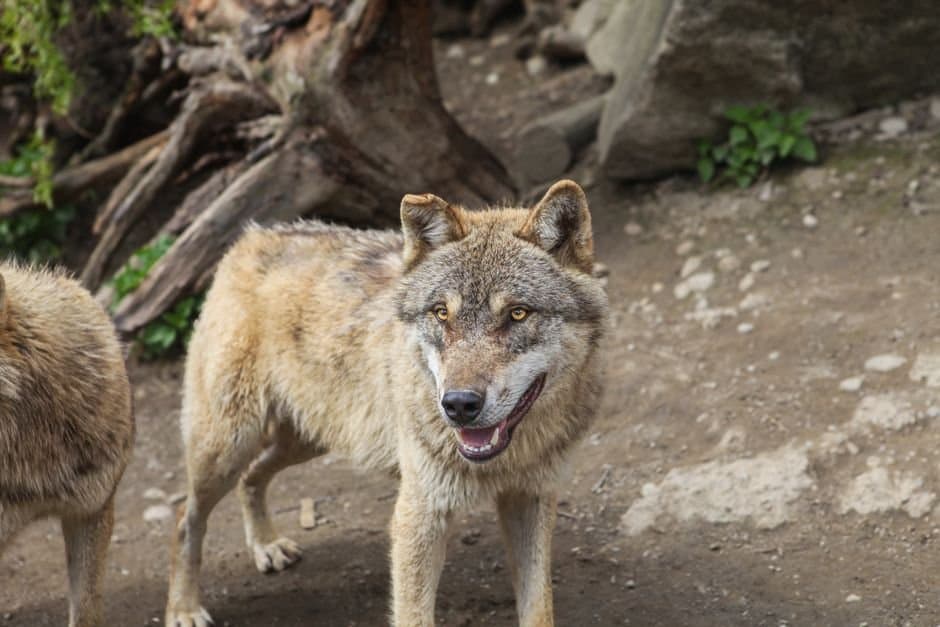
The Alaska Department of Fish and Game and the USDA Forest Service have set a 31-day state and federal wolf trapping season in Game Management Unit 2, which includes Prince of Wales Island. Trapping opens Nov. 15 and closes at 11:59 pm Dec. 15, the same 31-day length trappers have had every season since 2021.
The population estimate behind this year's decision is the lowest of that five-year stretch.
Counting Unit 2 wolves takes about 10 months, so each year's estimate guides the following season. The fall 2025 survey estimated 187 wolves before harvest, with 95% confidence the true number falls between 125 and 279. The department's announcement called that slightly lower than its 2021-2024 estimates but said the long-term trend shows a stable population that can support a 31-day season.
The 187-wolf estimate falls below the population objective the Alaska Board of Game set in January. Meeting in Wrangell on Jan. 26, the board voted 6-1 to adopt the department's proposal raising the range that annual harvest is to be managed to keep wolves within, from 150-200 wolves to 200-300. The department cited the wolves' isolation from neighboring populations and their low genetic diversity. Neither the season announcement nor the emergency order mentions the objective.
The department began setting Unit 2 season length to manage harvest in 2019. Since then, harvest has averaged 29% of the estimated fall population, with seasons of 21 to 62 days producing as many as 164 wolves. From 2021 through 2025, 31-day seasons yielded 45 to 74 wolves while estimates ranged from 187 to 268. Regional Supervisor Anthony Crupi said in a November 2025 release that the roughly 30% average harvest rate "has proven sustainable so far."
An accompanying emergency order also closes wolf hunting, open since Sept. 1, when trapping ends. Unit 2 wolf harvests must be reported to the department's Ketchikan office within seven days and hides sealed within 15 days.
The population estimates draw partly on a hair-trap network the Hydaburg Cooperative Association began running in 2016. Scented boards collect wolf hair, and individual wolves are identified from DNA in the hair follicles.
The agencies scheduled a Nov. 2 public meeting in Klawock to hear from residents before setting this season.
What did you make of this story? (no account needed)
Made by our human newsroom with AI. How humans and AI work here · Grow with our newsroom ·
Get Alaska News in your inbox
Create your free account and get the day’s top stories around 6 each morning, in a few minutes’ read.
Top stories, around 6 each morning.
Stories on what you follow, on Sundays.
Based on a press release from Alaska Department of Fish and Game.







Comments
Sign in to leave a comment.
No comments yet. Be the first to share your thoughts.