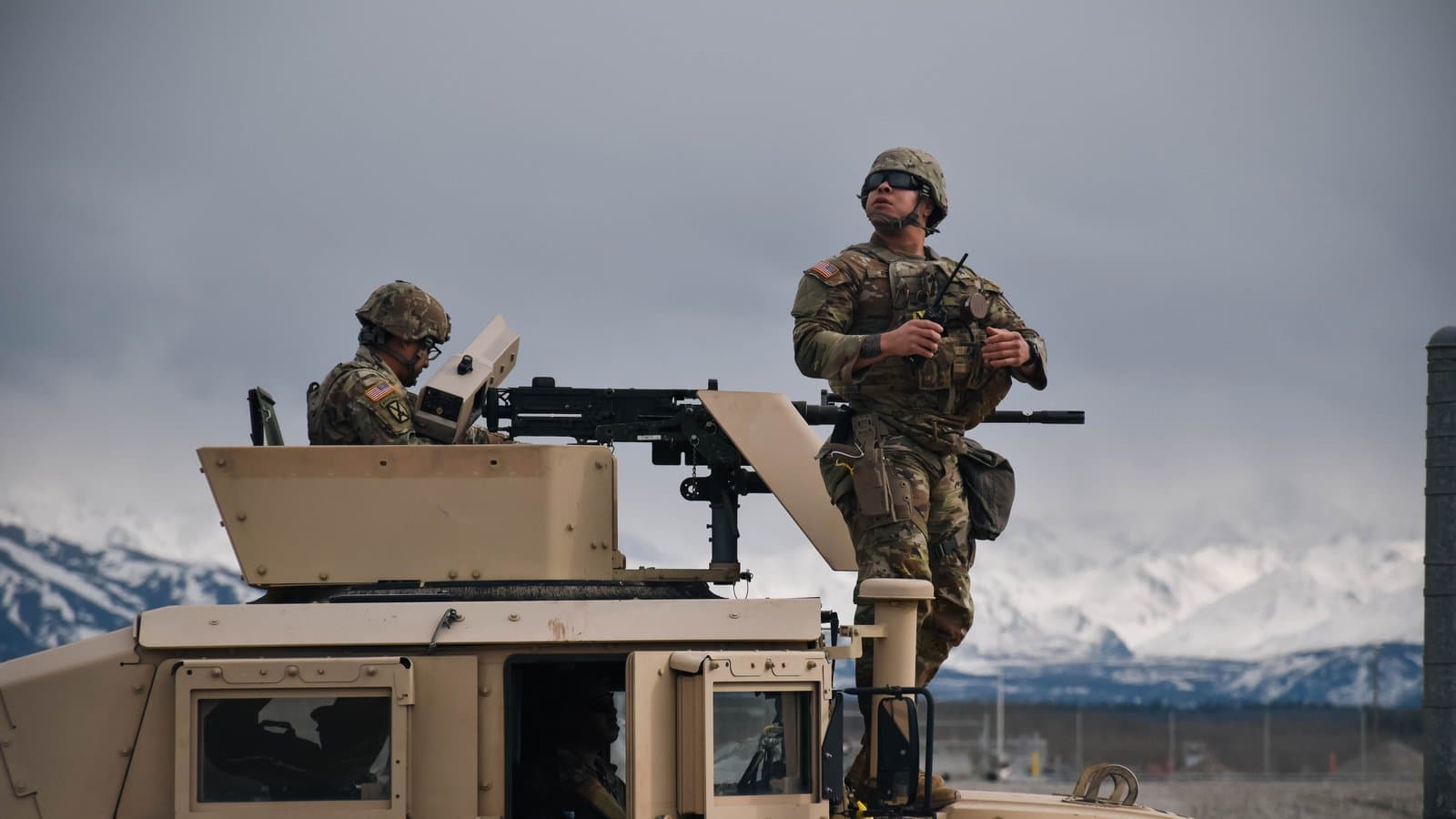
Photo: Brooke Parcus via DVIDS · Photo source · US government work
Fischer says Alaska's interceptors weren't built for hypersonics, urges Golden Dome money
U.S. Sen. Deb Fischer of Nebraska told the Senate on Thursday that the missile interceptors in Alaska and California were never built to stop hypersonic weapons from China or Russia.
Fischer, who chairs the Senate subcommittee that oversees missile defense, made the case as she urged Congress to pass its stalled defense bill and to keep paying for President Donald Trump's Golden Dome missile shield for years to come.
"Today, we have a very limited number of ground-based interceptors in Alaska and in California, and they protect us against an ICBM attack from a rogue nation, but they were never built to stop advanced cruise missiles or hypersonics from our peer adversaries, who are China and Russia," Fischer said.
Those interceptors, at Fort Greely near Delta Junction and at a base in California, are the only homeland missile interceptors in place today. They protect the country, including Alaska and Hawaii, against intercontinental ballistic missiles from North Korea, and potentially Iran if it develops one, a Pentagon official told Fischer's subcommittee in 2024. Hypersonic weapons fly at more than five times the speed of sound and can maneuver in flight.
The Pentagon is developing a new interceptor for Fort Greely. In 2024 it planned to field the first Next Generation Interceptor by 2028 and buy 20 of them for Fort Greely, where it said silos were available.
That date has slipped. In April, Lt. Gen. Heath Collins, director of the Missile Defense Agency, told the subcommittee the new interceptor is on schedule for delivery in 2030, after production problems pushed it back. Trouble producing its solid rocket motors did the most harm to the schedule, he said.
Golden Dome, which Trump ordered in January 2025, is meant to defend against ballistic, hypersonic and advanced cruise missiles from any adversary.
Fischer said Congress provided more than $24 billion last year as a "downpayment." The 2025 budget law's section on integrated air and missile defense adds up to about $24.4 billion by our count, led by $7.2 billion for space-based sensors and $5.6 billion to develop space-based and boost-phase intercept capabilities.
In April, Gen. Michael Guetlein, who directs the program, told the subcommittee that about $22.9 billion had been appropriated in support of Golden Dome, and that it would cost an estimated $185 billion through delivery in 2035. A Congressional Budget Office estimate put a system broadly consistent with Trump's order at about $1.2 trillion to build and run for 20 years, with building alone just over $1 trillion, more than five times the Pentagon's target.
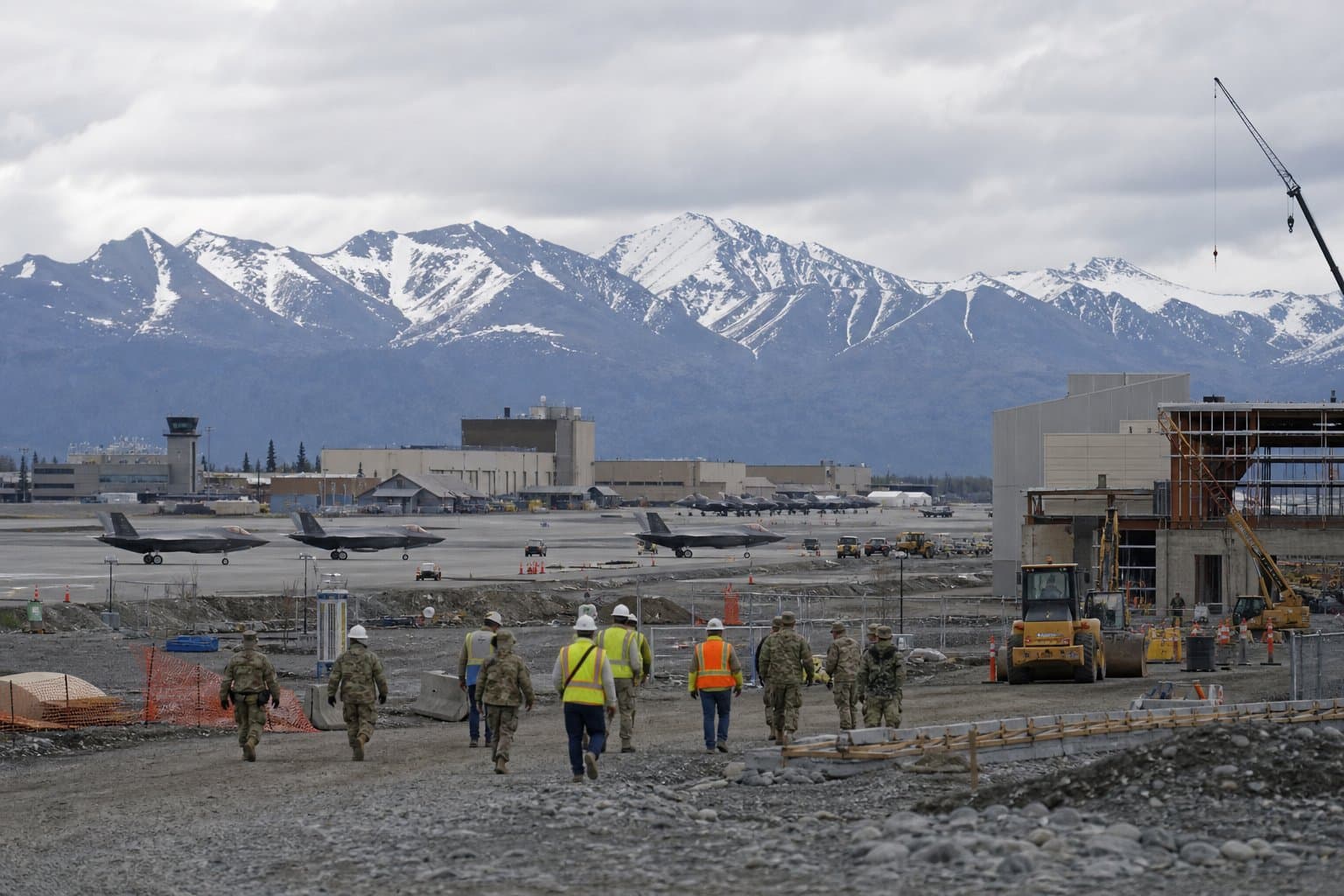
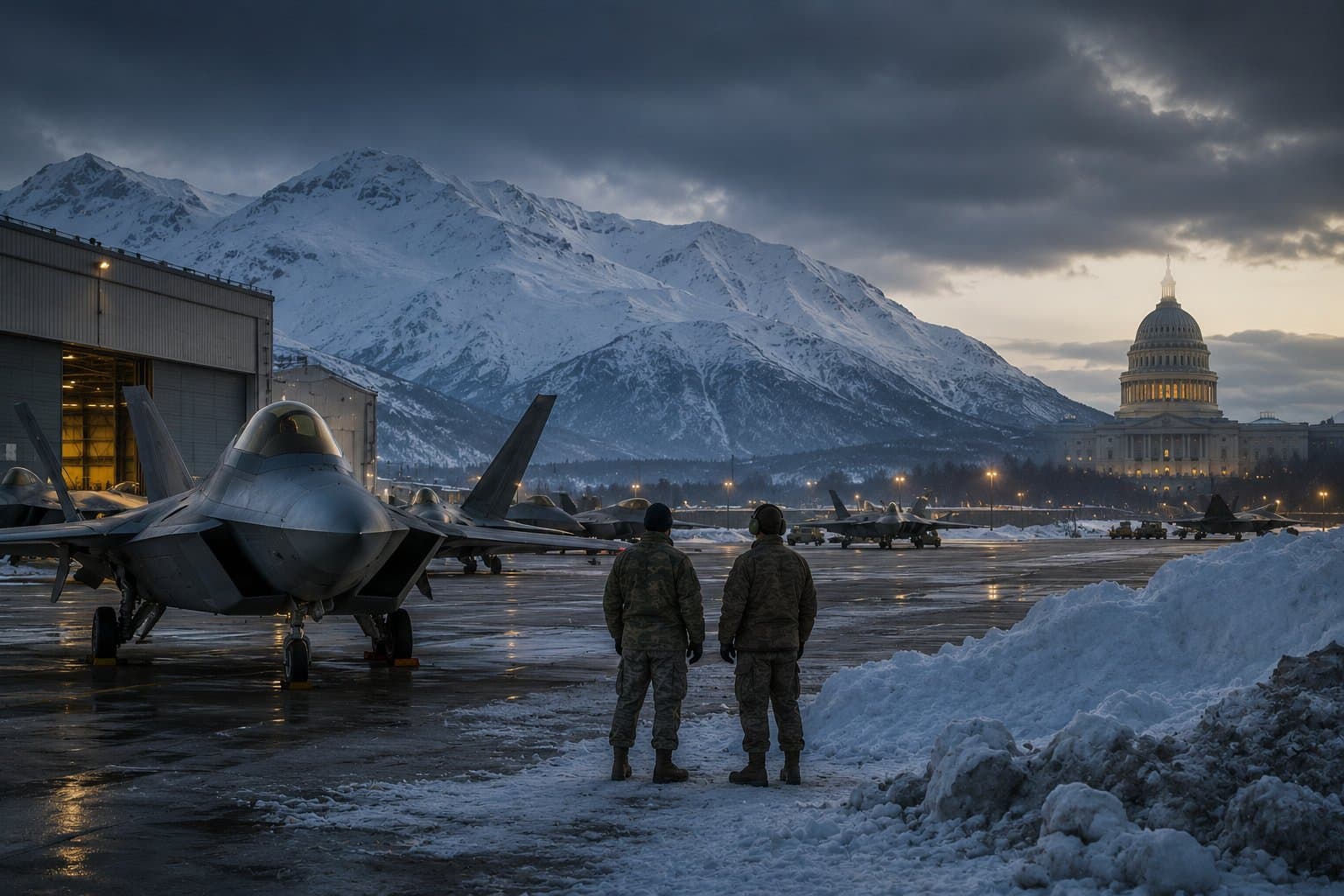
The defense bill Fischer wants passed also carries money for Alaska bases. The Senate committee's version would authorize $2,066,050,000 for construction at Joint Base Elmendorf-Richardson in Anchorage, much of it for the base's "Fighter Town" rebuild, including a dormitory, hangars and a munitions complex. It would also authorize $91 million at Eielson Air Force Base for a range operations center.
The bill hasn't cleared the Senate. On July 14, a vote to begin debate on it failed 50 to 46, short of the 60 votes needed. The House passed its version 216 to 212 on July 22.
Fischer said she is optimistic the Senate and House will soon agree on a final bill, and that the Senate will soon get another chance to take it up. She urged passage before the end of the year. Passing the bill is only part of the job, she said; Congress then has to fund the programs and "put the money behind all of our big talk."
What did you make of this story? (no account needed)
Made by our human newsroom with AI. Reviewed by Cale Green. How humans and AI work here · Grow with our newsroom ·
Keep Alaska News free for everyone.
No paywall, ever. Members pay so everyone can read the meetings and records Alaska News covers.
Get Alaska News in your inbox
Create your free account and get the day’s top stories around 6 each morning, in a few minutes’ read.
Top stories, around 6 each morning.
Stories on what you follow, on Sundays.
Source: U.S. Senate, U.S. Senate: Congressional Record, Volume 172 Issue 176 (Thursday, November 19, 2026).






Comments
Sign in to leave a comment.
No comments yet. Be the first to share your thoughts.