U.S. Senate stalls defense bill, freezing $2.6B for Alaska
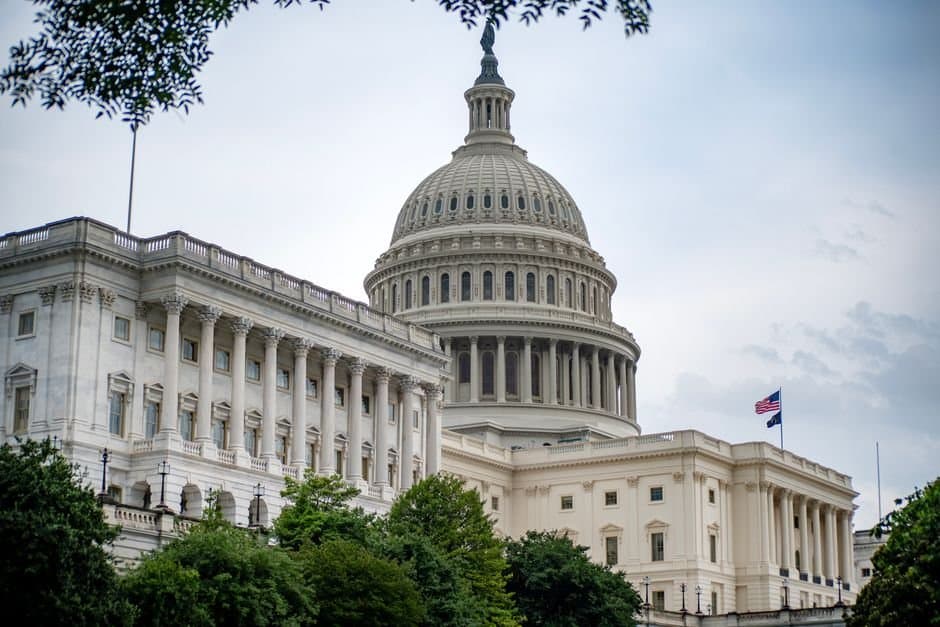
About $2.6 billion in Alaska military construction is on hold after the U.S. Senate blocked its annual defense bill Tuesday — a rare failure driven by the war in Iran and a standoff over Pentagon spending, not by anything specific to Alaska.
The cloture vote on the fiscal year 2027 National Defense Authorization Act failed 50 to 46, short of the 60 needed to open debate, and marked the first time in 66 years that the must-pass defense bill stalled on a procedural vote. Sen. Dan Sullivan and Sen. Lisa Murkowski both voted to advance it; the block came almost entirely along party lines, with most Democrats and both independents opposed.
Sullivan called it the best defense bill Alaska has ever seen, citing $2.6 billion in military construction and 4,000 private-sector jobs. The largest single item is $2.066 billion for the first phase of the "Fighter Town" rebuild at Joint Base Elmendorf-Richardson in Anchorage, with smaller sums for Fort Wainwright, Eielson Air Force Base, the Kodiak spaceport, and winter equipment for the Army. Sullivan blamed Senate Democrats for blocking the bill and said he would keep pushing for Alaska's projects.
Democrats' gave reasons that weren't about Alaska. Minority Leader Chuck Schumer called the bill a "permission slip" for President Trump's renewed military action against Iran, which the administration has not asked Congress to authorize, and Democrats also objected to the size of the roughly $1.5 trillion Pentagon budget the bill would authorize. A group of Democratic senators separately urged colleagues to withhold support over provisions deepening U.S. military ties with Israel.
One of those, Section 1217, would create a U.S.-Israel Defense Technology Cooperation Initiative directing the Pentagon to expand cooperation on counter-drone systems, missile defense, artificial intelligence, cyber and electronic warfare, and co-production. The Senate Armed Services Committee approved the broader bill 18-9 in June. Human Rights Watch and the Council on American-Islamic Relations opposed the provision, arguing it would deepen U.S.-Israel military cooperation while limiting congressional oversight, and advocacy campaigns targeted both Alaska senators over it. Neither has addressed Section 1217 directly — Murkowski's office has stated no position, and Sullivan has focused on the Alaska funding.
The bill is not dead. Majority Leader John Thune switched his own vote to no, a procedural step that lets him bring it back. Even if it advances, the Alaska money is far from final: it would still need passage by the full Senate and House, a conference agreement, and separate appropriations before any construction is funded.
Source: Senate vote delays Alaska defense projects in 2027 authorization bill.
Made by our human newsroom with AI. How humans and AI work here · Grow with our newsroom
From prior coverage
Stay informed. Support what matters.
Free, permanent access to local news you can verify. Subscribe to support Walter AlaskaNews and go ad-free.
Related Coverage
A Record Alaska Defense Bill Clears Its First Hurdle
Alaska News · 3mo ago
Alaska's senators split on Iran war powers, and Murkowski missed the vote
Alaska News · 2mo ago
Murkowski and Sullivan split on a motion to discharge an Iran War Powers Resolution
Alaska News · 3mo ago
Murkowski and Sullivan split on DACA votes in Senate budget debate
Alaska News · 4mo ago
The SAVE Act now rides on the defense bill Alaska wants
Alaska News · 2mo ago
Comments
Sign in to leave a comment.
No comments yet. Be the first to share your thoughts.