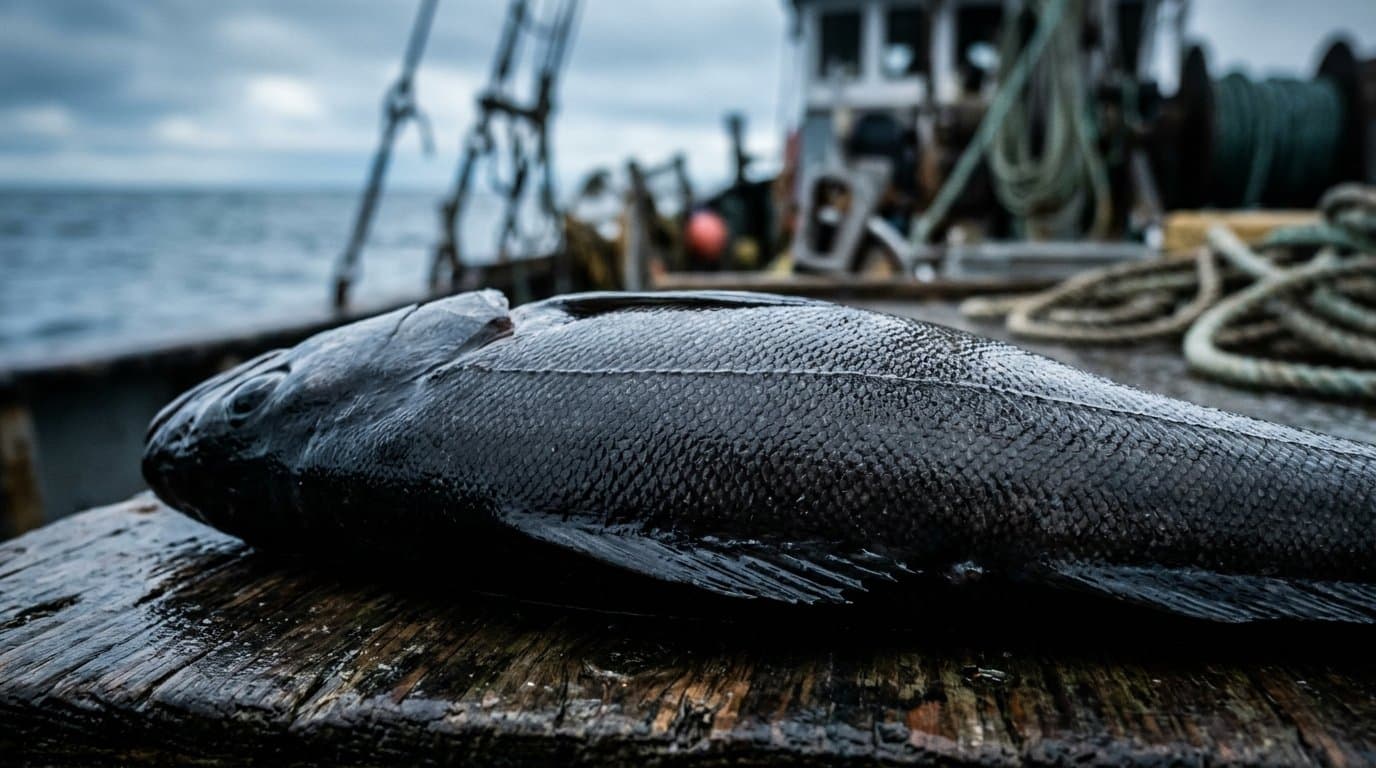
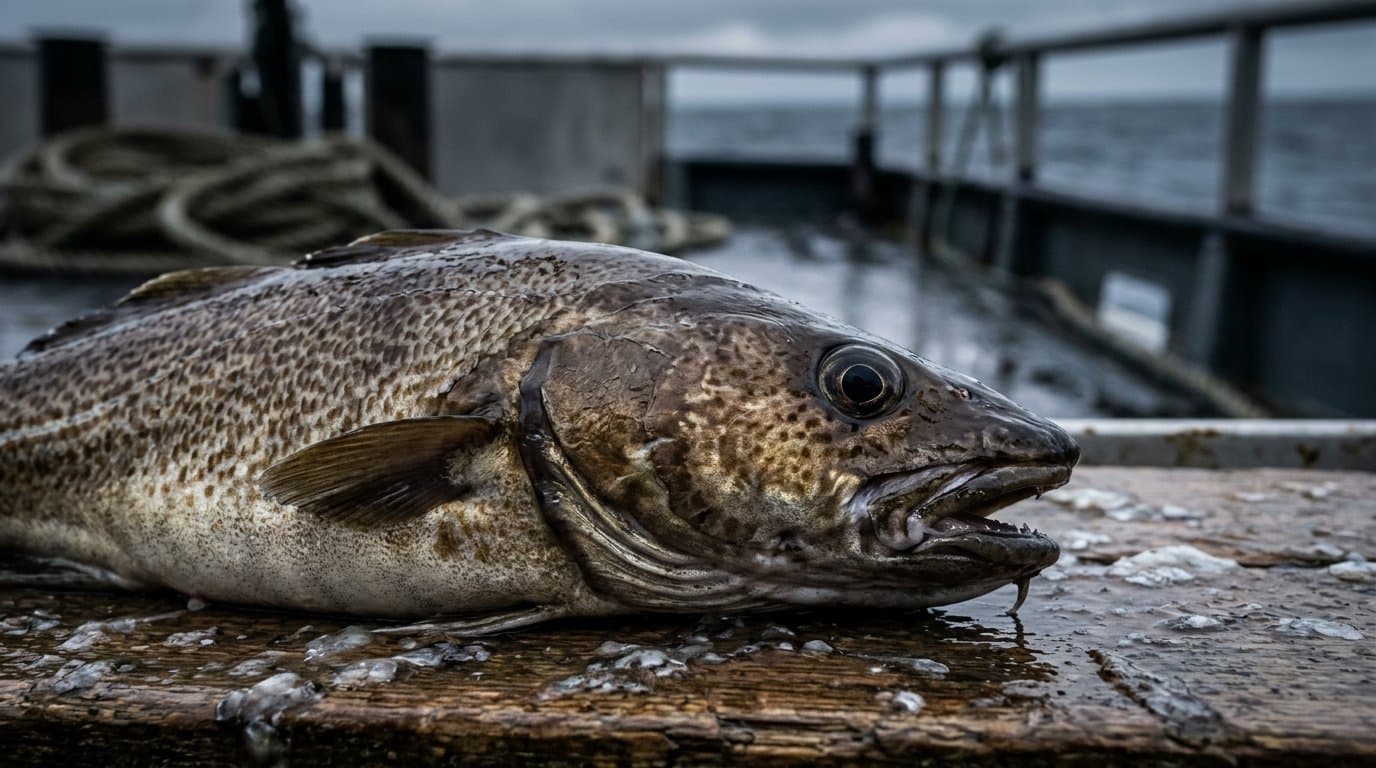
AI image
Federal scientists recommend a 20% lower Alaska sablefish catch ceiling for 2027
Federal stock assessment authors Daniel Goethel and Matthew Cheng recommend a 2027 Alaska-wide sablefish catch ceiling of 37,436 metric tons, 20% below this year's 47,008-ton limit. For 2028, they recommend 37,636 tons. Their draft assessment was posted Nov. 6.
The proposed regional split would set two Gulf of Alaska areas below what boats there have already caught this year. Southeast Outside's proposed 2027 limit is 4,492 tons. Boats there had caught 4,865 tons by Oct. 15. West Yakutat's proposed limit is 2,246 tons, against 2,271 tons already caught.
Nothing is decided yet. The draft goes first to the Plan Team, a group of scientists who review stock assessments. It proposes only the acceptable biological catch, the scientific upper limit on harvest. Managers set a separate total allowable catch, which can be set lower.
The new figure is smaller than the cut of about 32% that the fleet protested in October. That number came from recalculating the 2026 ceiling under the same model, which produced about 32,000 tons. The authors warned at the time that the figure was not a 2027 projection. The draft does not explain in plain terms why the 2027 number came in higher.
Regional breakdown
Every area drops. The Gulf of Alaska would fall 17%, from 22,550 tons to 18,718. That is 527 tons above its catch through Oct. 15. The Central Gulf would fall 18%, to 7,862 tons. The Western Gulf would fall 12%, to 4,118 tons. Southeast Outside would fall 20% and West Yakutat 15%. Final 2026 catch totals are not in yet, and the draft itself does not compare the new limits with this year's harvest.
The Aleutian Islands take the largest drop, 34%, to 7,487 tons. The Bering Sea falls 14%, to 11,231 tons. Both areas stay above their 2026 total allowable catch, and boats there catch a small share of the limit. The authors estimate quota use under 25% in the Bering Sea and Aleutians, and about 80% to 90% in the Gulf.
Why the number is lower
The authors call the stock "extremely healthy," with spawning biomass at 64% of unfished levels in 2026 and all four risk table categories rated Level 1, Normal. They attribute the lower ceiling chiefly to changes in method: removing interpolated survey data and splitting age data by region. The survey now leaves about half the resource unsurveyed each year, and the 2024 survey was canceled.
They also flag less favorable signals. Total biomass did not change from 2025 to 2026. Recruitment, the number of young fish entering the stock, may be falling toward average. And spawning biomass has dropped sharply in the past after several years of catch above about 30,000 tons.
Industry and committee response
In its October report, the science committee said the recommended model's good simulation results appeared "due to cancelling biases rather than an appropriate set of assumptions." It also questioned the method used for the regional split.
The council's Advisory Panel, made up of industry and other members, voted 18-0 in October to ask for more model runs, including a three-year phase-in of the new model. The draft does not include a phase-in, and the science committee did not list one among its requests.
In October comments, the Fishing Vessel Owners' Association estimated a 32% cut would cost the fleet about $50 million, and about $65 million including processors. It said some quota share sales had already been canceled. Those estimates have not been redone for a 20% cut. The Alaska Longline Fishermen's Association, led by Linda Behnken, puts the fishery's annual harvest value at about $96 million.
What happens next
Written comments to the Plan Team close Nov. 13. The team takes up sablefish Nov. 16 at the Alaska Fisheries Science Center in Seattle and online. Comments to the North Pacific Fishery Management Council close Nov. 27. The Advisory Panel meets Dec. 2 through 5, and the council meets Dec. 4 through 9, at the Egan Center in Anchorage.
In October, the council's proposed specifications matched the 2027 limits published in March. The council is set to recommend final 2027 limits in December, and a federal rule expected early next year will put them in place.
What did you make of this story? (no account needed)
Made by our human newsroom with AI. How humans and AI work here · Grow with our newsroom ·
Get Alaska News in your inbox
Create your free account and get the day’s top stories around 6 each morning, in a few minutes’ read.
Top stories, around 6 each morning.
Stories on what you follow, on Sundays.
Source: Federal authors recommend a 20% cut to Alaska's 2027 sablefish ceiling, short of the 32% that drew protests in October, and their split would put Southeast's limit below this year's catch.





Comments
Sign in to leave a comment.
No comments yet. Be the first to share your thoughts.