AI image
EPA proposes lighter methane rules for low-producing oil and gas well sites
EPA proposes lighter methane rules for low-producing oil and gas well sites
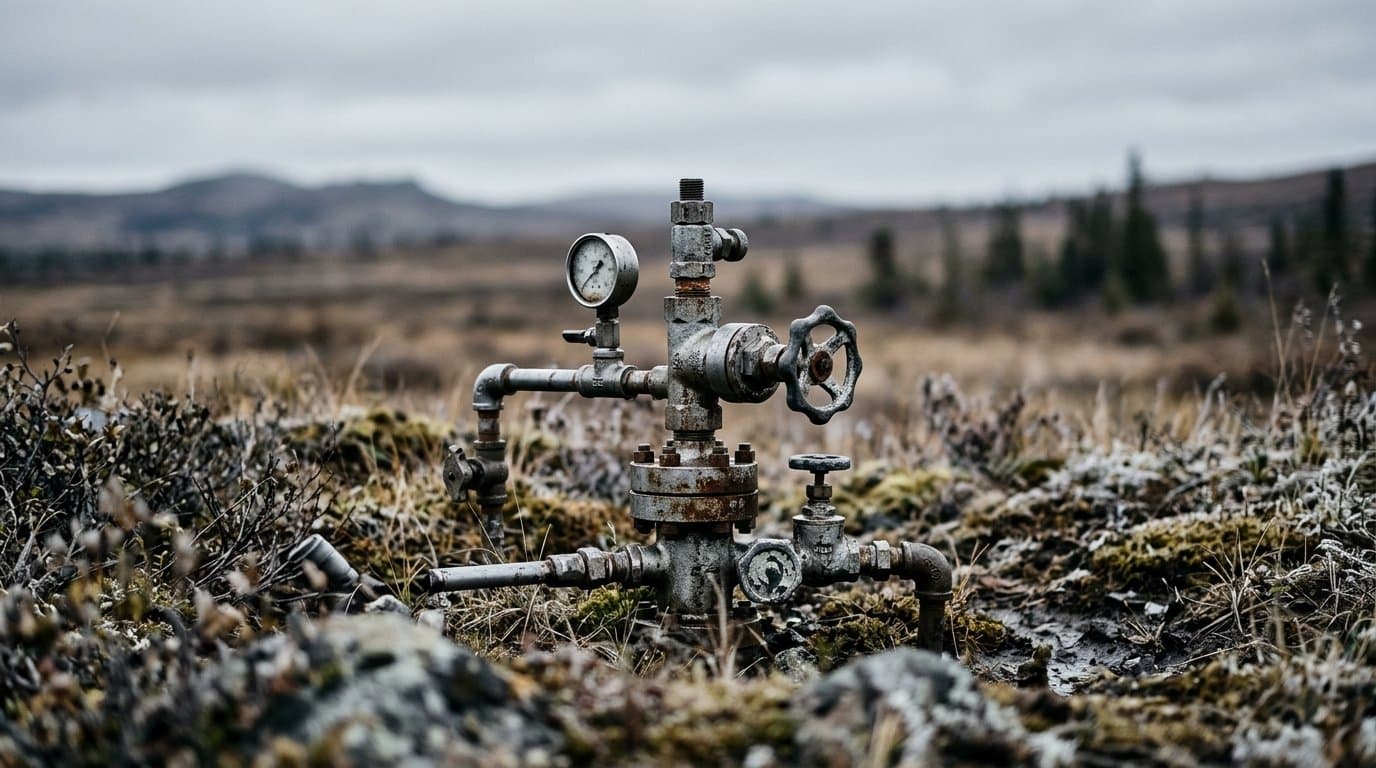
The Environmental Protection Agency on Thursday proposed lighter methane rules for oil and gas well sites that produce 15 barrels of oil equivalent a day or less. The agency's own analysis estimated that the 2024 rules could lead 100,000 to 200,000 of those low-output wells nationwide to stop operating.
The March 2024 rule set federal standards for new, modified and reconstructed sources and guidelines for existing ones. Under the guidelines, states write their own plans; for the first time, states were required to regulate greenhouse gas emissions from hundreds of thousands of existing oil and gas sources. Public comment on the new proposal is open through Dec. 16.
A marginal well would be one that produced 15 barrels of oil equivalent a day or less over the prior 12 months. A marginal well site would hold only such wells, with combined output at or under that line, according to the Federal Register notice.
EPA previously judged each requirement's cost on its own. It now proposes weighing their combined cost at a site against well profits. The agency estimated mid-range annual profit of $11,793 for an average marginal gas well and $43,064 for an average marginal oil well. At a marginal gas site with major processing equipment, leak monitoring and controller rules together would cost more than 120 percent of that profit, EPA said.
The agency proposes quarterly sight, sound and smell checks in place of camera-based leak surveys at most marginal sites. It would drop the zero-emission controller requirement, which EPA said alone would eat more than 73 percent of a marginal gas site's profit. Sites could instead use low-bleed controllers with inspections.
The 2024 rule already let Alaska sites without grid power use low-bleed controllers if they monitor them.
Marginal wells made up about 717,000 of 918,000 active U.S. wells in 2024 and about 7 percent of production, EPA said. A U.S. Department of Energy study the agency cited put their share of methane from oil and gas production at roughly half.
The proposal is a national rulemaking and does not name Cook Inlet or estimate how many Alaska wells fall under the threshold; the only Alaska-specific provision in the source material is the existing exemption allowing sites without grid power to use low-bleed controllers.
EPA also seeks comment on splitting marginal sites into groups producing 6 to 15 barrels a day and less than 6. A separate co-proposal would instead set lighter rules for conventional wells generally. EPA said it could finalize one of the two approaches.
The same proposal would end the Super Emitter Program, which relies on EPA-certified third parties to detect very large methane releases and notify operators. EPA said the program is unnecessary and ineffective and rests on weak legal ground.
A virtual hearing is set for Nov. 13.
Source: Environmental Protection Agency, Environmental Protection Agency: Federal Register :: Additional Reconsideration Standards of Performance for New, Reconstructed, and Modified Sources and Emissions Guidelines for Existing Sources: Oil and Natural Gas Sector Climate Review.
Made by our human newsroom with AI. How humans and AI work here · Grow with our newsroom
Stay informed. Support what matters.
Free local news you can verify. Support Maggie AlaskaNews and go ad-free.





Comments
Sign in to leave a comment.
No comments yet. Be the first to share your thoughts.