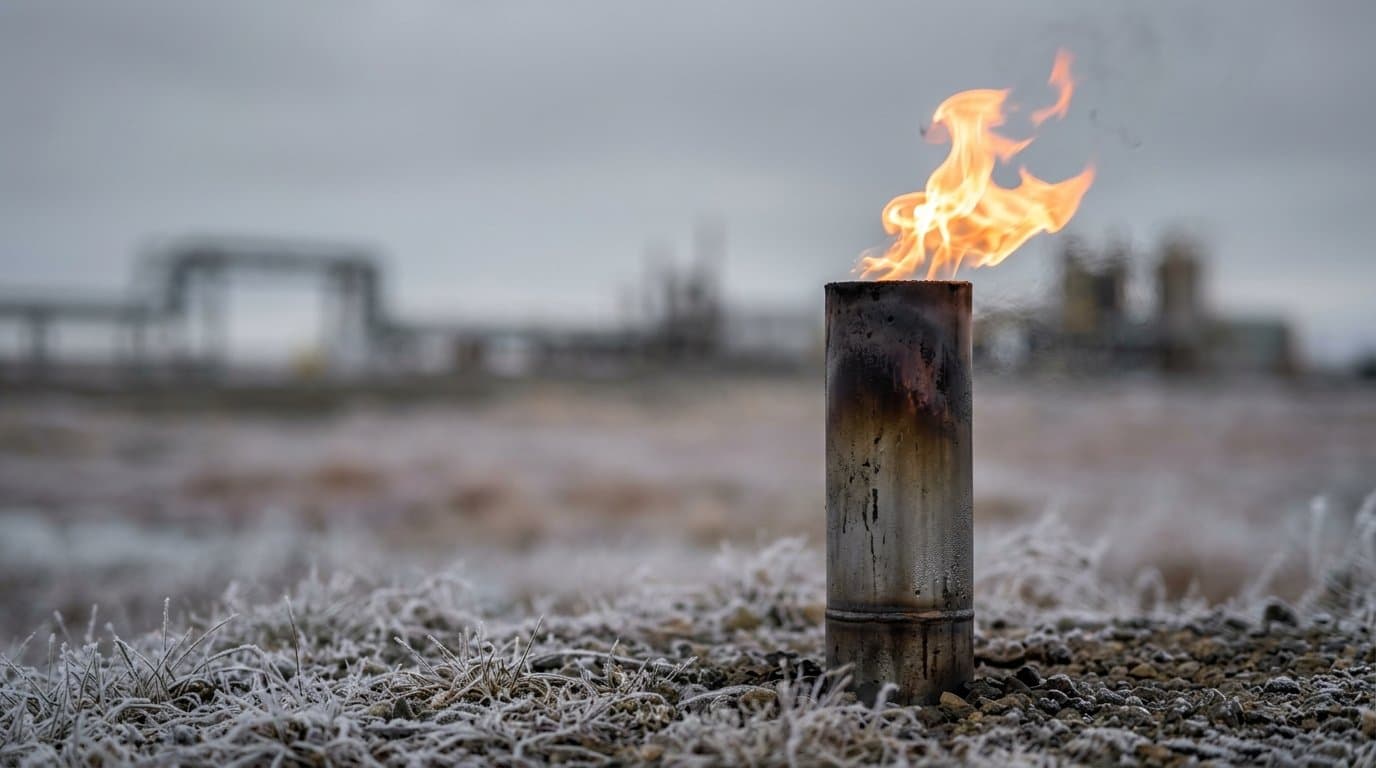
AI image
EPA proposes letting new oil wells flare gas instead of capturing it
The Environmental Protection Agency on Thursday proposed letting new oil wells burn off the natural gas that comes up with their oil, rolling back a 2024 requirement that they capture it.
Since May, new wells have had to send that gas to a sales pipeline, use it on site or pump it back underground, with flaring allowed only in limited, temporary cases.
Under the proposal, operators could flare the gas or send it to another device, as long as it cuts emissions by at least 95%. Sales lines, on-site use and reinjection would still count.
At marginal wells, those producing 15 barrels of oil equivalent a day or less, even that would apply only when the gas carries 20 tons or more of methane a year.
EPA said the 2024 rule depended on pipeline companies it doesn't regulate, which well operators often don't own and can't force to expand. It said it likely overstated the rule's emission cuts, because many operators kept flaring under its exceptions, and understated the costs.
The proposal cites operators' examples, including wells drilled in undeveloped areas 25 miles or more from any gathering line, where no pipeline company would commit to build until there were enough wells.
EPA Deputy Administrator David Fotouhi raised the issue at a Resource Development Council luncheon in Anchorage in June. Operators had told the agency outages, sudden surges and a lack of infrastructure sometimes keep their gas out of pipelines, he said.
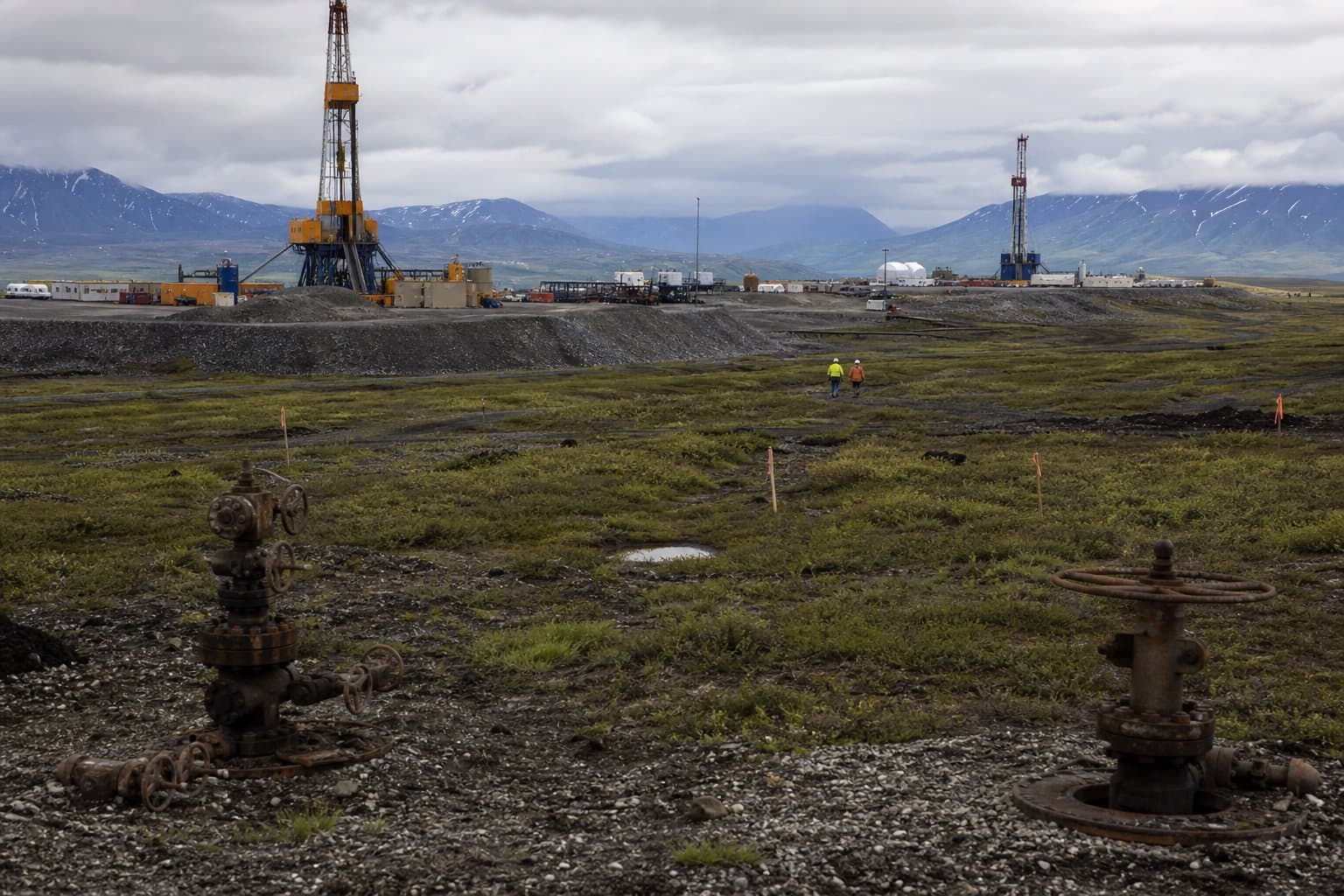
On the North Slope, which has no gas pipeline to market, Hilcorp already pumps large volumes of gas back underground. The 2024 rule counted reinjection as capture.
"So every day in Hilcorp-operated fields, we handle, compress, and re-inject 9 billion cubic feet of gas," Luke Saugier, a Hilcorp Alaska senior vice president, told the state House Finance Committee in May.
The proposal would also end EPA's Super Emitter Program, which relies on certified outside groups to report very large emissions events to the agency, triggering investigations by operators.
Comments are due Dec. 16.
Source: Environmental Protection Agency, Environmental Protection Agency: Federal Register :: Additional Reconsideration Standards of Performance for New, Reconstructed, and Modified Sources and Emissions Guidelines for Existing Sources: Oil and Natural Gas Sector Climate Review.
Made by our human newsroom with AI. Reviewed by Cale Green. How humans and AI work here · Grow with our newsroom
Stay informed. Support what matters.
Free local news you can verify. Support Maggie AlaskaNews and go ad-free.





Comments
Sign in to leave a comment.
No comments yet. Be the first to share your thoughts.