AI image
EPA proposes letting existing high-pressure compressor station controllers meet its Alaska standard
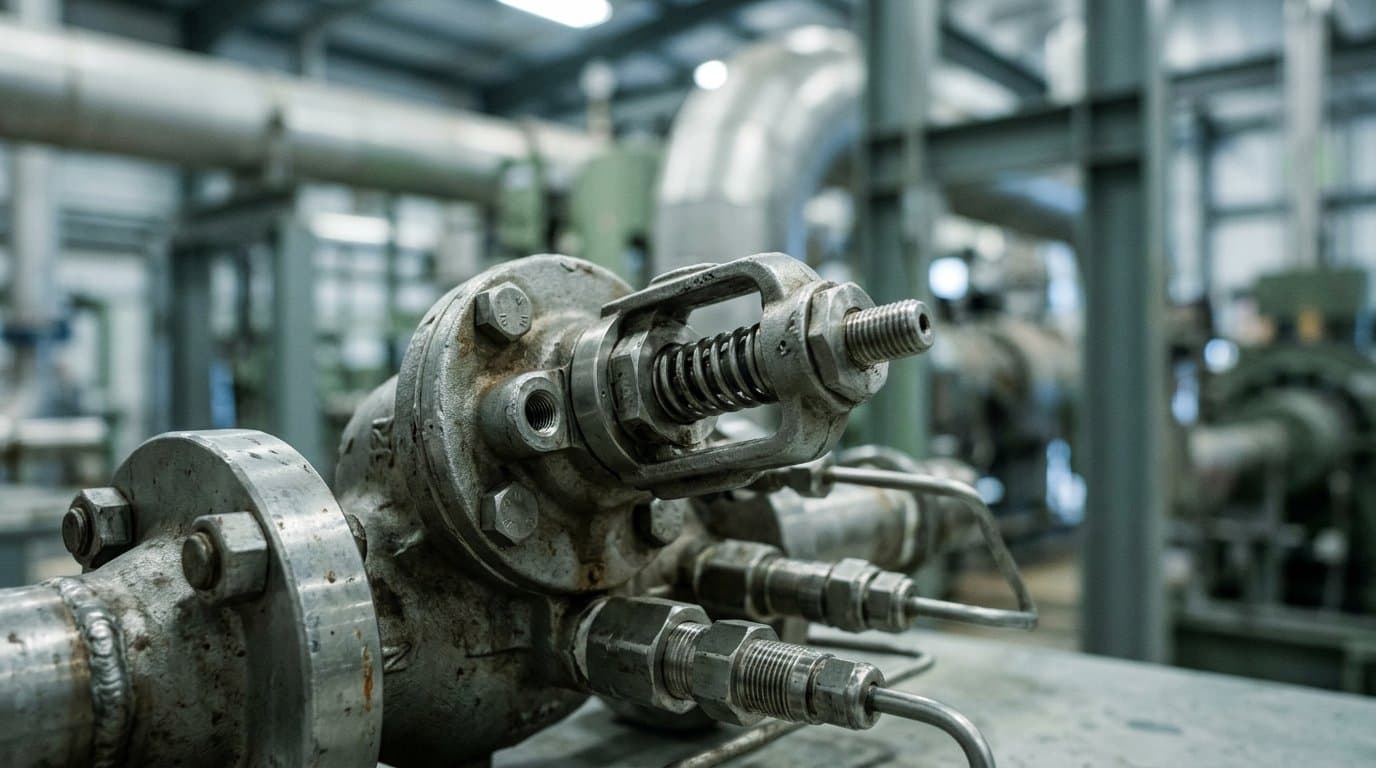
The Environmental Protection Agency on Thursday proposed letting existing high-pressure gas controllers at natural gas compressor stations follow the standard it wrote for Alaska sites without electricity, rather than meet a zero-emissions rule.
The change is one piece of a broader proposed rule revisiting the EPA's 2024 methane rule for the oil and gas industry. The same proposal would also rescind the rule's Super Emitter Program and ease requirements for low-producing wells.
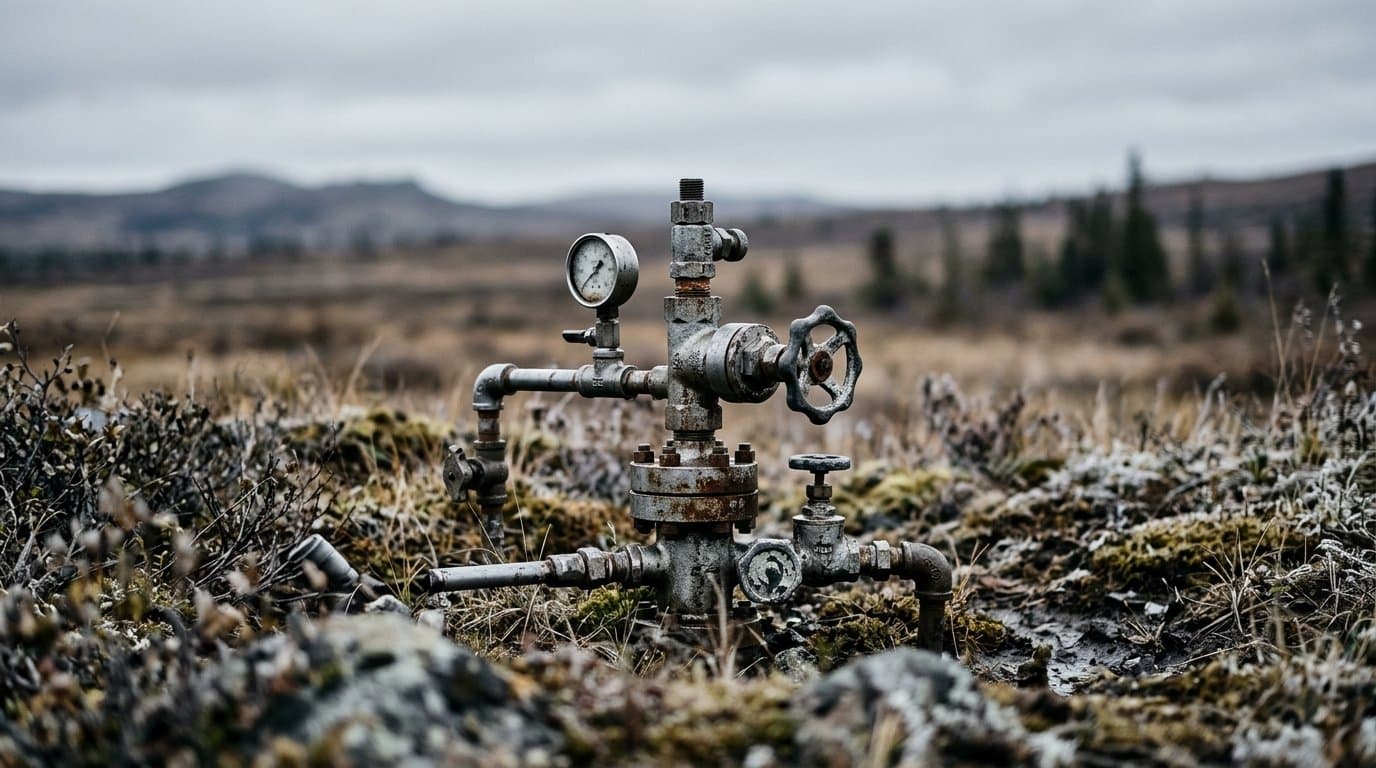
The 2024 rule requires zero methane and volatile organic compound emissions from gas-driven process controllers, the automated instruments that hold pressure, temperature and liquid levels steady, with one exception. Under the 2024 final rule, Alaska sites without electrical power may route controller emissions to a device that cuts them by 95 percent, use low-bleed controllers that release no more than 6 standard cubic feet of gas per hour or use intermittent-vent controllers that are checked to make sure they work properly. Alaska sites with power remain under the zero-emissions standard.
The EPA now proposes nearly the same terms for compressor station controllers that need an actuation pressure greater than 100 pounds per square inch gauge. The change would cover modified, reconstructed and existing stations. Newly built stations would still have to meet zero emissions: the agency said zero-emissions controllers can be designed into a new station at about the same cost as gas-driven ones, while replacing existing equipment could roughly double the cost.
The agency cited higher retrofit costs and technical constraints. Its 2024 analysis put the cost of retrofitting at under $2,000 per ton of methane reduced. Industry petitioners submitted figures from three companies ranging from about $861,000 to $3.4 million per ton, more than 400 times the agency's estimate.
The EPA checked with vendors and found electric controllers are too slow for these systems. Compressed-air controllers work, but the agency put the capital cost at $2.4 million per station to cut 8 tons of methane a year, which it called not cost effective.
The proposal says the Alaska standard was the only option the agency found both technically feasible and cost effective. The EPA estimates it would cost about $300 a year per station and cut 5.4 tons of methane and 0.15 ton of VOC, or $55 a ton of methane and $2,000 a ton of VOC.
The Alaska standard is not new to operators elsewhere. Until Jan. 22, 2027, the zero-emissions compliance deadline for process controllers, new facilities nationwide follow an interim standard that mirrors it.
The proposal does not change the Alaska exemption itself. The EPA seeks comment on whether 100 psig is the right threshold, whether its assumption about costs at newly built stations is accurate and whether existing sites without electricity deserve broader relief, as petitioners requested.
Comments are due Dec. 16 through Regulations.gov. The EPA has scheduled a virtual public hearing for Nov. 13, and speakers must preregister by Nov. 10.
Source: Environmental Protection Agency, Environmental Protection Agency: Federal Register :: Additional Reconsideration Standards of Performance for New, Reconstructed, and Modified Sources and Emissions Guidelines for Existing Sources: Oil and Natural Gas Sector Climate Review.
Made by our human newsroom with AI. How humans and AI work here · Grow with our newsroom
Stay informed. Support what matters.
Free local news you can verify. Support Maggie AlaskaNews and go ad-free.




Comments
Sign in to leave a comment.
No comments yet. Be the first to share your thoughts.