Cale Green
Early results show Alaskans voting not to retain two Kenai judges
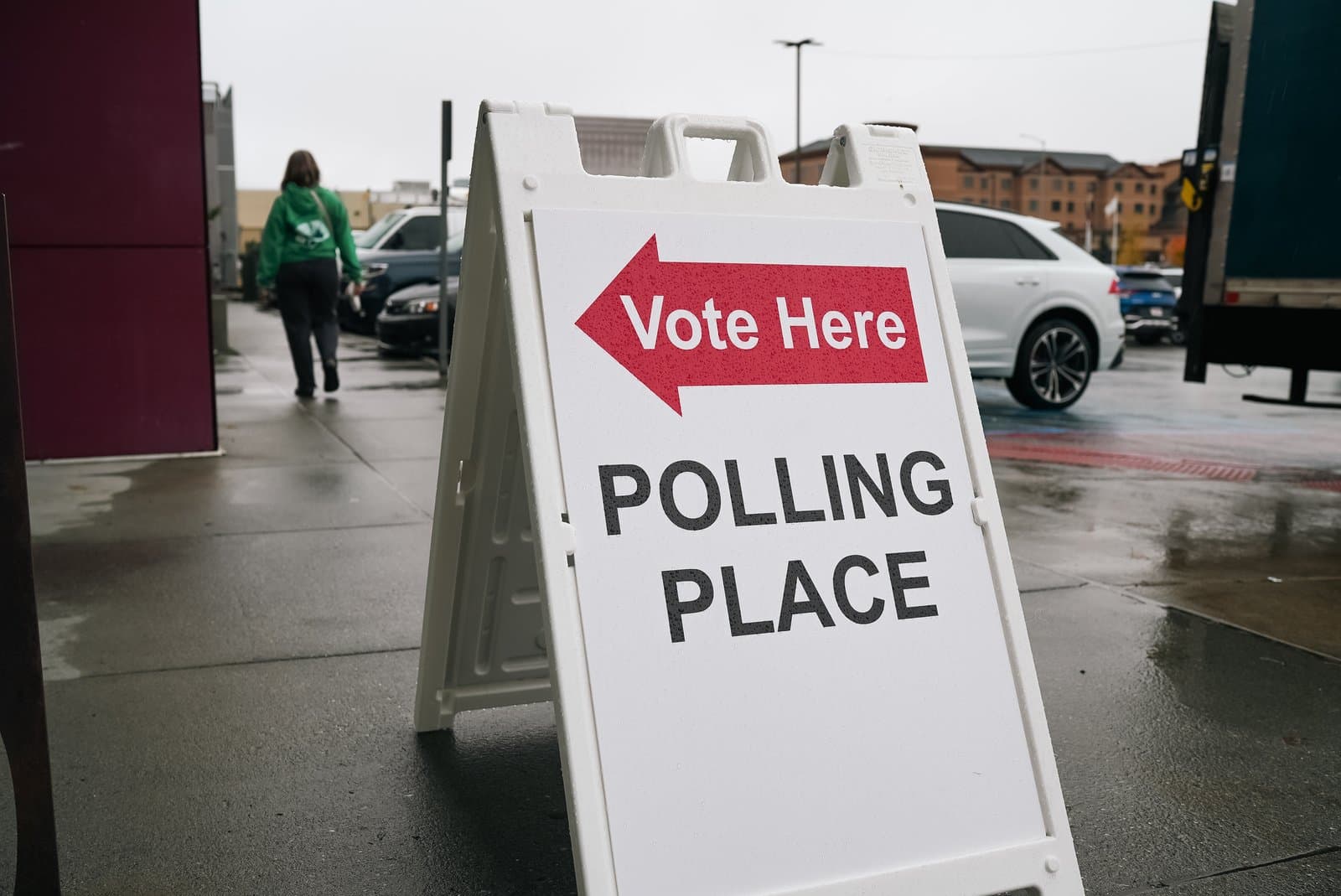
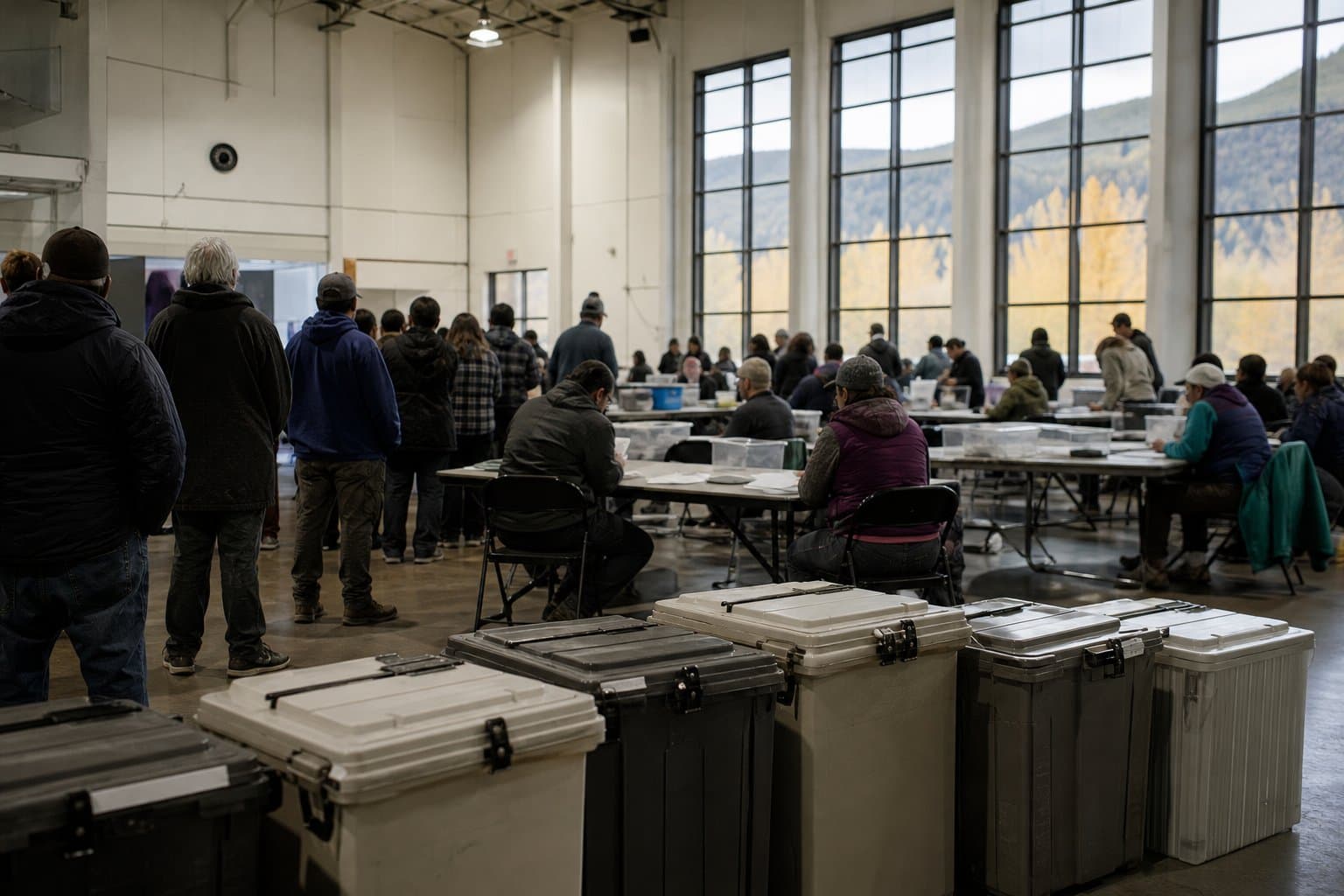
Early results Wednesday showed Alaska voters rejecting two Kenai judges after a state panel urged a no vote on both, one over how she treated court staff and the other over cases that waited months for his decision.
Kenai Superior Court Judge Kelly J. Lawson had about 42% yes votes and Kenai District Court Judge Martin Fallon about 41% in the Division of Elections' 2:19 am report. Judges need a majority of yes votes to stay on the bench. The other 19 judges on the ballot all had majorities.
The results are unofficial, with an estimated 75,000 ballots left to count statewide. Each Kenai judge trails by about 20,000 votes across the Third Judicial District, which includes Anchorage, the Mat-Su and the Kenai Peninsula.
Alaska voters have rejected only six judges in state history, according to the Alaska Judicial Council, most recently Anchorage Superior Court Judge Michael Corey in 2018.
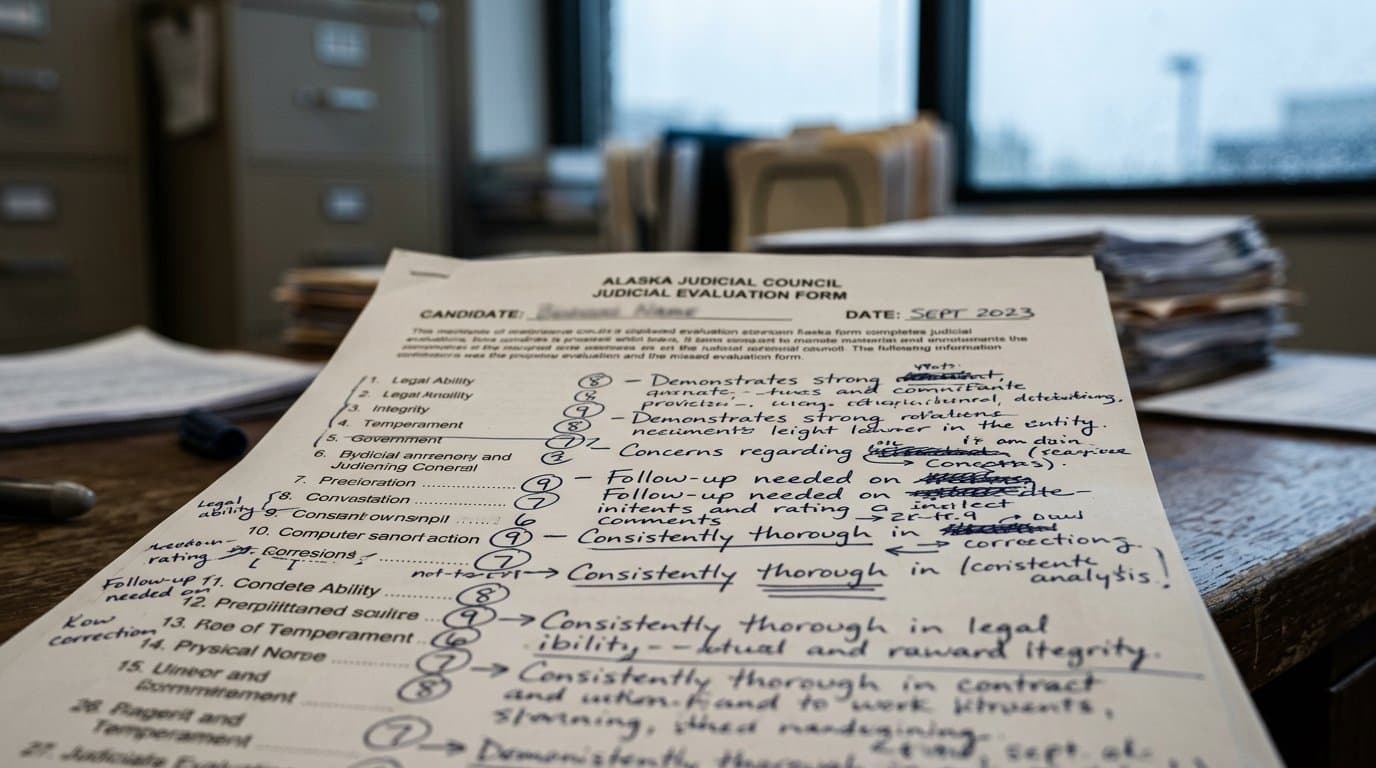
The council reviews each judge's work before a retention vote, drawing on surveys of attorneys, jurors, court employees and peace officers, among other sources. It recommended against both Kenai judges in September.
Lawson, appointed in 2023 and on the ballot for the first time, did not meet the council's standards for judicial temperament and integrity, it found. She "has lacked patience, dignity, and courtesy in her communications with court employees," the council said, and efforts by court administrators to help her improve had been "largely unsuccessful." The council's vote against her was unanimous.
The council also said she performed "acceptably on the bench." Attorneys rated her legal ability as good, and jurors rated her attentiveness and skill as excellent.
For Fallon, the council pointed to two cases that waited months for a decision. In one, the parties waited more than seven months for his decision, and another judge put a sticky note on the file to alert him it was overdue. He ruled six weeks after the note. In the other, he took four more months to decide after the parties filed information he had asked for.
Alaska judges can't be paid if a decision assigned to them has gone undecided for more than six months, and each pay period they must sign an affidavit saying none has. Fallon signed three "to the best of his knowledge and belief" while one overdue case was still pending.
The Alaska Supreme Court publicly reprimanded him for the delays and found that signing the affidavits created an appearance of impropriety. It also found he had no prior discipline, cooperated and had no selfish or dishonest motive. He did not dispute the facts. Fallon was appointed in 2019, and voters have retained him once before.
Voters were keeping the other judges, including Justice Jude Pate, the only Supreme Court justice on the ballot, and Juneau Superior Court Judge Marianna Carpeneti, on whom the council split and made no recommendation.
If the results hold, the council would take applications for the two Kenai seats and nominate the most qualified to the governor, who would appoint the new judges.
What did you make of this story? (no account needed)
Get Alaska News in your inbox
Create your free account and get the day’s top stories around 6 each morning, in a few minutes’ read.
The day's top stories around 6 each morning. Unsubscribe in one click.





Comments
Sign in to leave a comment.
No comments yet. Be the first to share your thoughts.