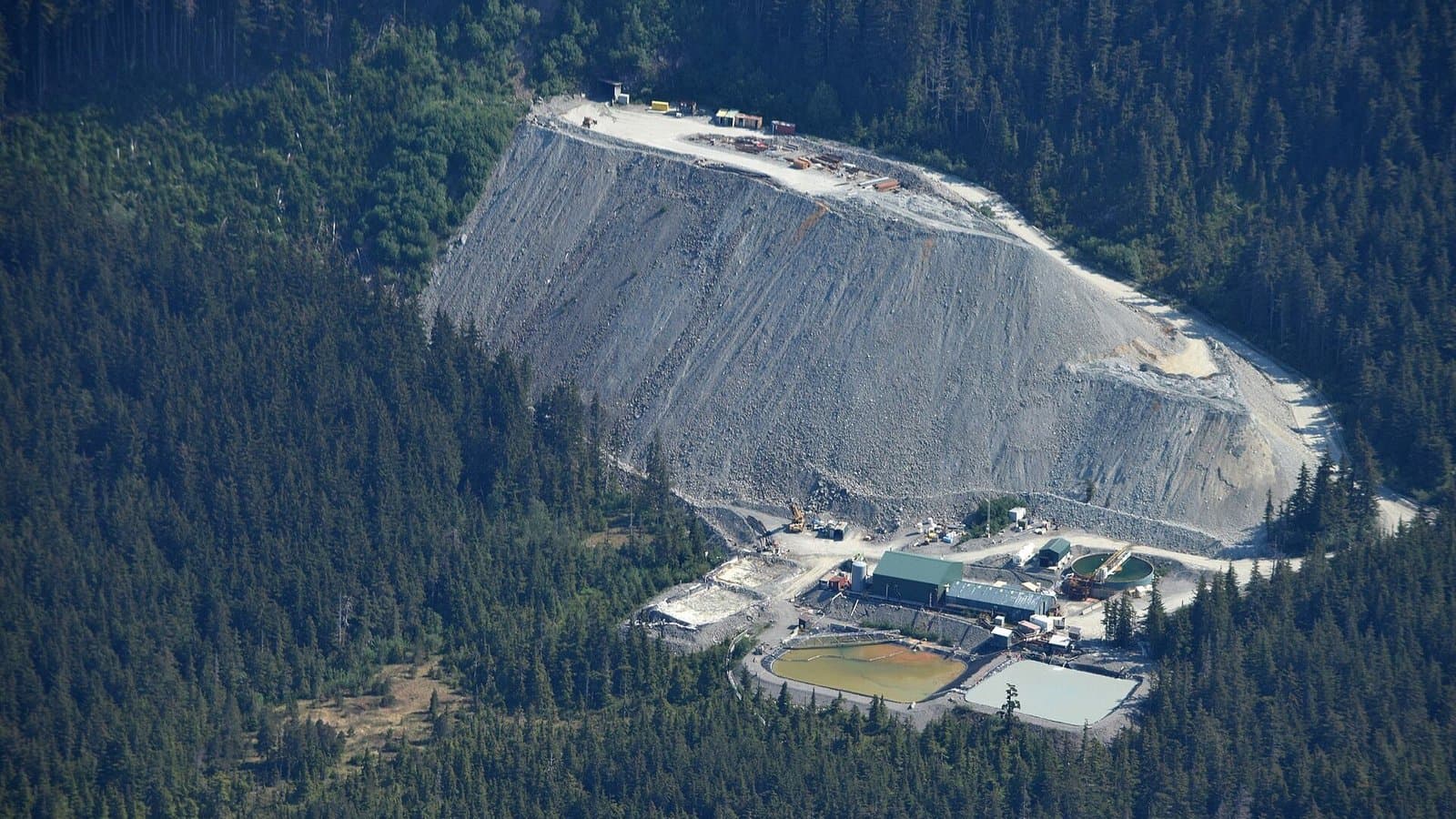
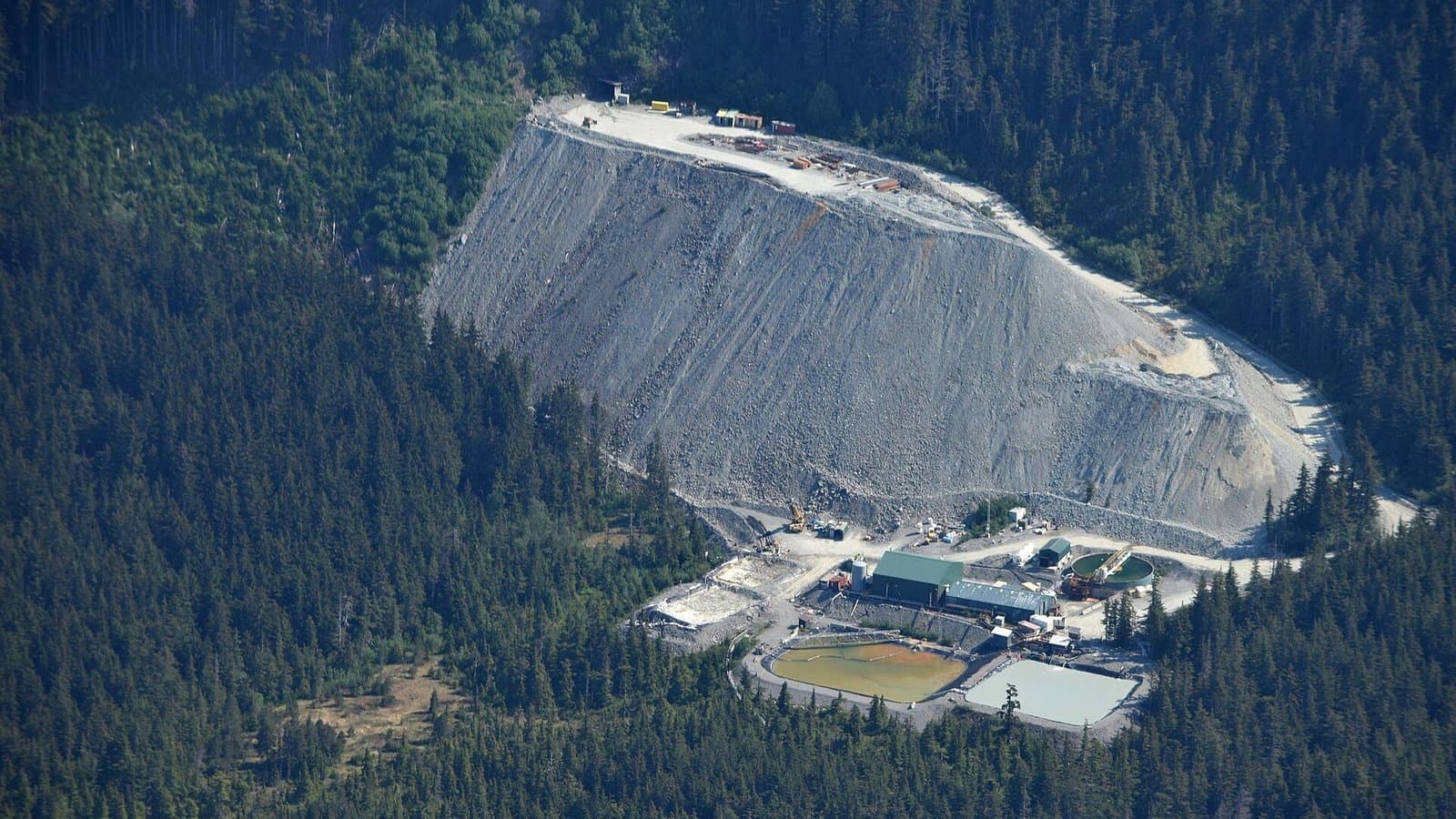
Photo: James Brooks via Wikimedia Commons · Photo source · CC BY 2.0
Coeur Alaska asks to keep Kensington blasting lines 2 feet from power lines
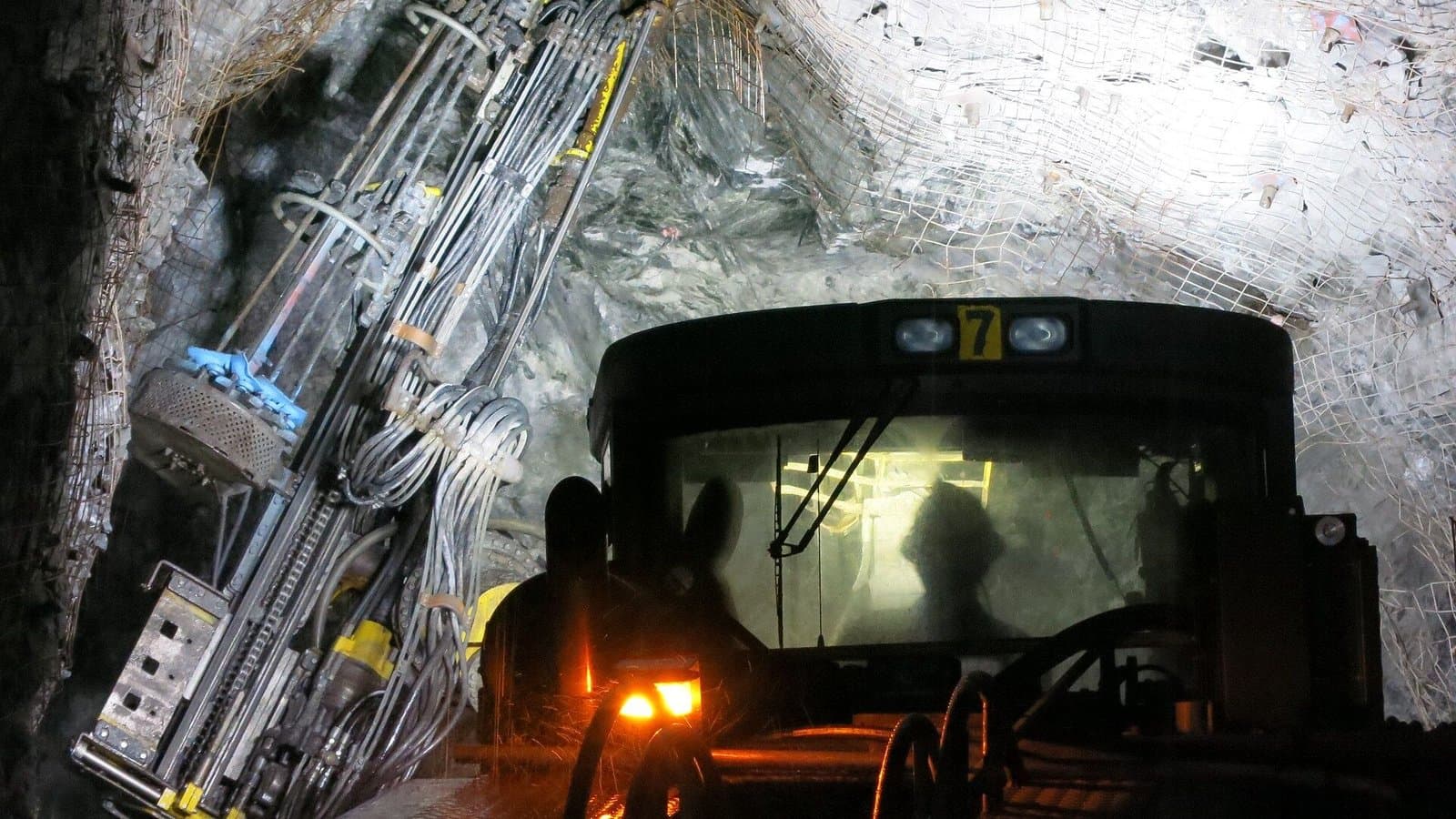
Coeur Alaska Inc. has asked the Mine Safety and Health Administration to let crews at its Kensington Mine near Juneau keep blasting lines 2 feet from electric power lines, rather than the 15 feet a federal safety standard requires. Public comment on the request is open until Dec. 17.
The petition, published in the Federal Register on Tuesday, asks MSHA to modify how the clearance rule applies at the mine. The 15-foot air gap is meant to guard against stray electrical currents, according to the petition. It says Kensington's underground tunnels, called drifts, run about 10 to 16 feet wide, so a 15-foot gap is not feasible in certain areas without significantly altering mine infrastructure.
The company says it now keeps a 2-foot separation, following recommendations from the manufacturer Dyno Nobel. It uses non-electric shock tube and electronic detonator systems, which it says are not susceptible to stray electrical currents or induced voltages. The petition says the electronic detonators showed no degradation in high-voltage testing up to 30,000 volts and in lightning simulations.
Electric detonators have been removed from the mine, the petition says. Under the proposal, they still could be used with leadership approval. The company also proposes strict adherence to the manufacturer's guidelines, visual inspections of shock tubes before use and training for personnel.
The petition was served on the miners' representative on May 10. MSHA will decide whether the company's alternative guarantees miners no less than the same protection as the standard.
Kensington is one of Juneau's major private employers. The mine produced 21% less gold this summer than last year, at a higher cost per ounce, though high gold prices kept it profitable.
Wildfire retardant exemption
Separately, President Donald J. Trump signed a presidential memorandum exempting federal firefighting activities, including drops of aerial fire retardant, from Clean Water Act permitting, according to a White House fact sheet released Nov. 10.
The fact sheet says an adverse district court decision required a permit for retardant drops that the U.S. Forest Service could not secure because of regulatory hurdles. The White House says the memorandum is meant to keep retardant available for the 2027 fire season and to remove legal uncertainty and delays that officials say have hampered emergency response in rural communities and critical watersheds.
The memorandum also covers the Interior Department, other executive agencies and their contractors. It exempts their firefighting work from state, interstate and local water pollution requirements as well as federal ones. The exemption runs for one year, from Nov. 10, 2026, to Nov. 10, 2027.
Interior's U.S. Wildland Fire Service responds to wildfires on public and tribal lands, and it works in Alaska. In October, its personnel burned piles of woody debris on military lands across Interior Alaska.
The fact sheet describes the memorandum as building on earlier administration actions, including executive orders in 2025 on timber production and emergency preparedness and the National Resilience Strategy released in June.
What did you make of this story? (no account needed)
Made by our human newsroom with AI. How humans and AI work here · Grow with our newsroom ·
Get Alaska News in your inbox
Create your free account and get the day’s top stories around 6 each morning, in a few minutes’ read.
Top stories, around 6 each morning.
Stories on what you follow, on Sundays.
Source: Alaska Federal Executive Actions roundup.






Comments
Sign in to leave a comment.
No comments yet. Be the first to share your thoughts.