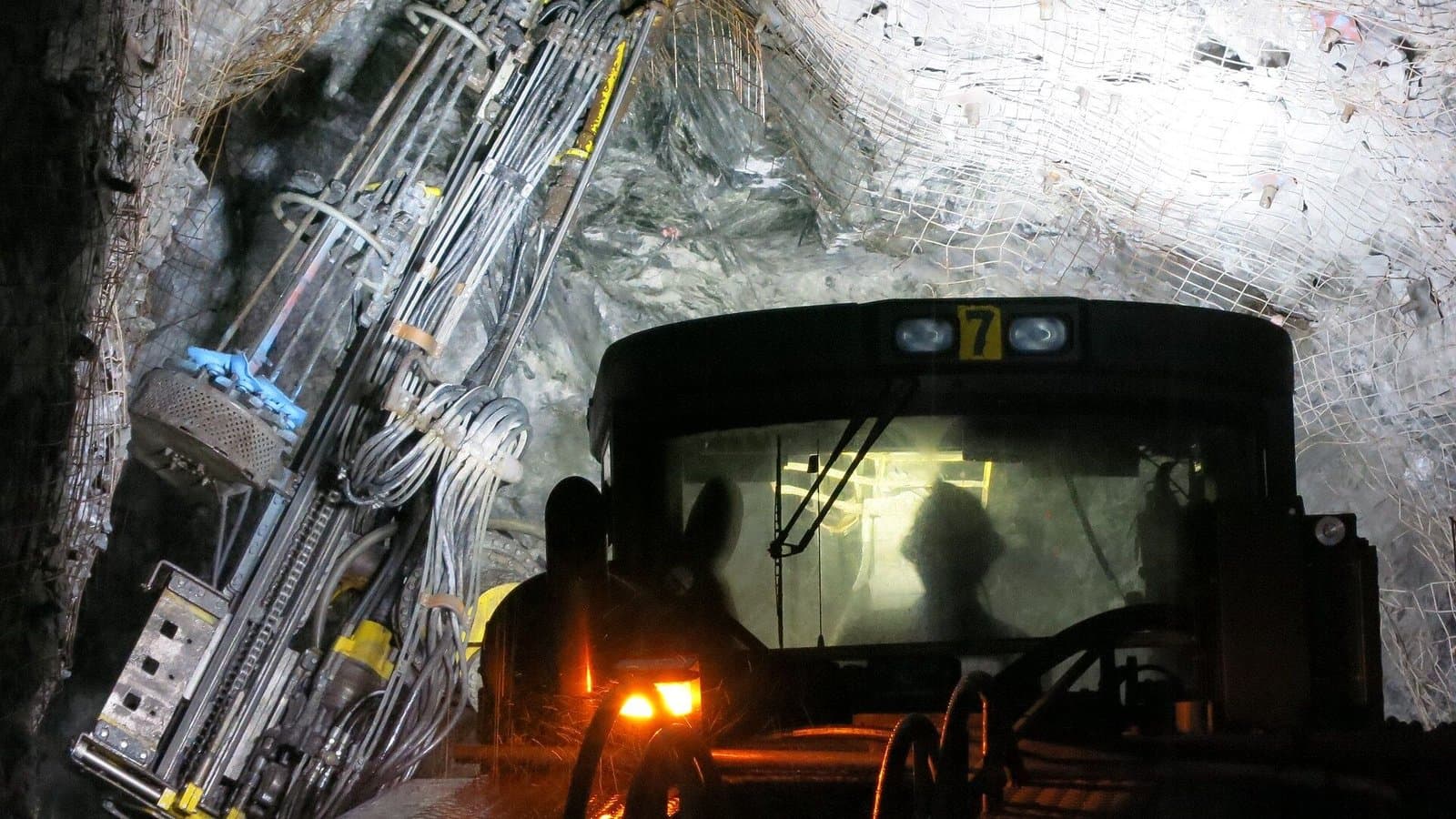
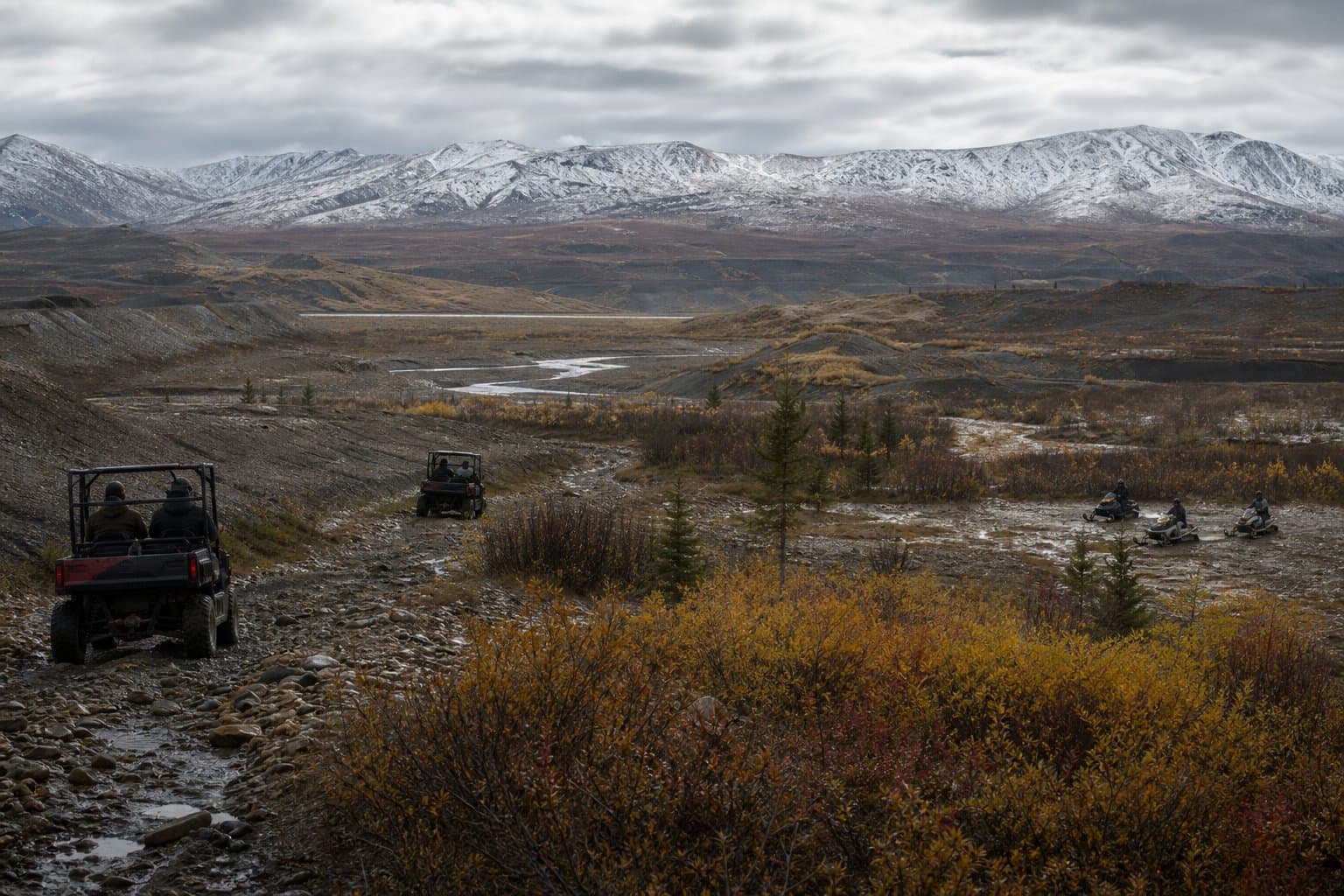
Photo: University of Exeter from United Kingdom via Wikimedia Commons · Photo source · CC BY 2.0
Pogo gold mine seeks to fill 9 more acres of wetlands for rock and equipment storage
The company that runs the Pogo gold mine has asked federal regulators to let it fill about 9 more acres of wetlands at the mine, to make room for rock and equipment, according to a public notice the U.S. Army Corps of Engineers issued Friday.
Federal law requires a Corps permit to fill wetlands, and Pogo already has one. Northern Star (Pogo) LLC wants to change it to cover the new acreage.
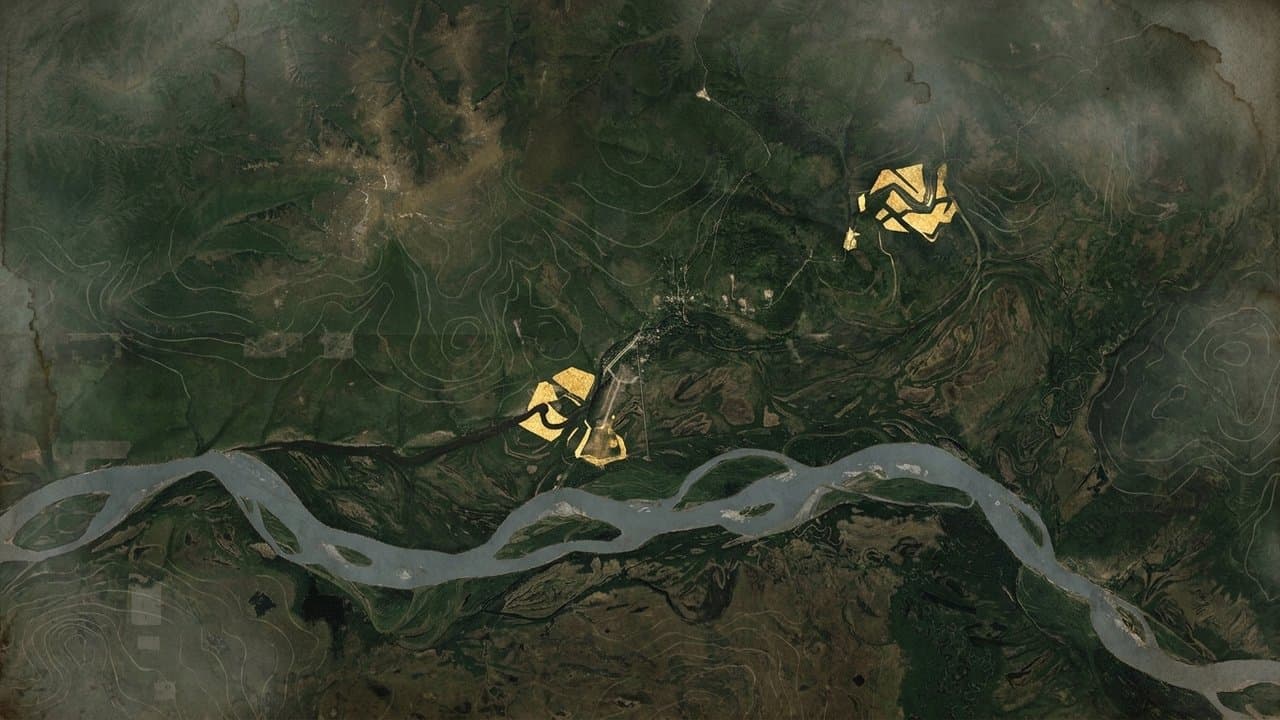
Pogo is an underground gold mine 38 miles northeast of Delta Junction, on state land. It sits at the end of a 49-mile road off the Richardson Highway and runs 24 hours a day, every day of the year, according to the Alaska Department of Natural Resources. In 2022, the most recent year the state's page reports, it had 610 employees and more than 300 contract workers.
The mine is owned by Northern Star Resources, an Australian gold company. Pogo sold about 265,000 ounces of gold in the company's fiscal year that ended in June, according to a Northern Star production update.
Mining underground means digging out rock that holds little or no gold. The company wants more room to store that rock, plus space to lay down materials and equipment, next to the mine's existing 1380 portals, which are entrances to the underground workings. The fill itself would be that same kind of rock, taken from the mine property.
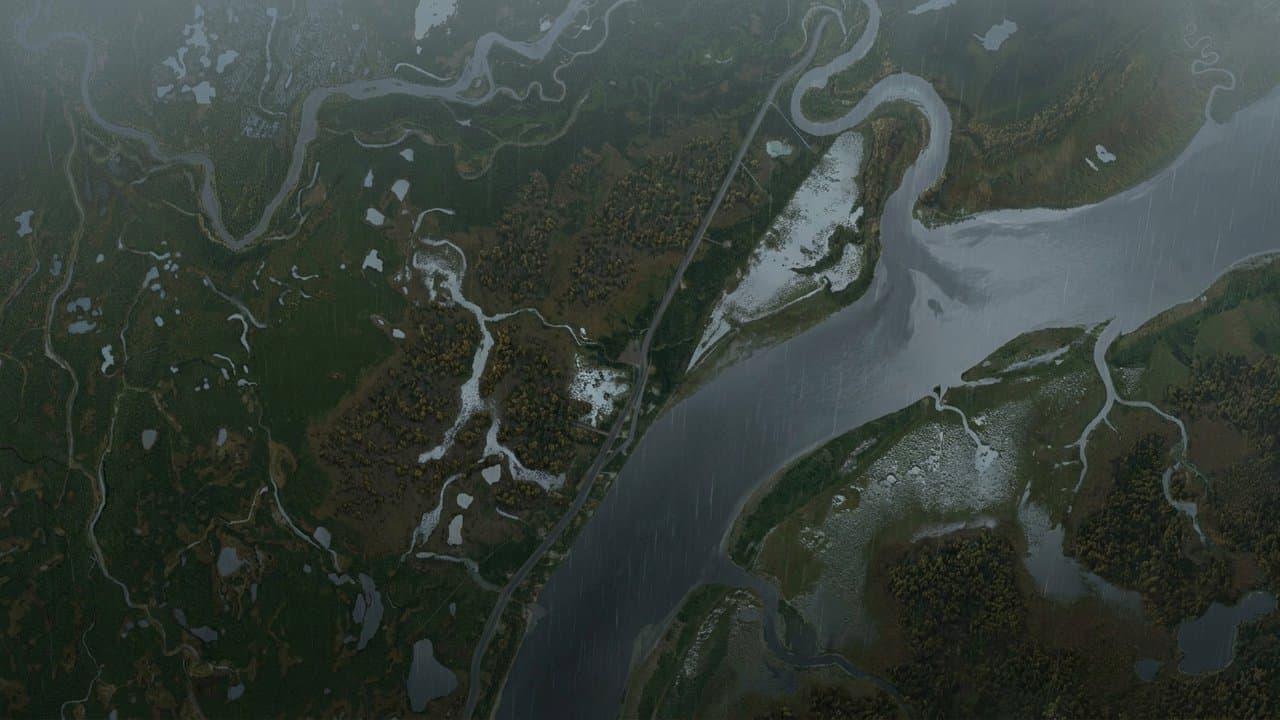
The site drains toward the Goodpaster River, which flows into the Tanana River. The state lists the Goodpaster as a salmon stream within the range of Chinook and chum salmon.
To handle runoff, the company would build ditches to catch all the water coming off the rock and storage pads and send it to a settling pond, where sediment drops out. Water leaving the pond would then flow through a natural vegetated area for final filtering before it reaches the river. The Corps says in the notice that the river would not be affected and that the work would not harm the habitat salmon depend on.
In its own monitoring report to the state for 2022, the company said its surface water results were all within its permit limits, with no adverse trends.
Northern Star isn't proposing to restore or replace wetlands elsewhere to make up for the fill. It says it will reclaim the site when mining ends and look for chances to restore wetlands on the mine property as it develops.
In 2020, the Corps took comment on a larger request from the company to fill 43.3 acres of wetlands and ponds for new roads, more housing and storage, and a new underground entrance, according to an earlier notice.
The Corps can't issue the permit until the Alaska Department of Environmental Conservation signs off on, or waives, a state water quality certification. Work could begin this winter if the approvals come through.
The public can comment to the Corps through Dec. 1, and anyone can ask in writing for a public hearing by then.
Made by our human newsroom with AI. Reviewed by Cale Green. How humans and AI work here · Grow with our newsroom
Get Alaska News in your inbox
Create your free account and get the day’s top stories around 6 each morning, in a few minutes’ read.
The day's top stories around 6 each morning. Unsubscribe in one click.
Source: U.S. Army Corps of Engineers, U.S. Army Corps of Engineers: POA-1996-00211_Goodpaster River PN.






Comments
Sign in to leave a comment.
No comments yet. Be the first to share your thoughts.