
Photo: U.S. Department of the Interior via Wikimedia Commons · Photo source · Public domain
BLM rule would halve the governor's review of federal land plans in Alaska
The Bureau of Land Management proposed Nov. 10 to cut in half the time Alaska's governor gets to flag conflicts with its plans for federal land, and to end the governor's appeal when the agency turns down the state's recommendations.
Under the proposed rule, the governor would get 30 days instead of 60 to point out conflicts between a BLM plan and the state's own plans. The BLM would also drop a requirement that its plans be consistent with tribal plans, and the public would get less time to comment on major plans.
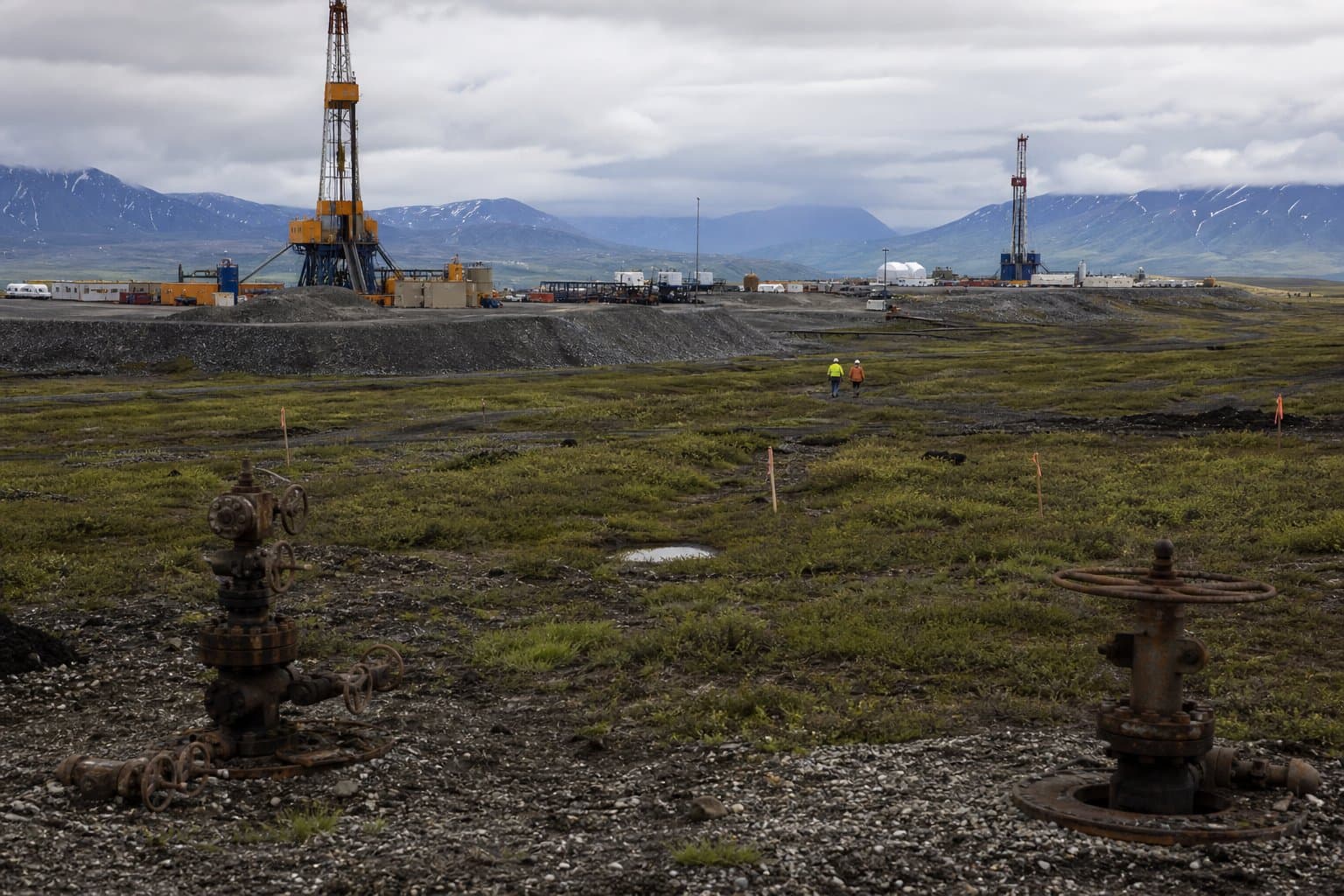
Nationwide, the BLM manages more than 245 million acres, mostly in 12 Western states. In Alaska, it oversees about 70 million acres. Its land use plans, called resource management plans, set the rules for that land, often millions of acres at a time: where mining, drilling and roads can go, and which places are set aside for wildlife, water or cultural sites.
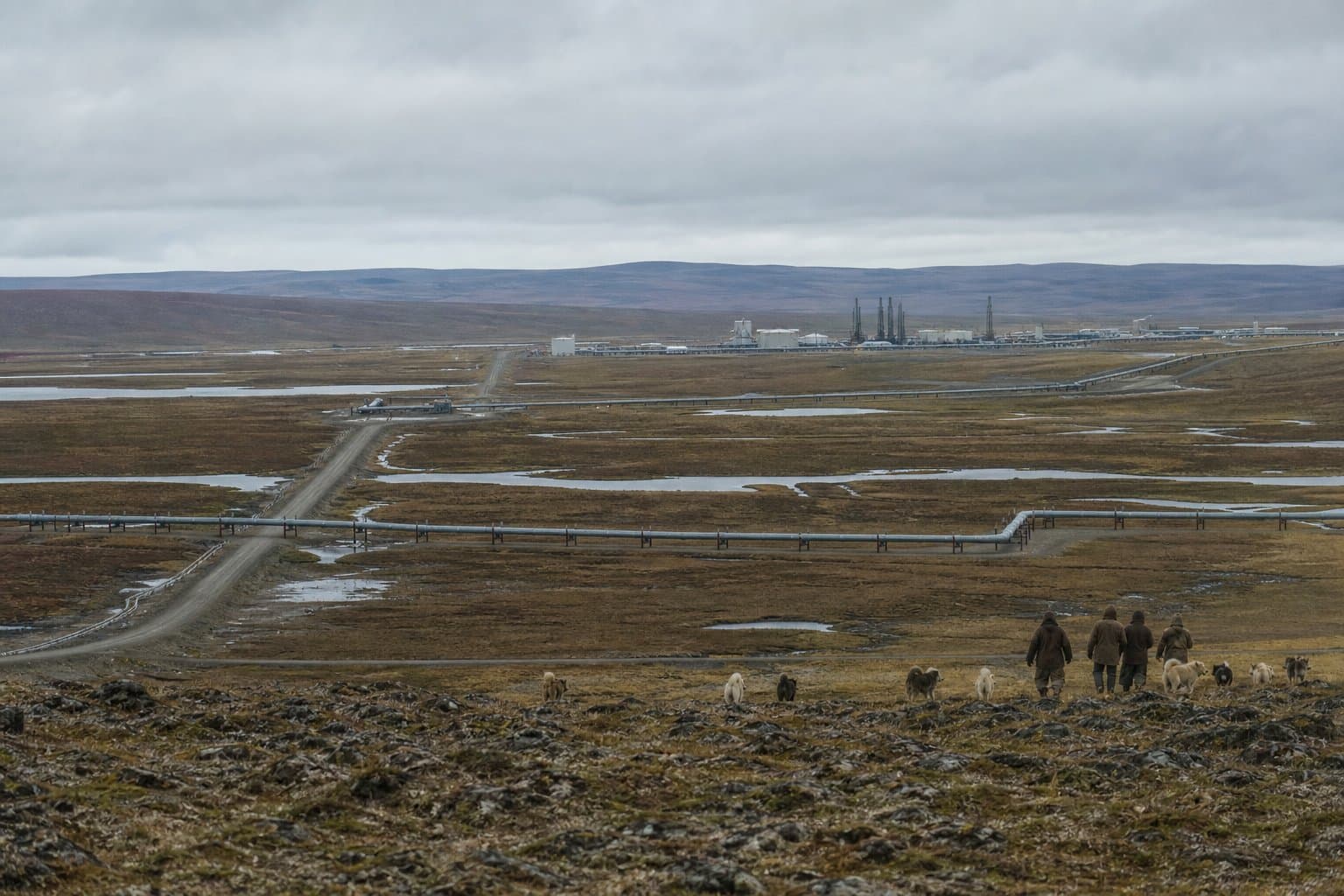
The rule wouldn't apply to the National Petroleum Reserve-Alaska on the North Slope, which federal law exempts.
The Interior Department says the BLM's planning rules, first written in 1979, are outdated. "The current planning process is too slow, too complicated and weighed down by outdated requirements," BLM Director Steve Pearce said when the proposal was announced. The BLM says it is removing overly prescriptive procedures that federal land law doesn't require, and that it would still follow the National Environmental Policy Act when it writes or changes a plan.
Federal law says BLM plans should be consistent with state and local plans as far as the agency finds federal law allows. The governor's review, at the end of the planning process, gives the state a chance to flag conflicts. Now, if a BLM state director turns down the governor's recommendations, the governor can appeal to the BLM director. The proposal would end that appeal.
Borough and city officials would get a new way in. Now, the BLM sends conflicts with local plans to the governor. Under the proposal, local officials could send recommendations straight to the BLM during the governor's review, according to a BLM question-and-answer document.
The BLM would also drop its requirement that its plans be consistent with tribal plans and with other federal agencies' plans. The agency says federal land law doesn't direct it to keep them consistent.
State, local and tribal governments that want their own approved plans considered would have 45 days after the BLM asks to send them in.
For the public, the rule would drop the 90-day minimum comment period for draft plans backed by environmental impact statements, the most detailed type of federal environmental review. When comment is required, the period would be at least 30 days and no more than 60.
The rule would also say plan decisions can't be appealed to the Interior Department's Office of Hearings and Appeals. The BLM said that only spells out current law.
A general public notice would replace the Federal Register notice now required when planning begins.
The BLM would also drop the 60-day comment period and Federal Register notice for identifying Areas of Critical Environmental Concern, which the BLM can designate for special management to protect things like cultural sites, scenery or fish and wildlife. The agency called that comment period redundant because the public could still weigh in on those areas at other points. A May rule that rescinded the 2024 Conservation and Landscape Health Rule had restored that 60-day period. The rescission drew 138,161 comment submissions, 9,132 of them unique and the rest form letters.
Protests, the formal objections people can file against a proposed plan, would have to be filed electronically through the BLM's NEPA register within the 30-day protest period, with no extensions. Paper filings would end. The BLM said it has waited 10 business days or more after protest periods closed for letters that might have been postmarked in time. Responses would be posted publicly, generally on BLM.gov, instead of sent by certified letter. Only people who took part in the planning process could protest, which wouldn't change, the BLM says.
Comments on the proposal are due Jan. 11, 2027. The BLM said it would invite all 575 federally recognized tribes and about 200 Alaska Native corporations to consult.
What did you make of this story? (no account needed)
Made by our human newsroom with AI. Reviewed by Cale Green. How humans and AI work here · Grow with our newsroom ·
Get Alaska News in your inbox
Create your free account and get the day’s top stories around 6 each morning, in a few minutes’ read.
Top stories, around 6 each morning.
Stories on what you follow, on Sundays.
Source: Bureau of Land Management.










Comments
Sign in to leave a comment.
No comments yet. Be the first to share your thoughts.