AI image
Juneau Assembly to hear plan to borrow up to $24.7 million for Seawalk extension
The Juneau Assembly holds a public hearing Monday, Nov. 16, on an ordinance that would let the city borrow up to $24.7 million to extend and rebuild the downtown Seawalk. The city would sell the bonds to the Alaska Municipal Bond Bank, a state public corporation that lends to local governments.
The ordinance was introduced Oct. 26. Besides construction, the money would fund a reserve account and pay the costs of issuing the bonds.
The debt would be repaid from port development fees, which an April 2024 city sustainability commission session described as a $3-per-passenger fee meant to pay for revenue bonds and infrastructure. The city expects to repay the bonds within 20 years at about $1.2 million a year, according to the Oct. 26 Assembly agenda.
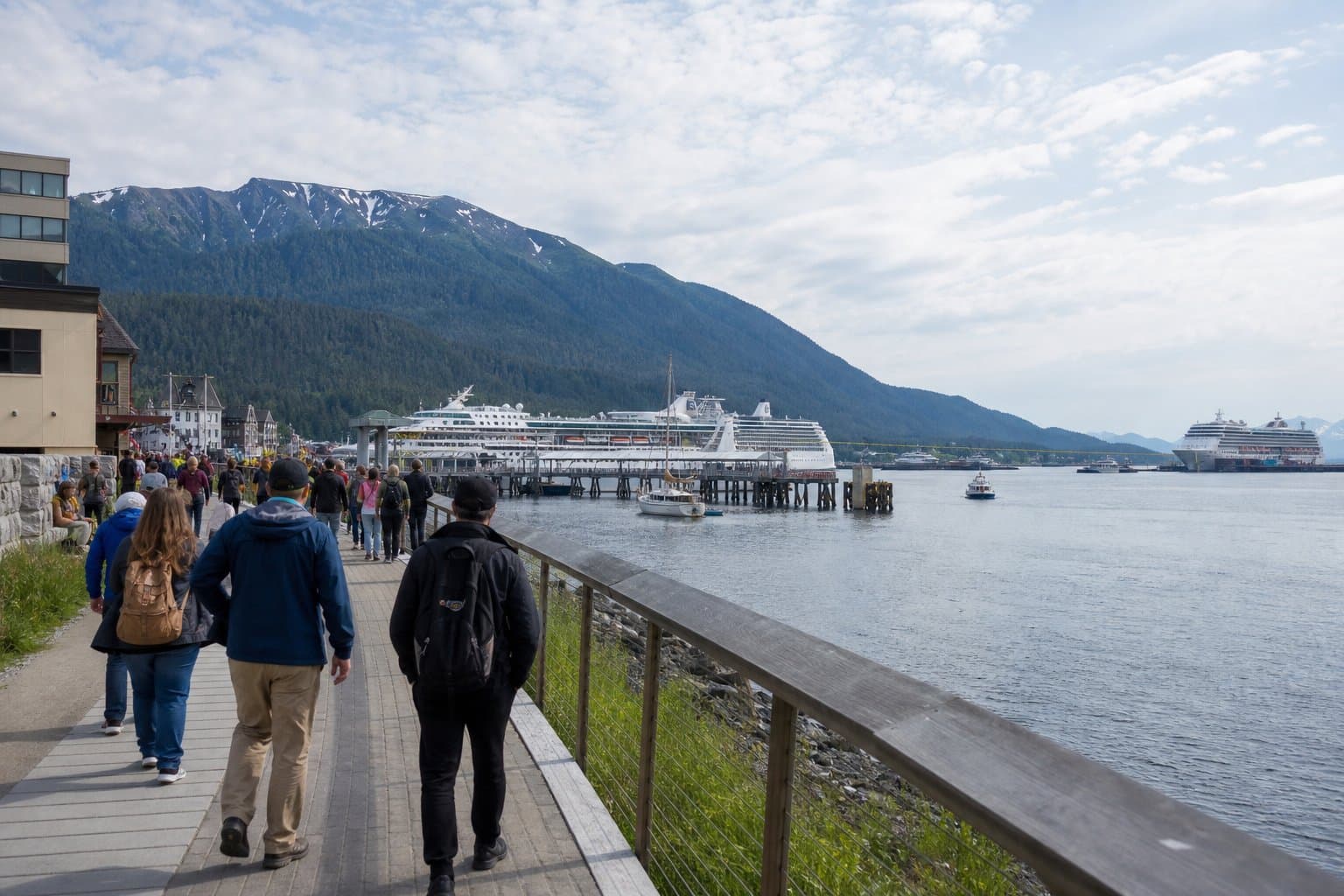
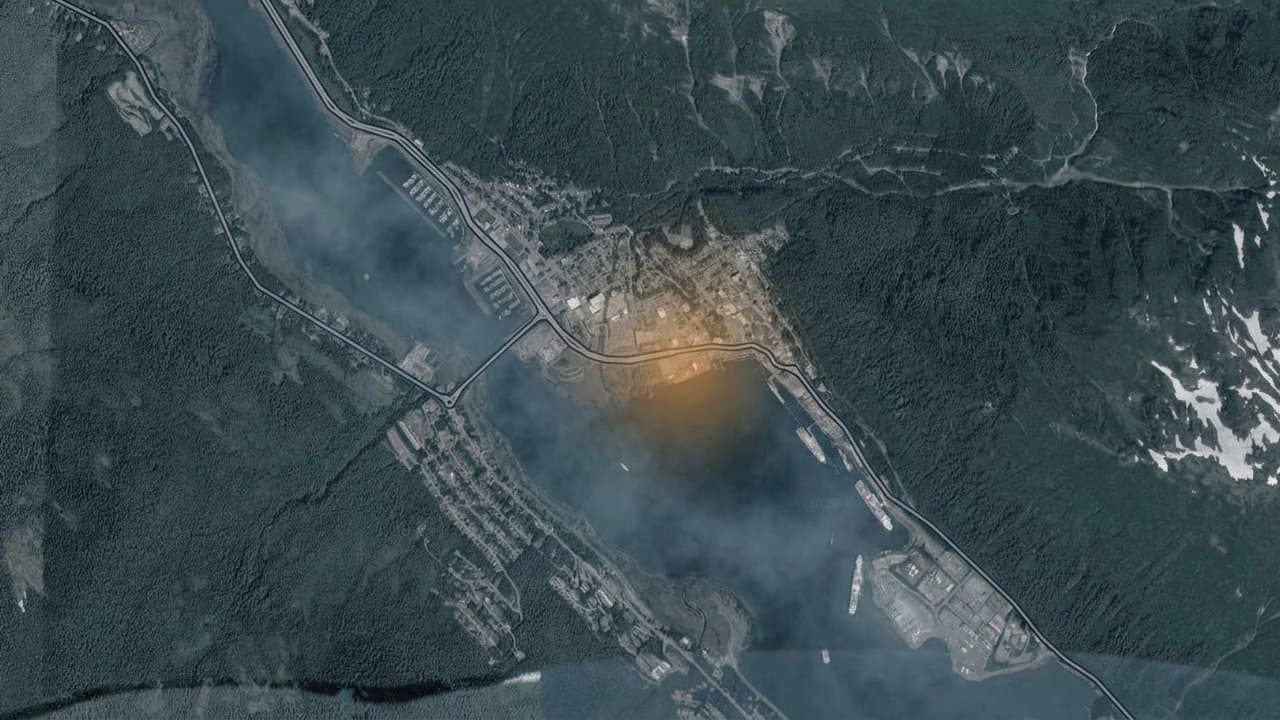
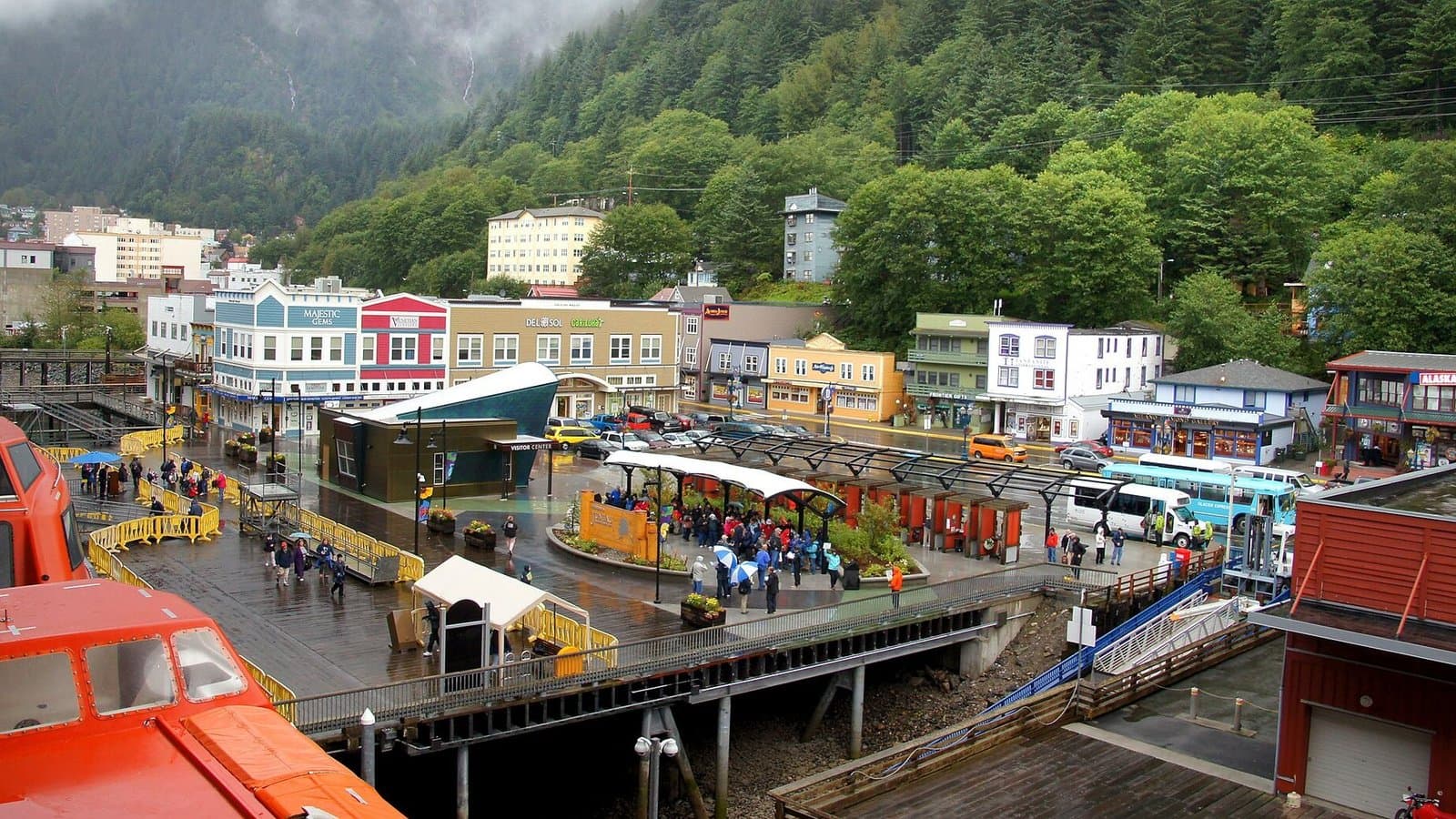
The Seawalk work would run from Franklin Dock to AJ Dock and is meant to improve pedestrian safety and access between the cruise docks and downtown. A state water quality notice lists 238 new steel piles, a new cruise ship mooring dolphin and about an acre of new Seawalk over the water, with construction estimated from April 1, 2027, to April 1, 2029. The National Marine Fisheries Service has proposed a marine mammal permit covering the effects of pile-driving noise. In September, an Assembly committee directed staff to put an unrequested $6 million state grant toward the Seawalk.
The ordinance ranks how the fee money is spent: bond interest first, principal second, reserve account payments third and payments on port debt with a lower claim on the fees fourth. Whatever remains can go to port repairs, improvements or other lawful city purposes. The new bonds would share first claim with three port bonds still outstanding from earlier refinancings of port debt, totaling about $12.3 million.
The city also promises bondholders to keep port fees high enough to bring in at least 120% of each year's scheduled debt payments. The Assembly's debt policy, adopted Sept. 14, sets the same 120% level for port revenue bonds.
When the Assembly Finance Committee reviewed that policy Sept. 2, Mayor Beth Weldon asked why the coverage levels differ from one type of bond to another. Finance Director Angie Flick said the levels are set partly by industry practice and partly by financial ratios when a bond is issued, and that "most of our revenue bonds today that we hold today were issued by the Alaska Bond Bank."
The city charter allows revenue bonds without a public vote. If the ordinance passes, it takes effect 30 days later. The final interest rate, payment schedule and loan amount would return to the Assembly for approval by resolution.
What did you make of this story? (no account needed)
Made by our human newsroom with AI. How humans and AI work here · Grow with our newsroom ·
Get Alaska News in your inbox
Create your free account and get the day’s top stories around 6 each morning, in a few minutes’ read.
Top stories, around 6 each morning.
Stories on what you follow, on Sundays.
Source: City and Borough of Juneau.









Comments
Sign in to leave a comment.
No comments yet. Be the first to share your thoughts.