AI image
Arctic's warmest summer since 1950 included the rain that flooded the Susitna Valley
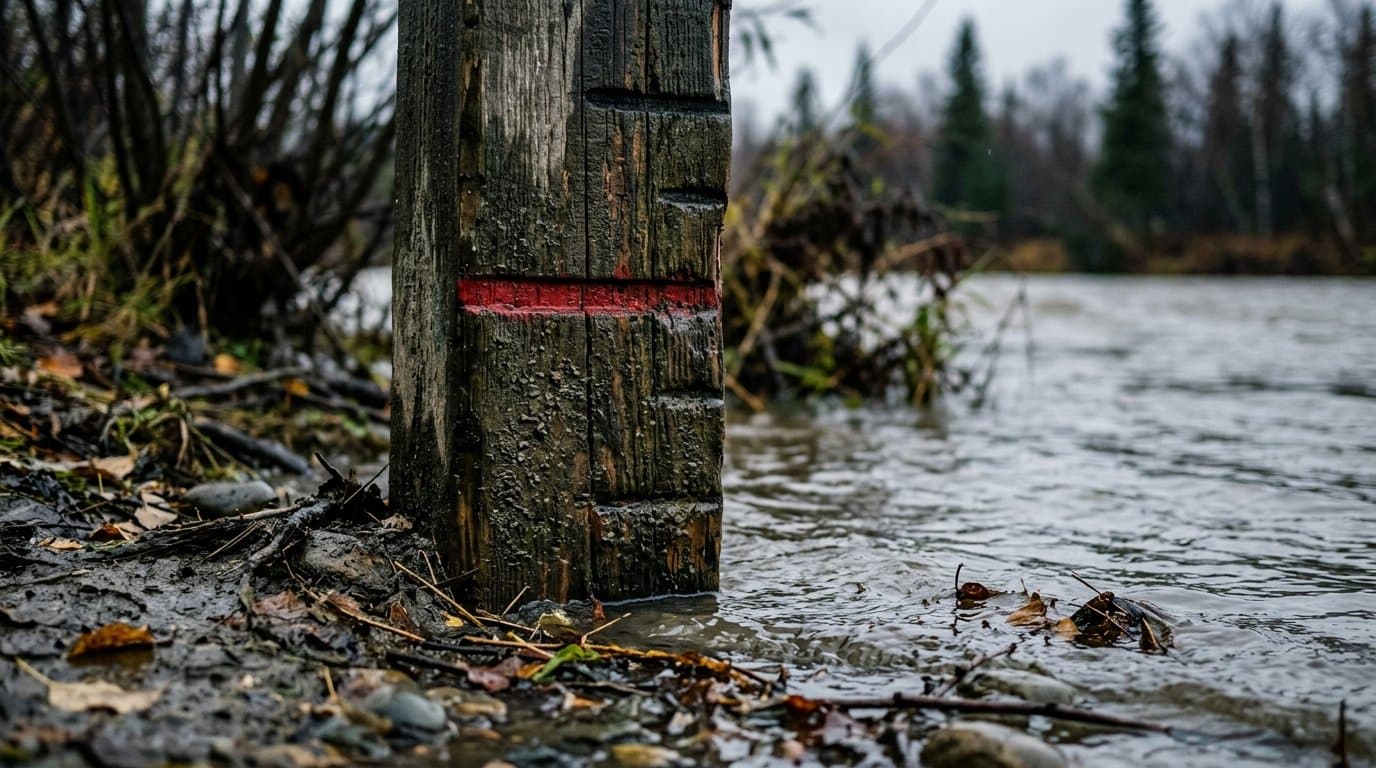
The July rain that flooded the Susitna Valley now has a place in the climate record: it is logged as one of the extreme precipitation events of the warmest Arctic summer since 1950.
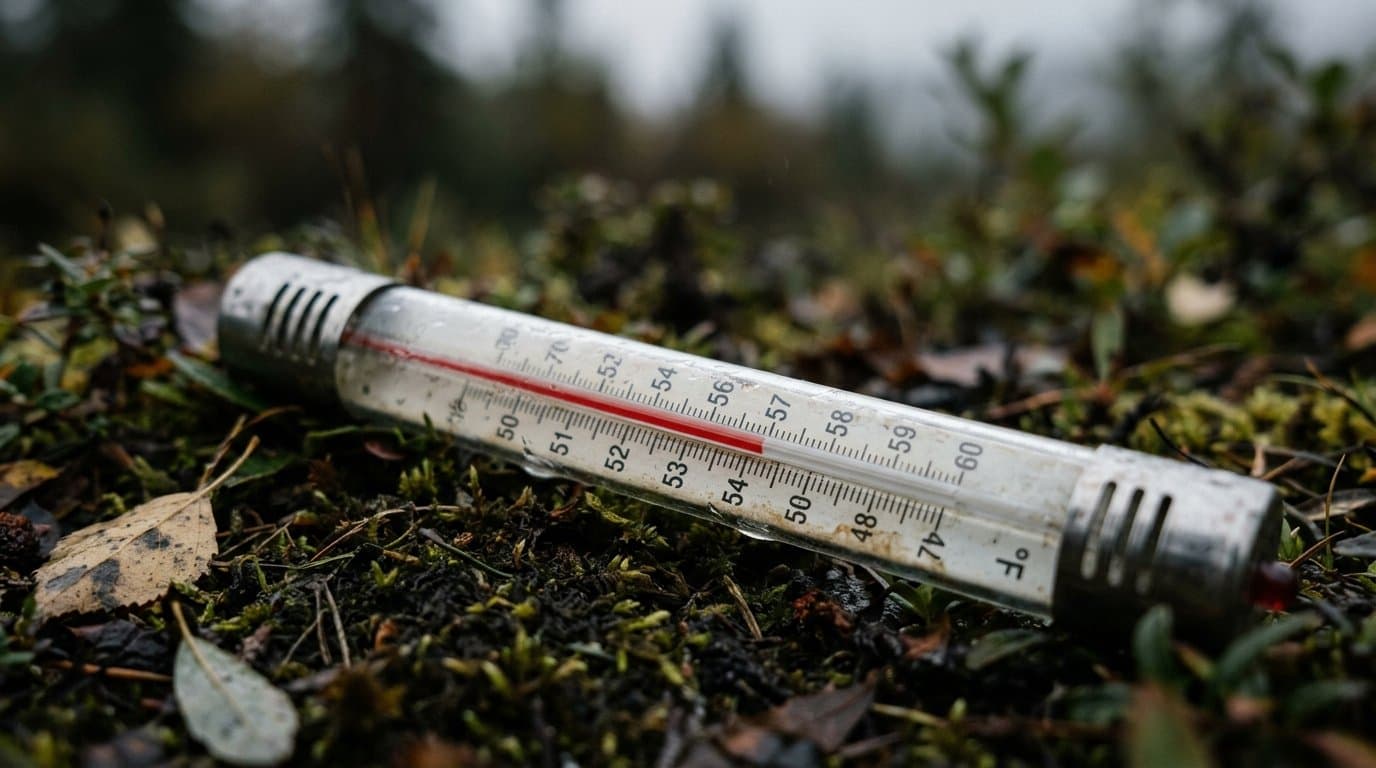
That's the finding of the Arctic Summer 2026 Climate Review, published Sept. 8, which ranks this summer as the warmest across the Arctic in 76 years, edging out 2016 and 2023. About three-quarters of the region ran warmer than normal from June through August.
The rain itself wasn't unusual Arctic-wide. Total summer precipitation came in only about 2 percent above normal. What the review flags instead is where the rain concentrated: a few places got extreme amounts over one to five days, and Southcentral Alaska was one of them.
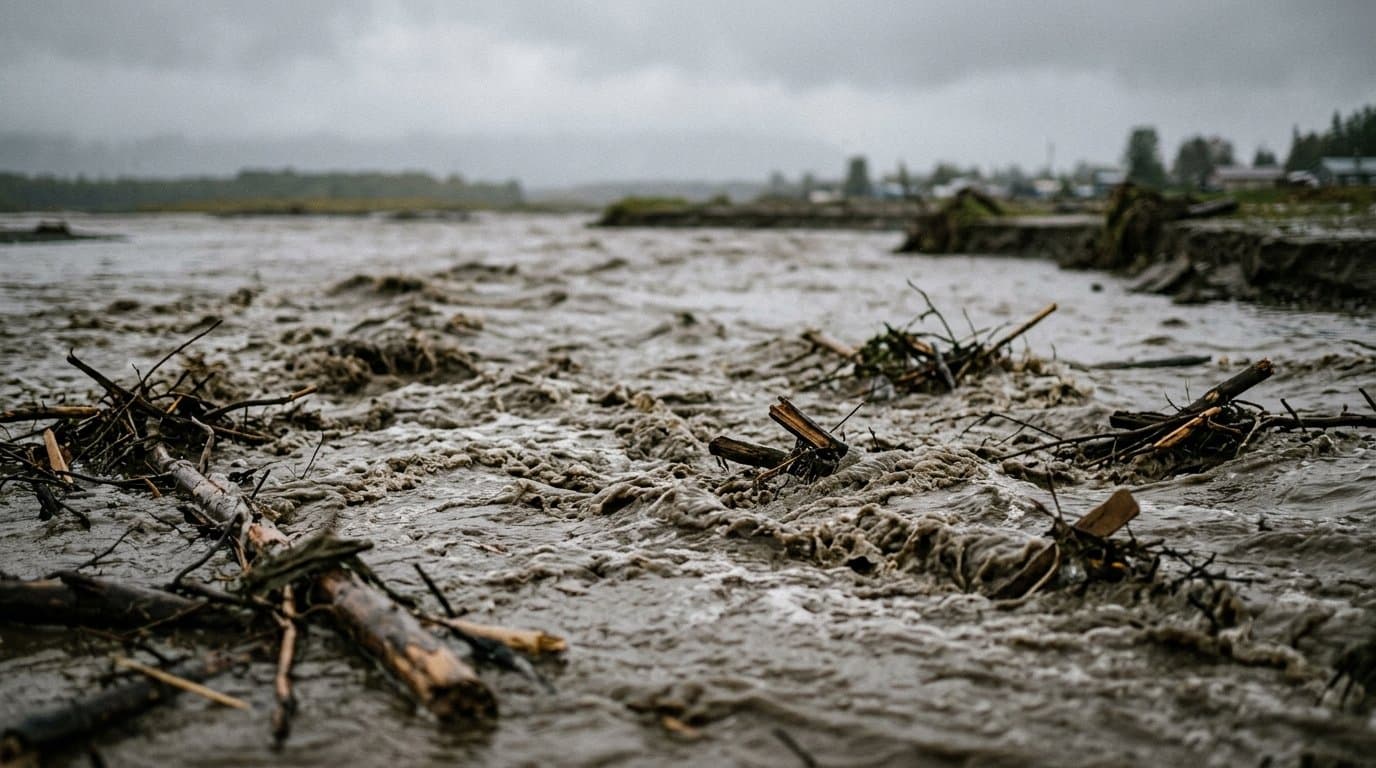
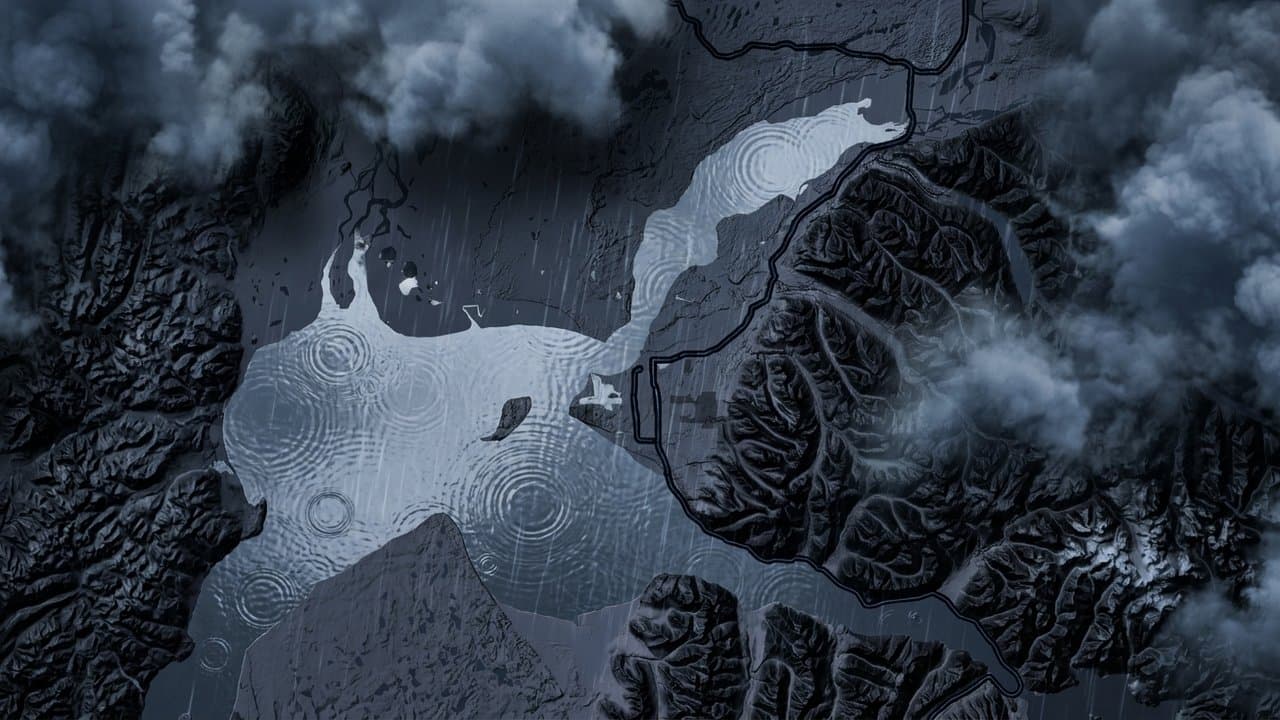
On the ground, that was two storms between July 20 and 23. Talkeetna recorded nearly three inches of rain in 24 hours, and a volunteer station at Amber Lake logged almost three and a half over two days. The Talkeetna River crested just above flood stage, its highest since 2012, and the weather service posted flood watches from Skwentna to Chulitna. "Southcentral was exceptionally wet, with many areas receiving two to three times normal rain," climate specialist Rick Thoman wrote in his July summary. Heavy rain flooded low-lying parts of the valley and cut into the banks of the Susitna River, and both the state and the Mat-Su Borough declared emergencies.
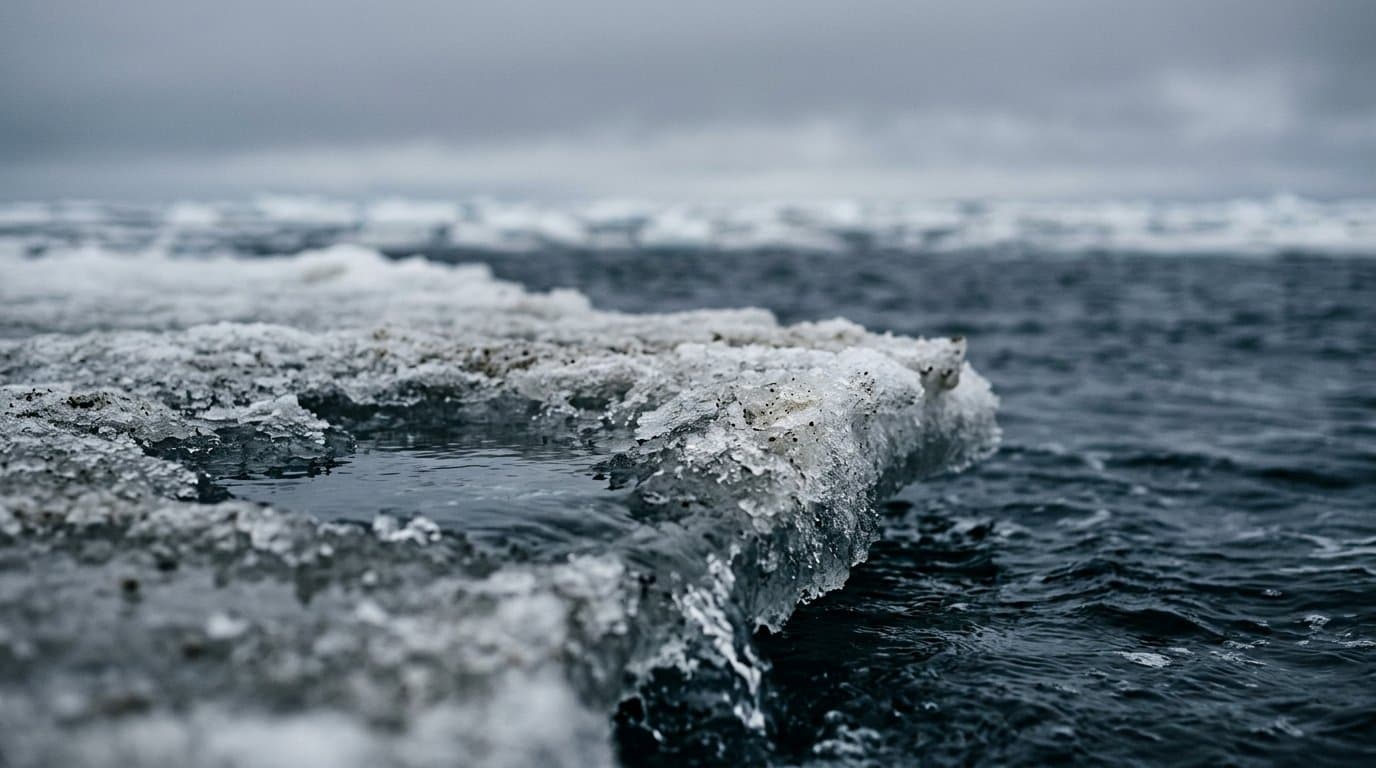
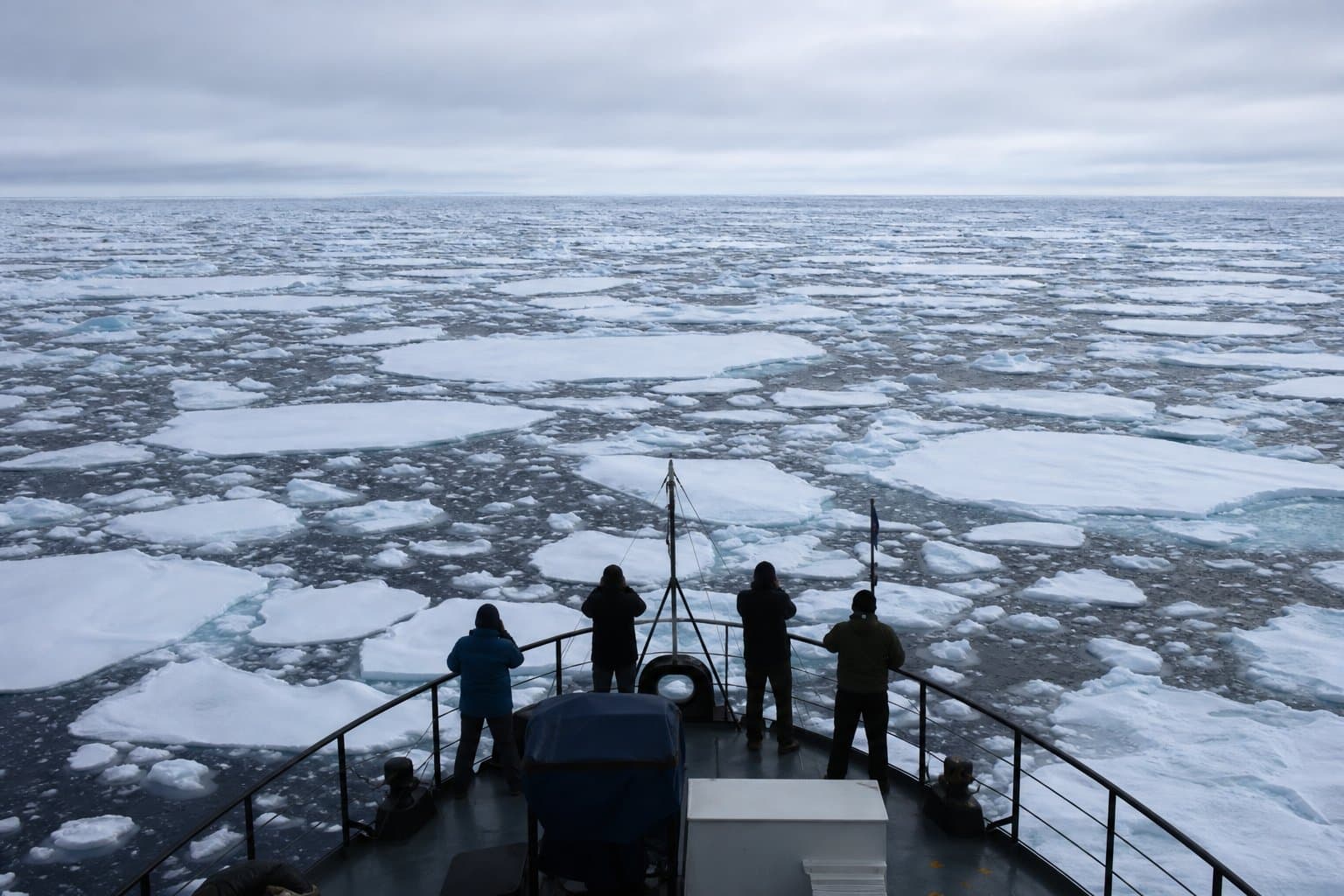
The sea ice told a similar story of a warm year. Arctic-wide ice reached its annual low this month at a level tying 2025 for the 11th-lowest on record, and both the Northern Sea Route and the Northwest Passage were open in late summer.
One footnote on the record itself: NOAA's own Arctic Report Card page still lists last year's edition as the latest. The 2026 review is being carried by the American Geophysical Union, the University of Alaska Fairbanks and others, including a nonprofit that describes itself as the successor to NOAA's Climate.gov.
Made by our human newsroom with AI. Reviewed by Cale Green. How humans and AI work here · Grow with our newsroom
Get Alaska News in your inbox
Create your free account and get the day’s top stories around 6 each morning, in a few minutes’ read.
The day's top stories around 6 each morning. Unsubscribe in one click.
Source: National Snow and Ice Data Center.








Comments
Sign in to leave a comment.
No comments yet. Be the first to share your thoughts.