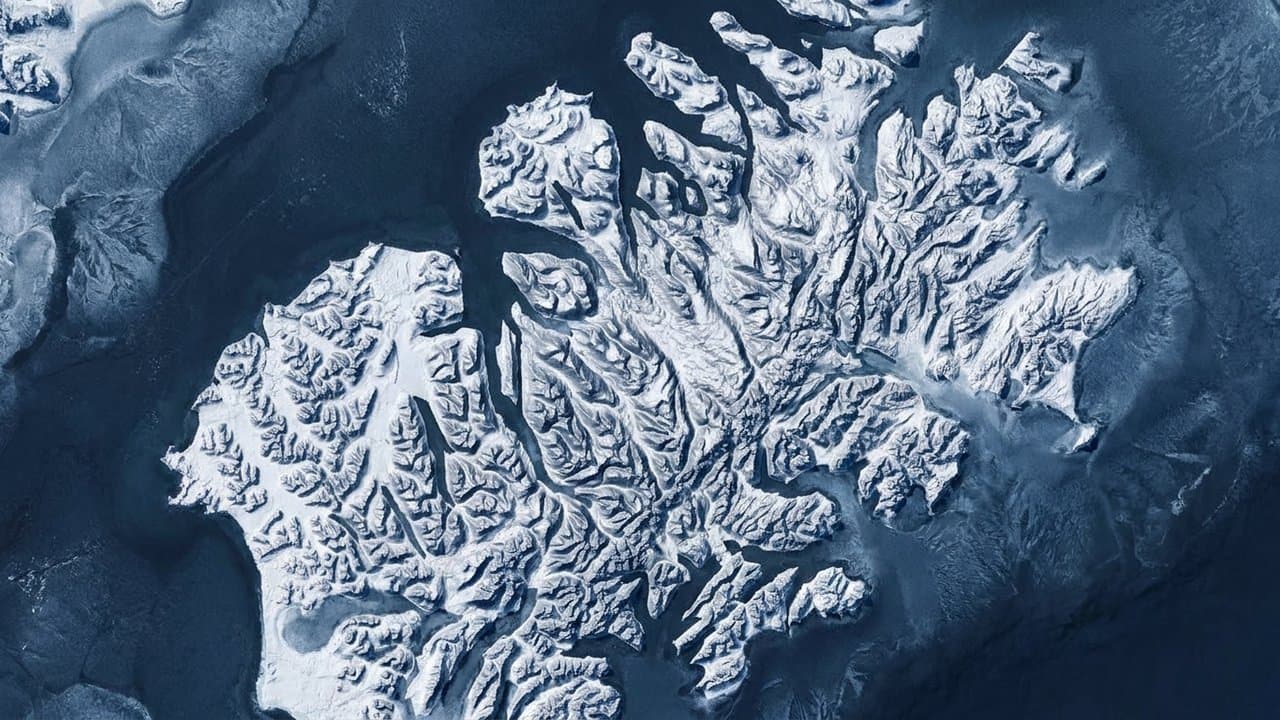
Photo: GOES imagery: CSU/CIRA & NOAA via Wikimedia Commons · Photo source · Public domain
Anchorage's Oasis Earth and two groups sue to force a finding on gray whale petition
Oasis Earth of Anchorage and two other conservation groups sued the National Marine Fisheries Service on Tuesday. They ask a federal judge to force a decision on whether Eastern North Pacific gray whales may warrant Endangered Species Act protection.
The suit seeks a first-step finding, not a listing. The groups want the court to declare the delay illegal and order the Service to publish a 90-day finding, the initial finding the act requires on a listing petition, by a set date. According to the complaint, listing would require federal consultation on offshore oil and gas, seabed mining and fishery actions.
Rick Steiner, founder of Oasis Earth, wrote the petition. The Service received it Aug. 24, 2025. The groups put the 90-day deadline at Nov. 22, 2025. The complaint says a 12-month finding was due Aug. 24, and the delay made that deadline impossible to meet.
The Center for Biological Diversity and the International Marine Mammal Project of Earth Island Institute joined the suit in U.S. District Court for the Northern District of California.
The groups sent notice of intent to sue Aug. 25, and the Service did not respond within 60 days, according to the Center's release.
"As this administration has again failed to follow the law, we must again rely on the courts to force the government to do its job," Steiner said in the release.
The complaint says the Service recorded 192 dead gray whales between Mexico and Alaska this year. Twenty-seven stranded dead in Alaska, 31 in Washington and 13 in the San Francisco Bay Area. The groups call the count low because most dead whales sink or go unreported. The complaint names starvation as the main cause, saying sea ice declines in the whales' Arctic feeding grounds have depleted the seafloor food web they rely on. At least 14 whales died from trauma consistent with ship strikes, and at least three were reported entangled off California.
The complaint says the population fell from about 26,960 in 2015/2016 to 11,700 to 14,200 in 2024/2025, a decline of about 50 percent.
NOAA's abundance page, updated Oct. 23, confirms that low. It also reports an apparent increase to 15,930 to 20,530 whales in 2025/2026, a figure the complaint does not mention. NOAA says the increases exceed expected growth for baleen whales during low calf production, so factors other than births and deaths are affecting the estimates. The agency estimated 85 calves in 2025, the lowest of its time series, according to its calf production page.
"This catastrophic decline may result in the loss of the entire population in as soon as 10 years, if current conditions continue," said Mark J. Palmer, associate director of the International Marine Mammal Project.
The eastern population was listed in 1970 and delisted in 1994. Today only the Western North Pacific population is listed under the Endangered Species Act, though all gray whales are protected under the Marine Mammal Protection Act, according to NOAA.
A West Coast die-off from December 2018 to November 2023 produced 690 strandings, NOAA records show. At a June 4 North Pacific Fishery Management Council meeting, an agency briefing said elevated strandings continued into 2026 and no new unusual mortality event, the federal label for an unexpected, significant die-off, had been declared.
What did you make of this story? (no account needed)
Made by our human newsroom with AI. How humans and AI work here · Grow with our newsroom ·
Keep Alaska News free for everyone.
No paywall, ever. Members pay so everyone can read the meetings and records Alaska News covers.
Get Alaska News in your inbox
Create your free account and get the day’s top stories around 6 each morning, in a few minutes’ read.
Top stories, around 6 each morning.
Stories on what you follow, on Sundays.
Source: Center for Biological Diversity, Alaska releases, Anchorage-based Oasis Earth and two groups sue NMFS for missing its deadline on a petition to list Eastern North Pacific gray whales.








Comments
Sign in to leave a comment.
No comments yet. Be the first to share your thoughts.