
Photo by Angelica Reyn on Pexels · Photo source
Anchorage rejects both proposals for a shelter it could switch on in the cold
The Municipality of Anchorage on Nov. 6 rejected both proposals to run a night-only homeless shelter it could switch on when winter nights turned dangerous or its existing beds filled. The city canceled the request nearly three months after proposals were due.
A one-page purchasing memo says rejecting both was "in the best interest of the municipality." It gives no other reason, doesn't name the proposers and says the request "may be re-scoped and reissued at a later date."
The cancellation doesn't close any existing shelter or bed. It ends, for now, the city's attempt to create a separate layer of night-only shelter that could be activated as demand rose.
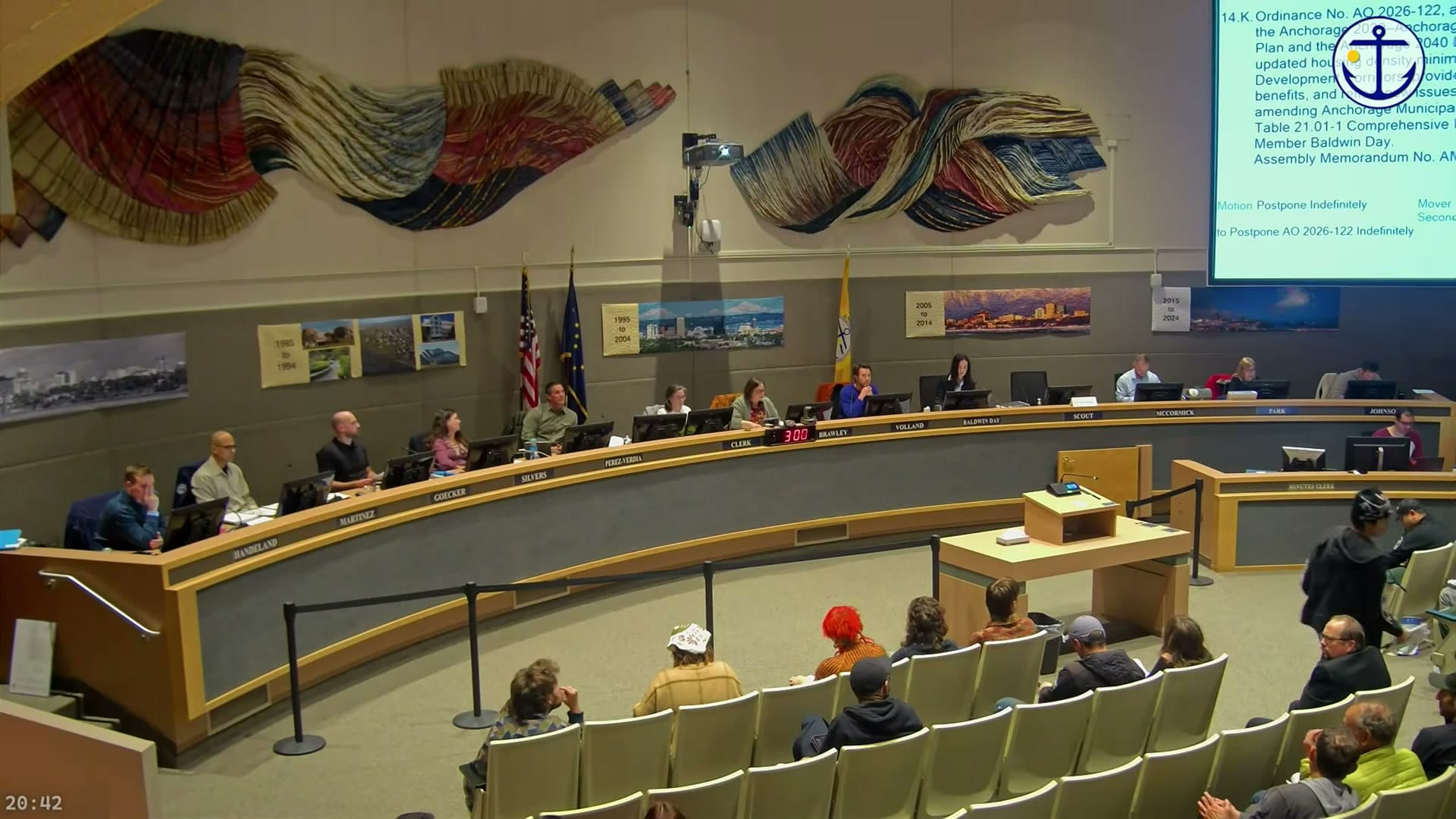
The Assembly is scheduled to vote Tuesday on Mayor Suzanne LaFrance's proposed 2027 budget. As proposed, it adds about $1.4 million to the Health Department for what budget documents call "Assembly approved shelter surge and night-only shelter." The documents don't say how much of that is for night-only shelter.
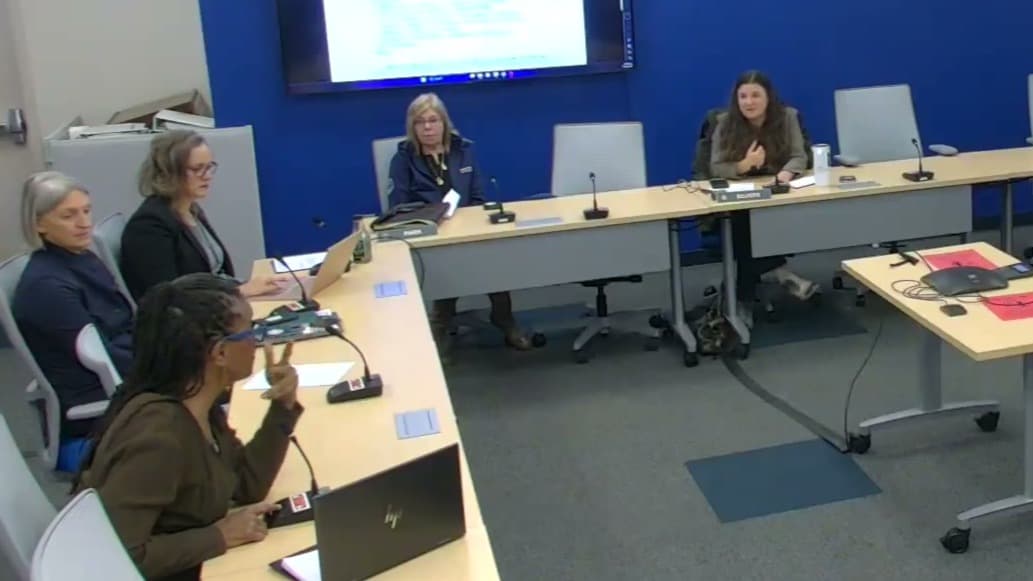
"We have put funding in the 2027 proposed budget for additional beds in the colder months but we're still working on that right now," Health Department Director Kimberly Rash told an Assembly committee Oct. 21. The city has moved away from warming sites, where Rash said fire code requires people to stay awake all night.
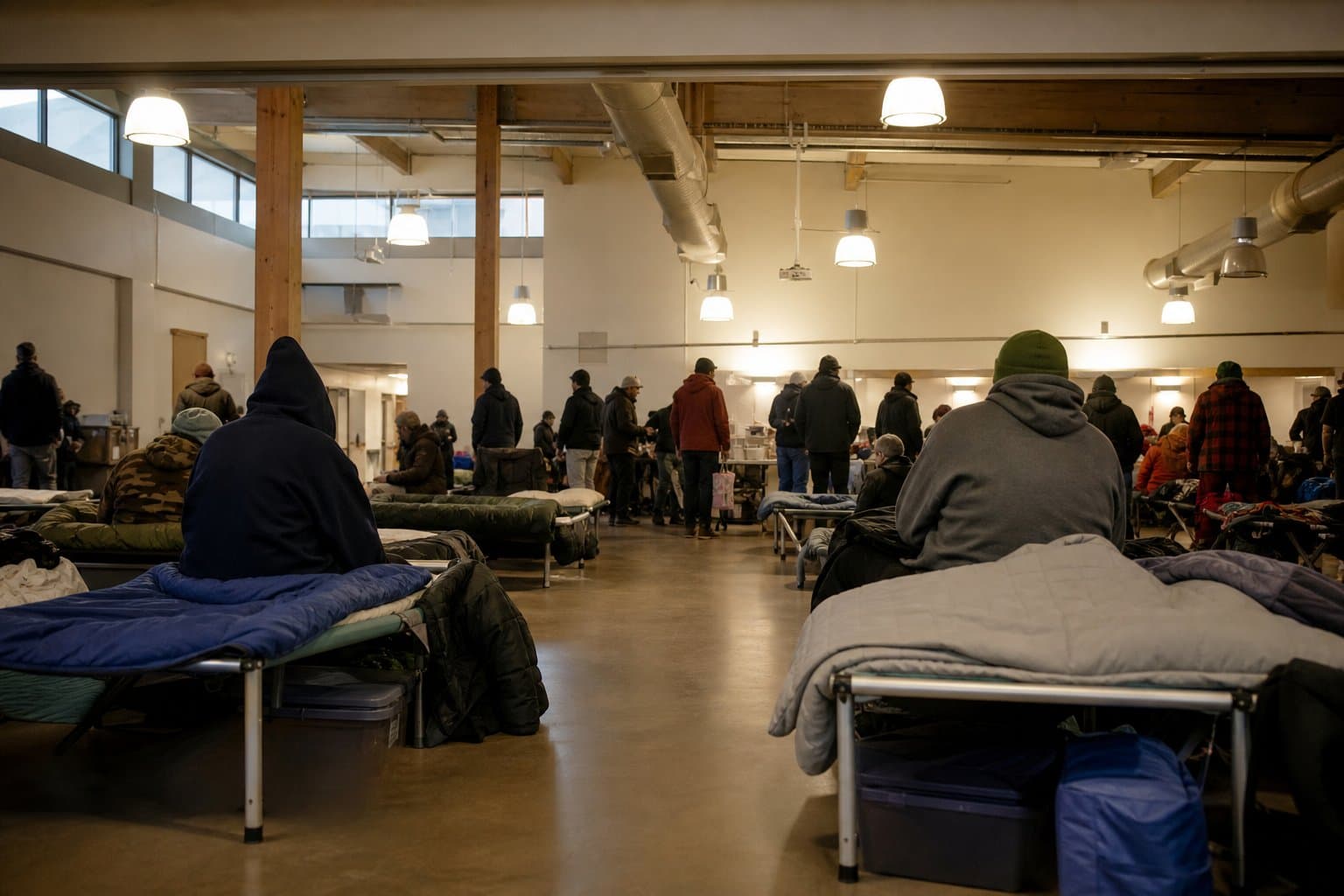
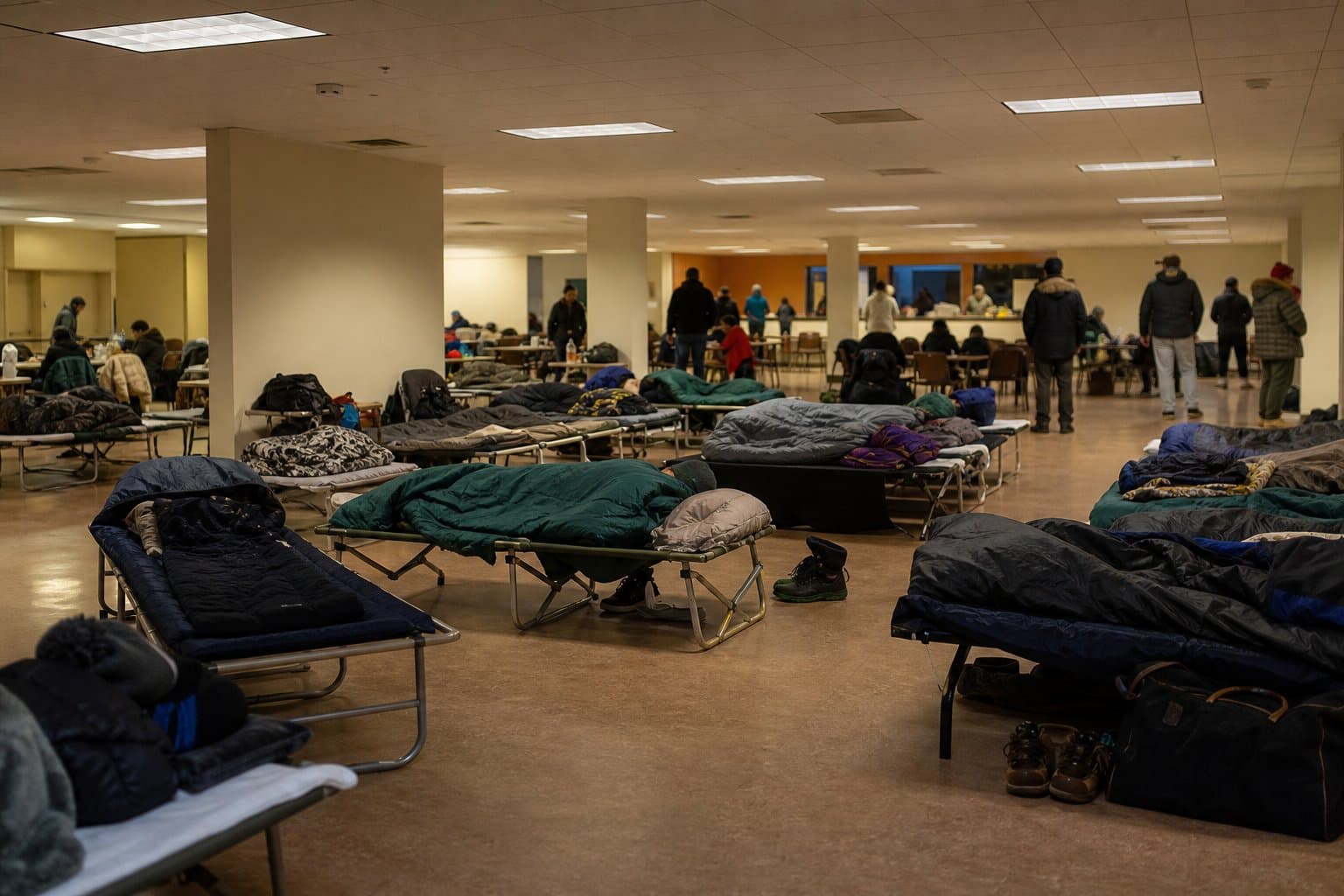
The city's three year-round shelters, East 56th Avenue, Linda's Place and the Alex Hotel, have 300 year-round beds. The Health Department is adding winter beds at East 56th Avenue to bring the system to 450 by Nov. 30, Rash said.
Nearly one in four Alaskans hospitalized for frostbite, hypothermia and other cold injuries from 2012 through 2021 had no permanent housing at the time, a state analysis found.
The request for proposals, posted July 9 for the Health Department, called for shelter the health director could activate with at least 14 days' notice. The city called it "an on-demand service." The operator would bill for each occupied cot for each 12-hour period.
The request didn't say how many beds the city wanted or how much it would spend; each bidder was to propose its own site, number of cots and per-cot price. The first contract would have run through Dec. 31, with two possible one-year renewals.
The operator would have supplied the building, cots and blankets, staff and security, a snack and water for each client, naloxone kits for every worker and, as a last resort when the shelter was full, a taxi voucher to get someone to another shelter.
The shelter was to accommodate adults with complex needs, including mental health conditions, substance use, and physical health and mobility problems. Hospital discharges and drop-offs by police and emergency responders would have come first, and walk-ins would have been admitted when there was room. The city told prospective bidders they didn't have to hold cots open for those referrals and it wouldn't pay for empty ones.
Minimum staffing was one site monitor and one security or roving safety worker for every 50 clients. One prospective bidder wrote that it didn't consider that ratio safe and recommended two staff members per 50; the city said it would review proposals with more staff than the minimum.
Bidders also had to tell the community council where the shelter would be about their plans. A winning bidder would have had 60 days to sign a good-neighbor agreement with that council or lose the contract.
The city now uses the Alex Hotel for medically vulnerable people discharged from hospitals, its shelter oversight contractor told the Assembly committee in October. It also plans to pilot a tool for hospitals to refer patients to city shelters.
Last December, a cold snap ran past what the shelter system could hold, and the Assembly met in emergency session to expand one shelter to 200 beds.
In October, the Assembly voted 12-0 to rewrite the city's emergency shelter code. The rewrite dropped the automatic 45-degree trigger for opening emergency cold weather shelter, leaving the call to the health director, and it lets a single site hold 200 people without an Assembly vote.
What did you make of this story? (no account needed)
Made by our human newsroom with AI. Reviewed by Cale Green. How humans and AI work here · Grow with our newsroom ·
Get Alaska News in your inbox
Create your free account and get the day’s top stories around 6 each morning, in a few minutes’ read.
Top stories, around 6 each morning.
Stories on what you follow, on Sundays.
Source: Anchorage asked for a shelter it could switch on in the cold. It rejected both proposals..









Comments
Sign in to leave a comment.
No comments yet. Be the first to share your thoughts.