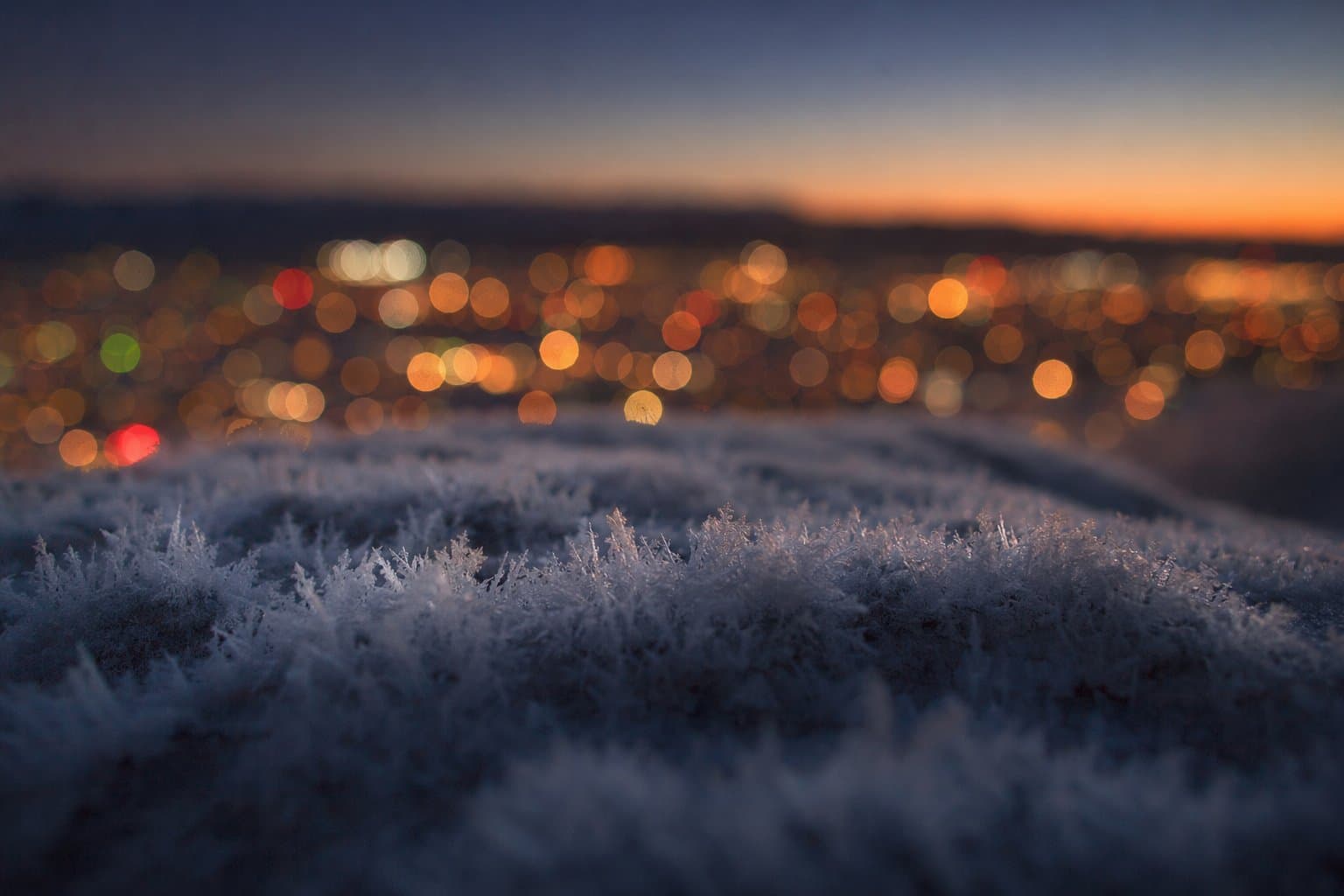
Photo by Cale Green
Cold-injury hospitalizations rose among Alaska's unhoused over the past decade, state finds
Of the 566 Alaskans hospitalized for frostbite, hypothermia, and other cold-exposure injuries between 2012 and 2021, nearly one in four had no permanent housing at the time. The rate among people living outside, in vehicles, or in shelters climbed steadily over the decade while the rate for housed Alaskans held flat.
That finding came from a bulletin published Oct. 14, 2024 by the Alaska Section of Epidemiology, drawing on the state's trauma registry. Unhoused Alaskans were hospitalized for cold injuries at 8.3 times the odds of housed residents, and their share of admissions rose through a period that ended with the unusually cold and snowy winters of 2020 and 2021.
Overnight temperatures across much of Alaska routinely fall well below zero, and prolonged exposure raises the risk of frostbite and hypothermia. The bulletin notes that the gap in hospitalization rates between housed and unhoused residents widened over the study period.
The bulletin's authors — Riley Fitting of the Alaska Section of Chronic Disease Prevention and Health Promotion and Julie Morris of the Alaska Native Tribal Health Consortium — identify a set of state-level responses worth considering: more shelter beds, public warming centers, street outreach teams distributing warm clothing and sleeping bags, mobile health clinics, and longer-term housing.
State and local governments already direct substantial resources to those needs. The Alaska Housing Finance Corporation budgeted roughly $62.6 million for housing programs in FY2025, including grants to community shelters and homelessness assistance in 16 communities statewide. Anchorage's 2026 proposed budget allocates nearly $27 million across departments to homelessness response, including about $10.4 million for shelters, outreach, and mental health contracts and $4.6 million for non-congregate housing. Providers in Anchorage have said current shelter capacity still falls short of demand, and the municipality has estimated roughly $2.5 million more would be needed to close that gap.
The analysis likely understates the problem. Housing status was taken from medical records, and some patients may not have disclosed they were homeless. The trauma registry has also improved its case detection over time, which may explain part of the increase alongside the colder winters.
Source: Cold Exposure Injuries among People without Housing - Alaska, 2012–2021.
Made by our human newsroom with AI. How humans and AI work here · Grow with our newsroom
Stay informed. Support what matters.
Free, permanent access to local news you can verify. Subscribe to support Walter AlaskaNews and go ad-free.
Related Coverage
Anchorage weighs who decides when cold-weather shelter opens
Alaska News · 1mo ago
Anchorage sees 28% drop in unsheltered homelessness as shelters reach capacity
Alaska News · 4mo ago
Federal grant will test a Yup'ik healing framework against homelessness
Alaska News · 1mo ago
Anchorage ordinance would drop 45-degree shelter trigger, raise site cap to 200
Alaska News · 1mo ago
Anchorage homeless residents tell Assembly: shelters worse than jail
Alaska News · 3mo ago
Comments
Sign in to leave a comment.
No comments yet. Be the first to share your thoughts.