
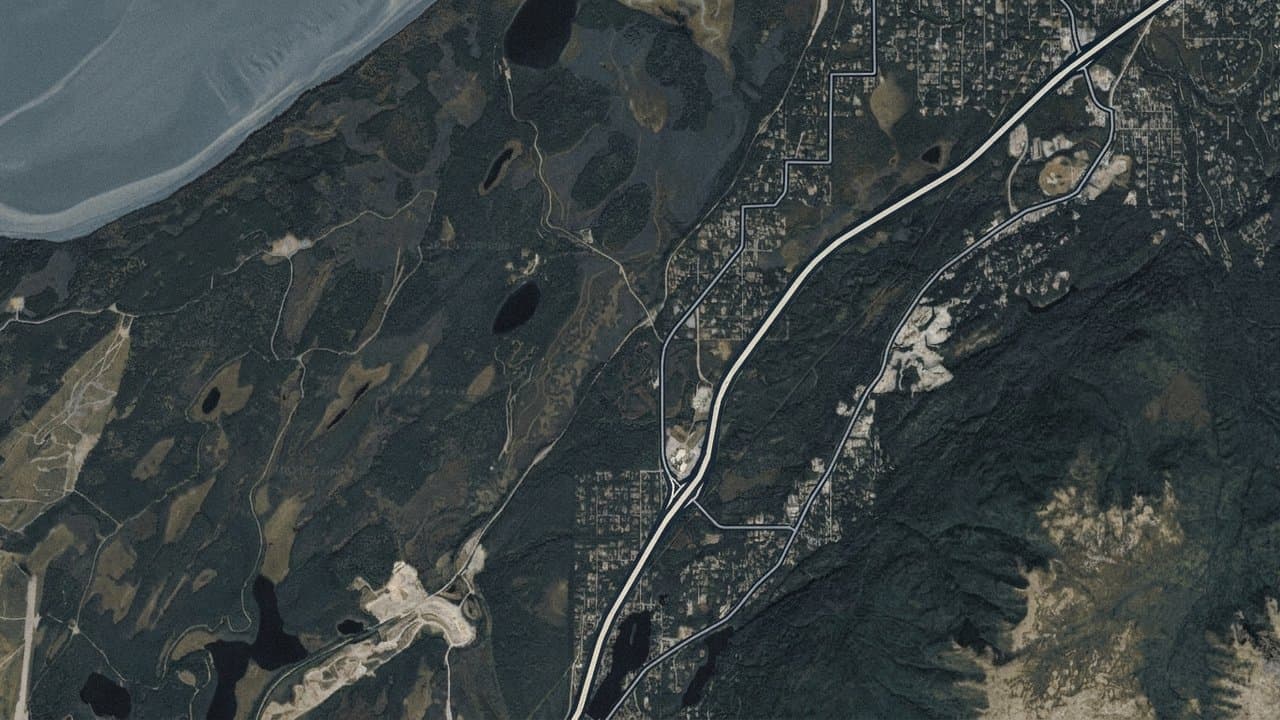
Editorial map (Gemini + Google Maps)
Anchorage Assembly and Native Village of Eklutna meet Dec. 3 on Eklutna River restoration
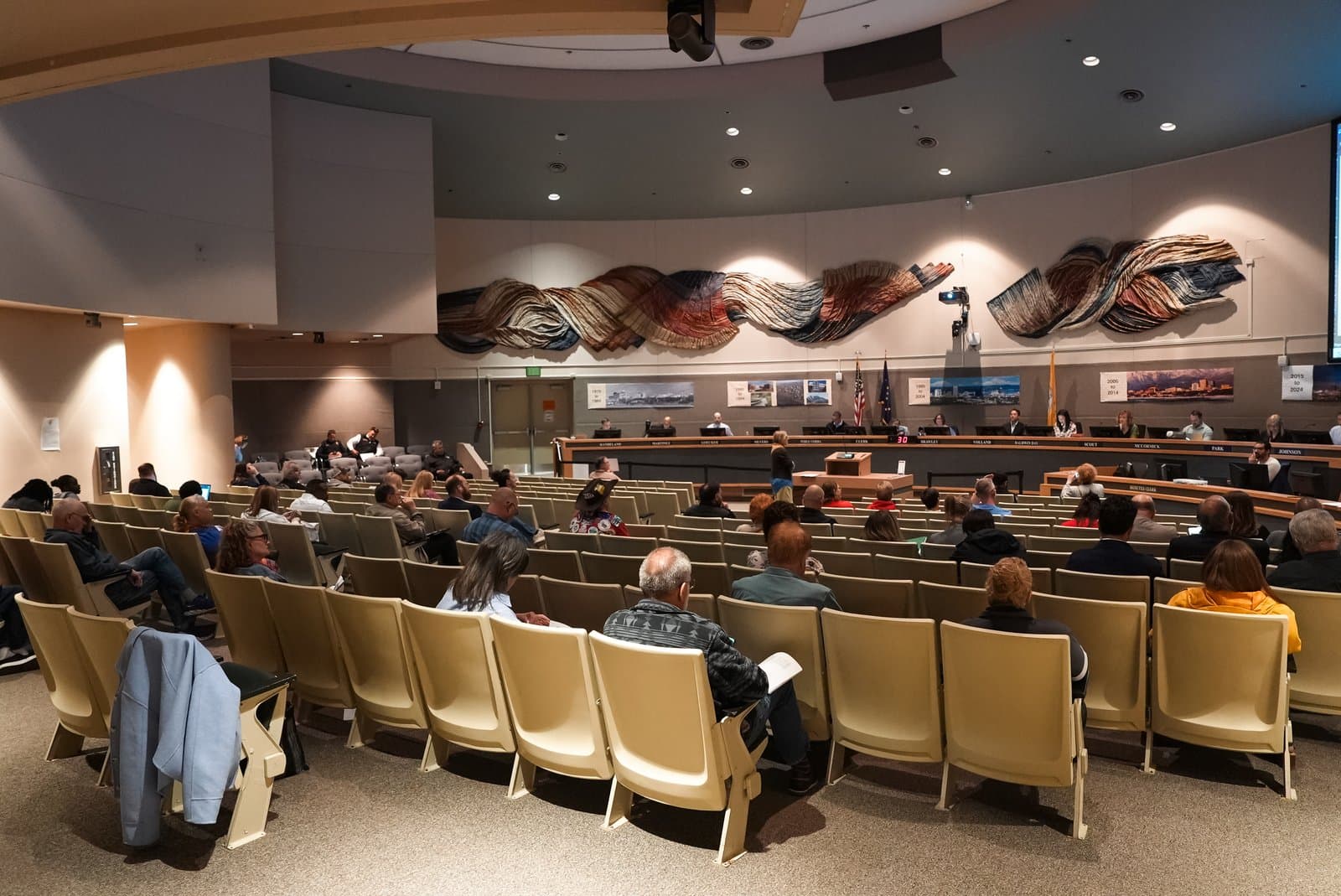
The Anchorage Assembly and the Native Village of Eklutna's tribal council will meet Thursday to discuss restoring the Eklutna River, which a hydroelectric project has left largely dry.
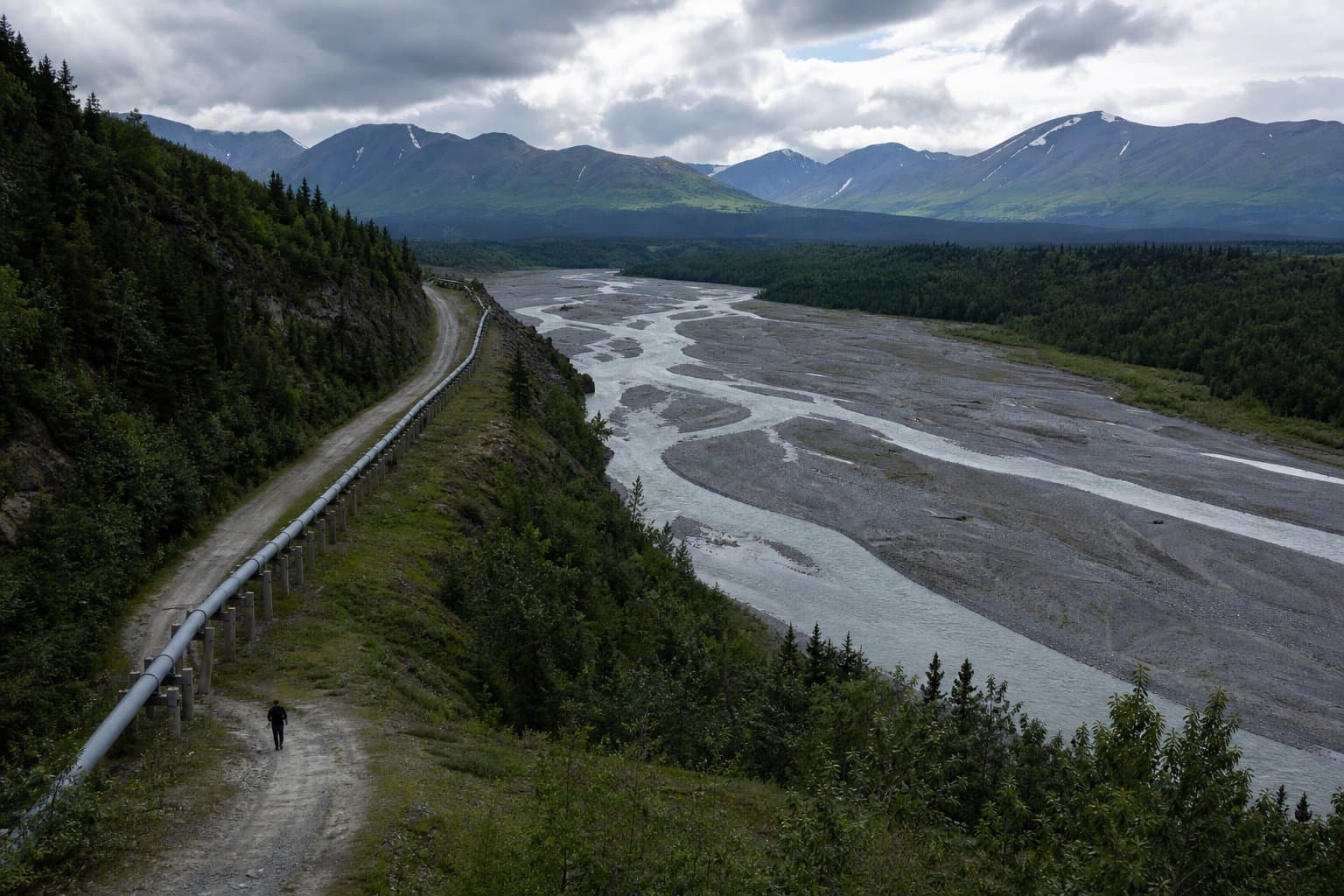
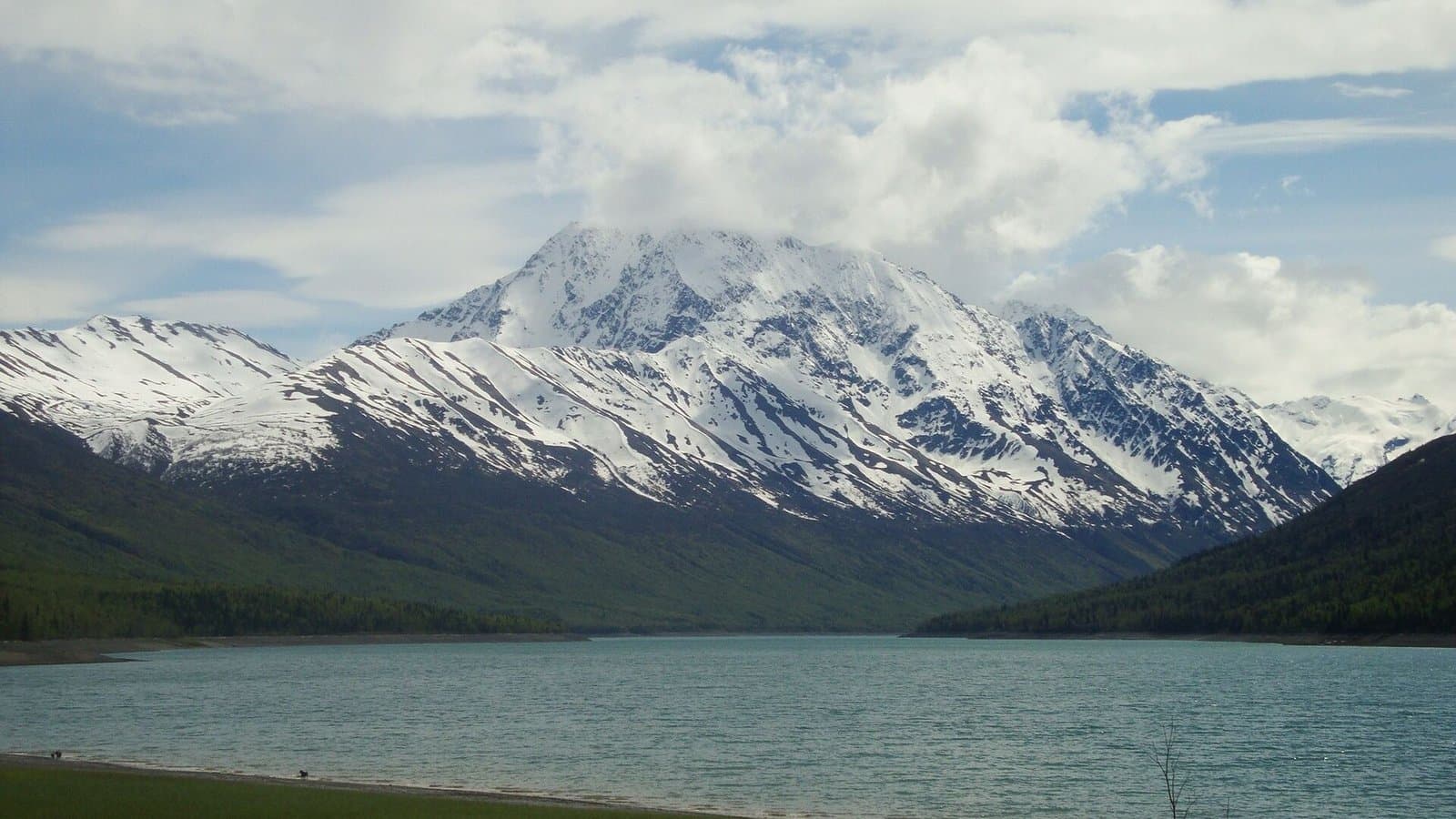
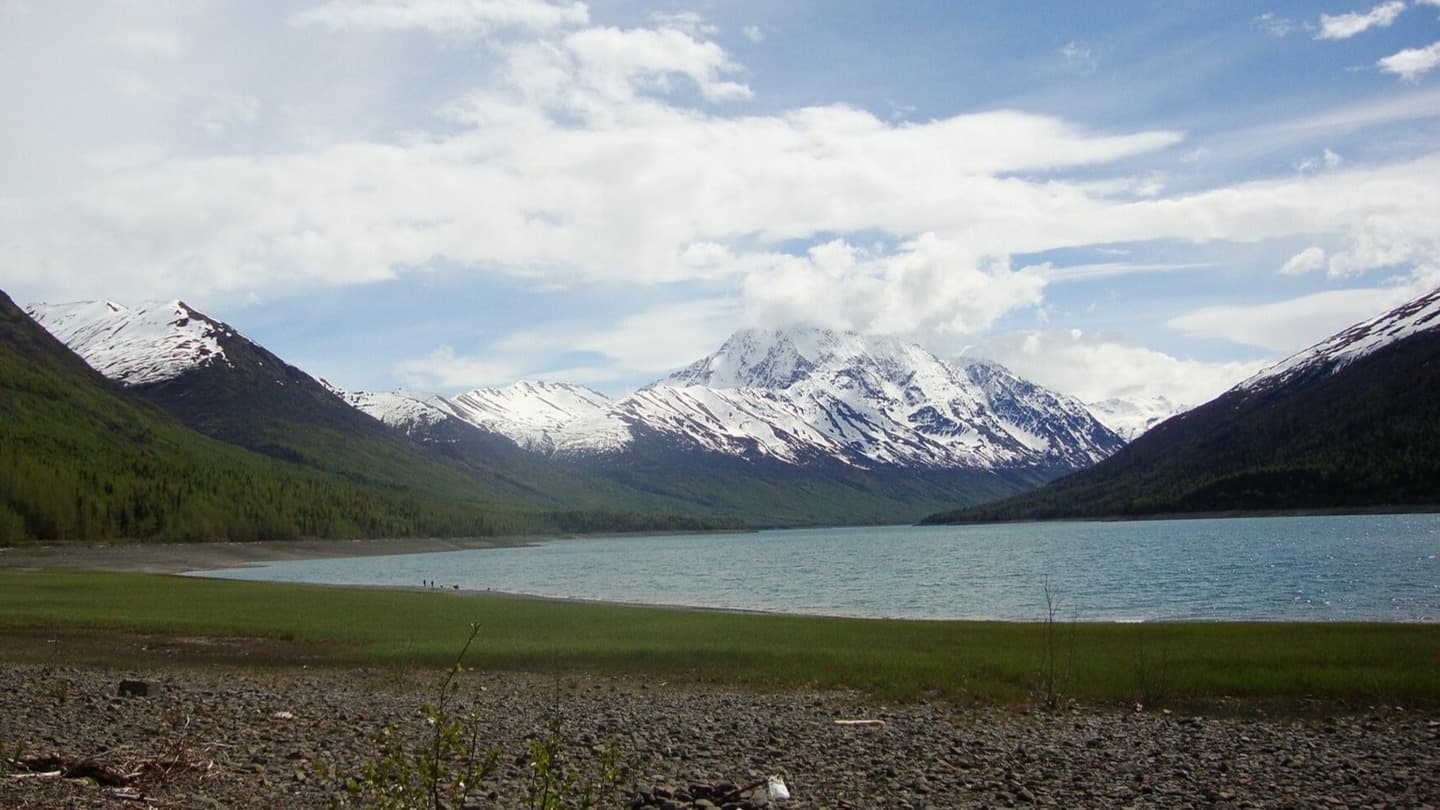
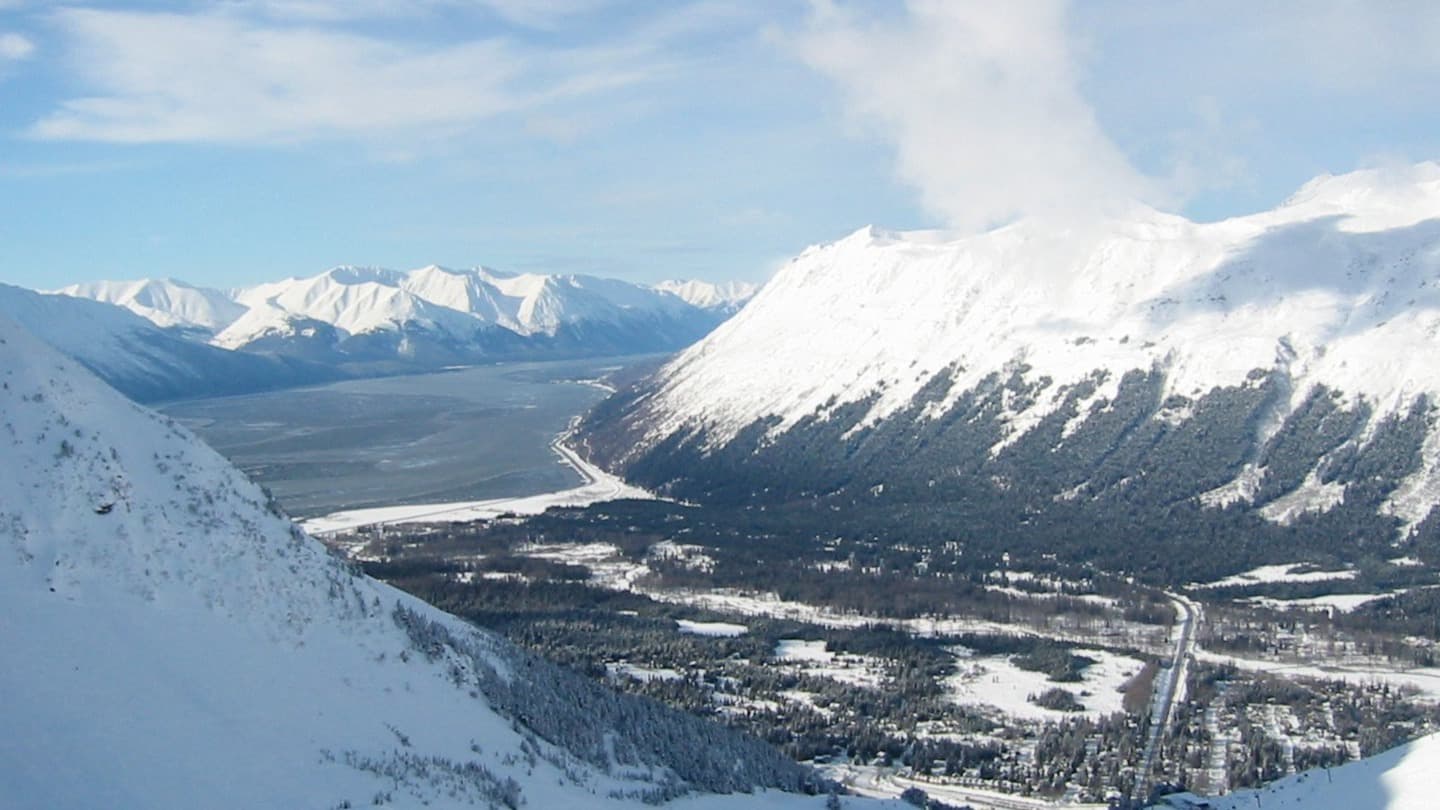
Eklutna Lake supplies approximately 90% of Anchorage's public water, according to a city ordinance. None of the lake's water flows into the river. About 90% runs the hydro plant and 10% goes to city drinking water and wastewater, the Assembly's page on the river says. The river once held all five species of salmon, the page says, and they hang on, in drastically diminished numbers, in its last few miles, where Thunderbird Creek adds water.
The two governments set up a formal government-to-government relationship in 2021, and both name river restoration as a top priority. The meeting agenda for the Dec. 3 session, 4 to 6 pm at City Hall, 632 W. Sixth Ave., lists the river and an update from the city's Anchorage Hydropower Utility among items of mutual interest. It includes audience participation.
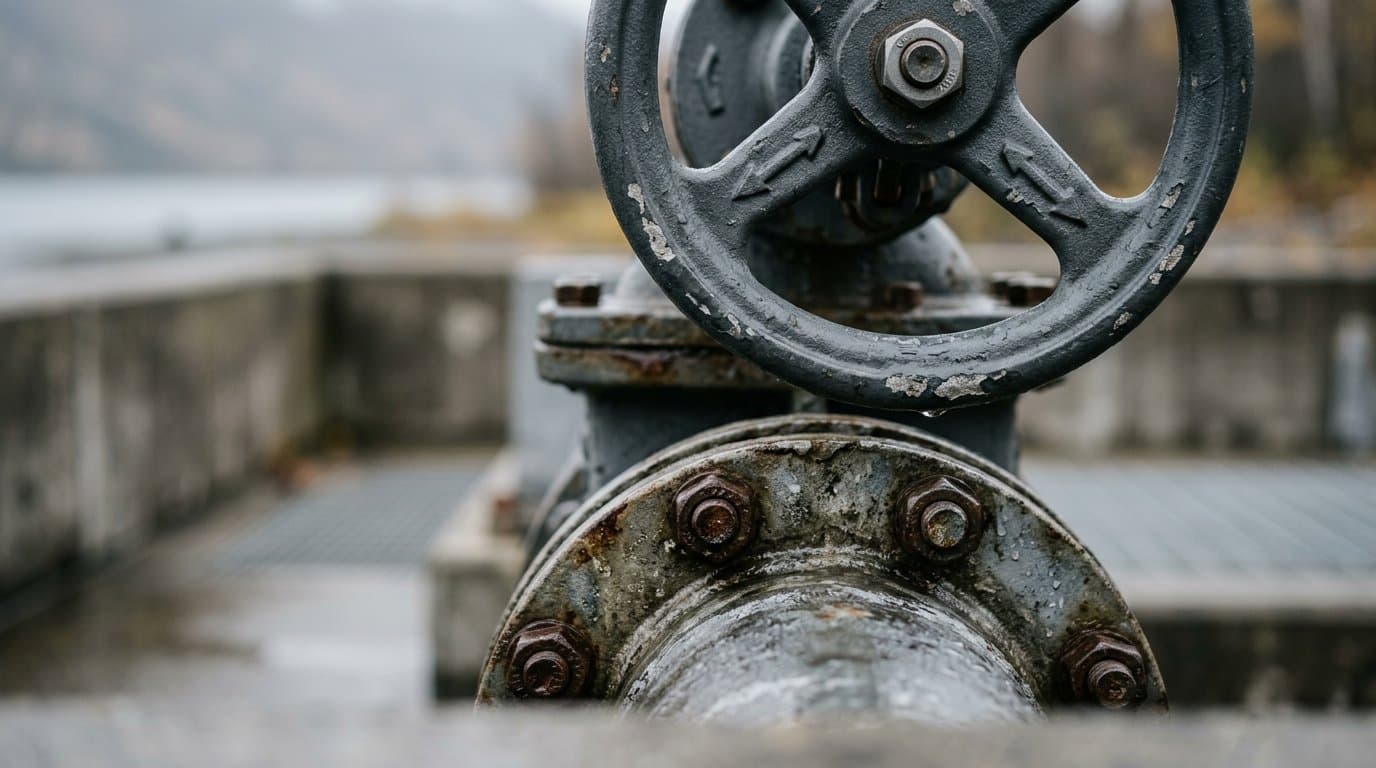
The river's current plan is Gov. Mike Dunleavy's October 2024 Fish and Wildlife Program, required by a 1991 agreement signed when Chugach Electric, Matanuska Electric and the city bought the project. It calls for a new release valve beside the city water utility's portal valve. The governor's office said the valve will restore year-round flow to 11 of the river's 12 miles.
That program adopted the owners' plan. A 2024 joint resolution of the Assembly and the tribe said the plan would leave a mile of river completely dry below the dam. The tribe wants continuous flow across all 12 miles and fish passage into and out of the lake. Chugach and Matanuska Electric have backed releasing water into the river and weighing fish passage later.
In October, the Assembly approved agreements that would give the city's water utility the option to obtain priority water rights at the lake in 2055. Municipal Attorney Eva Gardner said the tribe was not consulted on that round.
Those agreements would not take effect if the governor picks pumped storage hydropower instead. That option banks energy by pumping water uphill and running it back through turbines later. The Assembly and the tribe backed studying it in 2024 as a possible way to restore flow to all 12 miles. The finished study goes to the project's monitoring committee, which includes the tribe, in early 2027. Gardner said the governor's decision on pumped storage is expected around October 2027.
What did you make of this story? (no account needed)
Made by our human newsroom with AI. How humans and AI work here · Grow with our newsroom ·
Keep Alaska News free for everyone.
No paywall, ever. Members pay so everyone can read the meetings and records Alaska News covers.
Get Alaska News in your inbox
Create your free account and get the day’s top stories around 6 each morning, in a few minutes’ read.
Top stories, around 6 each morning.
Stories on what you follow, on Sundays.
Source: Anchorage Assembly.





Comments
Sign in to leave a comment.
No comments yet. Be the first to share your thoughts.