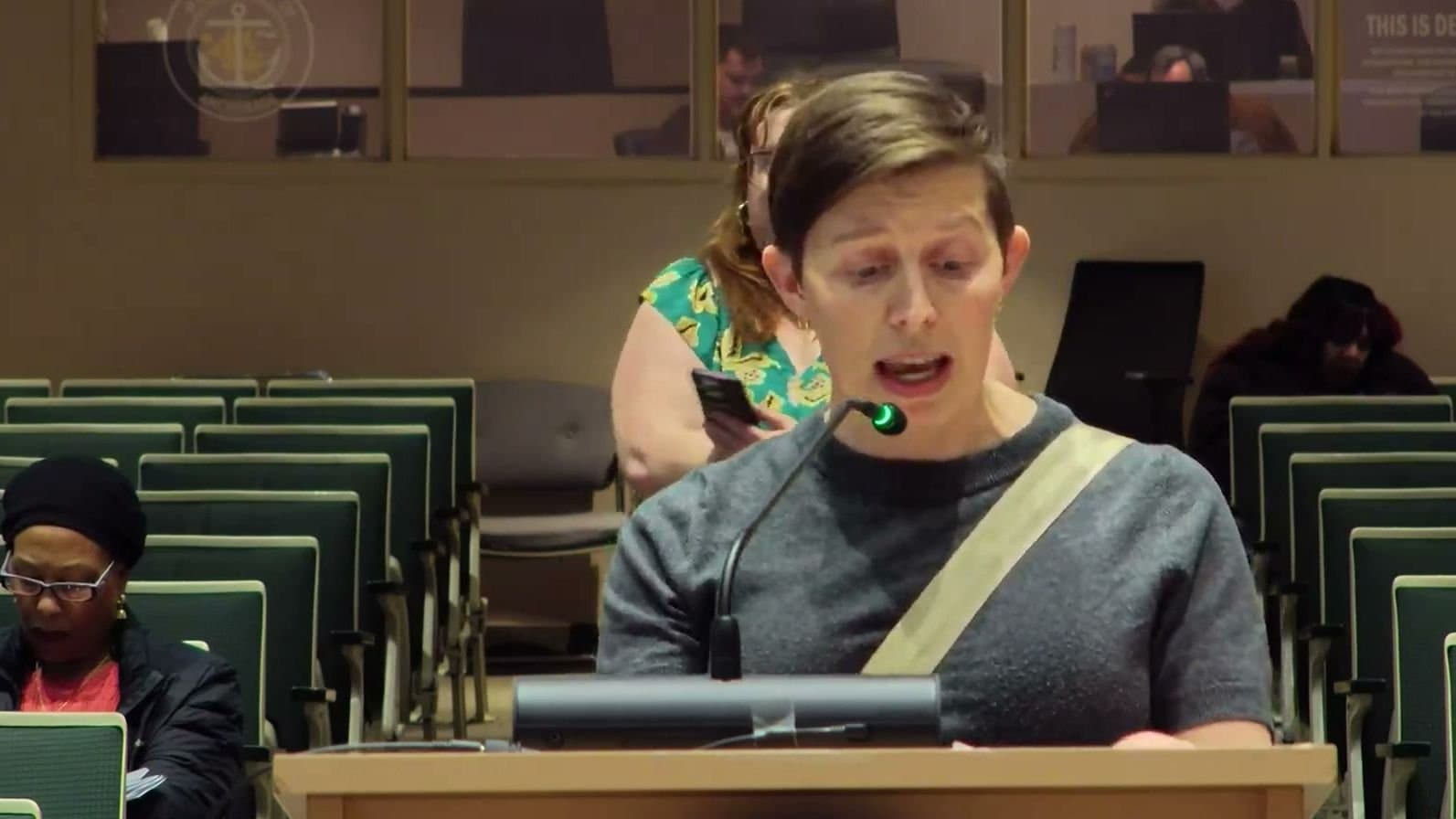
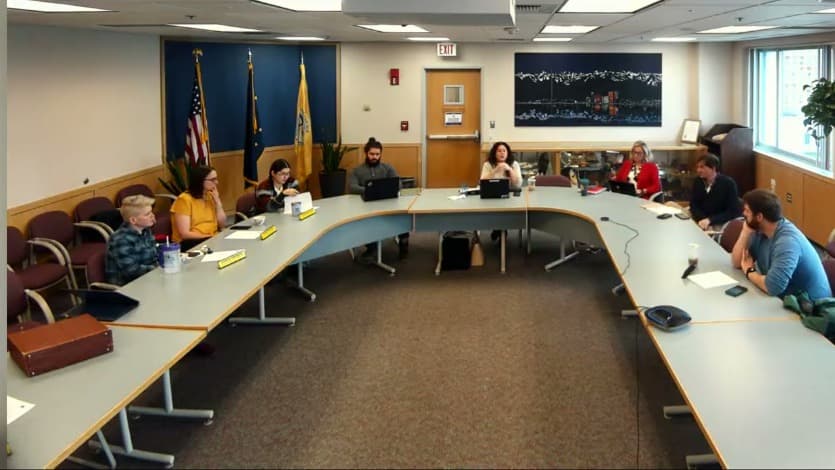
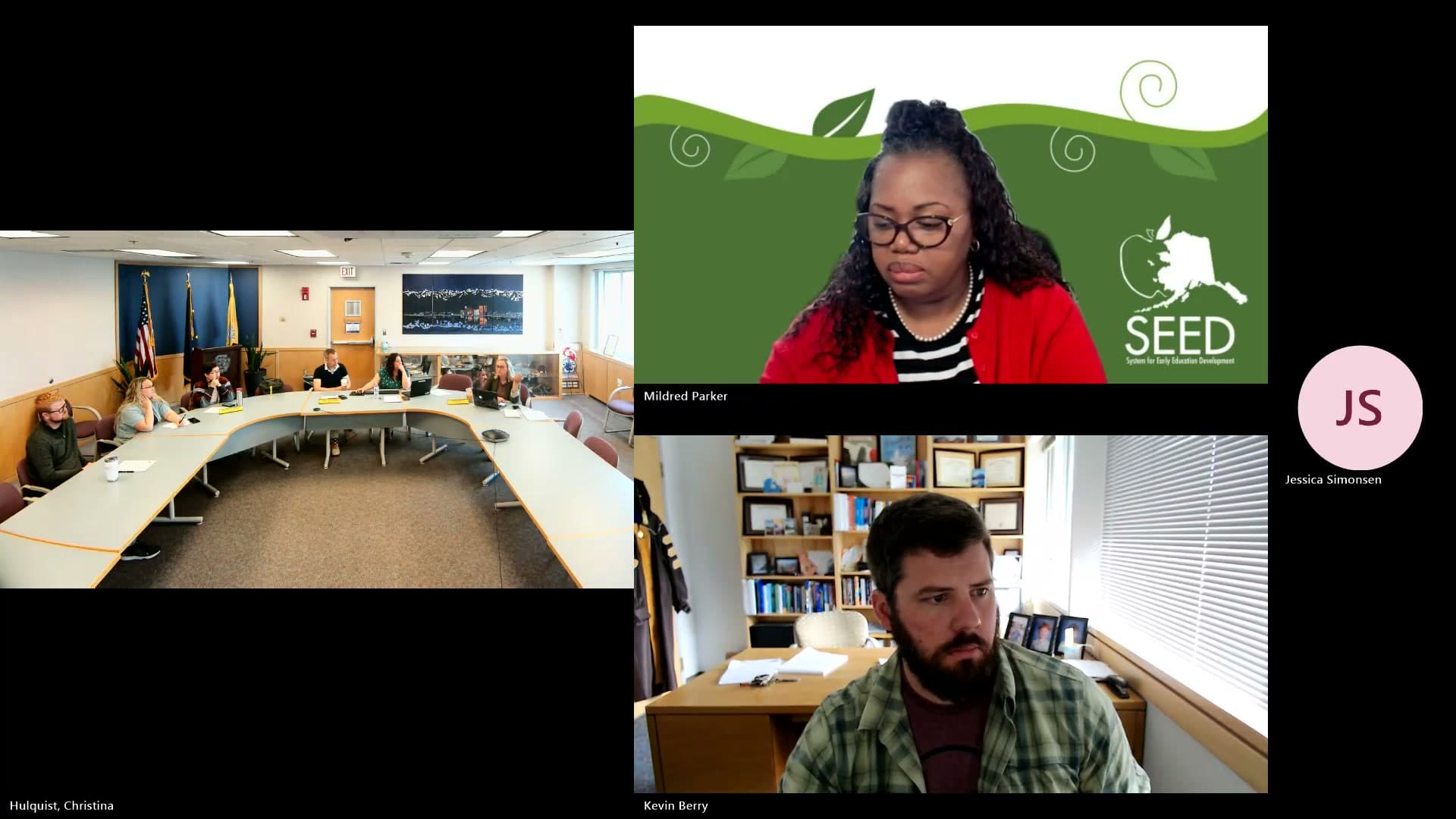
Frame from "Anchorage Assembly: AssemblyRegular: Live" · Photo source
Alcohol tax advocates ask Anchorage to put more into prevention and treatment
Leaders of two groups that helped pass Anchorage's alcohol tax asked the Assembly on Wednesday to steer more of it toward prevention and treatment, saying that's what voters were promised in 2020.
"In 2025, zero. In 2026, zero. In the proposed 2027 budget, zero," said Tiffany Hall, president and CEO of Recover Alaska, describing the tax money spent on substance misuse prevention, treatment and mental health. The city's budget appendix lists nothing under its mental health and substance misuse category for those three years. The homelessness money is budgeted under a heading that also names mental health.
Since the tax began, those uses have gotten about 2 cents of every dollar, Hall said. "In 2021, I testified before this body that no alcohol tax funding had gone to prevention and treatment of alcohol use disorder," she said. "And now, 5 years later, I am here to say it again."
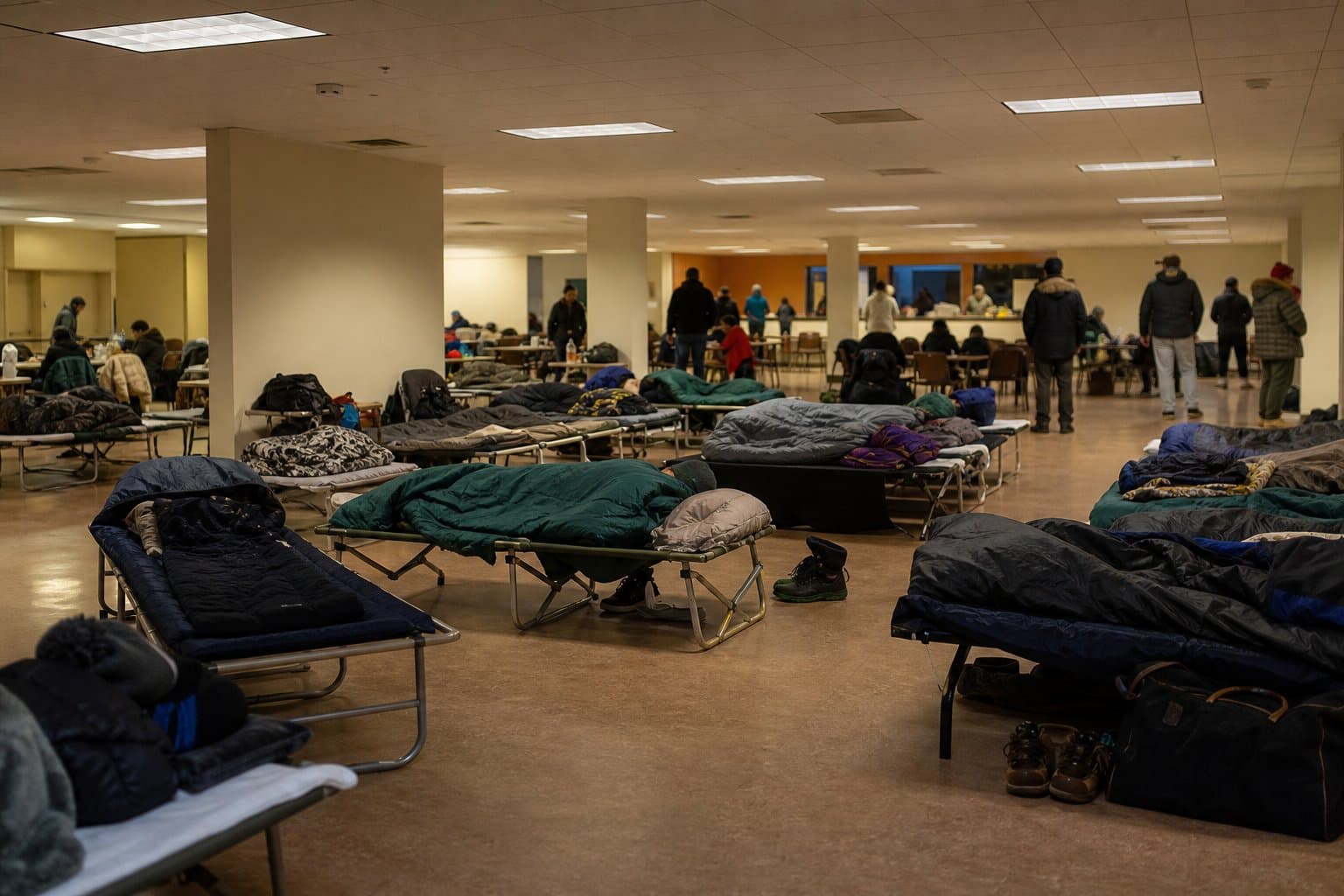
Most of the money now goes to homelessness. The 2027 proposal puts about $9.6 million of the tax's $13.8 million toward it, including $4.6 million for non-congregate winter shelter. The voter-approved rules for the tax allow that. They list homelessness in the same category as substance misuse treatment, prevention and mental health programs.
Both advocates said they support sheltering people in crisis. "But a shelter bed is where crisis lands," Hall said. "Not where it starts."
Hall said Recover Alaska helped lead the 2020 campaign, after a tax focused on homelessness failed in 2019. Polling found the strongest reasons to vote yes were protecting kids and families from abuse and violence and helping people get into treatment, she said. The new version passed with 51.2% of the vote.
Teresa Wrobel, director for policy and advocacy at the Alaska Children's Trust, said the 2027 proposal puts 12.9% of the tax toward prevention. In the budget, that's the share for child abuse, sexual assault and domestic violence, where grants to providers drop from $1.5 million to $1 million.
Wrobel said the city moved the school district's pre-K program and an early literacy program off the alcohol tax and onto the voter-created child care fund, paid for by the marijuana tax, to free up money for homelessness. A surplus covered the shift at first, she said, but it's gone. The Children's Trust's president, Trevor Storrs, chairs that fund's board, which asked the mayor in September to move both programs back to the alcohol tax or another source.
"Like building a tunnel, we need to dig from both directions," Wrobel said.
Recover Alaska asked for $2 million in competitive grants for prevention and treatment. Both groups asked the Assembly to return pre-K and early literacy to the alcohol tax and to shift the fund toward prevention.
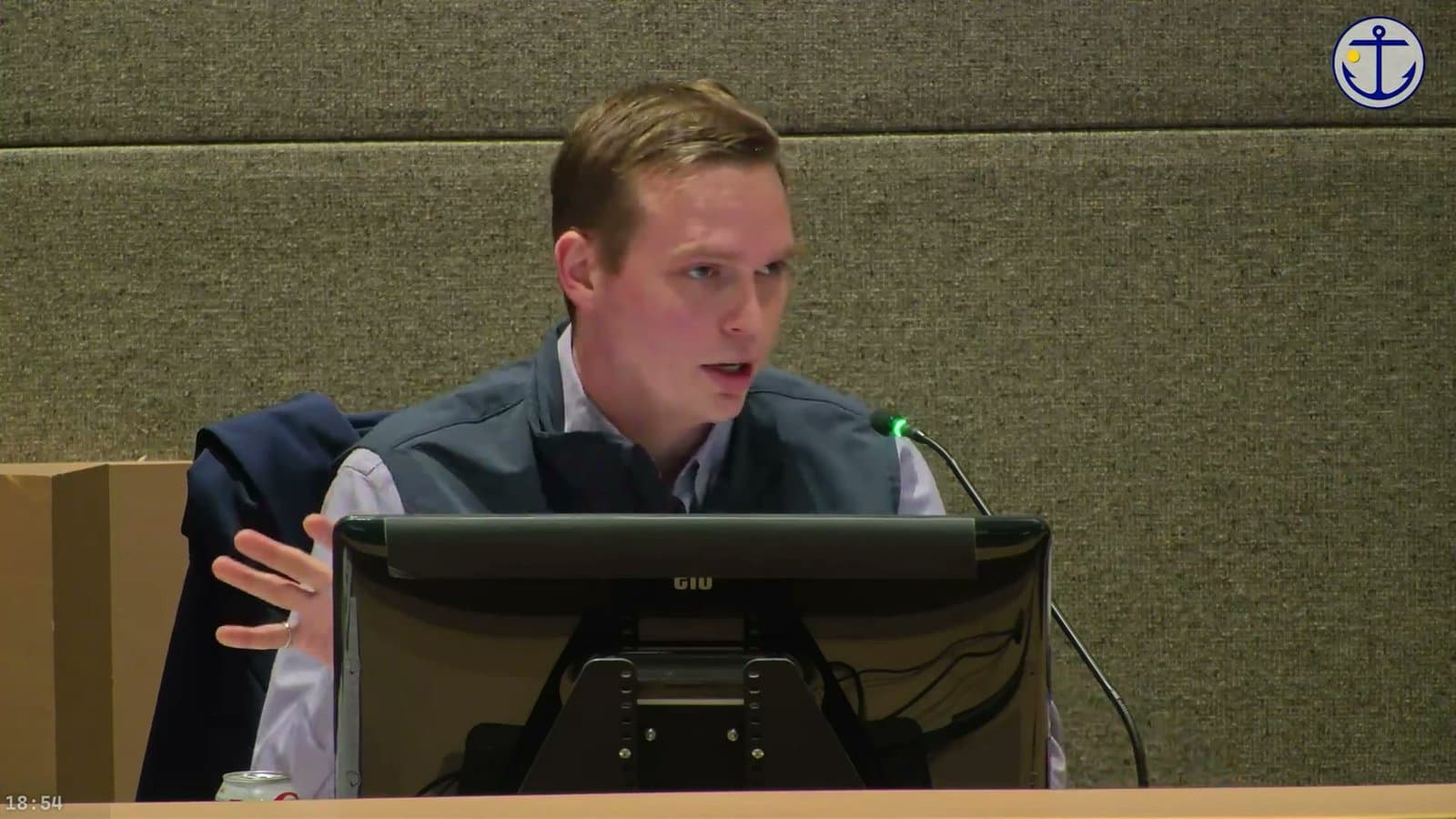
The tax brings in less than it used to. Revenue fell from $21 million in 2022 to a projected $14.2 million this year, the city's finance director told the Assembly in June. Mayor Suzanne LaFrance said Wednesday her budget closes a $15 million gap for 2027 "through a combination of one-time funding, targeted adjustments, and by cutting positions," and the budget office has warned of a 2028 gap of $15 million to $30 million.
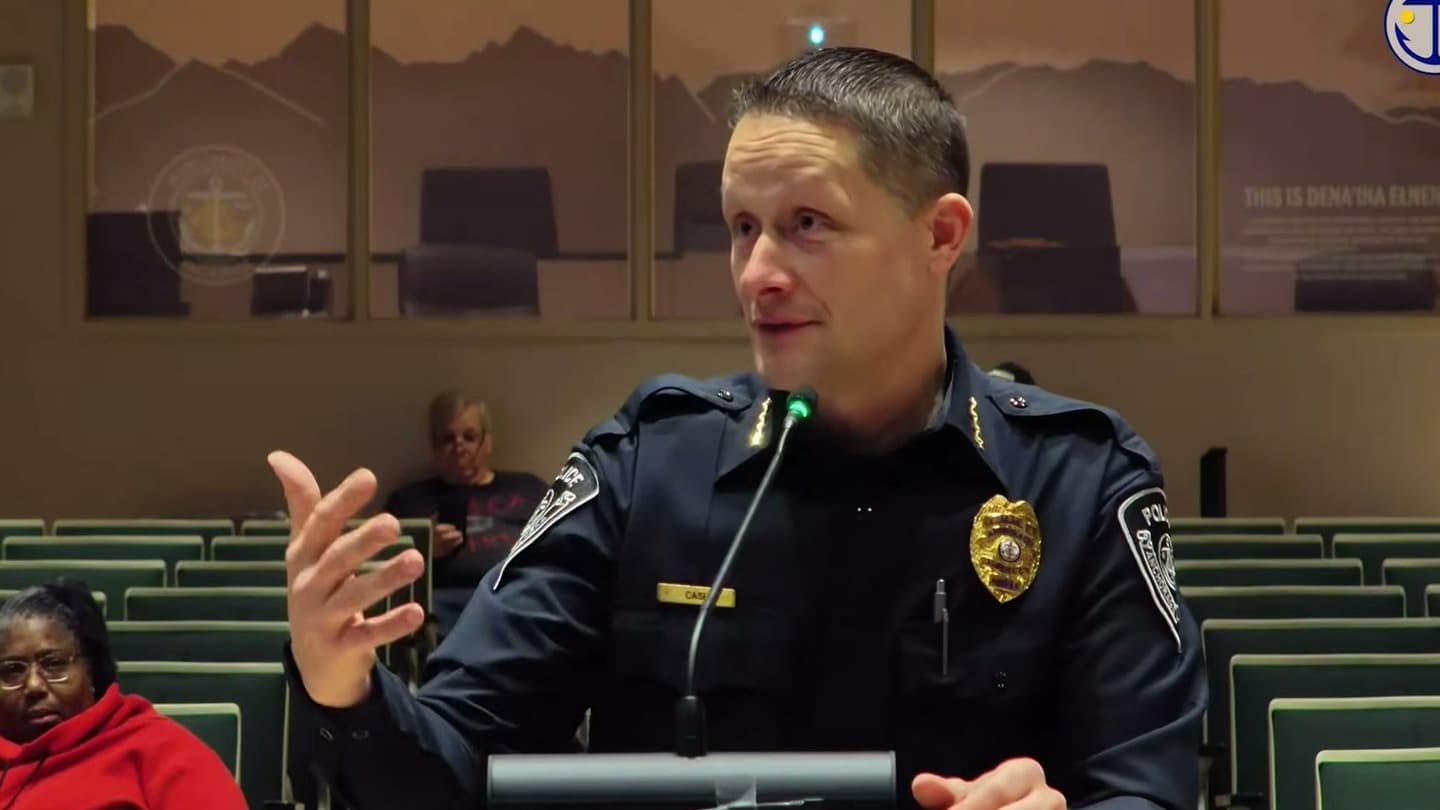
Jade Powell, a North Star resident testifying by phone, warned against any future cut to the police HOPE and Mobile Intervention Teams, calling them "an essential core cost-saving service." The 2027 proposal keeps $500,000 in alcohol tax money for the HOPE outreach team, the same as this year.
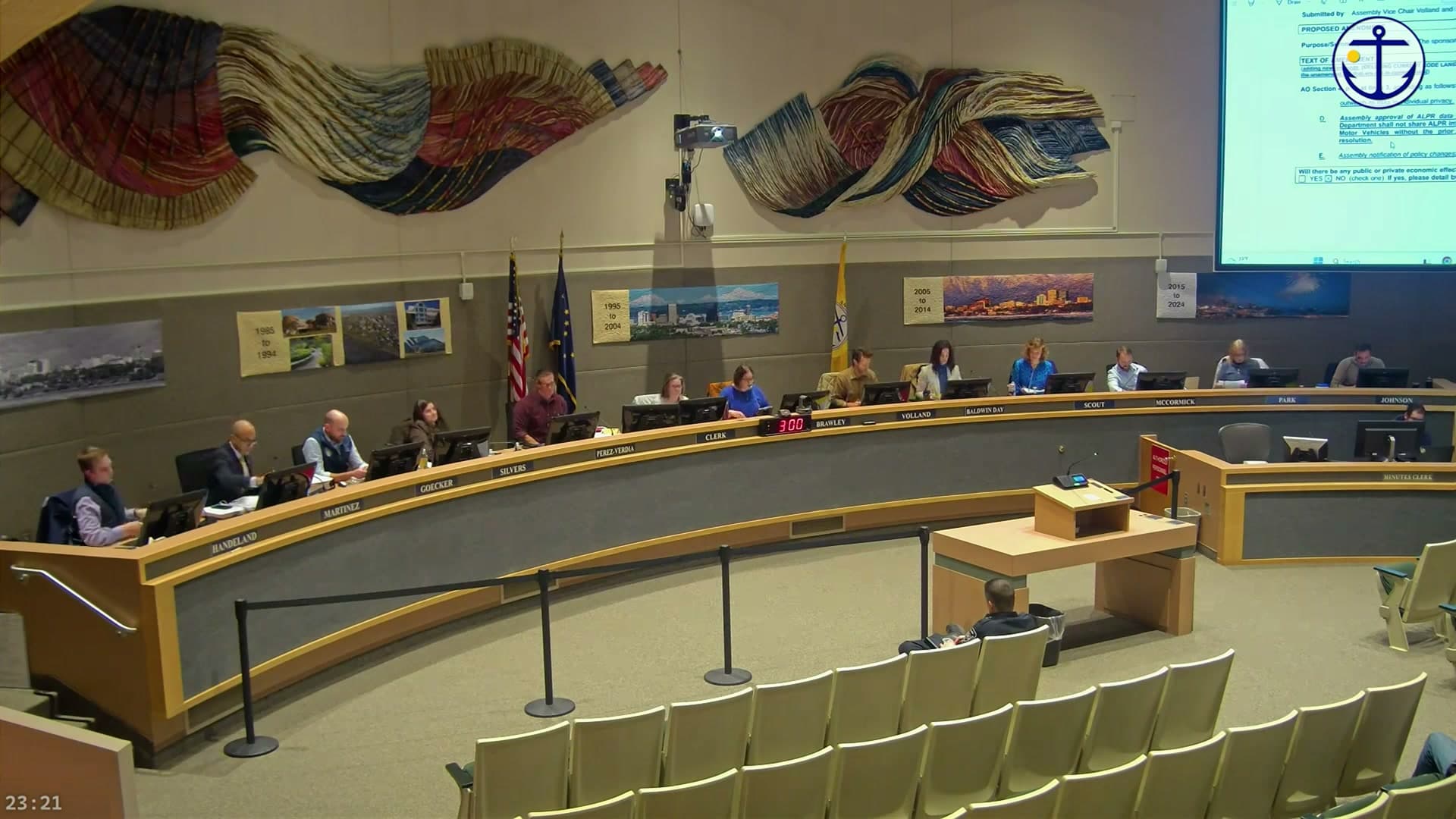
The Assembly continued its budget hearings to Nov. 17, when members plan to debate amendments and vote on the budget.
What did you make of this story? (no account needed)
Made by our human newsroom with AI. Reviewed by Cale Green. How humans and AI work here · Grow with our newsroom · Transcript byWalter AlaskaNews
Get Alaska News in your inbox
Create your free account and get the day’s top stories around 6 each morning, in a few minutes’ read.
The day's top stories around 6 each morning. Unsubscribe in one click.
This article is based on a public meeting of Municipality of Anchorage — Anchorage Assembly: AssemblyRegular: Live ().
Watch key moments from the source meeting. Click to expand.






Comments
Sign in to leave a comment.
No comments yet. Be the first to share your thoughts.