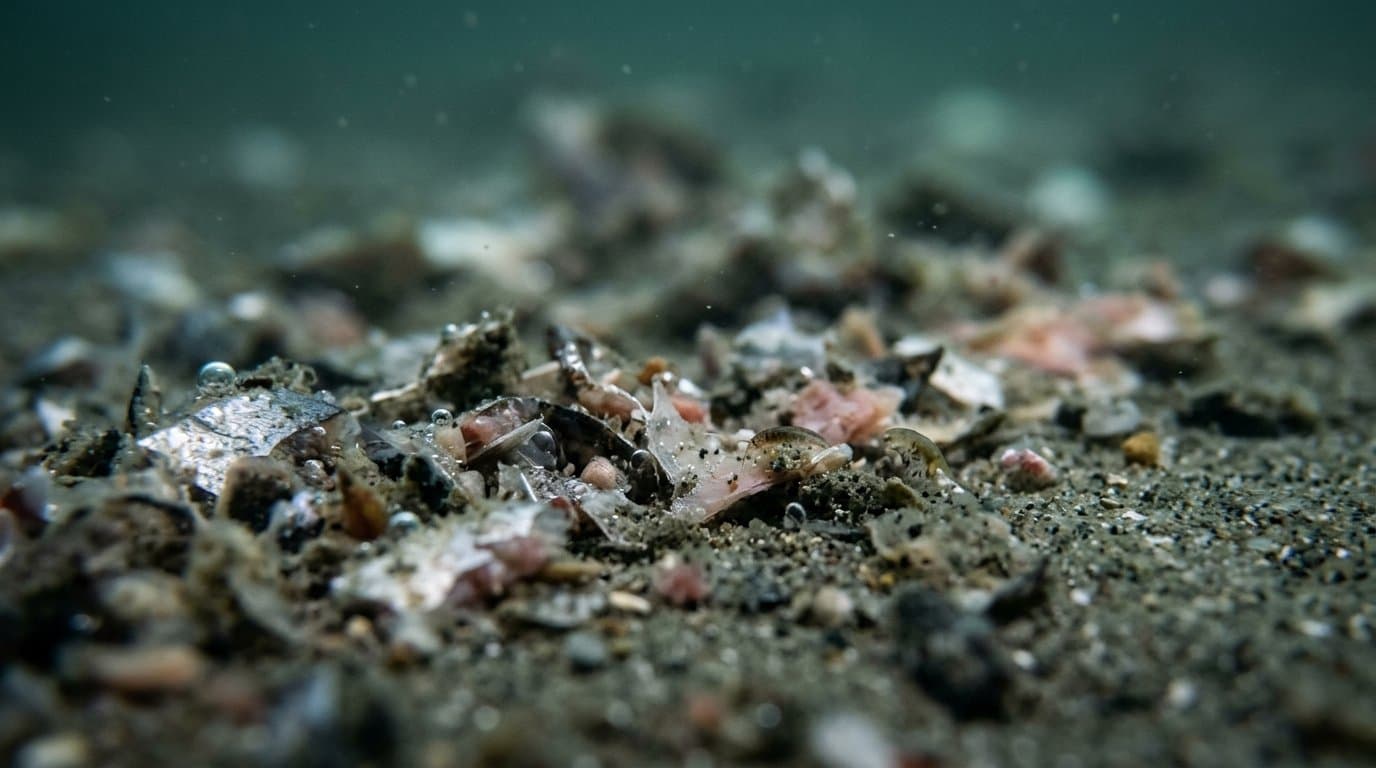
AI image
Alaska would keep letting floating processors leave fish waste on the seafloor
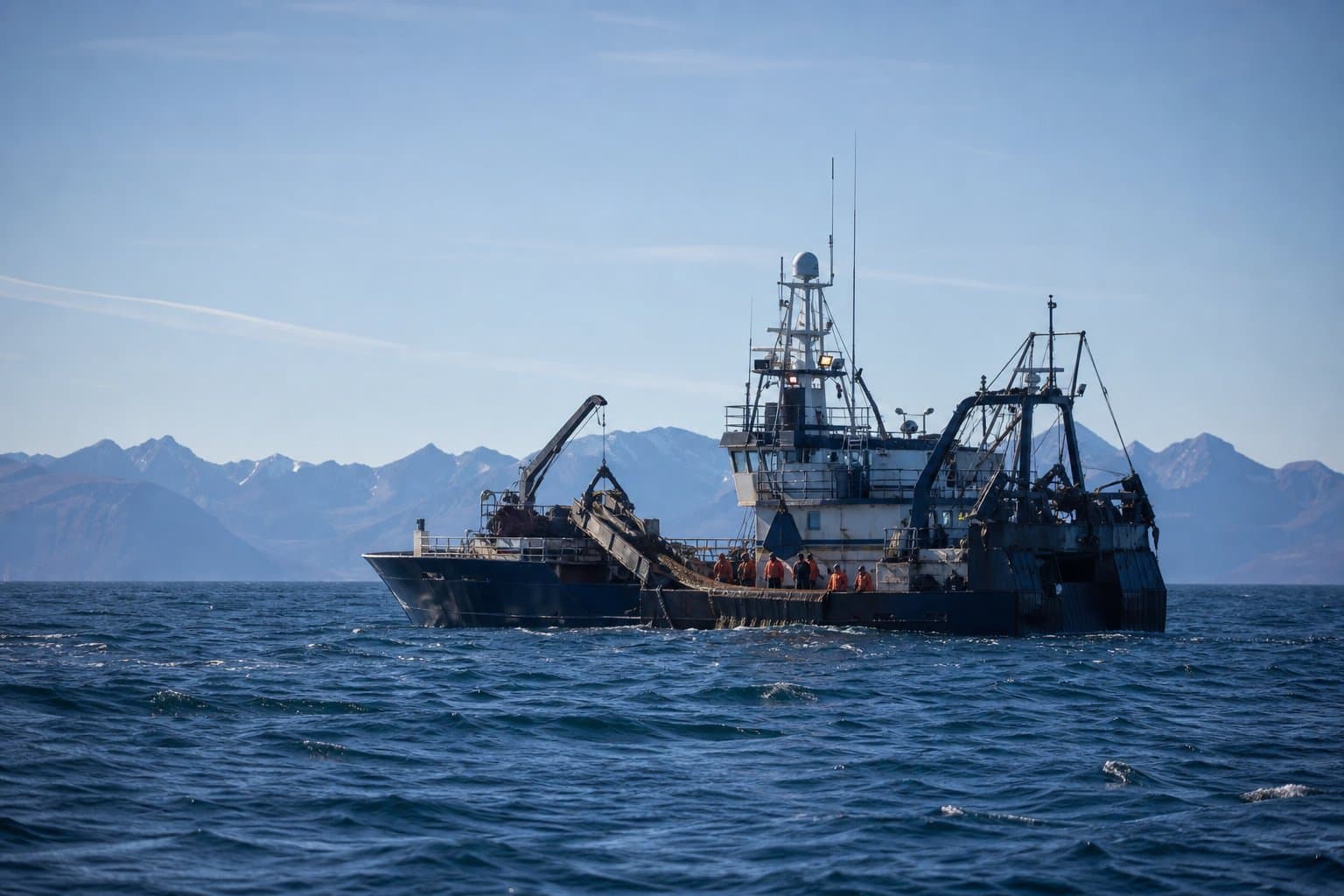
The Alaska Department of Environmental Conservation proposed Monday to keep letting floating seafood processors leave fish waste on the seafloor where they anchor, in patches of up to an acre at each spot.
The rule isn't new. Alaska has allowed these 1-acre "zones of deposit" for seafood processors since at least 1995, and the Environmental Protection Agency has said it's the only state that permits them at seafood processing facilities. Inside a zone, the waste may exceed the state's water quality standard for residues. Outside it, the state's zone-of-deposit regulation says standards must be met at every point.
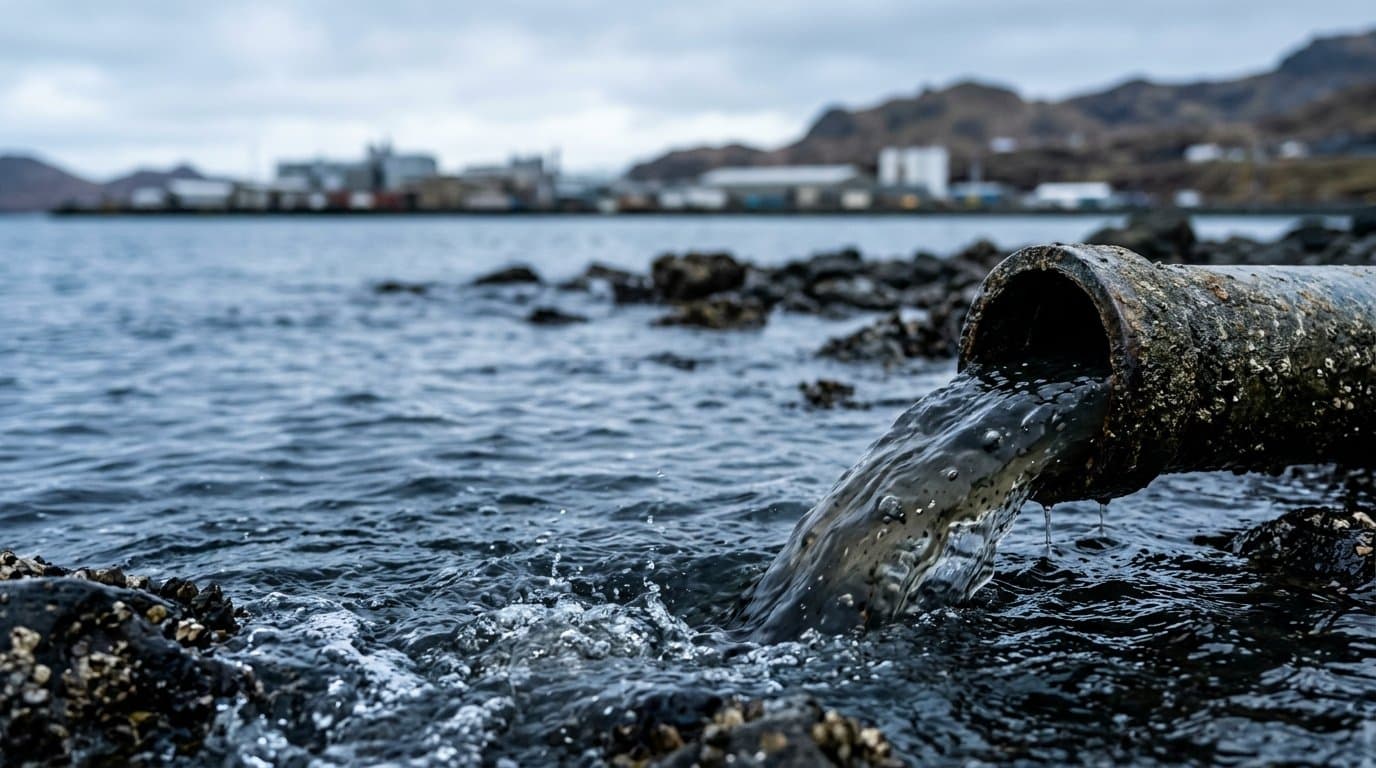
The proposal is part of a draft renewal of the state's general permit for offshore seafood processors. Those are processing ships that typically follow the fisheries and discharge ground-up waste from the fish they process, between the shoreline and 3 nautical miles out, with tighter limits close to shore. The seafloor zones apply only to vessels that anchor in one place, and DEC decides at each location whether to grant one.
The permit was issued in 2011 and renewed in 2018. That version expired at the end of 2023, but it stays in force until a new one replaces it, according to DEC's draft fact sheet.
The draft changes how the state would measure the acre. Seafloor completely or almost completely covered in waste would count toward it, and so would areas more than half covered. Operators required to survey the seafloor would also have to map the waste they find and note any mats of Beggiatoa, bacteria that can feed on seafood waste. As the waste decays, it depletes oxygen in the water just above the mats, according to DEC.
Vessels anchored within 1 nautical mile of shore in water less than 120 feet deep could still discharge no more than 3.3 million pounds of waste a year at each spot. The limit comes from computer modeling done for an earlier permit, which estimated how much waste a year would build up to cover an acre, with a safety margin added. The state assumes waste discharged into deeper water disperses instead of piling up.
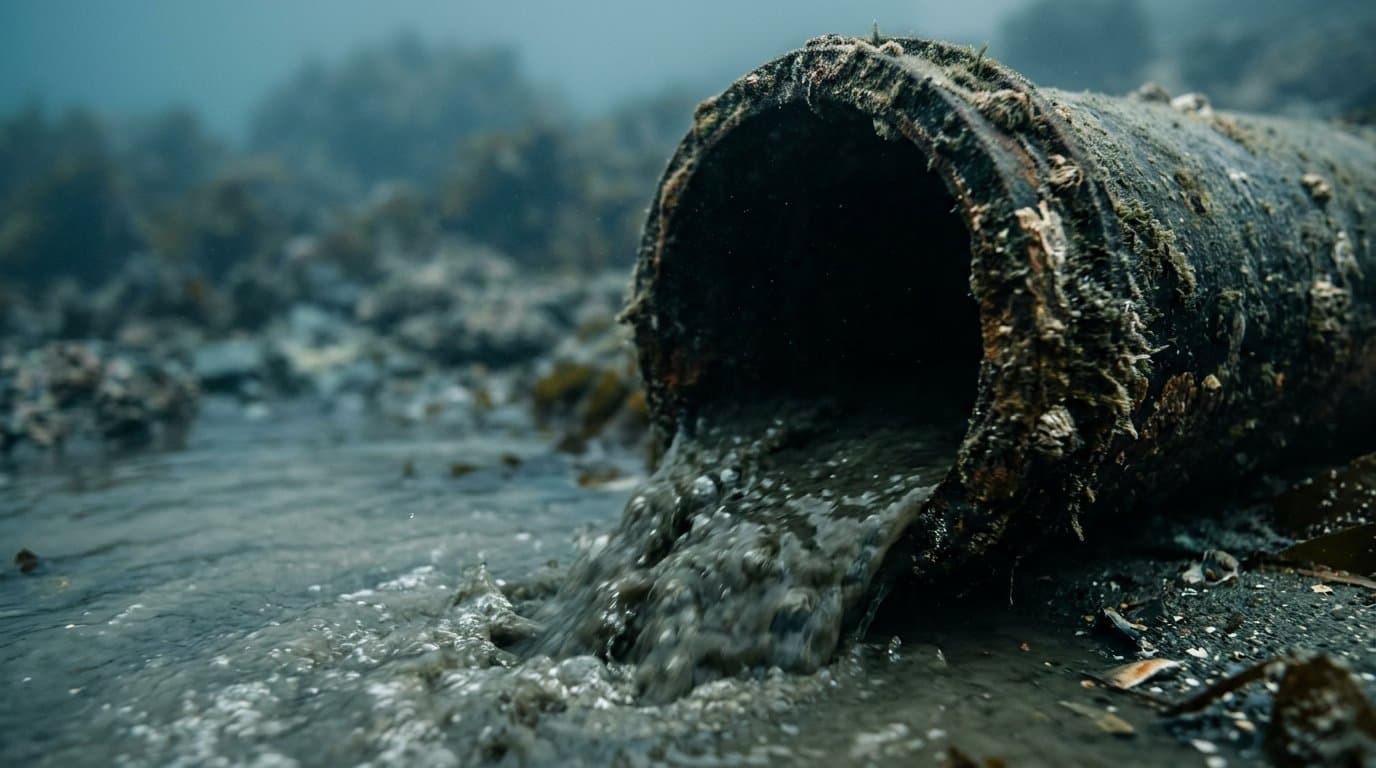
The permit also covers vessels that haul waste away from processors and release it while moving through bays, river mouths and other inland waters. For the first time, those vessels would have to test the surrounding water once during the permit's term at each place they discharge. DEC says the results will help show how much room ammonia from the waste needs to dilute enough to meet water quality standards.
The state's permit for onshore processors in Kodiak, issued this year, doesn't allow a zone of deposit.
Comments are due by 11:59 pm Dec. 9 and can be submitted through DEC's public notice site. Anyone may request a public hearing if one hasn't already been scheduled.
What did you make of this story? (no account needed)
Made by our human newsroom with AI. Reviewed by Cale Green. How humans and AI work here · Grow with our newsroom ·
Get Alaska News in your inbox
Create your free account and get the day’s top stories around 6 each morning, in a few minutes’ read.
Top stories, around 6 each morning.
Stories on what you follow, on Sundays.
Source: Alaska Department of Environmental Conservation, Alaska Department of Environmental Conservation: AKG523000 – Offshore Seafood Processors Wastewater Discharge General Permit.








Comments
Sign in to leave a comment.
No comments yet. Be the first to share your thoughts.