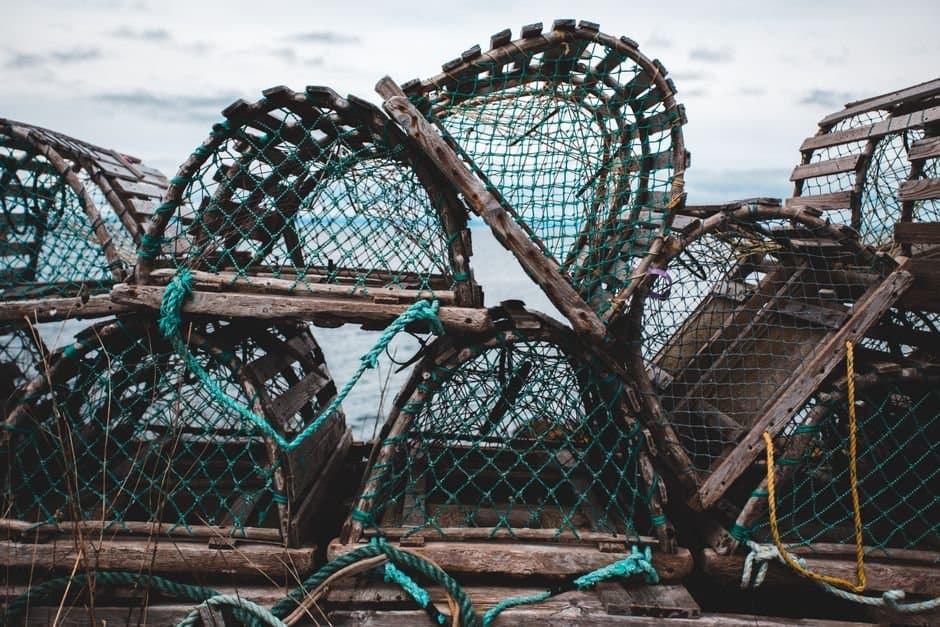
Photo by Erik Mclean on Pexels · Photo source
Kodiak seafood permit bars waste deposits on seafloor
Alaska's draft wastewater permit for Kodiak's onshore seafood processors would close off a long-standing regulatory option: permitted "zones of deposit" on the seafloor, where seafood waste is allowed to accumulate. According to the EPA, Alaska is the only state where zones of deposit are permitted at seafood processing facilities.
The Department of Environmental Conservation's draft general permit AKG528000, effective June 1, 2026 through May 31, 2031, authorizes mixing zones for water-column dilution but explicitly bars zones of deposit. Processors must ensure screened effluent — ground to 1.0 millimeter or smaller — disperses without creating "nuisance accumulations" on the bottom.
EPA has described the resulting piles as accumulations of bones, shells, and other organic materials that create anoxic, or oxygen-depleted, conditions resulting in unsuitable habitats for fish and other living organisms.
The shift follows a string of federal enforcement cases against Alaska processors. In December 2024, PSF Inc., the successor to Peter Pan Seafoods, paid a $750,000 penalty after discharging seafood waste beyond the one-acre zone of deposit at its Valdez plant — now owned by Silver Bay Seafoods — and through a broken outfall at the incorrect depth at its King Cove facility. In 2018, Trident Seafoods paid a $297,000 civil penalty and agreed to remove nearly three-and-a-half acres of waste from the seafloor near its Sand Point plant. A larger 2011 Trident settlement, covering 15 Alaska facilities, documented seafloor waste piles ranging in size from one to ninety acres.
Kodiak's plants may now need to adjust outfall locations, change discharge timing, or shift more material into recycling or barge disposal. The permit requires fourth-year seafloor surveys, daily visual inspections on discharge days, and monthly sea-surface photographs.
Source: ADEC releases preliminary draft for Kodiak seafood processors general permit AKG528000.
Made by our human newsroom with AI. How humans and AI work here · Grow with our newsroom
Stay informed. Support what matters.
Free, permanent access to local news you can verify. Subscribe to support Alaska News and go ad-free.
Related Coverage
ADEC proposes final discharge permit for Kodiak landfill leachate plant
Alaska News · 3mo ago
EPA Rule Would Drop Discharge Permits for 65 Alaska Trawlers
Alaska News · 4w ago
Alaska tightens stormwater rules for industrial sites, with no more easy "too expensive" exits
Alaska News · 4mo ago
Juneau's wastewater permit would be renewed despite a record of violations
Alaska News · 1mo ago
Cook Inlet's oil and gas discharge rules expired in 2021, and EPA is finally rewriting them
Alaska News · 2mo ago
Comments
Sign in to leave a comment.
No comments yet. Be the first to share your thoughts.