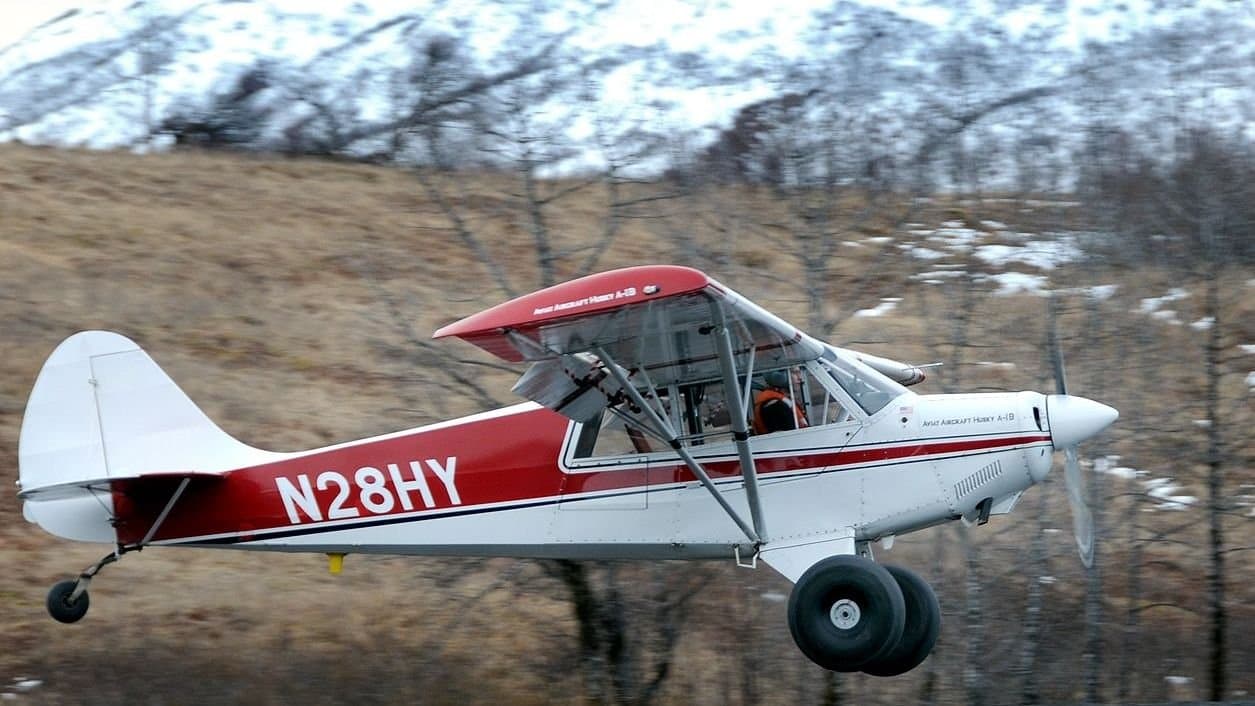
Photo: U.S. Fish and Wildlife Service Headquarters via Wikimedia Commons · Photo source · Public domain
Alaska refuges lost 38% of their field staff, the steepest drop of any region, review finds
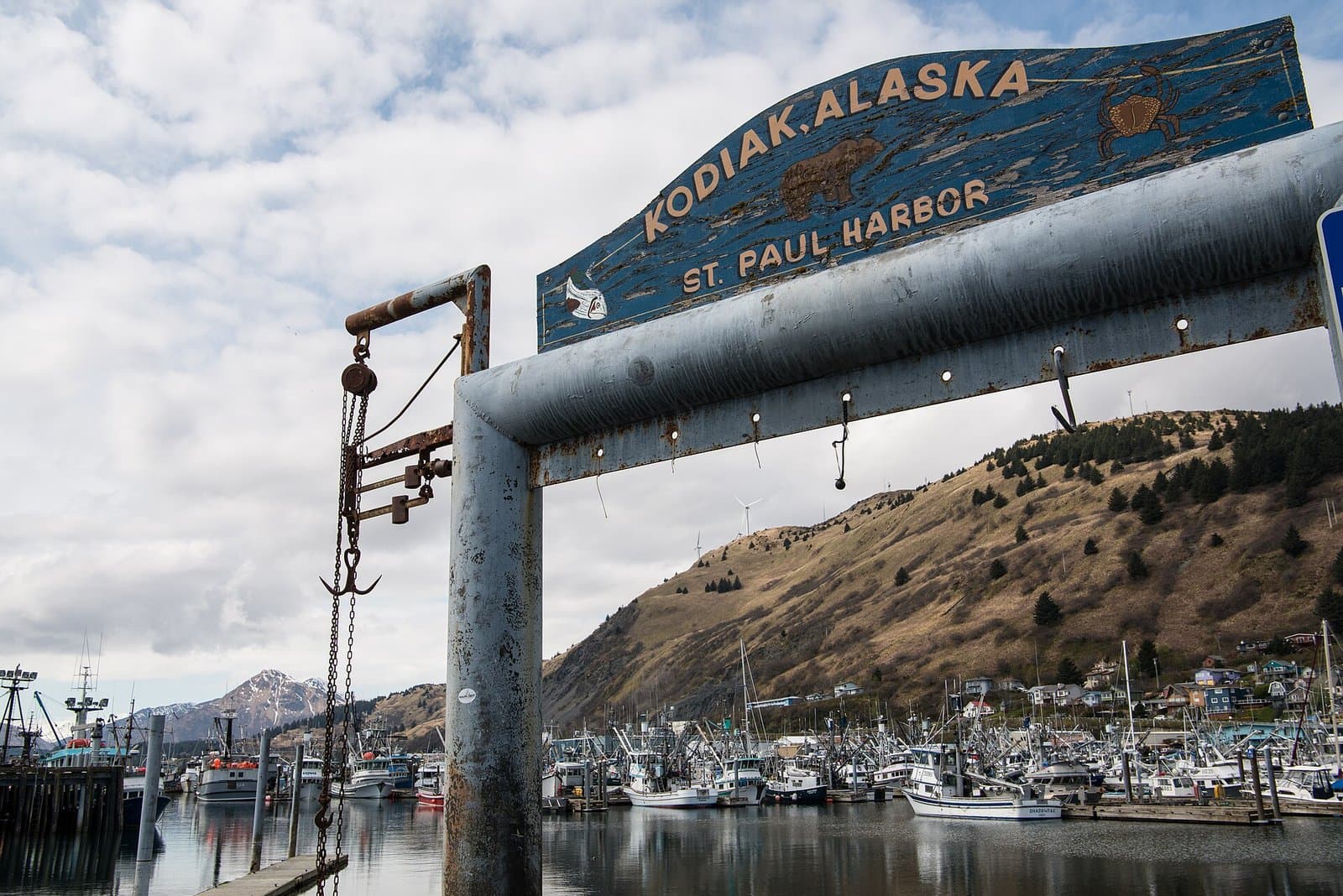
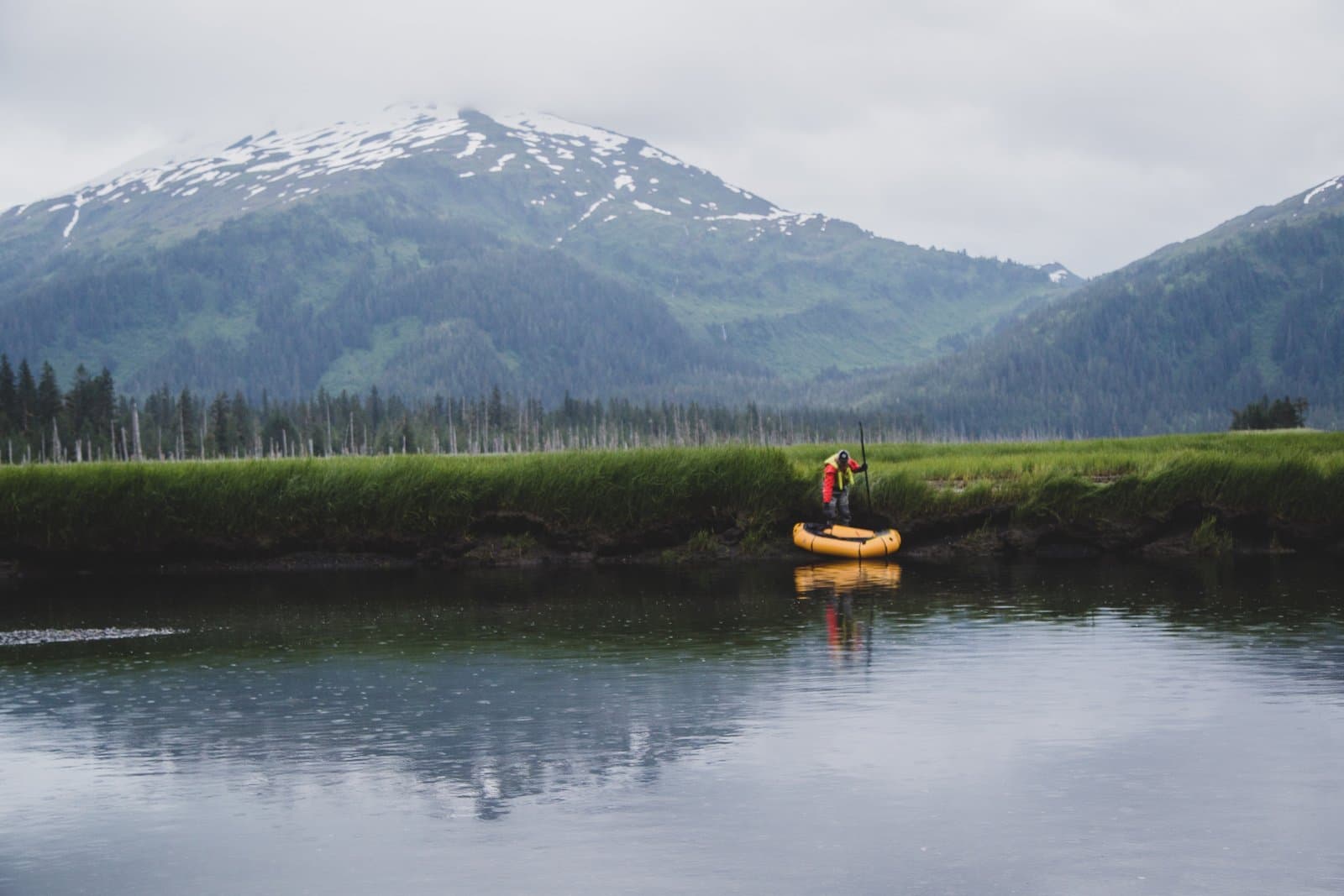
Alaska's national wildlife refuges lost a bigger share of their field staff over the past 12 years than any other region, while the agency's Alaska regional office grew, according to a federal review released Friday.
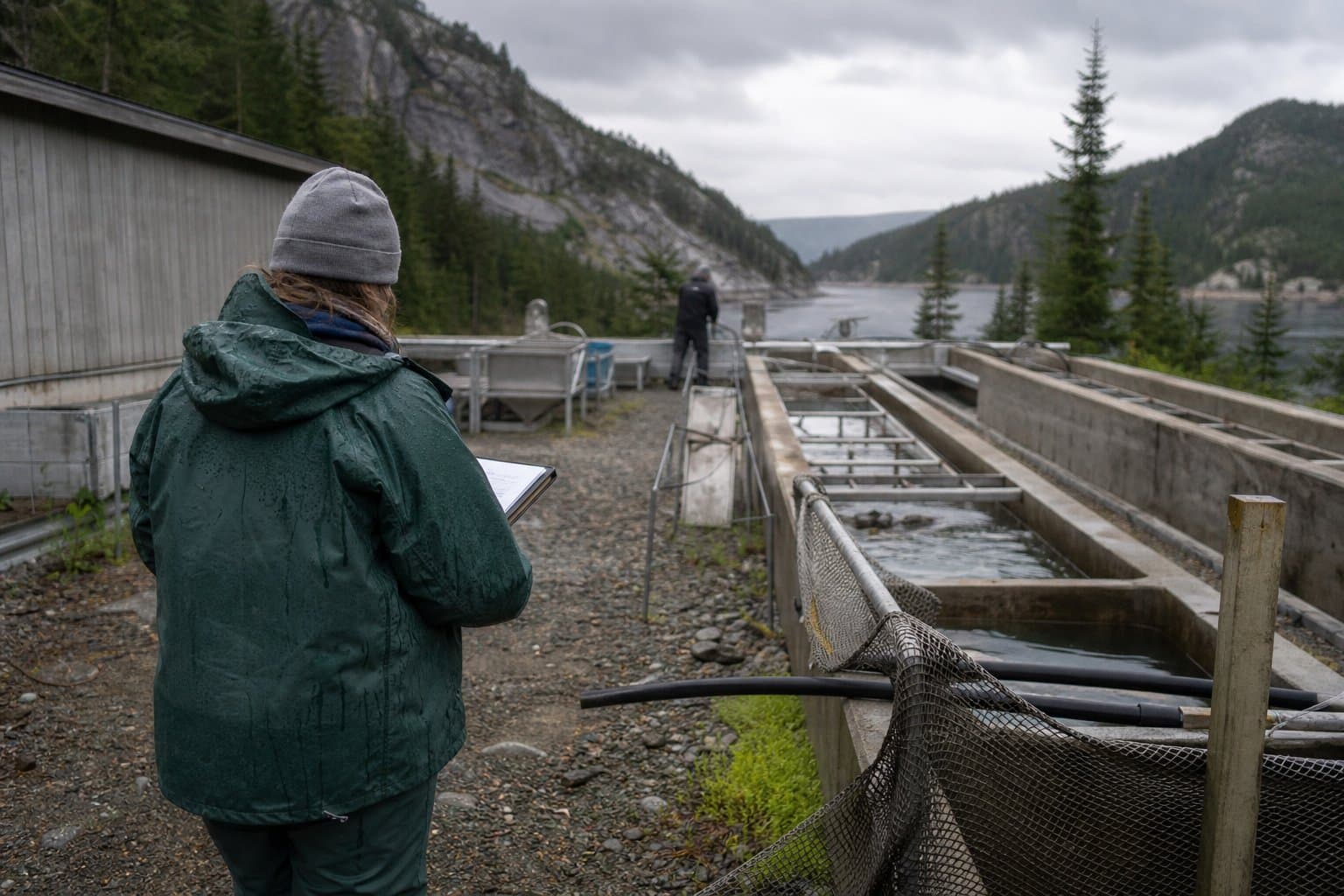
Permanent full-time field employees on Alaska refuges fell from 195 in 2013 to 121 in 2025, a 38% drop, the U.S. Fish and Wildlife Service report says. Over the same years, the Alaska regional office grew from 40 employees to 52. Nationally, refuge field staff fell 25% and headquarters staff grew 43%.
Interior Secretary Doug Burgum released the review alongside an order he signed the same day. It tells the agency to plan how to cut administrative overhead and shift people and money to refuges. Alaska's 76 million acres of refuges are nearly 80% of the system's land.
Much of the report's Alaska section is about airplanes. Alaska accounts for about 65% of the agency's flying, for wildlife surveys, law enforcement patrols, subsistence monitoring, emergency response and supply runs where no road reaches. "Aircraft in Alaska are the pickup trucks of the Lower 48 states," the report says.
The region has 11 pilots, down from 19 historically, and three of them also work as biologists or law enforcement officers. Pilots typically need three to five years to build the skills for survey flying and off-airport landings, the report says. Its 30 planes average 46 years old, and some date to 1952.
The report recommends recruiting more pilots in Alaska and improving how the agency hires them and contracts for flights. It doesn't put a dollar figure or a timeline on that.
Its systemwide recommendations include more refuge law enforcement and more use of grazing, agriculture, forest management and, "where appropriate," predator control. Burgum's order also sets a 180-day goal for decisions on permits and rights-of-way. It requires any finding that a proposed use isn't compatible with a refuge to go to the agency's director before it's final.
The order doesn't by itself change any refuge's rules. The agency has until early February to submit a plan for restoring field staff and moving resources to refuges, then 180 days to issue new policies, "consistent with applicable law."
What did you make of this story? (no account needed)
Made by our human newsroom with AI. Reviewed by Cale Green. How humans and AI work here · Grow with our newsroom ·
Get Alaska News in your inbox
Create your free account and get the day’s top stories around 6 each morning, in a few minutes’ read.
Top stories, around 6 each morning.
Stories on what you follow, on Sundays.
Source: Alaska refuges lost 38% of their field staff, the steepest drop of any region, review finds, released .









Comments
Sign in to leave a comment.
No comments yet. Be the first to share your thoughts.