AI image
A coho cap could close Cook Inlet's sockeye season early, fishermen warn
Cook Inlet boats are after sockeye, but the coho they catch by accident could shut the whole season — at a limit the feds set below their own scientists' advice.
A single fish could end Cook Inlet's federal salmon season before it's really over — and not the one anyone's fishing for.
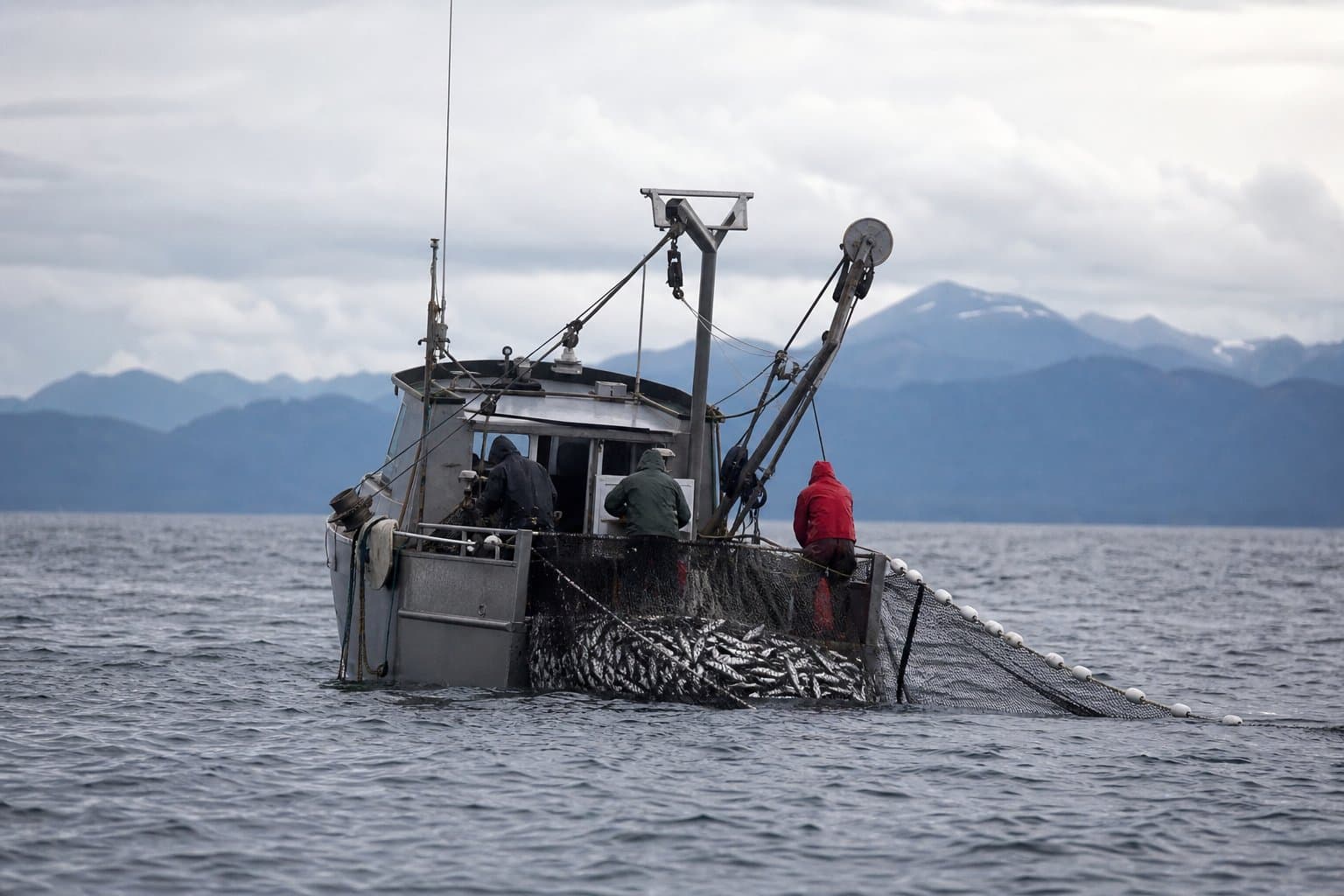
The Inlet's drift gillnet fleet goes out for sockeye, the abundant red salmon that fill nets and pay the bills. But the same nets scoop up coho — silver salmon — along the way, and federal managers have capped this year's coho catch at a level the fleet says is dangerously low. Because hitting that coho limit shuts down the entire federal fishery, sockeye and all, fishermen warn the season could slam shut while sockeye are still running thick — costing permit holders, processors, and coastal communities a harvest they can never get back.
The part that rankles most is where the number came from. The government's own scientists judged the fishery could safely take about 26,800 coho. Federal managers set the limit near 16,600 — roughly 10,000 fish lower — and built in that extra cushion on purpose, citing thin data on Cook Inlet's coho and a more procedural concern: that once the catch nears the cap, they might not be able to publish the official closure in time to stop the next opener.
The agency isn't blind to the bind, but it isn't budging. Plenty of sockeye have reached the spawning grounds the past two seasons, regulators note, and no opener has blown through the coho cap since federal management began two years ago — though they concede a single strong day on the water could come close.
Fishermen floated a fix: let managers call extra openers when sockeye are surging, so a strong run doesn't go to waste. The answer was no — current rules don't allow it, and granting that power would take a separate regulatory fight altogether.
For now, the squeeze is already on. To hold down the coho catch, managers have trimmed the season to a single twelve-hour window on Thursdays through the back half of July, timed to when the silvers move through. The fleet heads out hoping the reds run hard — and that the silvers don't end the day early.
Assembled from public records the newsroom collected ().
Drafted with AI. Edited by Cale Green (1 revision). No full editor review is on record. Who is accountable.
Stay informed. Support what matters.
Free, permanent access to local news you can verify. Subscribe to support Maggie AlaskaNews and go ad-free.
Related Coverage
Cook Inlet's salmon season opens June 22 — and could slam shut early
Alaska News · 3mo ago
A weak coho run just shut down federal commercial salmon fishing in Cook Inlet
Alaska News · 1mo ago
PWS sockeye season ends with low returns as fleet pivots to coho
Alaska News · 2mo ago
Cook Inlet drift fleet limited to Area 3 for a single 12-hour opener Thursday
Alaska News · 1mo ago
Board restricts Cook Inlet drift gillnet fishery to protect coho salmon
Alaska News · 6mo ago
Comments
Sign in to leave a comment.
No comments yet. Be the first to share your thoughts.